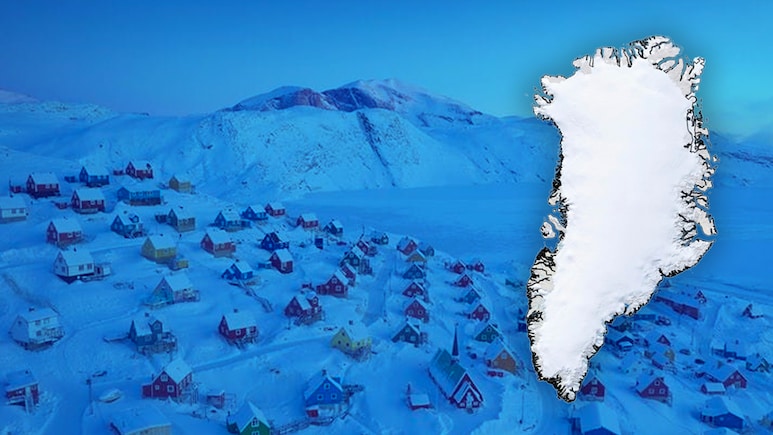
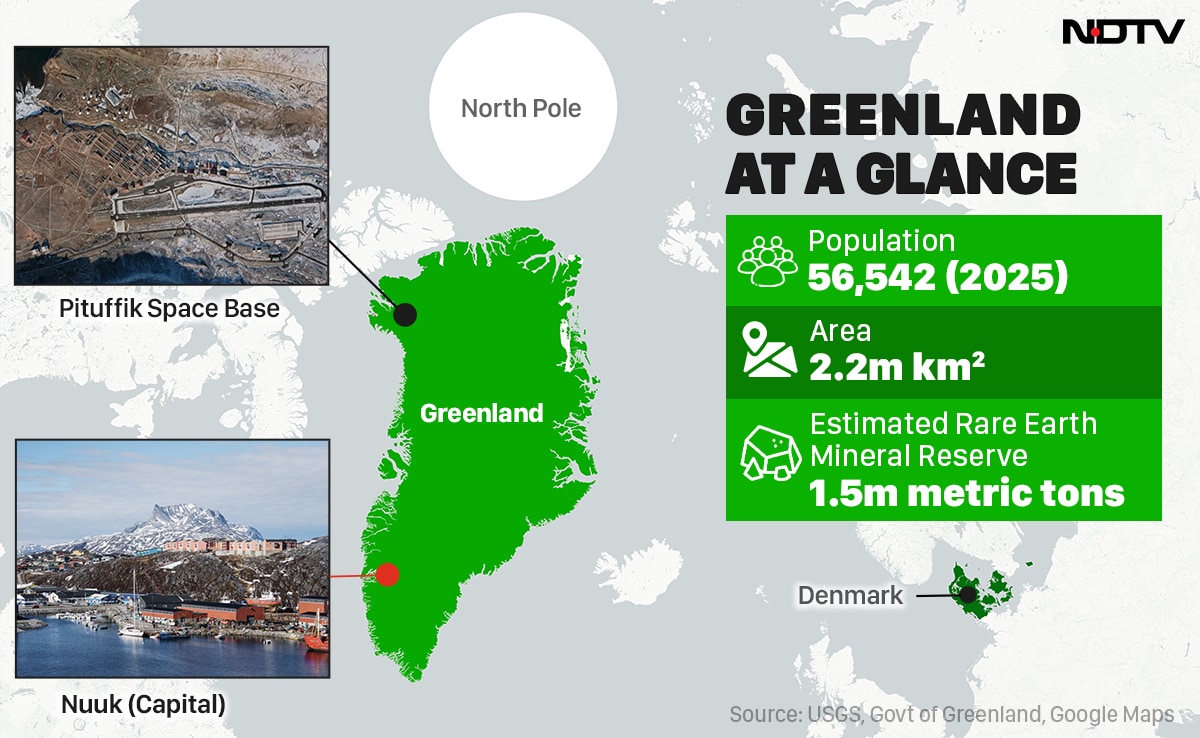
After his recent actions in Venezuela, US President Donald Trump has once again set his sights on Greenland, the world's largest island. A semi-autonomous territory of Denmark with a population of around 57,000 people. For most of the year, Greenland lies under a thick sheet of ice, and its economy depends heavily on Denmark, which administers the semi-autonomous territory.
Trump's interest in Greenland is not new. During his first term, he floated the idea of buying the island from Denmark, only to be told it was not for sale. This time, however, the rhetoric is sharper. The White House says it is exploring "a range of options," including the "use of military force" to take over the territory of the North Atlantic Treaty Organisation (NATO) ally.
Danish Prime Minister Mette Frederiksen has warned that any US attack would spell the end of NATO.
Greenland's population is so sparse that residents often travel by boat, helicopter, or plane between towns, most of which are clustered along the west coast. Fishing dominates its economy. On the surface, it seems puzzling: why would Trump risk antagonising European allies for a frozen island with a tiny population and limited infrastructure?
Trump insists the answer lies in national security. "Right now, Greenland is covered with Russian and Chinese ships all over the place. We need Greenland from the standpoint of national security," he told reporters on Sunday. But the story goes deeper than that.
Greenland's Strategic Location
Greenland's position makes it a geopolitical prize. Situated between North America and Russia, the island has long been considered a critical hub for Arctic security. It also lies close to emerging Arctic shipping lanes that could transform global trade. As ice melts due to climate change, these routes promise to dramatically shorten transit times between Asia and Europe compared to the traditional Suez Canal passage.
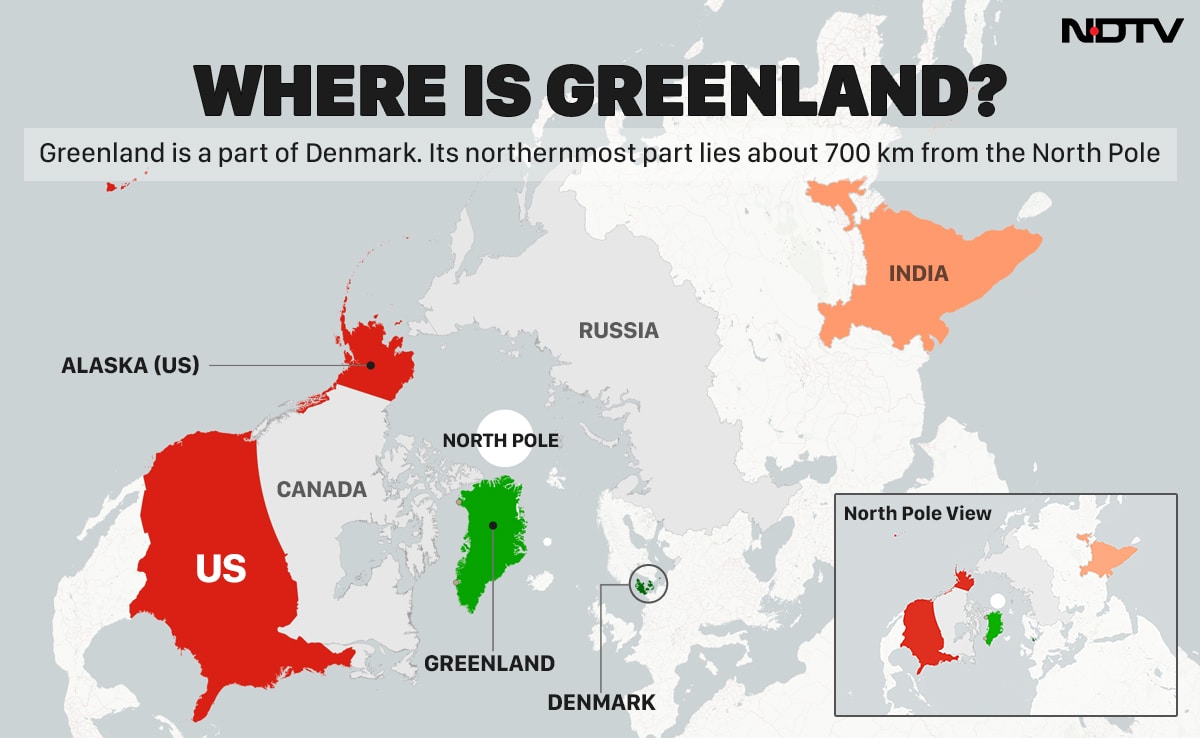
Greenland also anchors the GIUK gap-a naval choke point between Greenland, Iceland, and the United Kingdom that links the Arctic Ocean to the Atlantic. Control over this corridor has been a strategic imperative since the Cold War.
In western Greenland, the US operates Pituffik Space Base, which hosts the world's northernmost deep-water port. Today, about 150 US troops are stationed there, a far cry from the 6,000 deployed during the Cold War, but the base remains vital for missile defense and space surveillance.
The Resource Factor
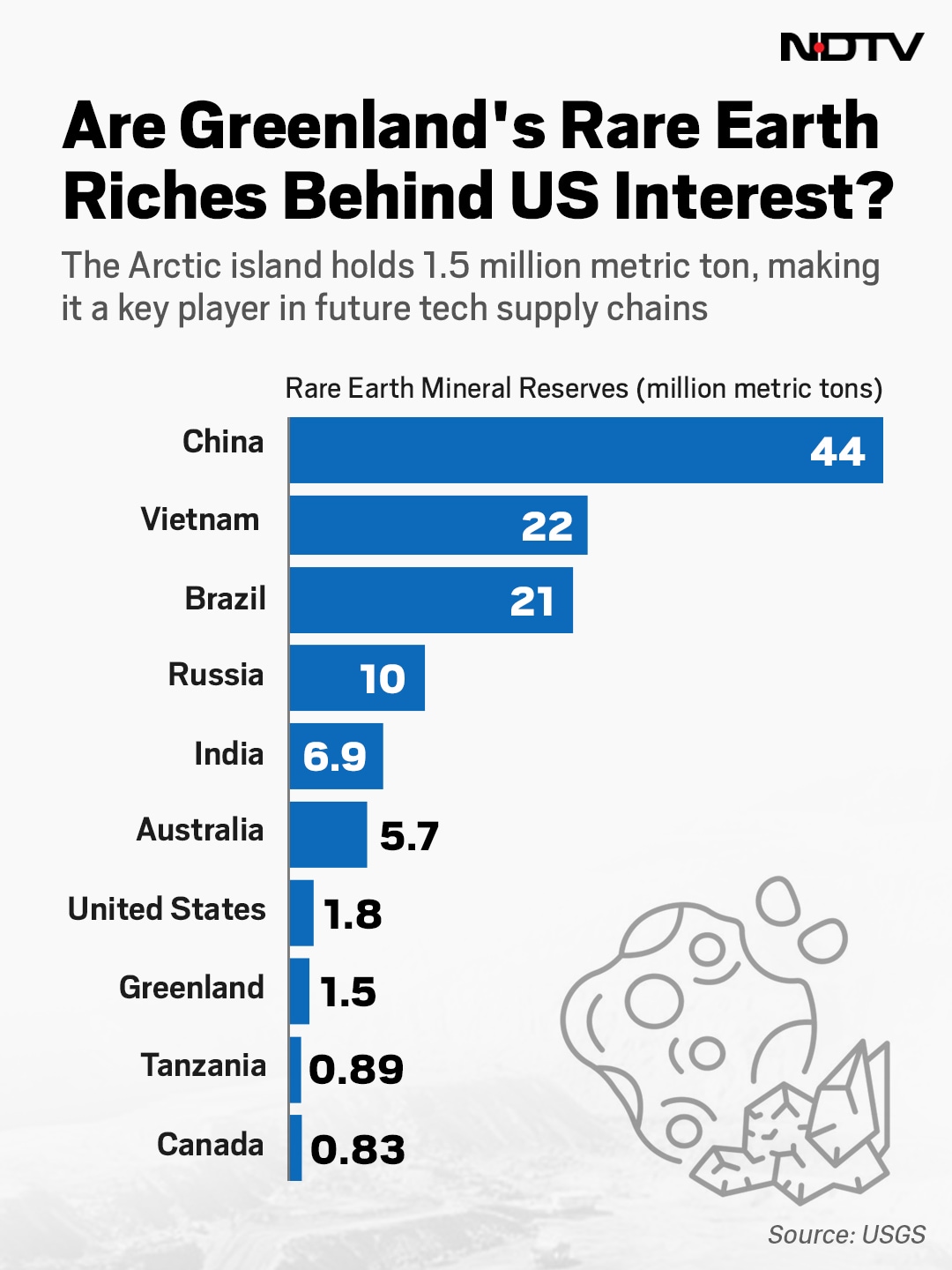
Beyond its strategic location, Greenland holds vast reserves of untapped resources-oil, gas, and critical minerals, including rare earth elements essential for technologies like wind turbines, electric vehicles, energy storage systems, and advanced defense applications.
Rare earths have become a cornerstone of US economic security policy, especially given China's near monopoly on their production. Under Trump, Washington has repeatedly emphasised securing rare earth supplies, even linking them to major diplomatic deals such as the Ukraine peace agreement.
Mining Greenland's resources is still difficult and costly but melting ice could change that. As the Arctic becomes more accessible, extraction will become easier, and northern shipping lanes will stay open longer each year, amplifying Greenland's importance. While Trump recently downplayed the mineral angle, his earlier statements suggest that economic security was very much part of his calculus.
Track Latest News Live on NDTV.com and get news updates from India and around the world


