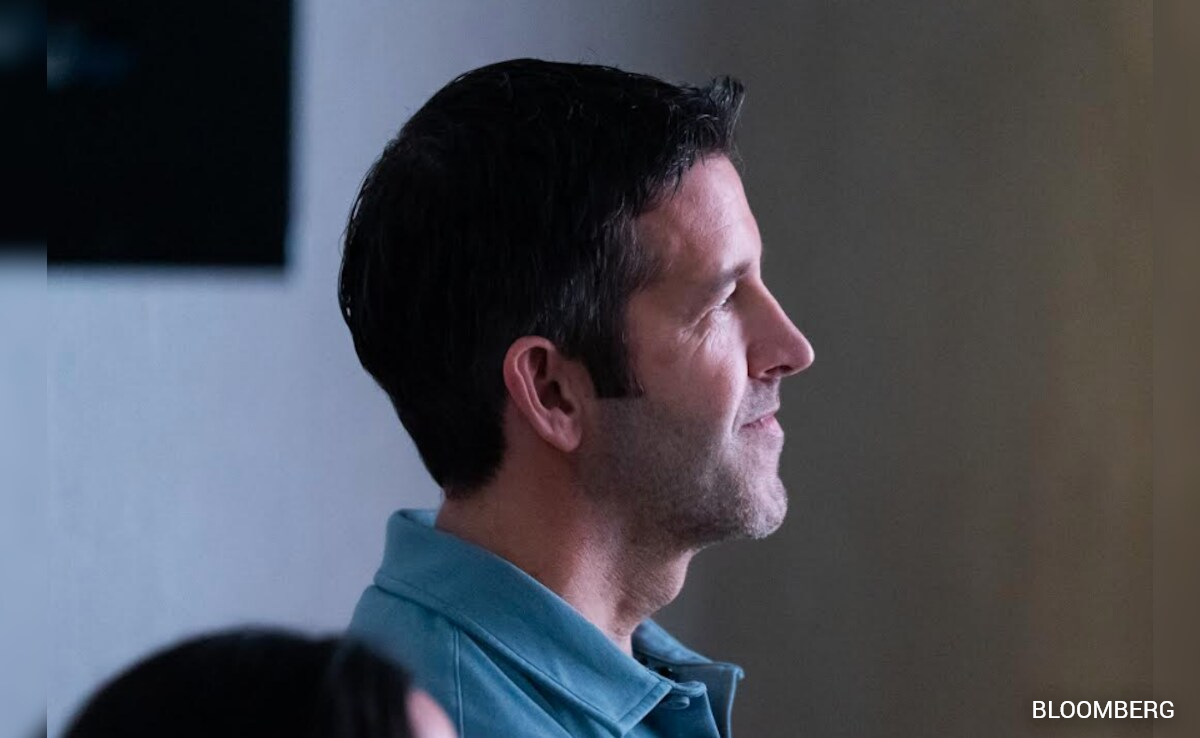
John Ternus, Apple Inc.'s next chief executive officer, is up against a major challenge as he settles into the role: retaining top talent during a time of historic turnover.
After years of relative calm, the company has suffered a wave of recent departures - both among C-suite executives and rank-and-file engineers. It's up to Ternus, who succeeds Tim Cook in September, to stabilise the workforce.
Apple got a recent taste of just how easy it is to lose some of its most prized talent. At the end of last year, celebrated chip executive Johny Srouji told Cook that he was seriously considering leaving the Cupertino, California-based company.
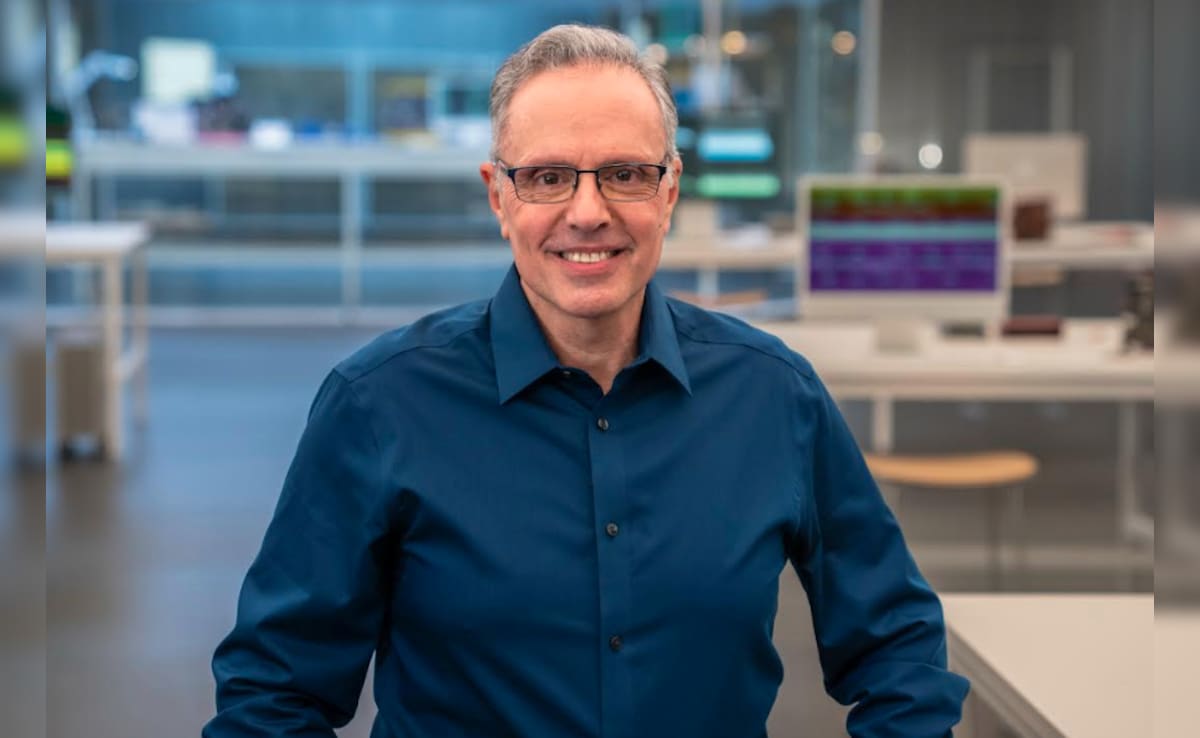
Photo Credit: Bloomberg
He had expressed to some colleagues that he was burned out from leading the iPhone maker's vast silicon operation, citing his hands-on approach and relentless drive to deliver industry-leading advances year after year.
He told Cook he was weighing whether to continue his career elsewhere.
Cook needed to get creative. Losing Srouji, who turned Apple's in-house Mac and iPhone chips into the envy of the industry, would have been a blow to his legacy.
With Apple lagging in artificial intelligence and device designs becoming more commoditised, a vital selling point remains the silicon developed by Srouji's team.
Knowing that he was weighing his own future at the company and that Ternus would be his successor, Cook devised a solution: a massive new compensation package and a broader role for Srouji as Apple's first chief hardware officer.
That job, which combines Srouji's old role and Ternus' current oversight of hardware engineering, effectively makes him the No. 2 executive at Apple.
But Srouji would need to wait. The move hinged on Cook stepping down and Ternus being elevated, clearing the way for Srouji to absorb the hardware division.
On Monday, that moment arrived, with Apple appointing Srouji to the expanded role.
"This unified engineering organisational structure has the potential to streamline decision-making, strengthen product integration and ultimately deliver exceptional results," Apple veteran Tony Blevins said in an interview.
Blevins, the company's procurement chief until 2022, worked closely with Srouji, Ternus and Cook.
During an all-hands meeting Tuesday, Ternus praised Srouji and touted the new arrangement.
"Johny has been my partner and friend for so long," Ternus said. "He is so brilliant, so talented, contributed so much to Apple, and I'm really happy that he's going to be taking on this expanded role."
After Bloomberg News reported in December that Srouji was considering leaving, he assured staff that he wouldn't be departing "anytime soon."
Still, questions have lingered about how long the 61-year-old will stay at Apple, given his all-encompassing approach to work.
Known for his intense management style, Srouji is now trying to simplify his role - even as he takes on thousands of additional engineers and responsibility for Apple's device development pipeline.
Srouji told staff Monday that he is dividing priorities across five senior leaders. His hard-driving approach will contrast with Ternus' calmer style and could rankle the incoming hardware staff.
Srouji handpicked his old team. "They knew what they were getting into," said a person with knowledge of the matter. His new executives coming from Ternus' world are in for "a cold shower," the person said.
A representative for Apple declined to comment.
Among those potentially displeased by the changes is Kate Bergeron, Ternus' longtime deputy in hardware engineering.
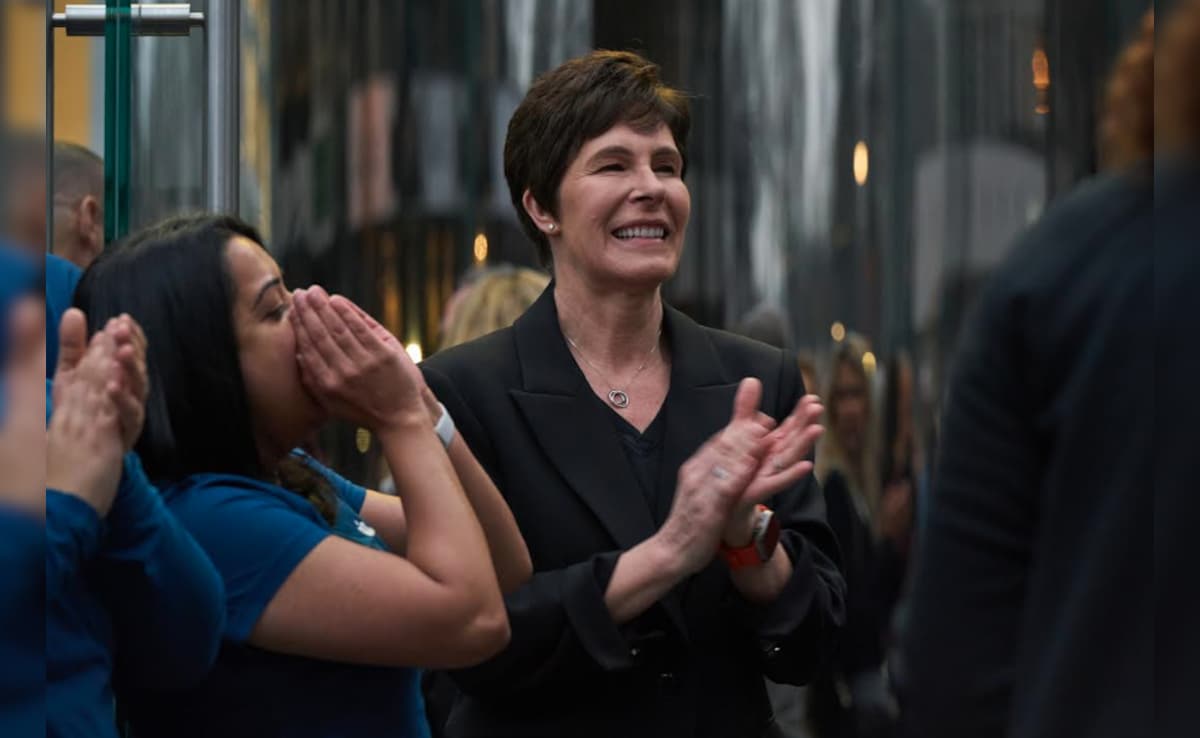
Photo Credit: Bloomberg
She oversees product design across multiple lines and had been viewed by some internally as the next hardware chief.
Instead, Ternus selected Tom Marieb, head of product integrity, who joined Apple seven years ago from Intel Corp.
Ternus picked Marieb because he trusts him and wants someone who's reliable and can reduce risks, said a person with knowledge of the decision.
Ternus will serve as a visionary for Apple's products, but he sees Marieb as someone who can execute the plan, according to the person, who asked not to be identified while discussing private matters.
Srouji's elevation also creates its own succession questions. He's now more valuable than ever to the company and has greater responsibilities - but it remains unclear who would eventually replace him.
Other executives are also weighing their futures. Mike Rockwell, who created the Vision Pro headset and is now tasked with overhauling the Siri voice assistant, has considered leaving or moving into an advisory role next year, according to people with knowledge of the matter.
He has had reservations about reporting to his new boss, software chief Craig Federighi, and desires a larger role.
Years ago, Rockwell had been on a path to a job defining Apple's product and AI road map, a position potentially akin to chief technology officer.
The idea made sense given the company's belief that head-worn wearables would be a strong component of its post-iPhone future.
Now the outlook is less clear. Though Apple is developing smart glasses and other wearable devices, the original Vision Pro failed to resonate with consumers due to its price and weight.
Still, Rockwell would be unlikely to leave his job before the Siri upgrade is complete.
As Ternus assesses his management team, there's a broader concern. Another wave of longstanding executives could retire around the same time, and he'll have to find new ones.
"Ternus' most significant challenge will be the same one faced by Cook: the transition beyond the generation of executives originally assembled by Steve Jobs," Blevins said. "Ternus will face the formidable task of rebuilding and reshaping Apple's executive bench at a time when expectations for performance, innovation and continuity remain exceptionally high."
Several leaders, including marketing chief Greg Joswiak, retail head Deirdre O'Brien, App Store head Phil Schiller and services leader Eddy Cue, are approaching four decades at the company.
O'Brien, who oversees the giant retail and human resources groups, has previously told colleagues that she was beginning to weigh a future retirement.
Later this year, Kate Adams, the company's head of government affairs, is retiring. And former finance chief Luca Maestri, who stuck around the company in a smaller role, is also nearing the end of his tenure.
Ternus faces other threats to the talent pool, with rivals such as OpenAI aggressively recruiting and diminishing Apple's hardware ranks.
Tang Tan, a former top deputy to Ternus, is now chief hardware officer at OpenAI and has hired several engineers to work on devices alongside CEO Sam Altman and former Apple design chief Jony Ive.
Beyond keeping Srouji happy, Apple has taken other steps to stabilise the bench. It expanded Federighi's role by making him the company's head of AI software and gave him responsibility over the Apple Watch and Vision Pro operating systems.
During an all-hands meeting Tuesday, Cue spoke on behalf of the company's executive team about Apple's future under Ternus, looking to strike a tone of continuity.
"John, we know your values, we know your technical depth, your love for Apple and our products," Cue said. "And all of us are really excited for you."
(This story has not been edited by NDTV staff and is auto-generated from a syndicated feed.)
Track Latest News Live on NDTV.com and get news updates from India and around the world


