



Supernovae
-
{
- All
- News
-

Alimony, Son's Health, Debt: What Drove Techie To Jump From Noida Highrise
The engineer had also recorded a video, in which he spoke about his distress over debt and held himself responsible for his decision, police said, adding that the man did not blame anyone.
-
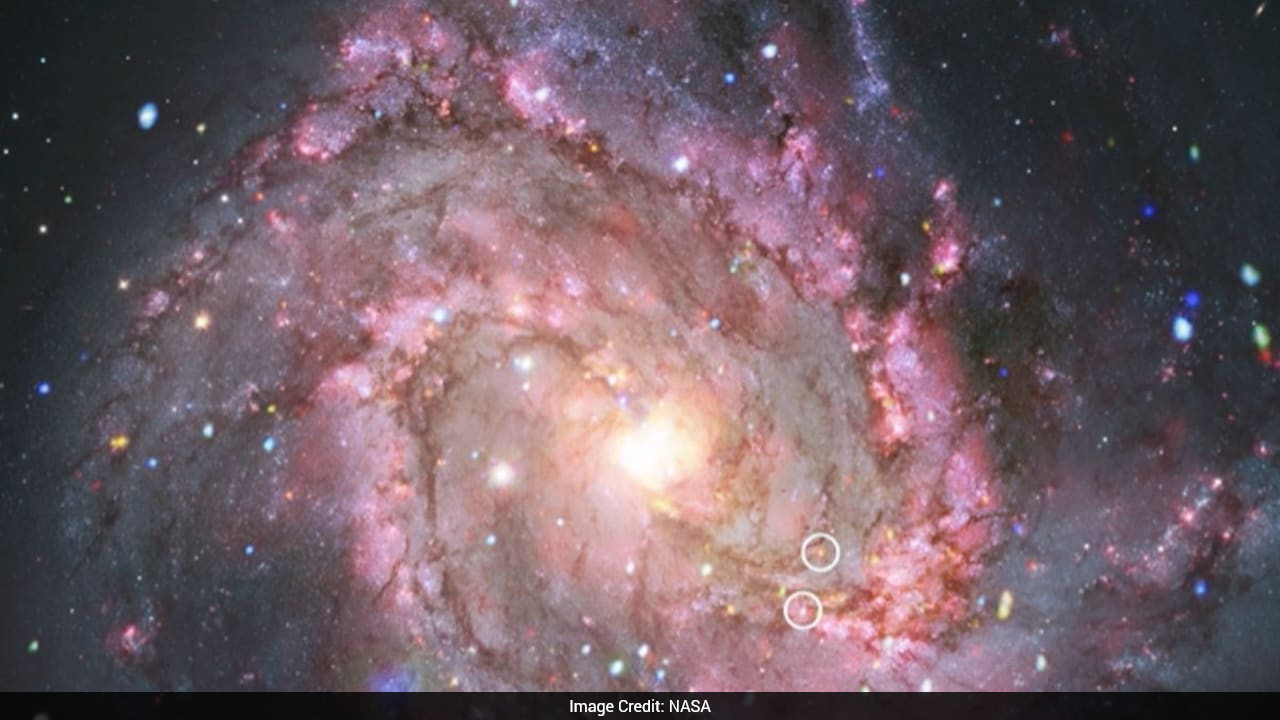
Scientists Discover Unusual Changes In Exploded Stars In Nearby Galaxy
The research team found that about half of the 22 X-ray sources linked to supernova remnants changed significantly in brightness.
-
Astronomers Discover Why Massive Galaxies Died Early in the Universe
Astronomers have discovered a powerful galactic wind in the merging galaxy system CRISTAL-02. The outflow is removing star-forming gas faster than it can be replenished, providing the first direct evidence for a mechanism that may have shut down star formation in massive early galaxies.
-
Evidence In Antarctic Ice Suggests That Earth Passing Through Supernova Debris, Says Study
The researchers analysed 295 kilograms of ice extracted from the European Project for Ice Coring in Antarctica (EPICA).
-
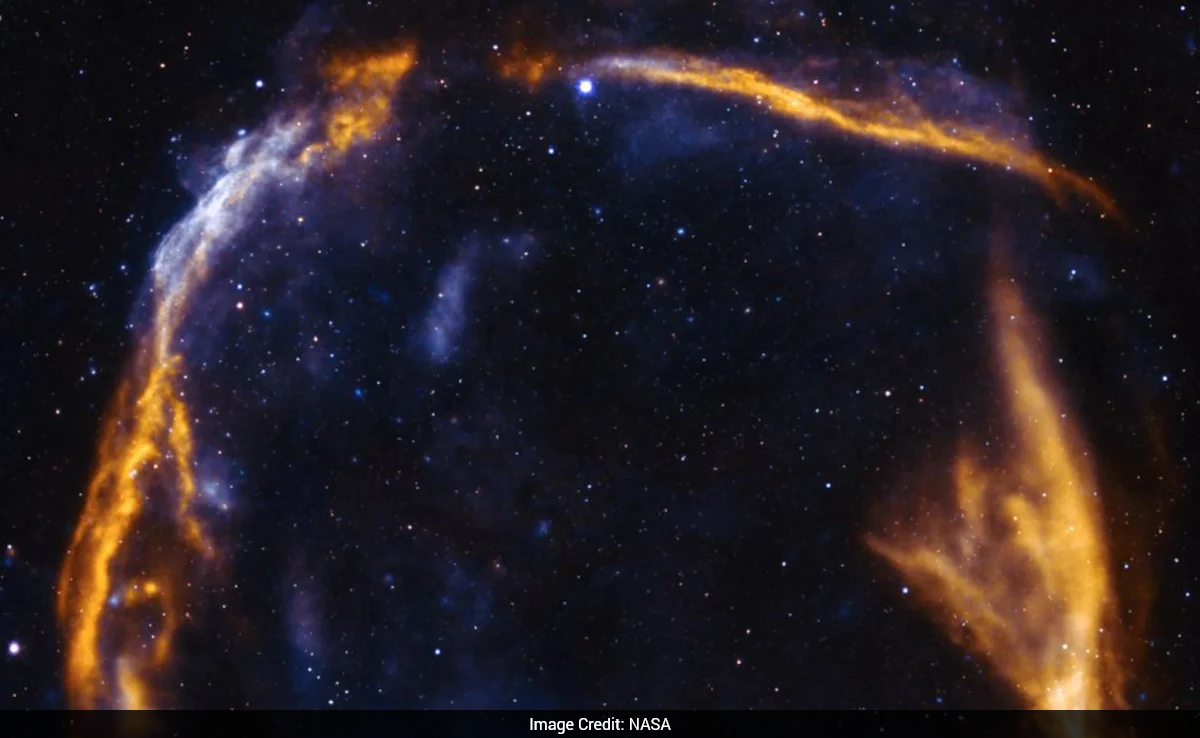
NASA's X-Ray Mission Unveils Fresh Insights Into 2,000-Year-Old Supernova
In a recent study, the Imaging X-ray Polarimetry Explorer (IXPE) observed the supernova's outer region.
-
Astronomers Witness Rare Failed Supernova in Andromeda Galaxy
NASA’s NEOWISE infrared telescope has provided striking evidence that a massive star in the Andromeda galaxy collapsed directly into a black hole without exploding as a supernova. The star, M31-2014-DS1, faded dramatically in visible light while leaving a faint infrared glow from surrounding dust. Astronomers say this rare “failed supernova” ...
-
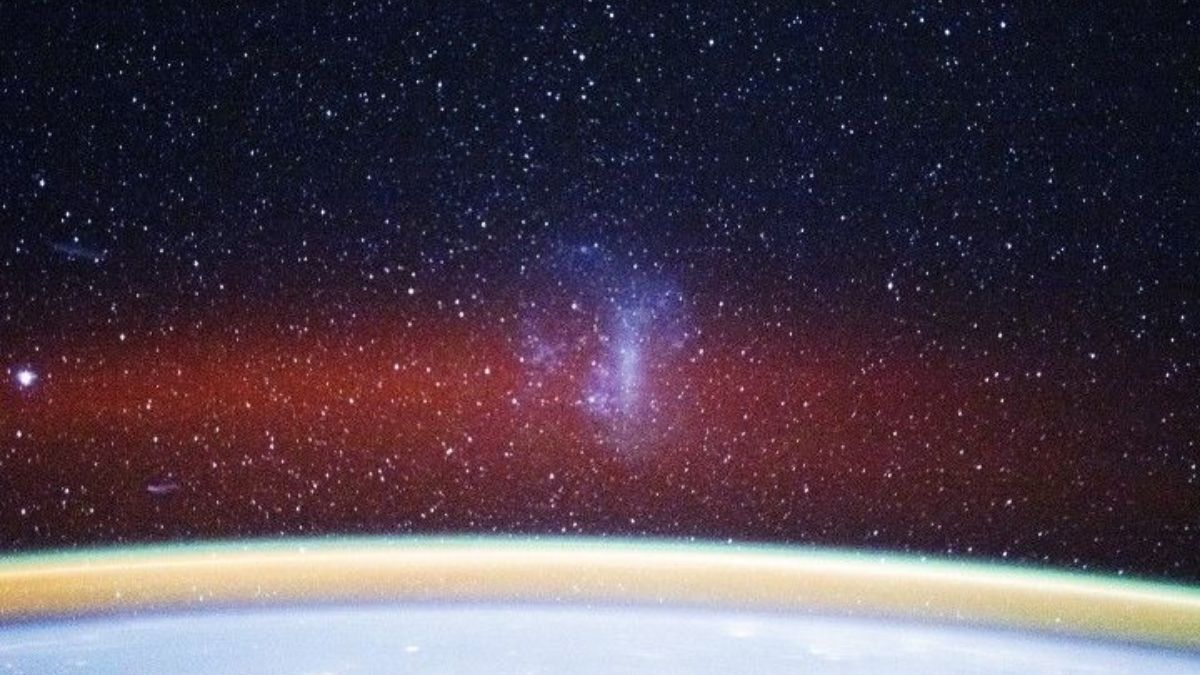
Astronomers Look to the Large Magellanic Cloud to Study How Stars Are Born
The Large Magellanic Cloud is a nearby dwarf galaxy glowing with star birth. Just 160,000 light-years away, it hosts vast nebulae like the Tarantula and historic events such as Supernova 1987A, offering astronomers a rare, close-up laboratory to study how stars form, evolve, and explode.
-
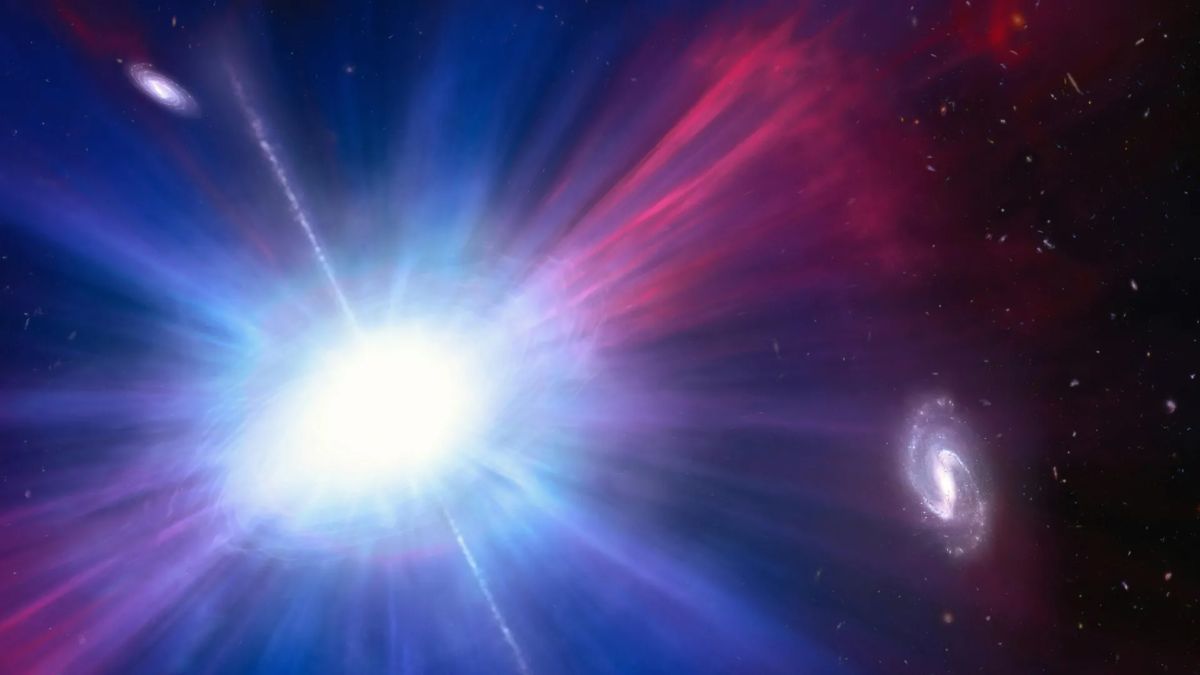
JWST Spots Most Distant Supernova Ever, From 730 Million Years After Big Bang
Scientists have confirmed the most distant supernova ever observed, exploding just 730 million years after the Big Bang. Detected through a powerful gamma-ray burst and later verified by the James Webb Space Telescope, the event offers a rare glimpse of the deaths of the universe’s first stars during the era of reionisation and challenges expecta...
-
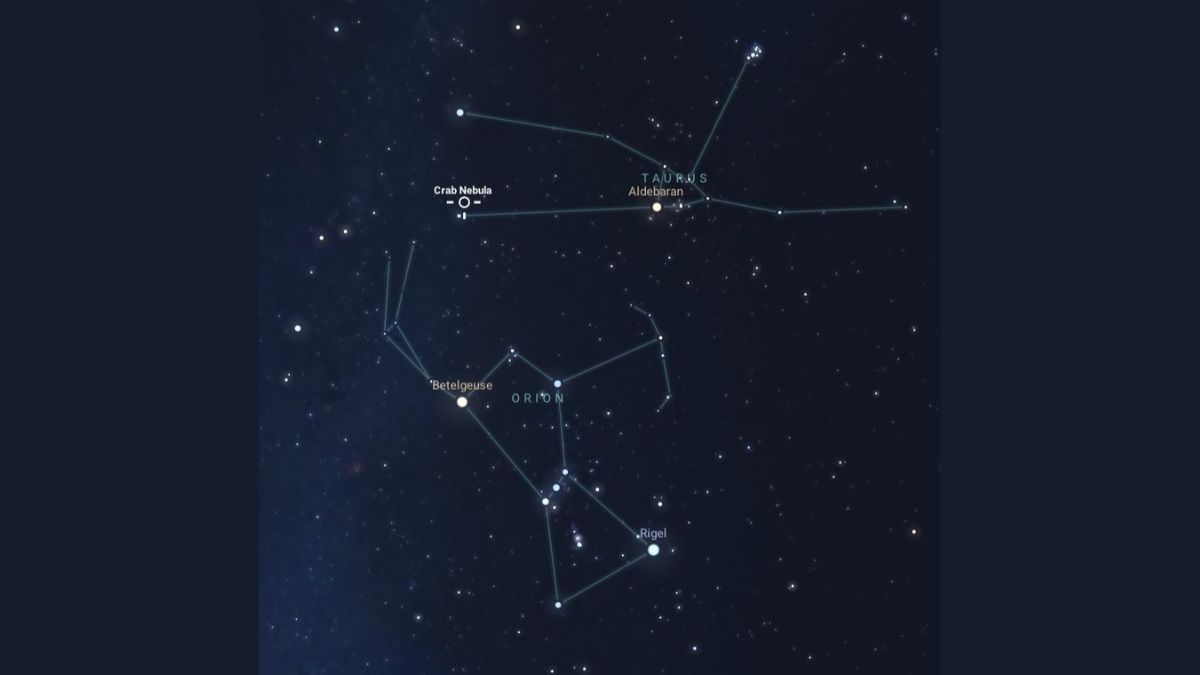
Betelgeuse and the Crab Nebula Reveal Stellar Death and Rebirth in Multi-Telescope Views
Betelgeuse’s unusual dimming and the Crab Nebula’s remnants offer insight into stellar death and rebirth. Composite images from multiple telescopes show gas filaments and a neutron star, illustrating how massive stars explode, enrich space with heavy elements, and seed future star formation. These observations help scientists trace stellar life...
-
AIIMS-Led Trial Confirms Supernova Stents Safety And Efficacy For Stroke Patients
The Supernova Stent -- a new and advanced brain treatment device -- has been demonstrated to be safe and effective for stroke patients, said experts at AIIMS Delhi on Saturday, who led the first clinical trial.
-
AIIMS-Led Trial Confirms Supernova Stents Safety And Efficacy For Stroke Patients
The Supernova Stent -- a new and advanced brain treatment device -- has been demonstrated to be safe and effective for stroke patients, said experts at AIIMS Delhi on Saturday, who led the first clinical trial.
-
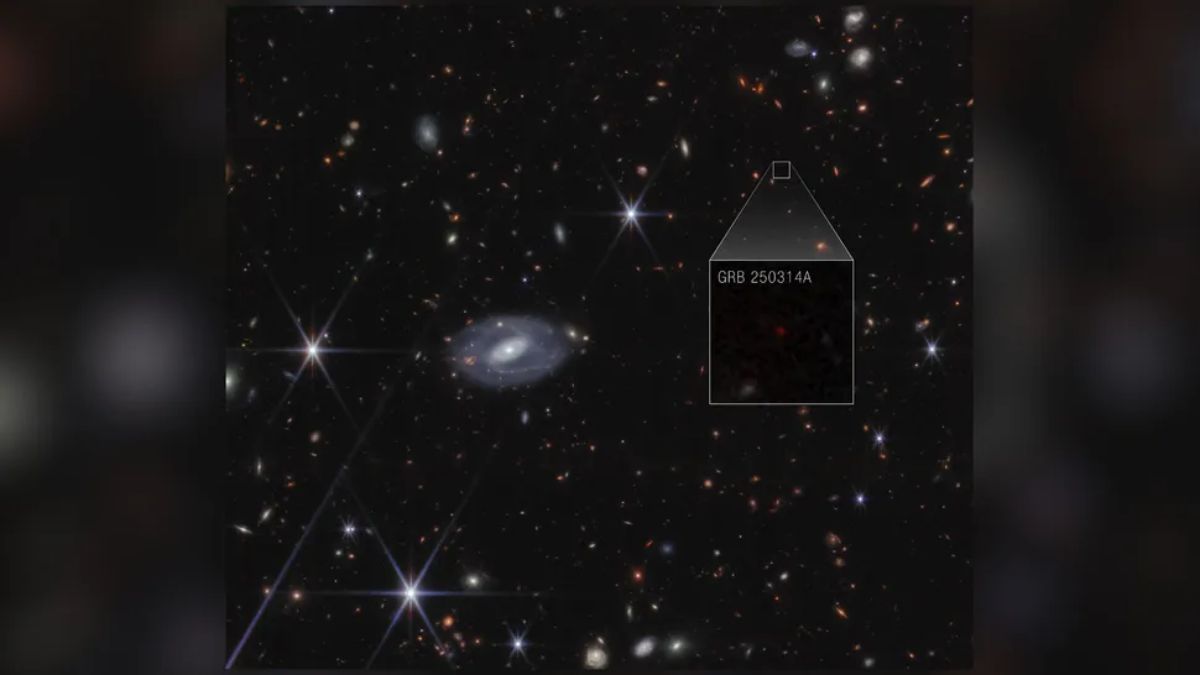
JWST Detects Oldest Supernova Ever Seen, Linked to GRB 250314A
Astronomers using the James Webb Space Telescope have detected the oldest supernova ever recorded, tied to gamma-ray burst GRB 250314A. Occurring when the universe was only 730 million years old, the explosion provides a rare glimpse into the first generations of stars and early galaxy growth, highlighting Webb’s unmatched ability to study the di...
-
Astronomers Capture First-Ever Early Snapshot of Supernova Shock Wave Using ESO’s VLT
Astronomers using ESO’s Very Large Telescope have captured a rare early look at supernova SN 2024ggi, just one day after its discovery. The blast shockwave appeared olive-shaped—not spherical—revealing surprising asymmetry in the explosion. Recorded with the FORS2 instrument, the data shows the shock-breakout phase in unprecedented detail. Th...
-
Supernova’s First Moments Show Olive-Shaped Blast in Groundbreaking Observations
Astronomers captured the first moments of a nearby supernova, revealing an asymmetric, olive-shaped blast. In massive stars, core collapse after fuel exhaustion creates a shock wave. Early observations of future supernova surveys will be able to sample diversity in stellar explosions as well as the properties of broad breaks due to asymmetric sho...
-
Is the Universe Slowing Down? Astronomers Detect Signs of Fading Dark Energy
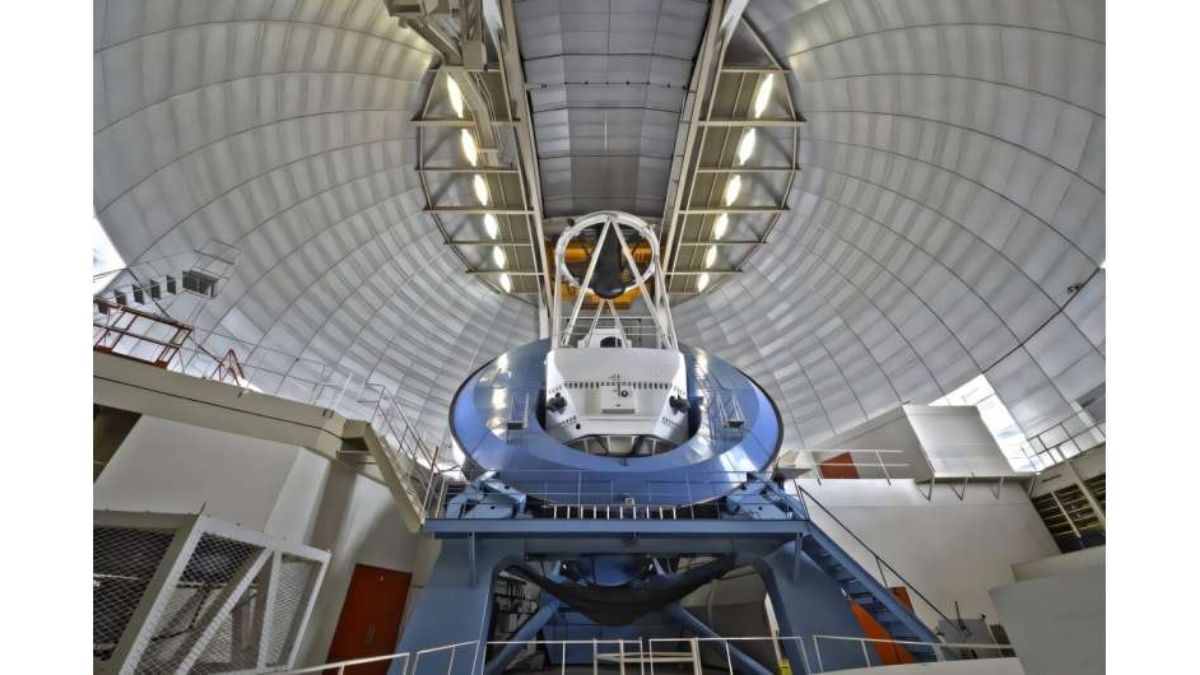
Astronomers from Yonsei University and DESI data analyses indicate dark energy, long believed constant, may be weakening. Corrected supernova results hint that cosmic acceleration is slowing—a possible “cosmic slowdown.” If true, this could help resolve the Hubble tension and redefine how the universe’s expansion and ultimate fate are under...

-
Alimony, Son's Health, Debt: What Drove Techie To Jump From Noida Highrise
The engineer had also recorded a video, in which he spoke about his distress over debt and held himself responsible for his decision, police said, adding that the man did not blame anyone.
-
Scientists Discover Unusual Changes In Exploded Stars In Nearby Galaxy
The research team found that about half of the 22 X-ray sources linked to supernova remnants changed significantly in brightness.
-
Astronomers Discover Why Massive Galaxies Died Early in the Universe
Astronomers have discovered a powerful galactic wind in the merging galaxy system CRISTAL-02. The outflow is removing star-forming gas faster than it can be replenished, providing the first direct evidence for a mechanism that may have shut down star formation in massive early galaxies.
-
Evidence In Antarctic Ice Suggests That Earth Passing Through Supernova Debris, Says Study
The researchers analysed 295 kilograms of ice extracted from the European Project for Ice Coring in Antarctica (EPICA).
-
NASA's X-Ray Mission Unveils Fresh Insights Into 2,000-Year-Old Supernova
In a recent study, the Imaging X-ray Polarimetry Explorer (IXPE) observed the supernova's outer region.
-
Astronomers Witness Rare Failed Supernova in Andromeda Galaxy
NASA’s NEOWISE infrared telescope has provided striking evidence that a massive star in the Andromeda galaxy collapsed directly into a black hole without exploding as a supernova. The star, M31-2014-DS1, faded dramatically in visible light while leaving a faint infrared glow from surrounding dust. Astronomers say this rare “failed supernova” ...
-
Astronomers Look to the Large Magellanic Cloud to Study How Stars Are Born
The Large Magellanic Cloud is a nearby dwarf galaxy glowing with star birth. Just 160,000 light-years away, it hosts vast nebulae like the Tarantula and historic events such as Supernova 1987A, offering astronomers a rare, close-up laboratory to study how stars form, evolve, and explode.
-
JWST Spots Most Distant Supernova Ever, From 730 Million Years After Big Bang
Scientists have confirmed the most distant supernova ever observed, exploding just 730 million years after the Big Bang. Detected through a powerful gamma-ray burst and later verified by the James Webb Space Telescope, the event offers a rare glimpse of the deaths of the universe’s first stars during the era of reionisation and challenges expecta...
-
Betelgeuse and the Crab Nebula Reveal Stellar Death and Rebirth in Multi-Telescope Views
Betelgeuse’s unusual dimming and the Crab Nebula’s remnants offer insight into stellar death and rebirth. Composite images from multiple telescopes show gas filaments and a neutron star, illustrating how massive stars explode, enrich space with heavy elements, and seed future star formation. These observations help scientists trace stellar life...
-
AIIMS-Led Trial Confirms Supernova Stents Safety And Efficacy For Stroke Patients
The Supernova Stent -- a new and advanced brain treatment device -- has been demonstrated to be safe and effective for stroke patients, said experts at AIIMS Delhi on Saturday, who led the first clinical trial.
-
AIIMS-Led Trial Confirms Supernova Stents Safety And Efficacy For Stroke Patients
The Supernova Stent -- a new and advanced brain treatment device -- has been demonstrated to be safe and effective for stroke patients, said experts at AIIMS Delhi on Saturday, who led the first clinical trial.
-
JWST Detects Oldest Supernova Ever Seen, Linked to GRB 250314A
Astronomers using the James Webb Space Telescope have detected the oldest supernova ever recorded, tied to gamma-ray burst GRB 250314A. Occurring when the universe was only 730 million years old, the explosion provides a rare glimpse into the first generations of stars and early galaxy growth, highlighting Webb’s unmatched ability to study the di...
-
Astronomers Capture First-Ever Early Snapshot of Supernova Shock Wave Using ESO’s VLT
Astronomers using ESO’s Very Large Telescope have captured a rare early look at supernova SN 2024ggi, just one day after its discovery. The blast shockwave appeared olive-shaped—not spherical—revealing surprising asymmetry in the explosion. Recorded with the FORS2 instrument, the data shows the shock-breakout phase in unprecedented detail. Th...
-
Supernova’s First Moments Show Olive-Shaped Blast in Groundbreaking Observations
Astronomers captured the first moments of a nearby supernova, revealing an asymmetric, olive-shaped blast. In massive stars, core collapse after fuel exhaustion creates a shock wave. Early observations of future supernova surveys will be able to sample diversity in stellar explosions as well as the properties of broad breaks due to asymmetric sho...
-
Is the Universe Slowing Down? Astronomers Detect Signs of Fading Dark Energy
Astronomers from Yonsei University and DESI data analyses indicate dark energy, long believed constant, may be weakening. Corrected supernova results hint that cosmic acceleration is slowing—a possible “cosmic slowdown.” If true, this could help resolve the Hubble tension and redefine how the universe’s expansion and ultimate fate are under...

