



Earth Mass Planet
-
{
- All
- News
- Videos
-

New Study Finds Earth And Mars May Have Formed From Similar Material
Earth's Composition Closely Matches Mars, Suggests New Study On Planet's Origins
-
Astronomers Measure Mass and Distance of a Rogue Planet for the First Time in History
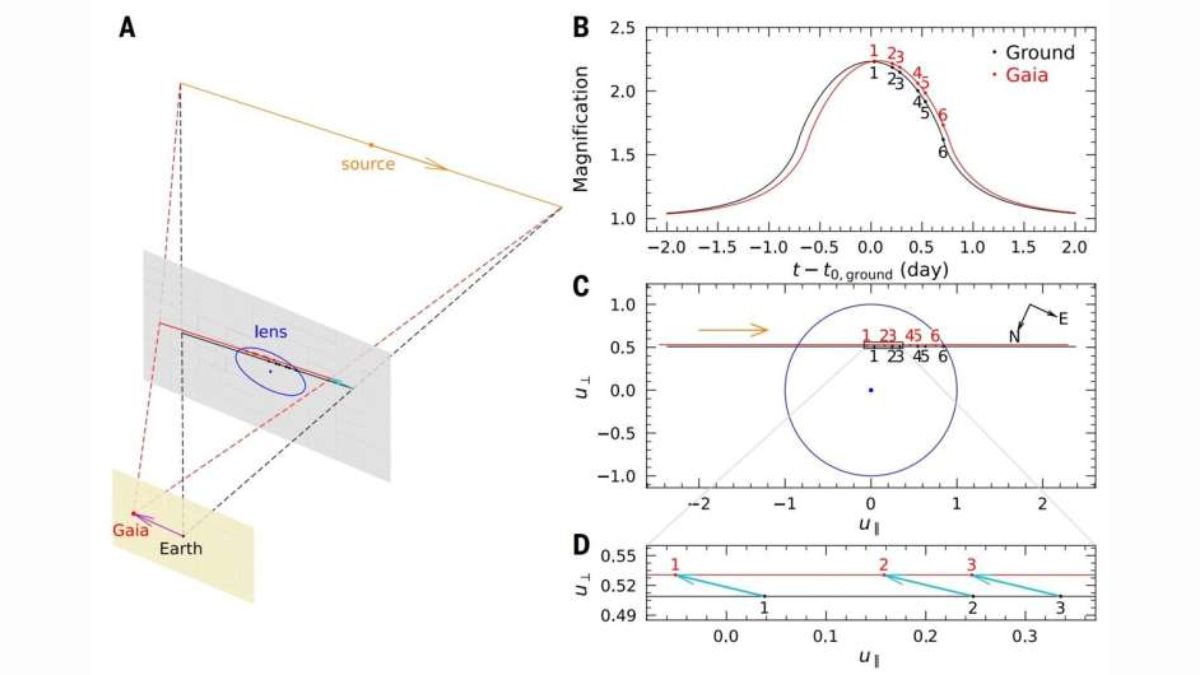
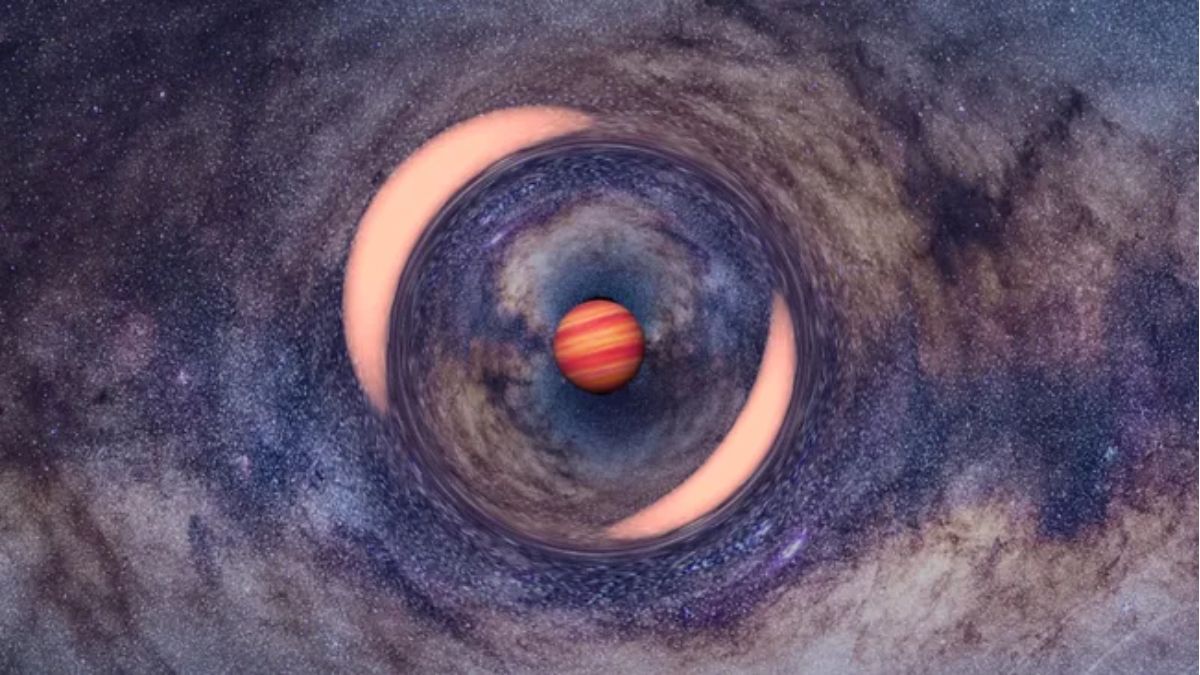
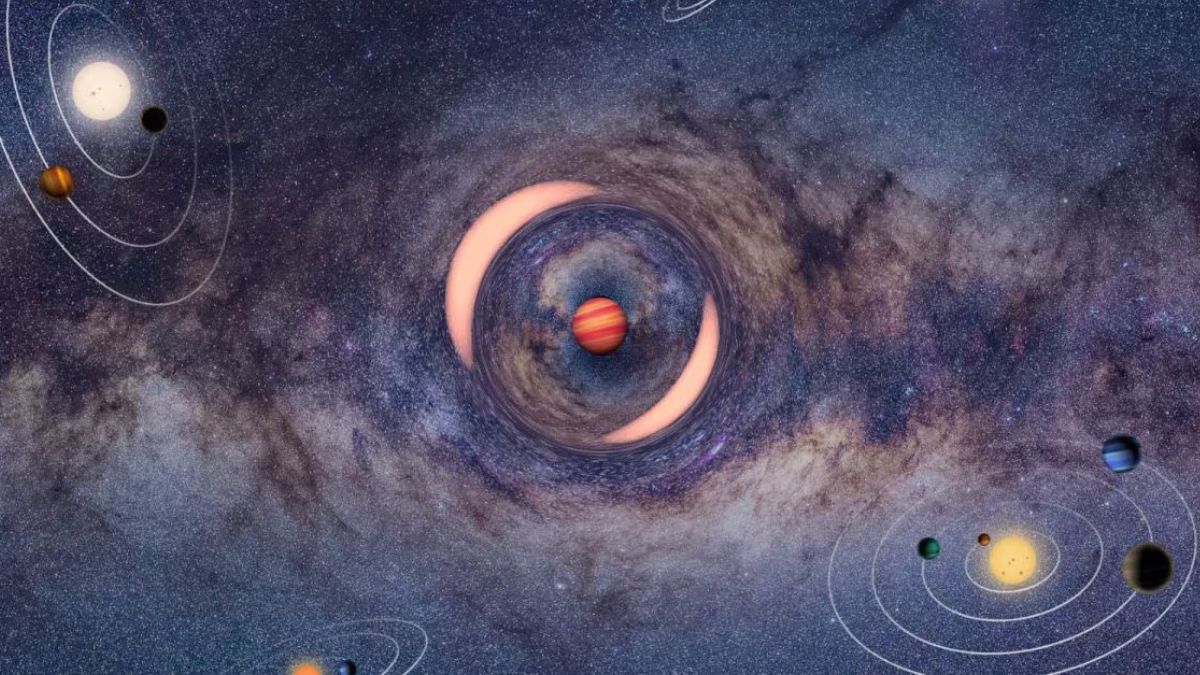
Astronomers have measured the mass and distance of a rogue planet for the first time. Using observations from Earth and the Gaia space telescope, the planet was found to be just under Saturn’s mass and about 10,000 light-years away. The study highlights how free-floating planets are ejected from star systems and improves understanding of planetar...
-
Astronomers Detect Rare Rogue Planet Drifting Alone 10,000 Light-Years from Earth
Astronomers have confirmed a rare rogue planet, drifting without a star nearly 10,000 light-years away. Using gravitational microlensing, their distance and mass were measured, suggesting that free-floating planets may be abundant across the Milky Way. Upcoming telescopes, including NASA’s Roman Space Telescope and China’s Earth 2.0 mission, ar...
-
Astronomers Successfully Weigh a Starless ‘Rogue Planet’ Drifting Through the Milky Way
Astronomers have precisely measured the mass of a rogue planet wandering through the Milky Way using a rare gravitational microlensing event. By combining observations from ground-based telescopes across three continents with data from ESA’s Gaia spacecraft, researchers determined the planet’s distance and found it to be about the mass of Satur...
-
Astronomers Discover A Rogue Planet With Saturn-Like Mass
Using observations from both ground-based telescopes and space instruments, they were able to measure the planet's size and distance from Earth.
-
New Study Challenges Long-Held Beliefs About Formation Of The Moon
According to researchers, the composition of a planet or celestial body holds the entire story of its formation and origin.
-
Possible 'Super-Earth' Discovered Just 20 Light-Years Away, Say Scientists
The rocky exoplanet is nearly four times Earth's mass and may offer new insights in the search for habitable worlds.
-
Newly Found ‘Super-Earth’ GJ 251 c Could Be One of the Most Promising Worlds for Alien Life
A new super-Earth, GJ 251 c, has been found orbiting a nearby red dwarf star within its habitable zone. About four times Earth’s mass, it may host liquid water. Detected via the radial-velocity method using Penn State’s Habitable Zone Planet Finder, it’s a prime target in the search for life.
-
NASA’s GRACE Satellites Reveal Hidden Deep-Earth Process Behind Gravity Disturbance
Scientists have discovered a mysterious gravity signal detected by satellites nearly 20 years ago, which is linked to deep mantle changes beneath the Earth’s surface. The anomaly, lasting two years, coincided with a magnetic “jerk”, suggesting a rapid mass shift near the planet’s core.
-
Exoplanet 35 Light-Years Away Offers Hope for Life Beyond Earth
The exoplanet has a minimum mass 2.8 times that of Earth and has been categorised as a super-Earth.
-
Doomed Exoplanet TOI-2109b Spirals Toward Its Star with Three Possible Fates
The gas giant TOI-2109b, over five times Jupiter’s mass, is spiraling closer to its star in a rare planetary death spiral. With a 16-hour orbit and blistering heat, the exoplanet could either plunge into its host star, be torn apart by tidal forces, or evolve into a rocky super-Earth through photoevaporation. NASA’s TESS and ESA’s Cheops data...
-
Chandra Spots Distant Baby Planet Losing Its Atmosphere Under Intense X-ray Assault
NASA’s Chandra X-ray Observatory has captured a rare glimpse of TOI 1227 b, a young, Jupiter-sized exoplanet losing its atmosphere under intense stellar radiation. Just 8 million years old, the planet is shrinking rapidly as X-rays strip away its mass. Scientists warn it may become a barren rocky core in about a billion years.
-
Discovery Of Small Star Giving Birth To Huge Planet Leaves Scientists Puzzled
TOI-6894 is roughly 240 light-years from Earth in the constellation Leo and is the smallest-known star to host a large planet.
-
Newly Confirmed Super-Earth HD 20794 d May Support Life in Habitable Zone
A super-Earth, HD 20794 d, has been confirmed within a habitable zone 20 light years from Earth. The planet, first detected in 2022, has a mass six times that of Earth and orbits a sun-like star. Although its elliptical orbit affects temperature stability, its potential to sustain liquid water makes it a key target for upcoming space missions. Scie...
-
NASA's TESS Discovers Fastest Disintegrating Planet Ever Seen: What You Need to Know
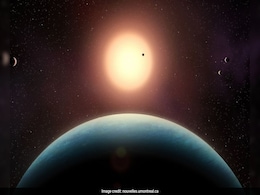
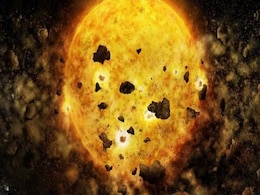
NASA’s TESS has observed the closest and fastest disintegrating planet, BD+05 4868 Ab, located 141 light-years away. The planet loses a moon’s mass every million years as it is bombarded by its host star. Scientists are examining its massive dust trails, offering rare insights into the composition of terrestrial exoplanets. Researchers from MIT...





-
New Study Finds Earth And Mars May Have Formed From Similar Material
Earth's Composition Closely Matches Mars, Suggests New Study On Planet's Origins
-
Astronomers Measure Mass and Distance of a Rogue Planet for the First Time in History
Astronomers have measured the mass and distance of a rogue planet for the first time. Using observations from Earth and the Gaia space telescope, the planet was found to be just under Saturn’s mass and about 10,000 light-years away. The study highlights how free-floating planets are ejected from star systems and improves understanding of planetar...
-
Astronomers Detect Rare Rogue Planet Drifting Alone 10,000 Light-Years from Earth
Astronomers have confirmed a rare rogue planet, drifting without a star nearly 10,000 light-years away. Using gravitational microlensing, their distance and mass were measured, suggesting that free-floating planets may be abundant across the Milky Way. Upcoming telescopes, including NASA’s Roman Space Telescope and China’s Earth 2.0 mission, ar...
-
Astronomers Successfully Weigh a Starless ‘Rogue Planet’ Drifting Through the Milky Way
Astronomers have precisely measured the mass of a rogue planet wandering through the Milky Way using a rare gravitational microlensing event. By combining observations from ground-based telescopes across three continents with data from ESA’s Gaia spacecraft, researchers determined the planet’s distance and found it to be about the mass of Satur...
-
Astronomers Discover A Rogue Planet With Saturn-Like Mass
Using observations from both ground-based telescopes and space instruments, they were able to measure the planet's size and distance from Earth.
-
New Study Challenges Long-Held Beliefs About Formation Of The Moon
According to researchers, the composition of a planet or celestial body holds the entire story of its formation and origin.
-
Possible 'Super-Earth' Discovered Just 20 Light-Years Away, Say Scientists
The rocky exoplanet is nearly four times Earth's mass and may offer new insights in the search for habitable worlds.
-
Newly Found ‘Super-Earth’ GJ 251 c Could Be One of the Most Promising Worlds for Alien Life
A new super-Earth, GJ 251 c, has been found orbiting a nearby red dwarf star within its habitable zone. About four times Earth’s mass, it may host liquid water. Detected via the radial-velocity method using Penn State’s Habitable Zone Planet Finder, it’s a prime target in the search for life.
-
NASA’s GRACE Satellites Reveal Hidden Deep-Earth Process Behind Gravity Disturbance
Scientists have discovered a mysterious gravity signal detected by satellites nearly 20 years ago, which is linked to deep mantle changes beneath the Earth’s surface. The anomaly, lasting two years, coincided with a magnetic “jerk”, suggesting a rapid mass shift near the planet’s core.
-
Exoplanet 35 Light-Years Away Offers Hope for Life Beyond Earth
The exoplanet has a minimum mass 2.8 times that of Earth and has been categorised as a super-Earth.
-
Doomed Exoplanet TOI-2109b Spirals Toward Its Star with Three Possible Fates
The gas giant TOI-2109b, over five times Jupiter’s mass, is spiraling closer to its star in a rare planetary death spiral. With a 16-hour orbit and blistering heat, the exoplanet could either plunge into its host star, be torn apart by tidal forces, or evolve into a rocky super-Earth through photoevaporation. NASA’s TESS and ESA’s Cheops data...
-
Chandra Spots Distant Baby Planet Losing Its Atmosphere Under Intense X-ray Assault
NASA’s Chandra X-ray Observatory has captured a rare glimpse of TOI 1227 b, a young, Jupiter-sized exoplanet losing its atmosphere under intense stellar radiation. Just 8 million years old, the planet is shrinking rapidly as X-rays strip away its mass. Scientists warn it may become a barren rocky core in about a billion years.
-
Discovery Of Small Star Giving Birth To Huge Planet Leaves Scientists Puzzled
TOI-6894 is roughly 240 light-years from Earth in the constellation Leo and is the smallest-known star to host a large planet.
-
Newly Confirmed Super-Earth HD 20794 d May Support Life in Habitable Zone
A super-Earth, HD 20794 d, has been confirmed within a habitable zone 20 light years from Earth. The planet, first detected in 2022, has a mass six times that of Earth and orbits a sun-like star. Although its elliptical orbit affects temperature stability, its potential to sustain liquid water makes it a key target for upcoming space missions. Scie...
-
NASA's TESS Discovers Fastest Disintegrating Planet Ever Seen: What You Need to Know
NASA’s TESS has observed the closest and fastest disintegrating planet, BD+05 4868 Ab, located 141 light-years away. The planet loses a moon’s mass every million years as it is bombarded by its host star. Scientists are examining its massive dust trails, offering rare insights into the composition of terrestrial exoplanets. Researchers from MIT...

