The origins of Porsche
Owning a Porsche sports car from the 1950s or early '60s — the model known as a 356 — represents a distinctive approach to collecting. Many of these charming coupes and convertibles still sell for reasonable prices (when an owner actually decides to part with one), despite a steady trend of rising values.
-
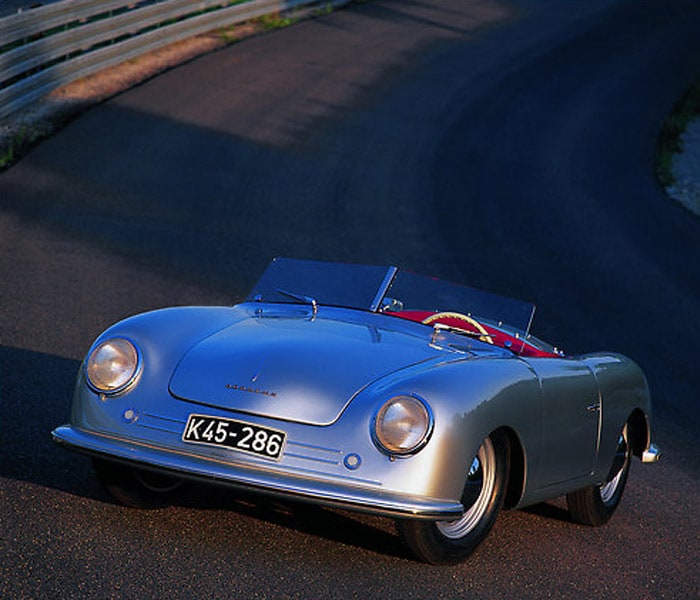 The origins of PorscheOwning a Porsche sports car from the 1950s or early '60s — the model known as a 356 — represents a distinctive approach to collecting.
Many of these charming coupes and convertibles still sell for reasonable prices (when an owner actually decides to part with one), despite a steady trend of rising values.
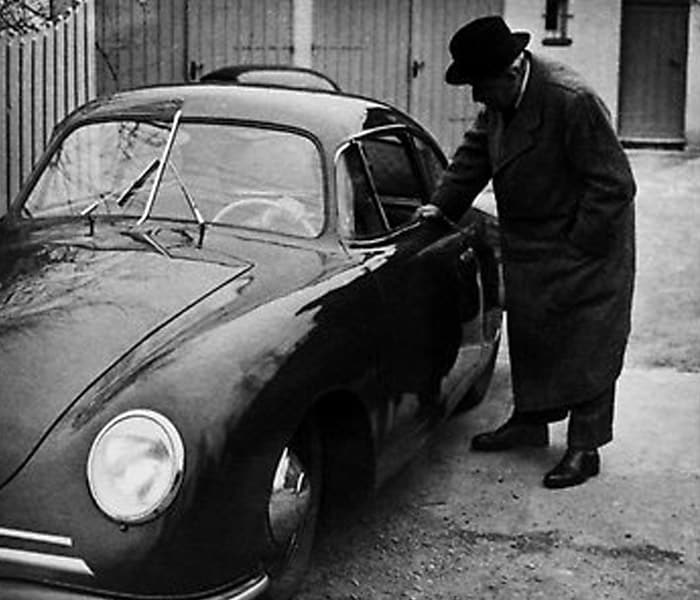
Porsche experts say that a drivable 356 can be found for less than $20,000, and one that looks and feels like new might go for $35,000 to $40,000. Left, Porsche No.1, a midengine prototype, which predated the production 356. (NYT Photo) -
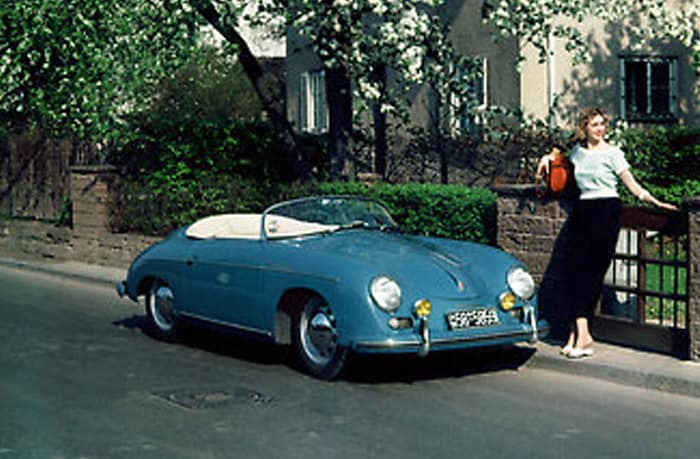
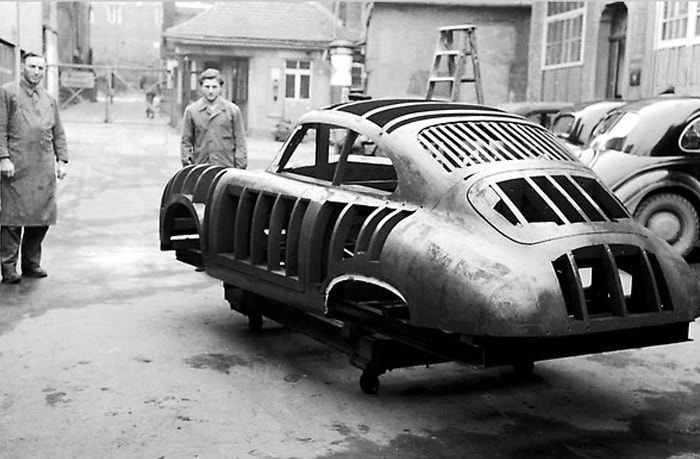 The origins of PorscheAfter hand-building a run of aluminum-body 356 prototypes at its wartime haven in Gmünd, Austria, the Porsche engineering company moved back to Stuttgart, an industrial city in southwest Germany, and in 1950 set up a corporation to make steel-body sports cars for sale to the public. At left, a wooden styling buck at the Reutters coachbuilding works in Stuttgart, where the 356 body was made. (NYT Photo)
 -
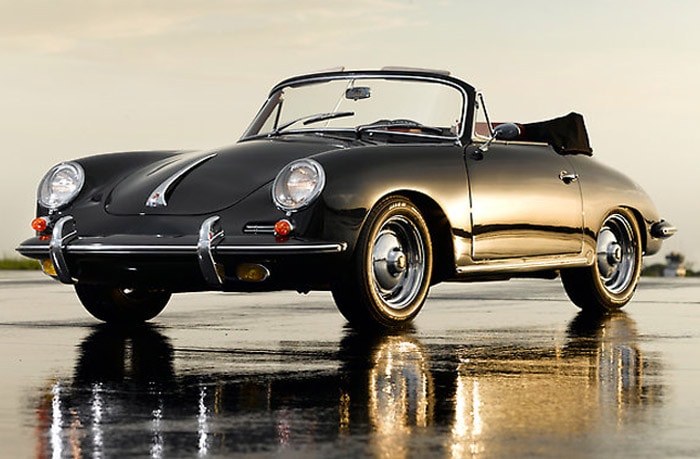
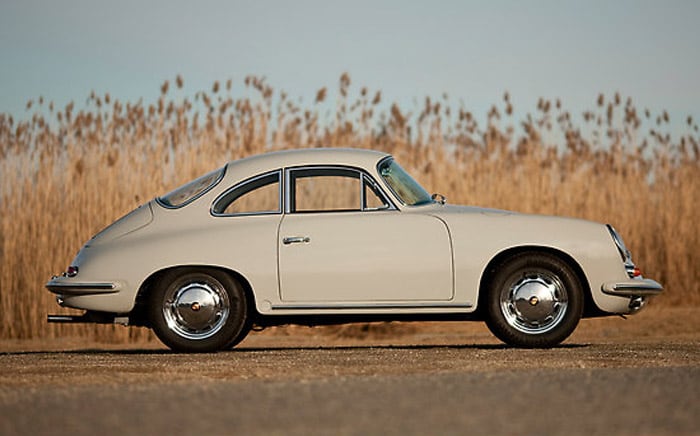
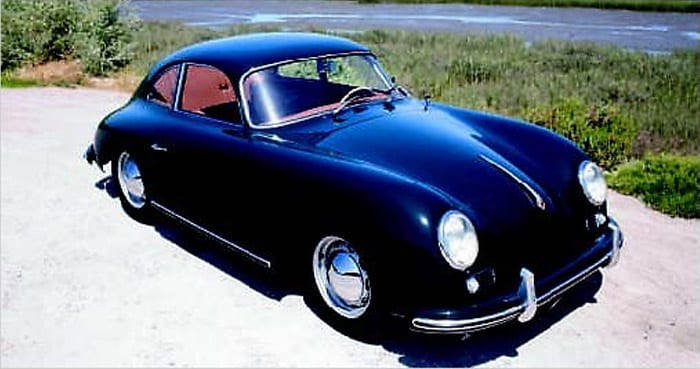 The origins of PorscheUtterly dependable unless they have been severely neglected, the Porsches that preceded today's 911 model are straightforward designs that a competent home mechanic can readily maintain. Left, a 1956 Porsche 356 A coupe. (NYT Photo)
 -
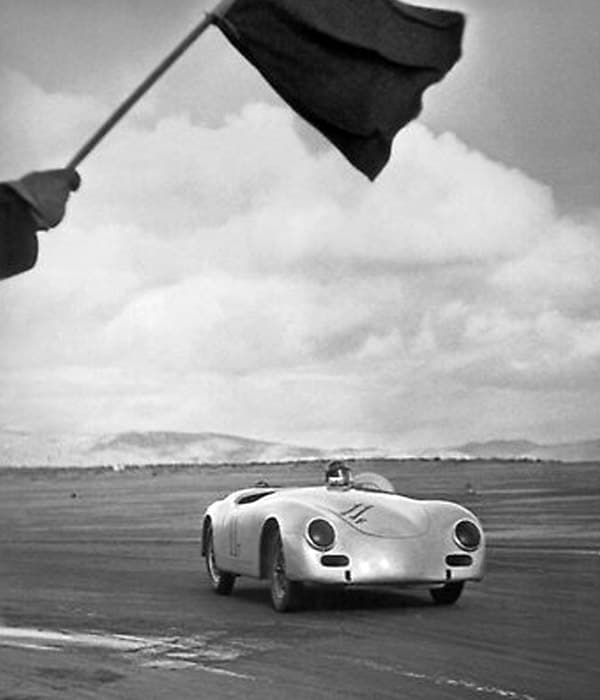
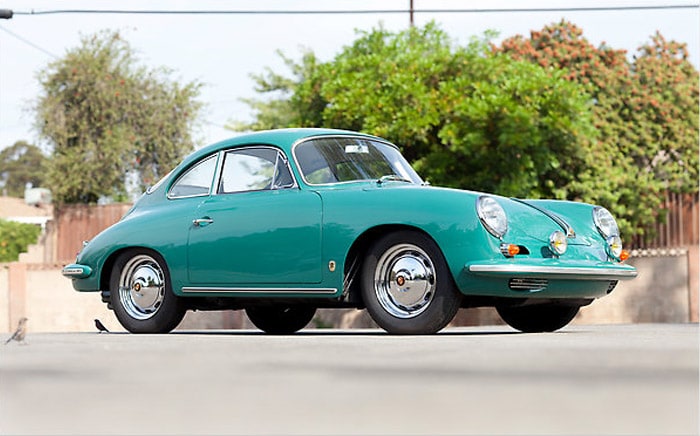 The origins of PorscheEspecially for American drivers used to the sound of a V-8, the Porsche did look, feel and sound as if it were from another world, but like the Beetle, the performance and feel of the 356 was compelling. Even at a time of 20-cents-a-gallon fuel, getting more than 30 miles per gallon was a welcome bonus. (NYT Photo)
 -
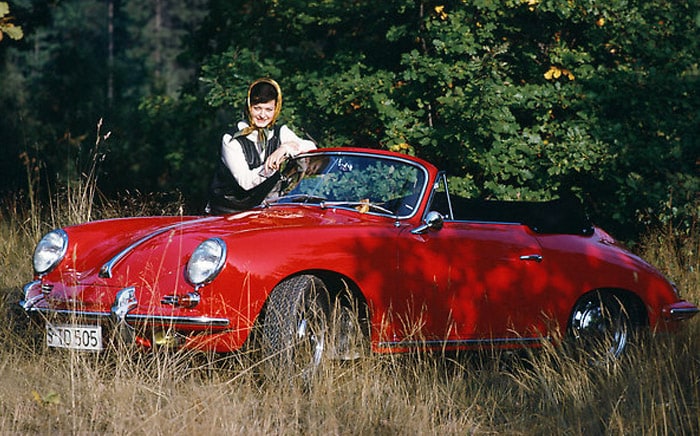 The origins of PorscheThe popularity of the 356 has attracted good suppliers who make the quality repair parts no longer available from the original manufacturer. The spike in prices at collector-car auctions in recent years has made authenticity and faithful restorations an increasingly important component of values, but making a vintage Porsche as good as the day it drove out of the factory is also increasingly expensive. (NYT Photo)