
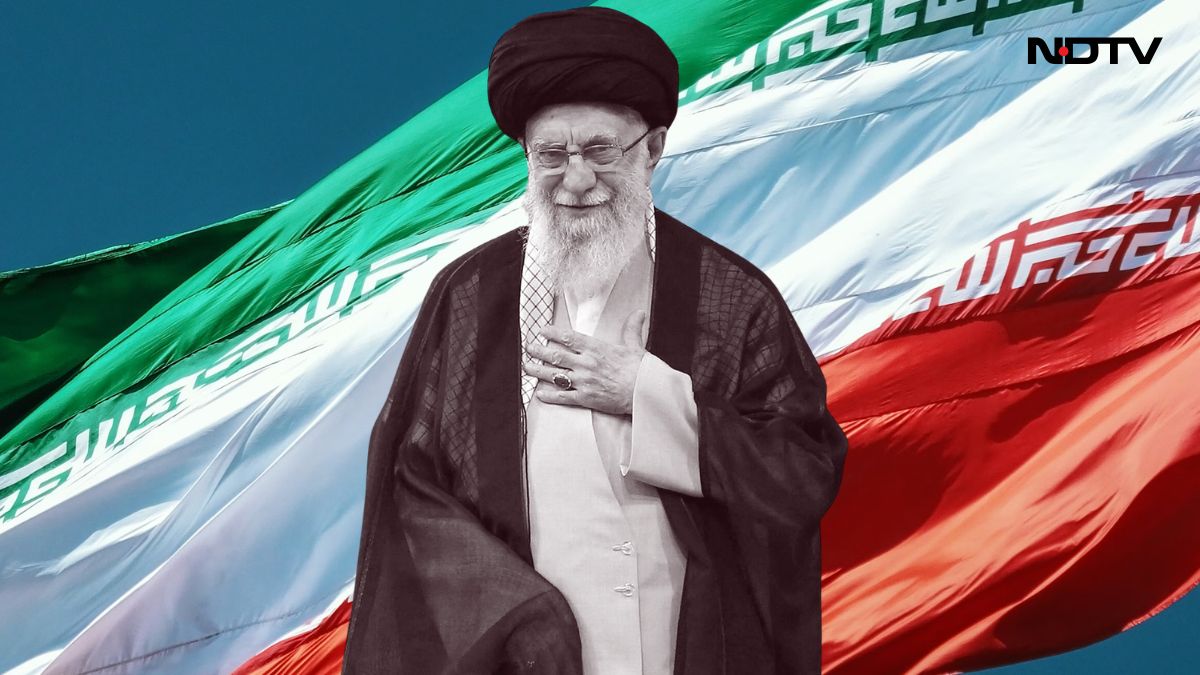
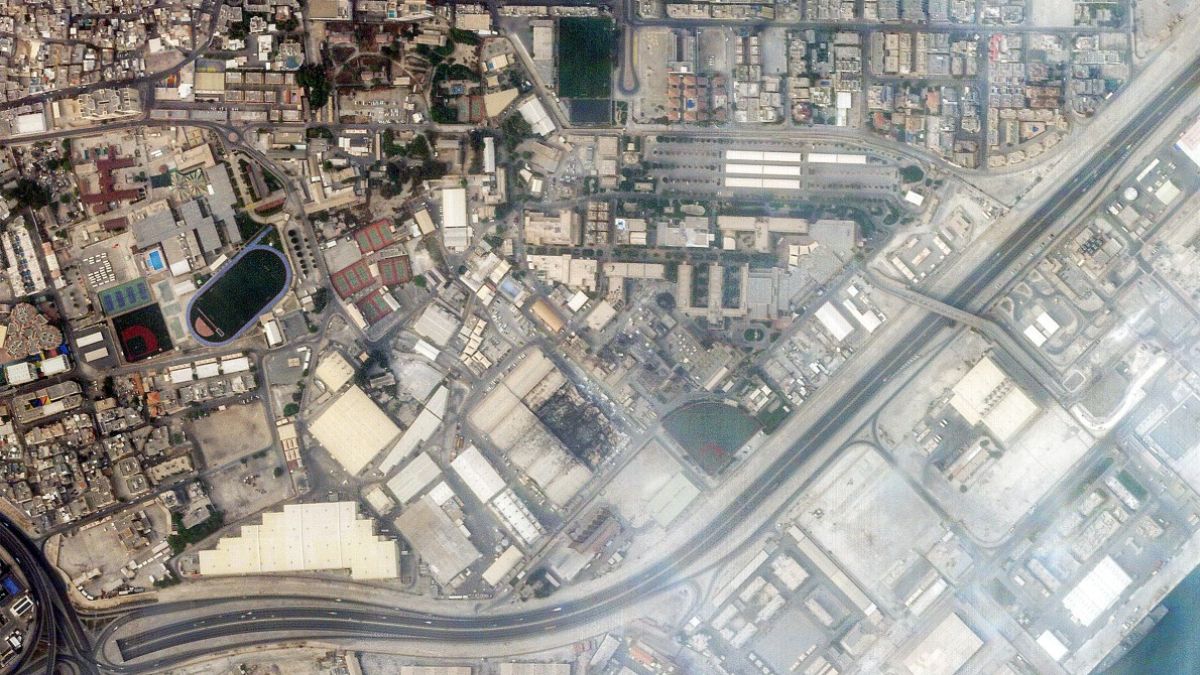


In 2019, I was on a reporting assignment to Kargil, which was my first visit to the place. I knew the town was Shia majority, but I wasn't ready for what I saw outside the city centre mosque. There were larger-than-life cutouts of Iran's Supreme Leader, Ayatollah Ali Khamenei, who was killed on February 28 in Israeli-American air strikes on his office complex in Tehran. Back then, I was so struck by the cutouts that I wondered if I had gotten it wrong. Maybe it wasn't Khamenei at all, maybe it was someone else, I wondered.
A few men in Iranian-style black headgear stood outside the mosque, perhaps preparing for afternoon prayers. I walked up and asked if those were indeed cutouts of Ali Khamenei. They confirmed it. So I asked the obvious question: why would his image be displayed here, in faraway Kargil? They answered almost in unison. Khamenei was their number one spiritual leader, the global temporal head of all Shias. A couple of years later, I happened to visit Lucknow and went to the iconic Bada Imambara. Once again, the walls were covered with photos and cutouts of the same man.
Protesters mourn the death of Khamenei in Hyderabad, India (AFP)
Cut to today. Outside the Iran Cultural Centre in Delhi, hundreds of mourners from across India have gathered, wearing black badges, visibly in mourning. Social media is flooded with videos of people marching through the main roads of Srinagar, grief across their faces. In India's western neighbourhood, we have seen videos of at least eight mourners killed after security forces opened fire on pro-Iran protesters outside the US Consulate in Karachi. The violence erupted following the assassination of Khamenei in the US-Israeli strikes.
Shias and Sunnis
The Muslim world is divided broadly between the majority Sunni and minority Shia. Outside Iran, which is almost entirely Shia, the largest Shia population lives in the Indian subcontinent. Shias have lived peacefully in India and are treated like any other community, though they have often been subjected to violence by Sunni groups in Pakistan.
But when it comes to the Ayatollah, both Shias and Sunnis revere him in nearly equal measure. And when it comes to his killing at the hands of Israel and the US, the majority in both communities will express their grief and solidarity in one voice. Some Shia and Sunni friends sent me messages yesterday saying it was "one of the worst days of their life".
Of course, there are reports from within Iran, reported by Western media, of celebrations over the news of Khamenei's death. And if you are looking at him from the Trumpian lens, he was, as the President said, "one of the most evil people in history".
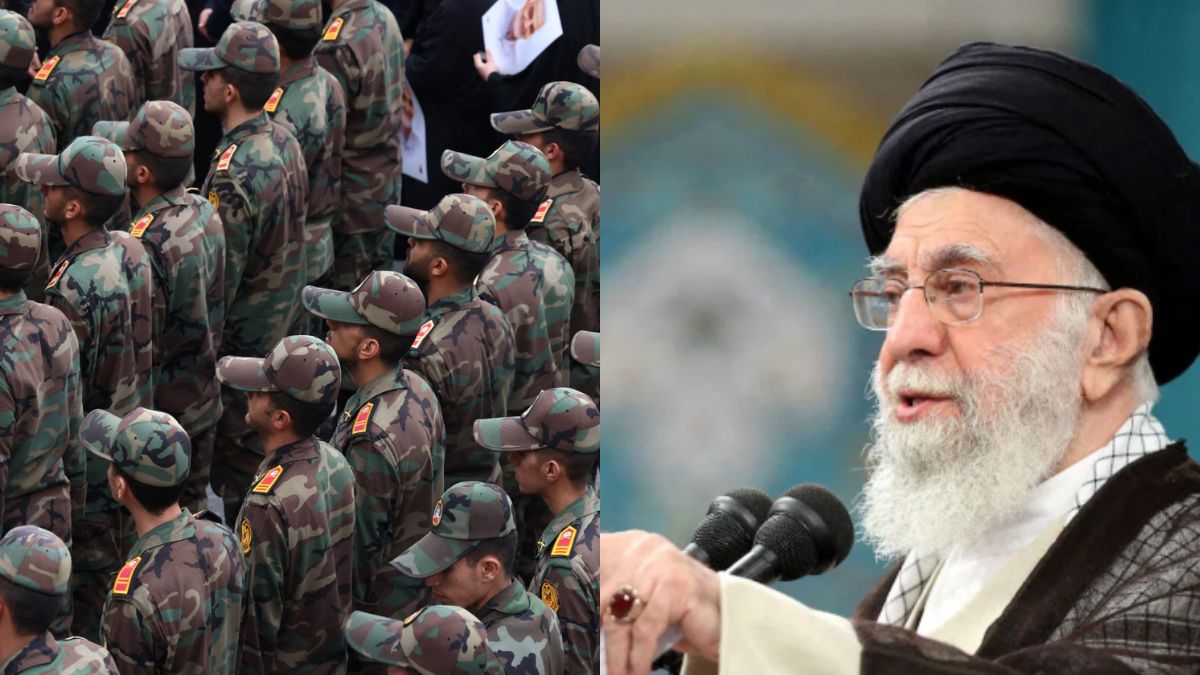
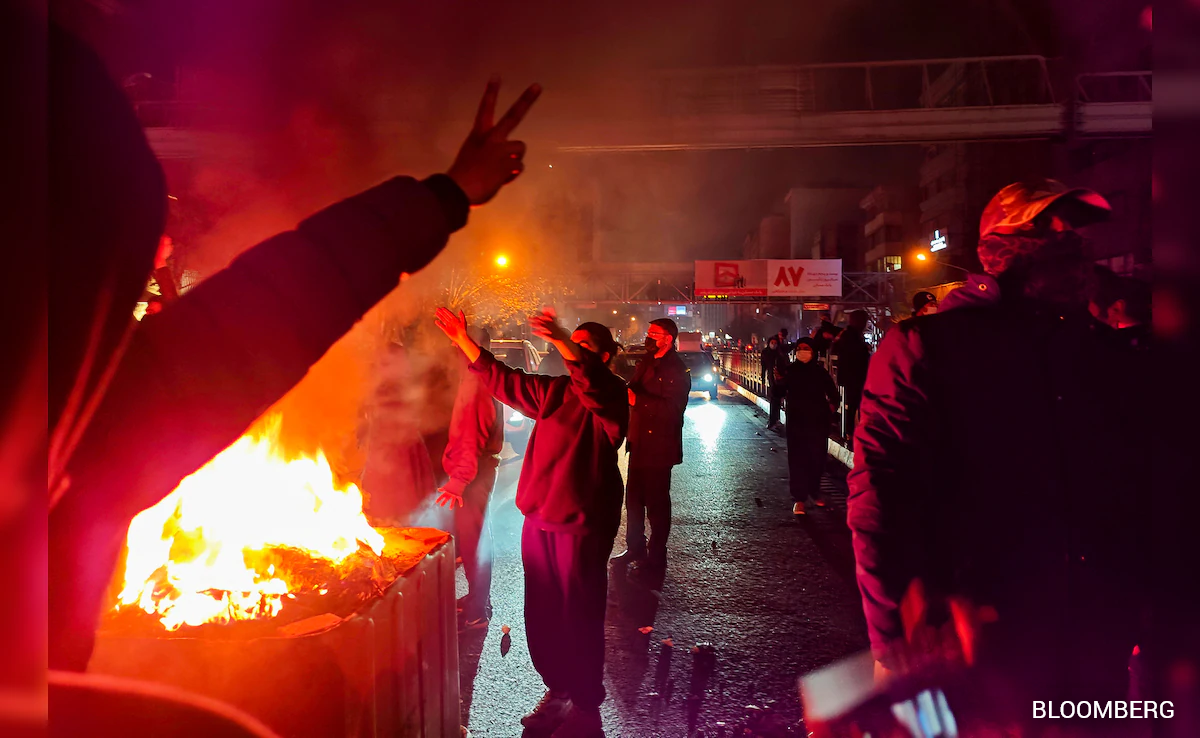
Instead, however, we have witnessed lakhs of people take to the streets of Tehran, mourning the assassination of their beloved spiritual figurehead.
Moreover, the Iranian state has for decades projected the Supreme Leader as the protector of the revolution and of national independence. So, a violent death at the hands of an external enemy would fuse nationalism, religion and resistance into a single, powerful narrative. Rival factions within the establishment would be forced to close ranks and public anger would shift away from domestic grievances towards the outside attacker. In other words, instead of weakening the system, such a strike has perhaps given it a new emotional legitimacy and a harder, more uncompromising leadership. It is the exact opposite of what the US and Israel intended.
More importantly, the Iranian system was designed to survive exactly such a scenario: the constitution mandates an interim leadership council and a rapid selection by the Assembly of Experts, ensuring continuity rather than collapse. The expected outcome was the appointment of Ayatollah Alireza Arafi, the 62-year-old cleric who runs Iran's main religious seminaries, as the religious member of a temporary three-person Leadership Council. He will share this interim authority with President Masoud Pezeshkian and Chief Justice Gholamhossein Mohseni Ejei, and together they will carry out the Supreme Leader's powers only until the Assembly of Experts chooses a permanent successor. This does not automatically make Arafi the next Supreme Leader. It simply places him in a caretaker role for now. In Iran's system, even holding the rank of Ayatollah does not guarantee political power or the top post, because many senior clerics have religious status without being part of the leadership structure.
Arafi Is No 'Friend'
If Arafi succeeds Khamenei, we must know that he is, if anything, not a moderate face who will open Iran to the West. He is a system insider and belongs to a younger generation than Khamenei. But his views are firmly conservative and he is deeply connected to the institutions that produce Iran's religious leadership and work closely with the Revolutionary Guards. He is not known for fiery speeches, yet he is exactly the kind of figure the establishment trusts to keep the present structure intact.
This is why the assumption in Washington, that military pressure will create space for reformists, is misplaced. When a country is under attack, it does not move towards liberalisation. Instead, it closes ranks and empowers its hardest, most security-minded leadership. A succession that takes place under bombardment will almost certainly strengthen the very forces the US and Israel want to weaken. In trying to force regime change, external pressure ends up producing a more rigid and more defiant Iran. Not a friendlier one.
(Syed Zubair Ahmed is a London-based senior Indian journalist with three decades of experience with the Western media)
Disclaimer: These are the personal opinions of the author


