








- Home Minister Amit Shah predicted BJP governments in Anga, Banga, and Kalinga soon
- BJP aims to control eastern India from Bihar to West Bengal to Odisha
- BJP is on course to win the Assembly elections in West Bengal
"I see a tsunami this time."
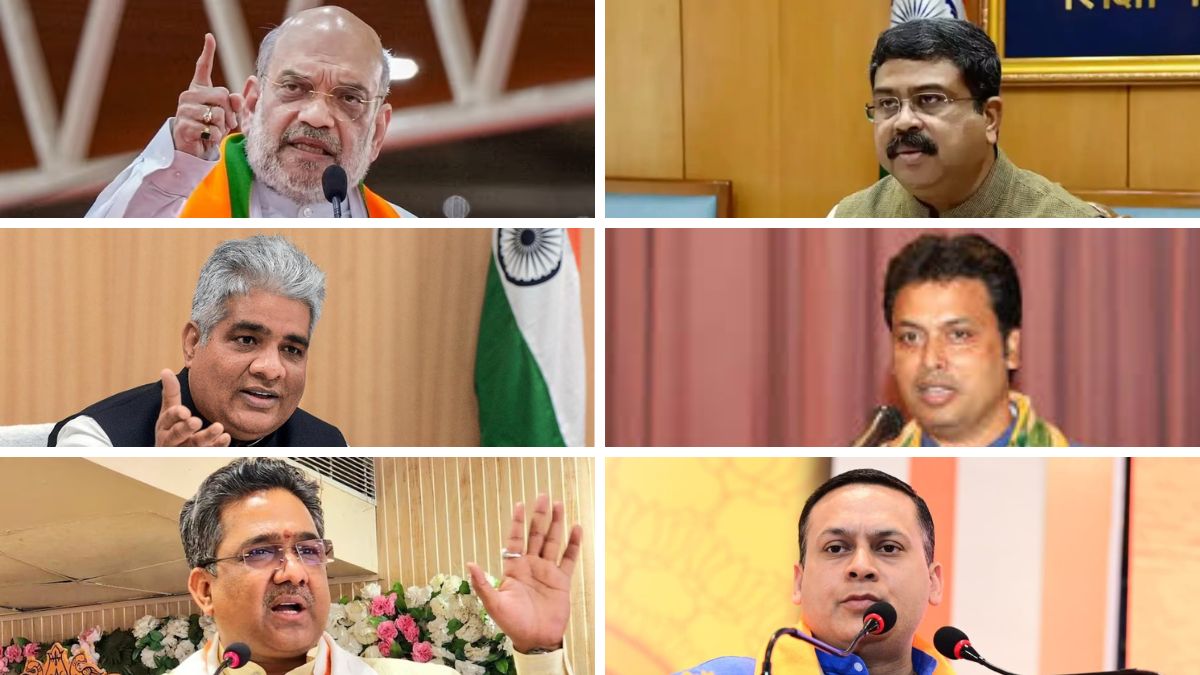
Ten days before the counting of votes in West Bengal began, Home Minister Amit Shah, addressing a press conference in Kolkata, confidently declared that 'Anga, Banga and Kalinga' will have BJP governments soon. With Bengal set for a historic mandate that will see the Mamata Banerjee-led Trinamool Congress relinquish power after ruling for three terms, the three ancient kingdoms are effectively conquered.
For the BJP, what is unfolding is the completion of a political corridor across the eastern flank of the country from Bihar to West Bengal to Odisha.
Bihar, or ancient Anga, had long been a state that produced caste-driven coalition politics. Odisha, or Kalinga, had remained under the unbroken dominance of regional leader Naveen Patnaik for nearly a quarter of a century. Bengal, or Banga, remained perhaps the most ideologically resistant frontier of all, where regional identity had repeatedly held off the BJP advance. If Bengal now falls, as the numbers increasingly suggest, then the BJP will have accomplished something it has spent over a decade building towards - absolute control of eastern India.
The Historical Kingdoms
Anga, the oldest among the three kingdoms, corresponds to the political heartland of modern Bihar. In the Mahabharata, it was the kingdom gifted by Duryodhana to Karna. Historically, Anga became part of the core from which the Mauryan empire rose, contributing to some of the subcontinent's earliest political structures. Bihar, in that sense, has always been central to India's political imagination.
Banga was the eastern kingdom, where the Ganga dissolves into a thousand channels before entering the Bay of Bengal. Modern Bengal inherited that tradition and transformed it into intellectual power during colonial rule. It produced the Bengali Renaissance, fuelled anti-colonial politics, and remained the intellectual engine of modern India for much of the nineteenth and twentieth centuries.
Kalinga, on the other hand, is remembered through conquest and consequence. The war Ashoka fought against Kalinga remains one of the defining political and moral episodes of Indian history. Its bloodshed transformed an emperor and redirected an empire's trajectory. Modern Odisha inherited that instinct as for 24 continuous years, under Naveen Patnaik and the Biju Janata Dal (BJD), Odisha resisted both the BJP and the Congress.
The Conquest
The NDA swept 202 of Bihar's 243 assembly seats, reducing the opposition Mahagathbandhan to just 35 in the 2025 Assembly elections. Tejashwi Yadav's Rashtriya Janata Dal (RJD) had emerged as the single largest party with 75 seats, coming within touching distance of power and creating the impression that Bihar was moving towards a post-Nitish Kumar political era. Instead, that momentum collapsed. The RJD was down to 25 seats, the Congress to six and the Left parties reduced to fragments.
The BJP won 89 seats, the JDU 85, Chirag Paswan's Lok Janshakti Party (Ram Vilas) secured 19, Jitan Ram Manjhi's Hindustani Awam Morcha won five, and Upendra Kushwaha's Rashtriya Lok Morcha four.
Another interesting sublot in Bihar was Prashant Kishor's Jan Suraaj Party, projected by many as a disruptive force, which collapsed almost completely.
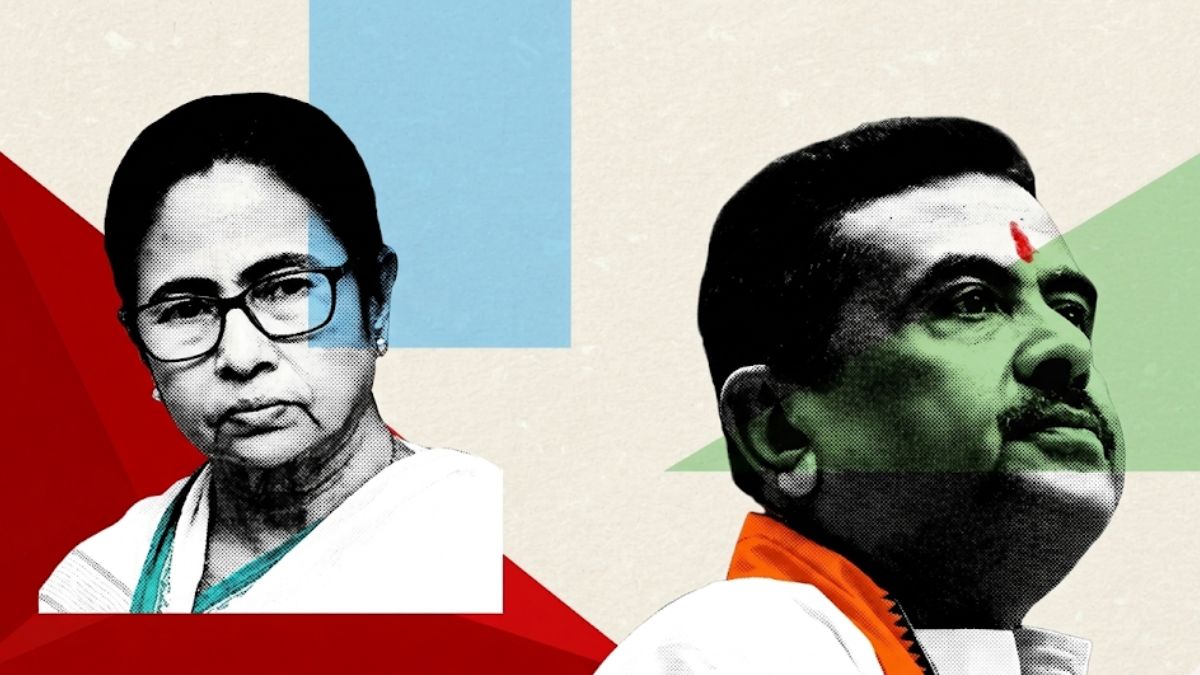
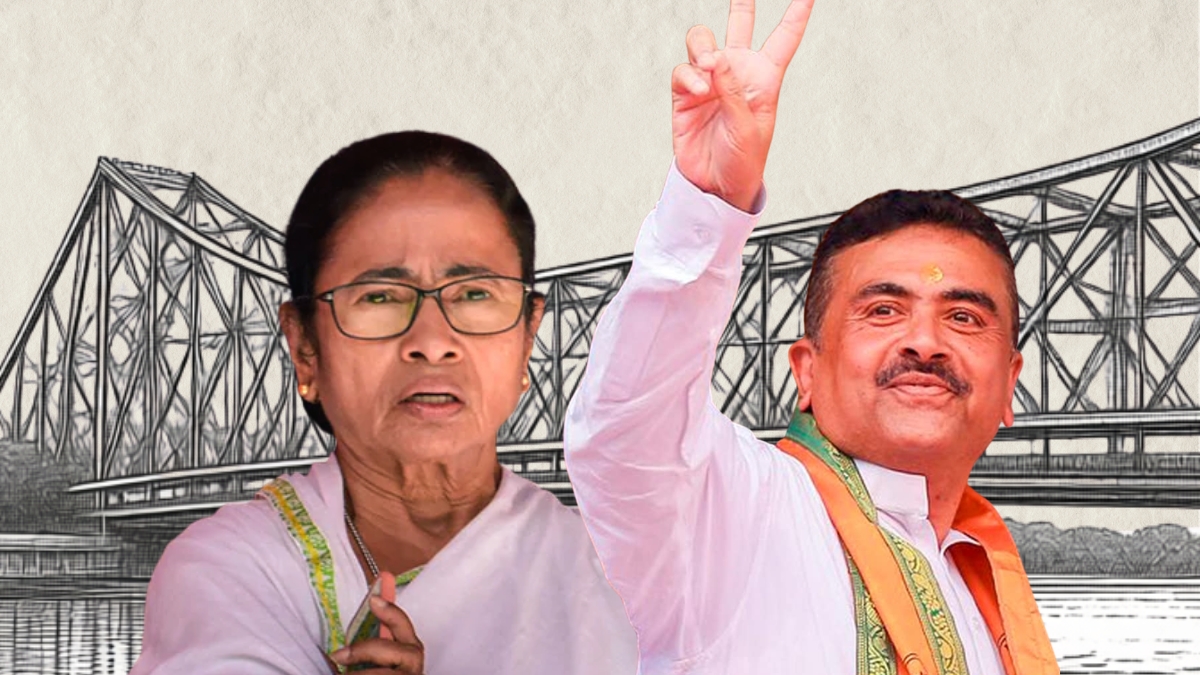
Bengal was always the ultimate litmus test for the BJP. It was the one frontier where the BJP's rise remained incomplete. The party had expanded sharply here in the last decade, emerging as the principal opposition, but power remained elusive. Monday's counting suggests that the barrier may have broken. According to Election Commission figures, the BJP has over 206 seats in the state. Chief Minister Mamata Banerjee, who had claimed in March that she would win her Bhabanipur constituency, even if by a single vote, lost her seat to the BJP's Suvendu Adhikari by 15,105 votes.
Finally, Odisha delivered Kalinga in dramatic fashion. For years, the BJP in Odisha was dismissed as organisationally weak, mocked even as a "signboard party". In 2024, that perception collapsed as the BJP won 78 of Odisha's 147 assembly seats, ending the 24-year rule of Naveen Patnaik and pushing the BJD down to 51. Congress improved to 14 seats, CPI(M) took one, and independents three. But the deeper shock came in the Lok Sabha contest, where the BJD, once electorally dominant, failed to win a single parliamentary seat. The BJP surged to 20. Congress got one.


