Story Behind Satluj: Revisiting Jaswant Singh Khalra Case And A Wife's Decades-Long Fight
Jaswant Singh Khalra exposed and documented illegal cremations and enforced disappearances during Punjab's militancy years at the hands of the Punjab Police.
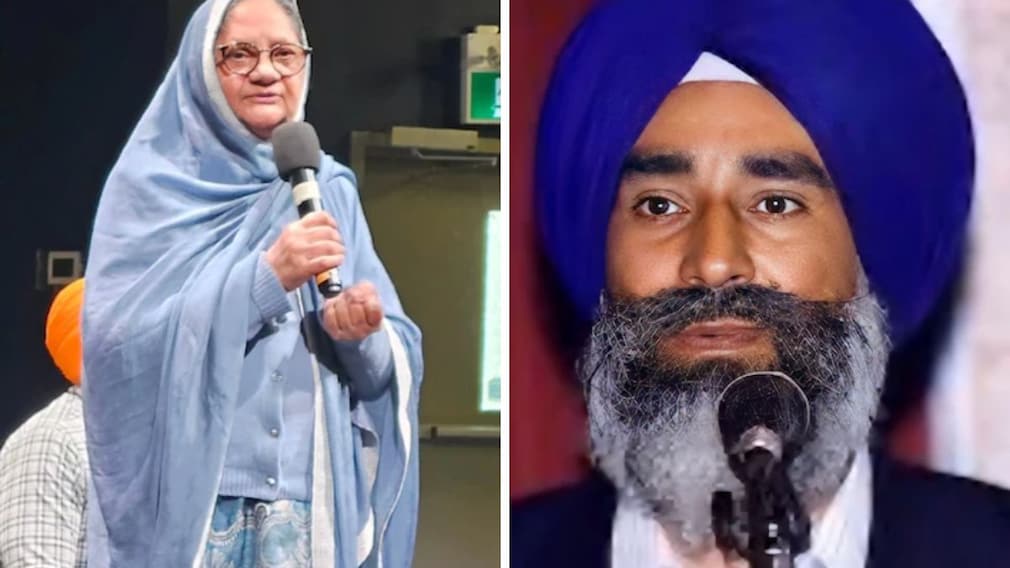
On September 6, 1995, human rights activist Jaswant Singh Khalra was washing his car outside his home at around 9.20 am in Kabir Park, Amritsar, when he was abducted by the Punjab Police. He was never seen again.
Jaswant Singh Khalra exposed and documented illegal cremations and enforced disappearances during Punjab's militancy years at the hands of the Punjab Police.
Since 1995, his wife, Paramjit Kaur Khalra, has ensured that her husband's work and sacrifice are not erased from public memory. She then began a decades-long fight to seek justice for her husband.
The latest controversy surrounding the Diljit Dosanjh-starrer Satluj- inspired from Khalra's story-has once again placed that struggle at the centre of national attention.
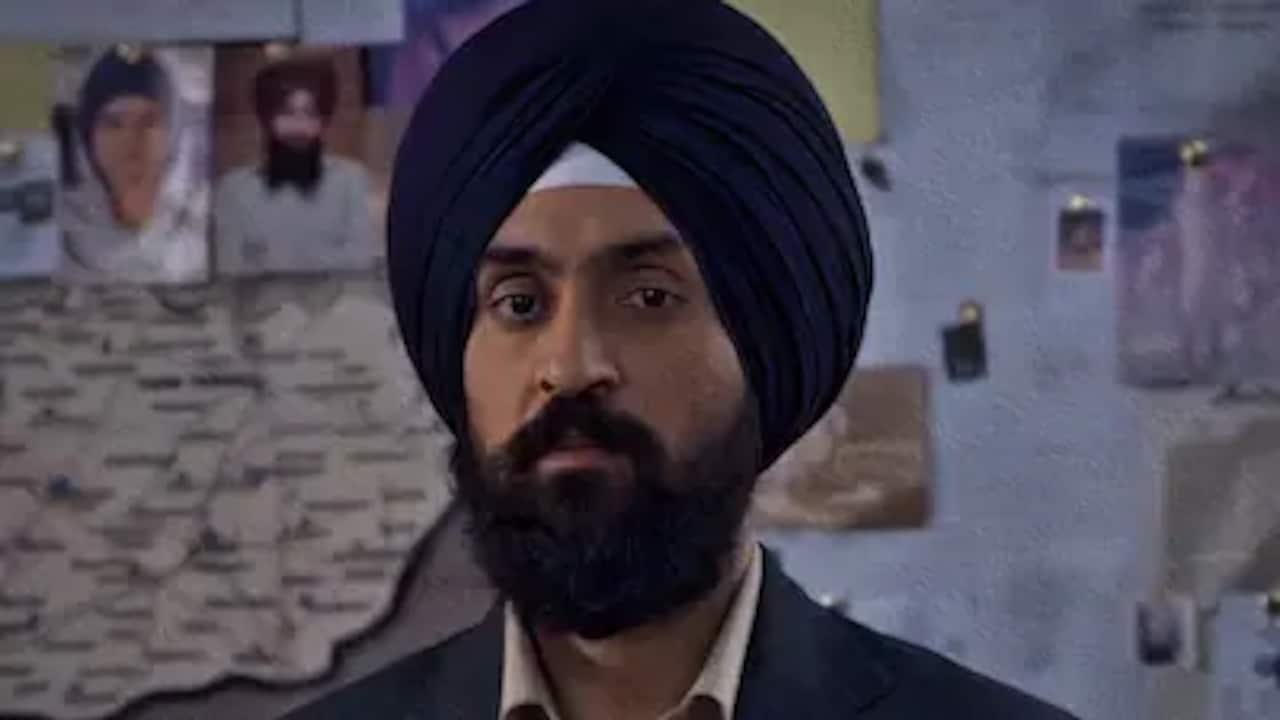
Diljit Dosanjh in the movie Satluj as Jaswant Singh Khalra.
Even after finally reaching viewers following years of legal and certification hurdles on July 3, the film has been removed from OTT platform Zee5. The removal marks yet another chapter in the turbulent journey of a film that was completed in 2022, remained entangled in a prolonged certification battle, missed its scheduled premiere at the Toronto International Film Festival in 2023 and was eventually released in its original, uncut form under a new title.
Here's a look back at the legal battle that followed the disappearance of Khalra.
A Telegram That Reached The Supreme Court
In September 1995, a message arrived not at the Supreme Court registry, but at the residence office of a judge Justice Kuldip Singh. Sent by Gurcharan Singh Tohra, then a senior Shiromani Akali Dal leader, the telegram carried a grave allegation: human rights activist Jaswant Singh Khalra had been kidnapped by the Punjab Police.
The urgency of the claim prompted an extraordinary judicial response.
On September 11, 1995, the Supreme Court treated the telegram itself as a habeas corpus petition, directing the Punjab Home Secretary, the Director General of Police and the Senior Superintendent of Police, Amritsar, to respond within a week. The court also ordered that notices be served immediately through telex, telephone and fax, underscoring the seriousness of the allegations.
Around the same time, Khalra's wife, Paramjit Kaur, also moved the Supreme Court under Article 32 of the Constitution, seeking a writ of habeas corpus and demanding that her husband be produced before the court.
According to her petition, Khalra was abducted in broad daylight on September 6, 1995, outside his home in Kabir Park, Amritsar, and later murdered.
The petition alleged that around 9.20 am, while Khalra was washing his car outside his residence, a sky-blue Maruti van stopped near him. Four armed men in police uniforms, wearing black patkas and carrying automatic weapons, allegedly emerged from the vehicle, overpowered him despite his protests and forced him into the van.
The petition further claimed that the men communicated over walkie-talkies, informing a superior officer that Khalra had been taken into custody and that the "mission" had been accomplished.
Following closely behind, it alleged, was a police Gypsy carrying several armed personnel and a senior officer, apparently providing cover to the van as it drove away.
The alleged abduction, the petition said, unfolded in full public view in a busy residential neighbourhood.
One of the key witnesses named in the petition was Rajeev Singh, who was said to have seen the incident from close range. According to the filing, he attempted to intervene but was pushed aside. He allegedly overheard the walkie-talkie conversation and noted down the registration number of the Maruti van.
The petition also claimed that several neighbours witnessed the incident, as it occurred during the morning rush when residents were leaving for work.
Supreme Court Intervention
In Khalra's case, the Supreme Court directed the CBI to complete the investigation within three months.
On 30 July 1996, the CBI presented its investigation report to the Supreme Court identifying nine Punjab police officials as responsible for the abduction of Jaswant Singh Khalra and recommended their prosecution.
It also found evidence that Jaswant Singh Khalra had been held at the Kang Police Station in Tarn Taran district after police picked him up but that he had been moved from there on 24 October 1995 after which time his whereabouts were unknown.
In 1996, the Supreme Court also expanded the scope of the case beyond the abduction of Jaswant Singh Khalra.
The top court took up another issue arising from a January 16, 1995, press note issued by the Human Rights Wing of the Shiromani Akali Dal.
Signed by Khalra and JS Dhillon, the note alleged that a large number of people had been illegally cremated by Punjab Police after being labelled as "unidentified".
Calling the allegations "horrifying" and warning that even partial verification would reveal "a gory tale of human rights violations", the Supreme Court ordered the Central Bureau of Investigation (CBI) to conduct a high-powered probe.
The CBI's final report, submitted in December 1996, found that 585 bodies had been fully identified, 274 partially identified and 1,238 remained unidentified.
Observing that the findings disclosed "flagrant violation of human rights on a mass scale", the court directed the CBI to continue investigating and registering criminal cases where necessary, while referring the broader issue to the National Human Rights Commission (NHRC).
It also asked the Commission to examine claims for compensation for the families of the identified victims, making any compensation awarded by the NHRC binding and enforceable.
Conviction Of Punjab Police Officers In Khalra's Case
16 years after disappearance and murder of human rights activist Jaswant Singh Khalra, the Supreme Court in November 2011 upheld the life imprisonment awarded to five Punjab Police officers in this case.
The five police officers, including a then head constable, three sub-inspectors and a deputy superintendent of police (DSP) were handed a life term by the Punjab and Haryana High Court in 2007.
A division bench of the High Court, on October 16, 2007, had increased the term from seven years, awarded by a lower Punjab court, to life imprisonment.
A Patiala Court in Punjab had awarded seven years imprisonment to the five police officers holding them guilty of murdering Khalra.
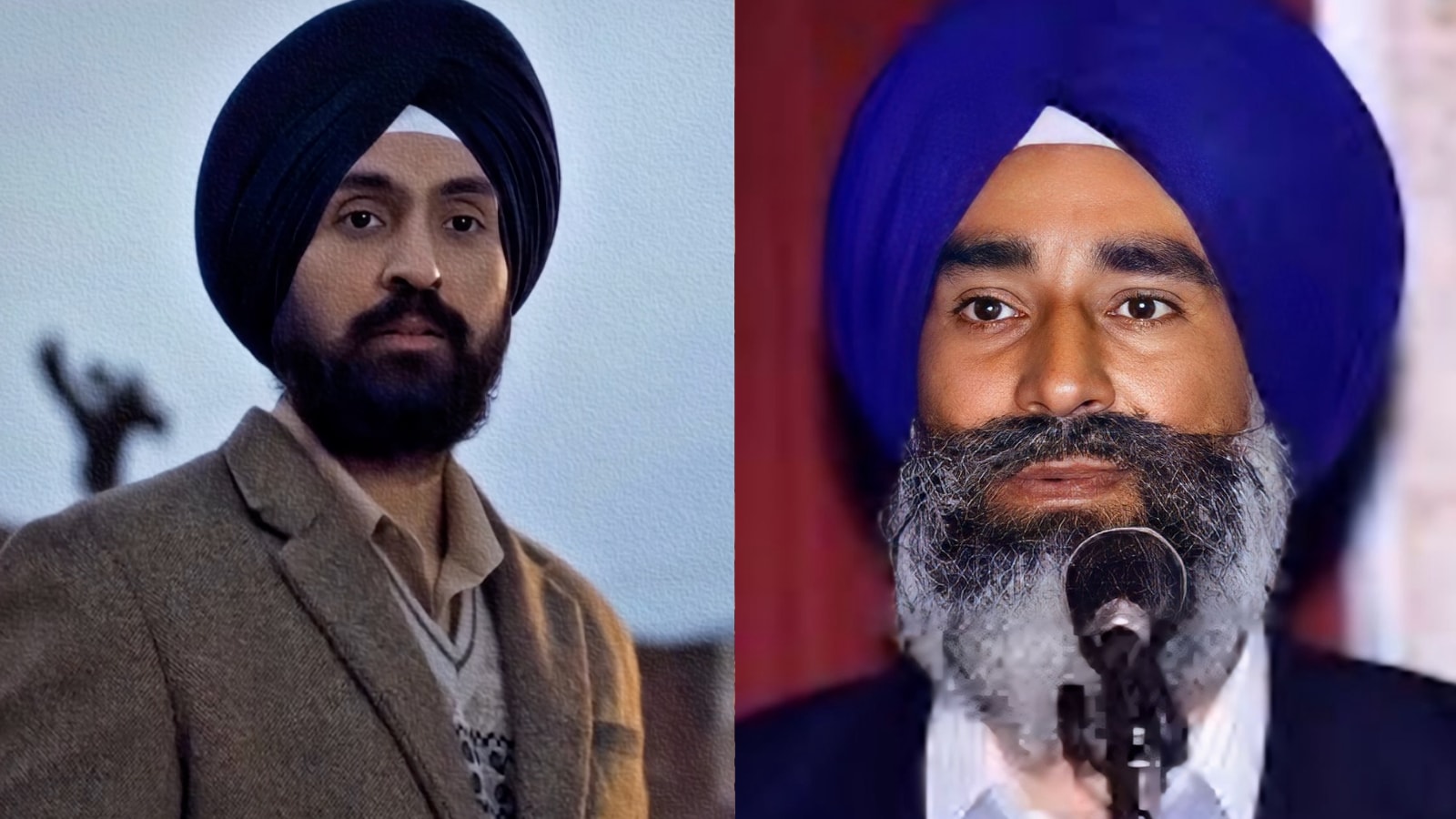
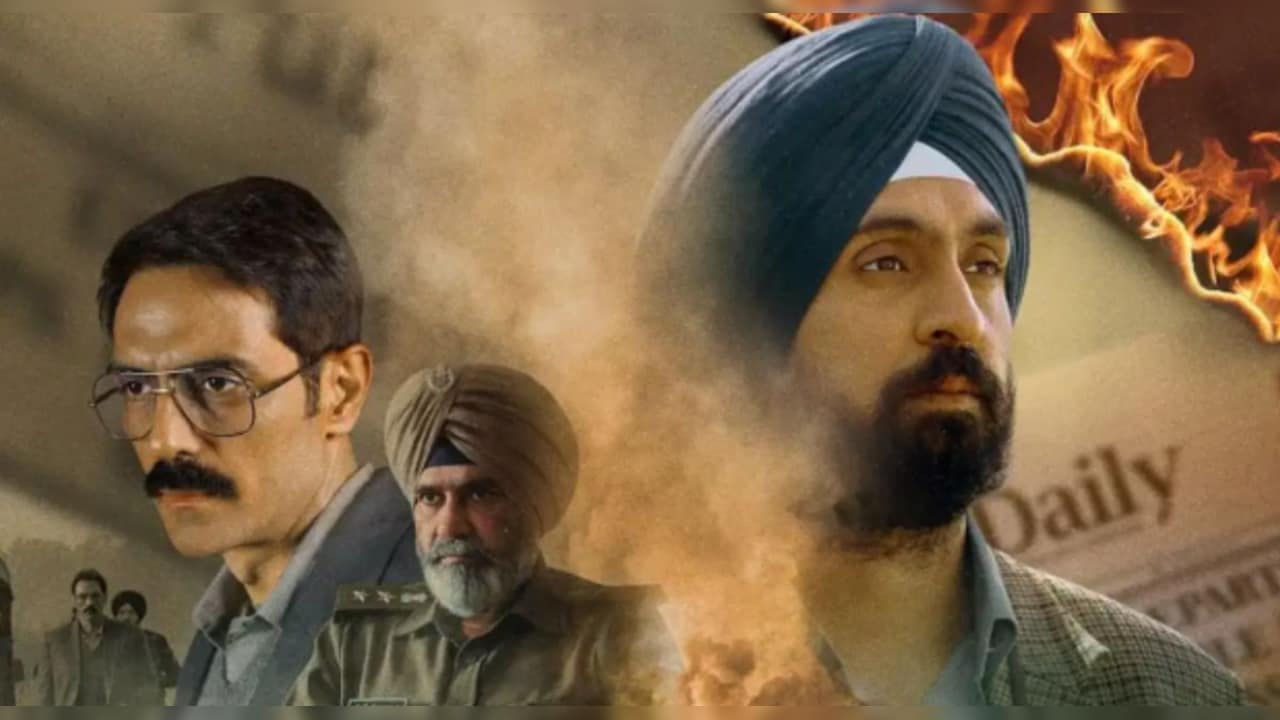
In the movie Satluj, Diljit Singh Dosanjh plays the role of Jaswant Singh Khalra.
Aggrieved, the five had challenged the sentence in High Court which further increased the sentence to life.
The accused then challenged the decision at the Supreme Court.
A division bench of the Supreme Court comprising Justice P Sathasivam and Justice BS Chauhan refused to set aside the High Court's decision and upheld the life imprisonment awarded to them.
Appearing on behalf of the Central Bureau of Investigation (CBI), Additional Solicitor General of India Mohan Jain had famously argued that such cases challenge the faith of the common man in the state's law enforcement agencies and thus it was the duty of the courts to put a firm foot down and set an example to reaffirm that dwindling faith.
-
Opinion | 'Sterilise Foreign Women', And Other American Fantasies About Citizenship

Many commentators view the current debate as another chapter in Donald Trump's political story. That explanation is incomplete.
-
AI Behaved Well Until Scientists Made It Think Nobody Was Watching
Anthropic researchers found Claude was more willing to resort to blackmail in a simulated test after they removed its internal awareness that it was being evaluated.
-
Opinion | Vladimir Putin Hasn't Looked This Desperate In Over 25 Years
As the Russian position weakens, there is possibility of a coup against Putin, for whom just too many things have gone wrong in the last four years.
-
Can A Transition To Electric Vehicles Solve Delhi's Air Pollution?
Delhi EV policy: From 1 April 2028, only new electric two-wheelers will be registered in Delhi.
-
Biggest Hamas Decision In 20 Years Leaves One Critical Question Unanswered
For almost 20 years Hamas has combined armed resistance with day-to-day administration in the Gaza Strip. It has operated ministries, schools, municipal services and health institutions while simultaneously maintaining an armed organisation.
-
A Rs 7,000-Crore Push: Not Just Devotees, Investors Are Heading To Vrindavan Too
Taken together, initiatives place Vrindavan region close to the Rs 7,000 crore mark in planned and executing infrastructure signals.
-
Opinion | The Story Of Congress And Its Never-Ending Obsession With 'Committees'
The present-day Congress works on a mantra that says loud and clear - when in doubt, set up a committee.Whether they achieve anything is another matter.
-
Opinion | How Texas Became Hub Of A Terror-Link Kashmiri Outfit's Activities
Across the state, a collection of terror networks and their Islamist partners are using US politicians, institutions and nonprofit infrastructure to advance violent, radical ambitions.
-
Opinion | Pak Needs To Understand: Its Indus Treaty 'Threats' To India Are Fooling No One
Pakistan's hysterics and fits haven't impressed India, much less make her re-consider her stand on the treaty. If Islamabad is trying to threaten its way to water, it is already failing.
-
Opinion | Punjab 2027: Why Cash Transfers Alone May Not Be Enough for AAP
Punjab's voters have a history and a habit of doing things different from voters in the Hindi heartland. It is possible that they may react differently to the cash transfer scheme as well.n