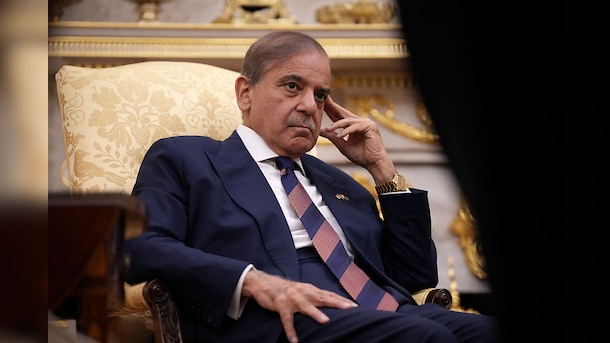
Younger Brother Or Frankenstein's Monster? Delhi-Dhaka 54 Years On
Bangladesh's streets are echoing with anti-India slogans, protests are being held outside high commissions and Delhi and Dhaka ties are at an all-time low.
In October 2019, Bangladesh Prime Minister Sheikh Hasina was speaking at a gathering of the India-Bangladesh business forum in New Delhi when she referred to India's decision to ban the export of onions after a delayed monsoon hit supplies. "It has become difficult for us to get onions. I don't know why you stopped the supply. I've told my cook to make food without onions," Hasina said with a smile.
The remark made headlines because this was a rare occasion when Bangladesh, then India's trusted ally, had flagged a move of the Centre, even if it was done with a smile.
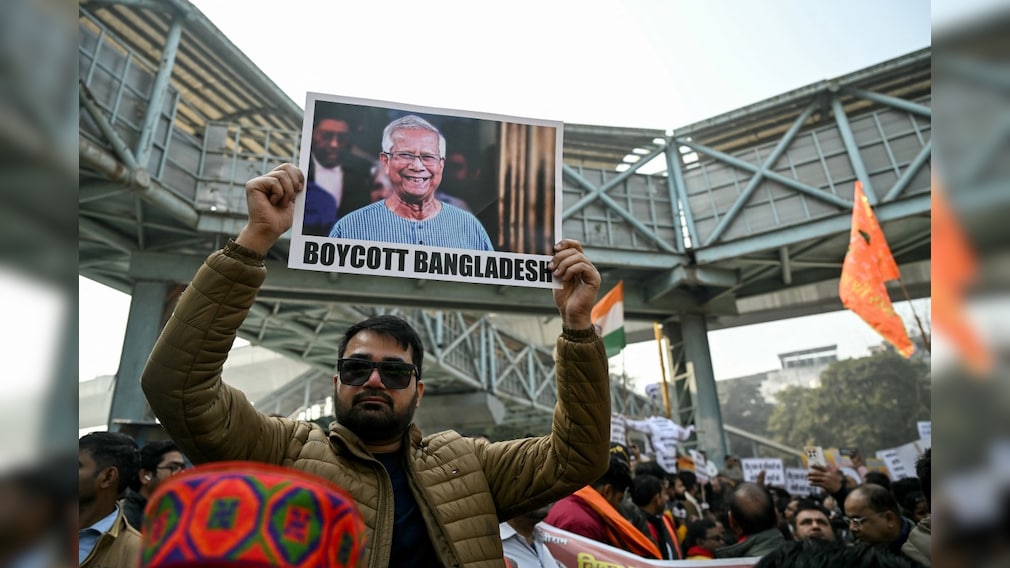
Cut to 2025. Bangladesh's streets are echoing with anti-India slogans, protests are being held outside high commissions of India and Bangladesh, envoys are being summoned, and Delhi and Dhaka ties are at an all-time low.
READ: Barricades Breached At Bangladesh Embassy In Delhi Over Hindu Man's Lynching
The Indira Gandhi government had backed East Pakistan's freedom fighters in their struggle against the West Pakistan military rulers, leading to the birth of Bangladesh in 1971. In the decades after the liberation of Bangladesh, Delhi remained Dhaka's steadfast ally. These ties got a boost during the Prime Ministership of Hasina, who took refuge in India after her father and Bangladesh's founding President, Sheikh Mujibur Rahman, and his family members were killed in a midnight coup.
And then, a protest against the job quota for the family members of freedom fighters snowballed into a nationwide movement against the Hasina-led Awami League regime, forcing her to resign in August last year and flee to India, her second exile 49 years after the first.
An interim government led by Nobel laureate Muhammad Yunus took over, and in the 16 months since, Bangladesh has gone from being India's all-weather ally to a hostile neighbour, making many in India wonder if the once-close ally is actually a Frankenstein's monster that now threatens Hindu minorities and India's strategic interests by moving close to India's adversaries. Frankenstein's monster is a metaphor used to refer to a creation that turns on its creator.
The 1971 Liberation
At the time of Partition in 1947, the modern-day Bangladesh was part of Pakistan. East and West Pakistan were inherently different in terms of language and culture. Over time, these differences grew into major faultlines.
In 1970, Pakistan was under the military rule of Yahya Khan when the Awami League, then led by Mujibur Rahman, scored a massive win. Yahya Khan and PPP's Zulfiqar Ali Bhutto did not want an East Pakistan party in the government. This led to unrest in the East. Yahya Khan tried to crush the mutiny, leading to a full-scale civil war.
READ: Story Of 2 Decembers: 2025 Feels Different From 1971 For India, Bangladesh
India had several reasons to back the freedom fighters. The unrest in Bangladesh was pushing millions of refugees across the border. Also, backing Bangladesh's freedom struggle was critical to weakening Pakistan, India's persistent adversary.
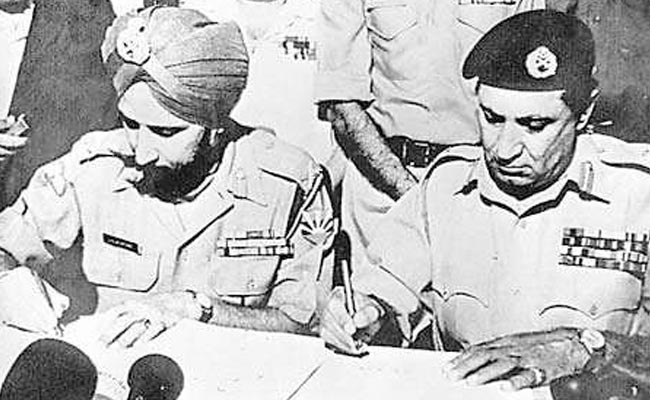
The Indira Gandhi government backed Bangladesh's freedom fighters - called mukti joddhas, prompting Islamabad to begin a war in which it suffered a crushing defeat. Bangladesh was born.

Delhi-Dhaka Bonhomie
The years following Bangladesh's liberation saw Dhaka becoming a close partner of New Delhi. This relationship particularly bloomed during Sheikh Hasina's Prime Ministership, thanks to her personal relations with Indian leaders. Awami League's arch rival Bangladesh Nationalist Party, led by Khaleda Zia, was considered anti-India. But Khaleda Zia's visit to India after becoming Prime Minister was seen as a big step and emphasised the strong relations between the two countries.
The past 15 years, during which Hasina was in power, Delhi and Dhaka expanded ties in every sector, including trade, defence, connectivity and water sharing.
Hasina repeatedly referred to India as Bangladesh's "closest friend" and "most trusted partner".
READ: "Can't Demand My Return For Political Assassination": Sheikh Hasina
Now in exile in India, she has reiterated that India has been Bangladesh's "most steadfast friend" and a "partner for decades". Alleging that strain in ties is entirely Yunus' making, she has said Delhi-Dhaka ties are "deep and fundamental" and "will outlast any temporary government".
The 2024 Uprising, And Frosty Ties
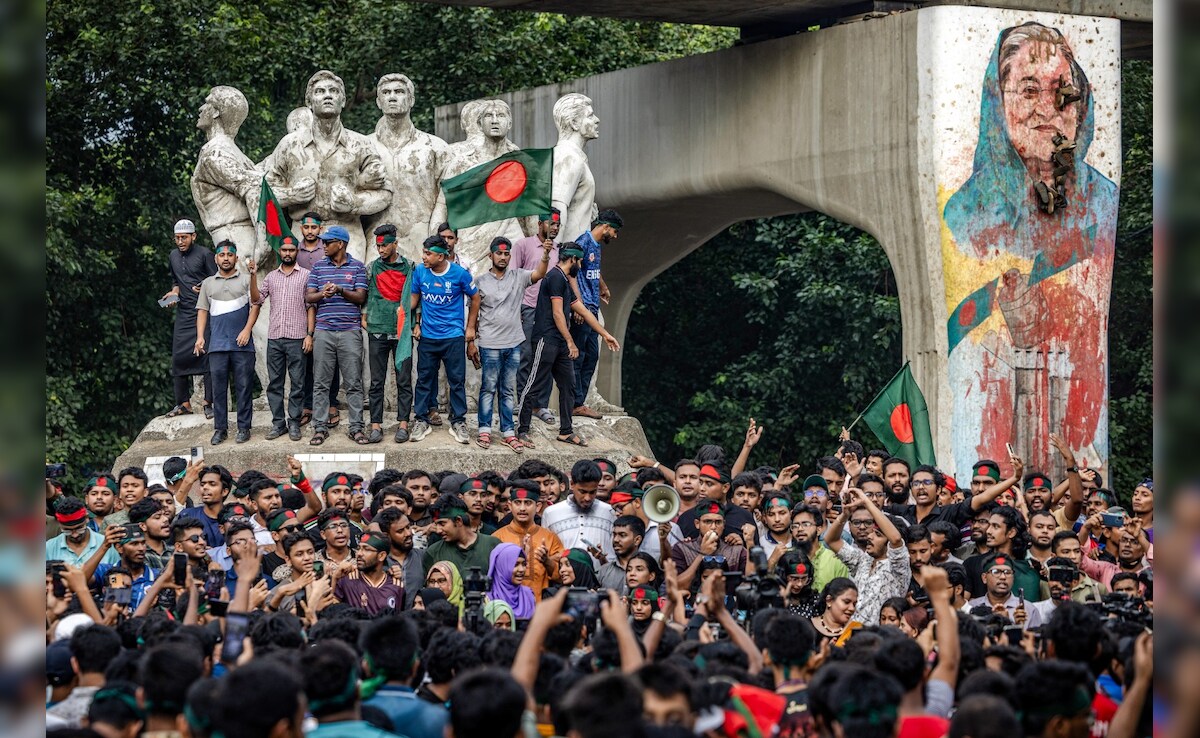
Last year, a protest in Bangladesh against the reservation for family members of freedom fighters snowballed into a nationwide movement against the Hasina regime. The Awami League leader tried to crush the movement and hundreds were killed. Eventually, the protesters prevailed and Hasina had to resign and flee to India.
The aftermath of the regime change saw the targeting of Hindu minorities in Bangladesh, prompting a strong response from the Indian government. New Delhi's messages of concern were not taken well by the interim government, which shot back with sharp remarks, adding to the frost in ties after years of bonhomie.
To add to the strain, the interim government in Bangladesh grew close to Beijing and Islamabad, raising concerns in Delhi of a growing strategic challenge on all its borders.
Yunus's remarks on the landlocked nature of India's Northeastern states added to this tension, leading to speculation over Dhaka eyeing the vulnerable Chicken's Neck corridor that links the Northeast with India's mainland.
More Strain, And A Fresh Trigger
The ties between Delhi and Dhaka were strained further after the International Crimes Tribunal convicted Hasina of crimes against humanity and sentenced her to death. Bangladesh has been demanding that India hand over the Awami League leader and made a fresh extradition request after the verdict.
India has said it had noted the ruling and that India remains committed to the best interests of the people of Bangladesh, including in peace, democracy, inclusion and stability in that country". India, many said, is unlikely to hand over Hasina, an old friend and loyal ally.
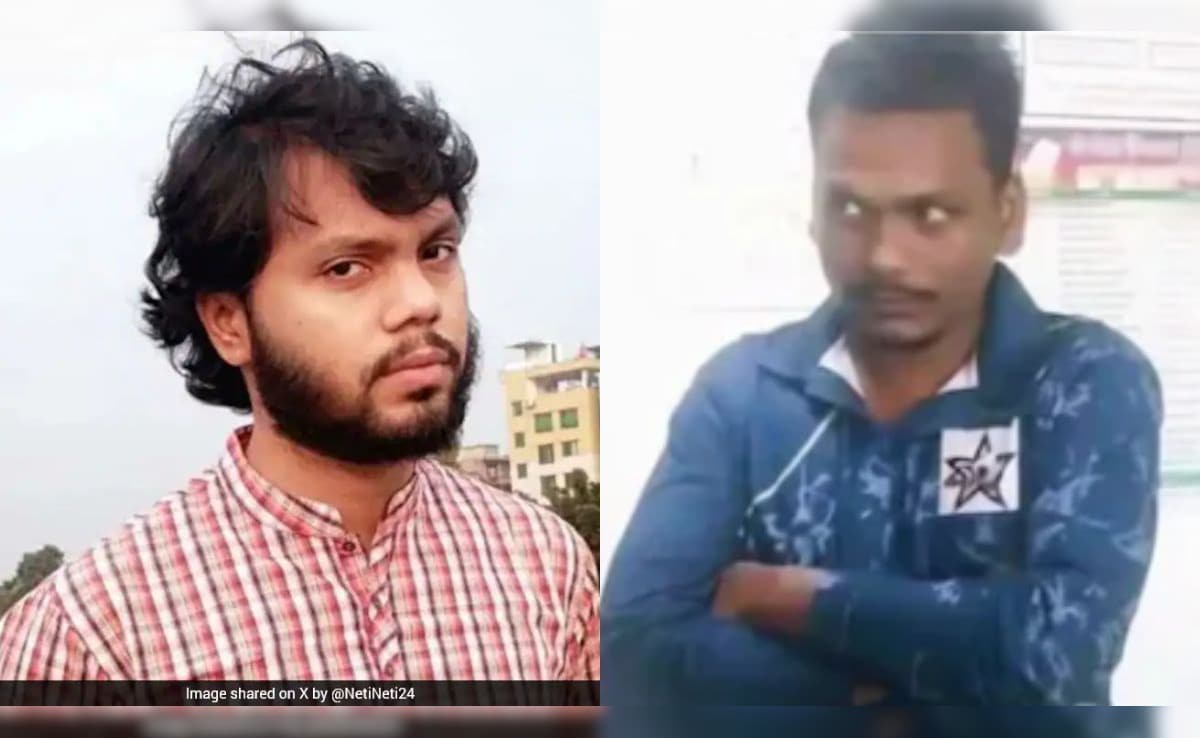
The killing of Sharif Osman Hadi, a key figure of the 2024 Bangladesh protests with a known anti-India stance, triggered a fresh wave of anti-India protests. Osman Hadi was shot at close range when he was in a rickshaw in Dhaka. He died during treatment in Singapore.
In the aftermath of the killing, a rumour started that Hadi's killers had fled to India, leading to anti-India slogans in protest rallies. Political players opposed to India are learnt to have amplified such narratives and protests.
And then, a Hindu man, Dipu Chandra Das, was beaten to death and his body set on fire in the middle of a highway in Mymensingh. While the mob that killed him accused him of making derogatory remarks against Prophet Mohammed, investigators said they found no such evidence.
The Hindu man's killing has set off widespread protests in India, as agitators highlight the strengthening of radical forces in post-Hasina Bangladesh.
From fighting against Islamabad for freedom to rolling out the red carpet for Pakistani leaders, Bangladesh has made a 180-degree swing on foreign policy. Also, a nation created out of a fight to safeguard its people's language and culture against Urdu imposition is now veering towards extremism, and witnessing mobs vandalise offices of the press and cultural organisations and lynch people over random accusations of blasphemy.
And India, once its brother-in-arms and the decisive force that led to its creation, is now Dhaka's estranged partner.
Hasina complained of an onion crisis back in 2019. Six years later, the tears are not due to onions.
-
Opinion | Noakhali To Parliament, What Gandhi, Nehru, Jinnah And Faiz Were Doing On Aug 15, 1947

What was Gandhi doing while Nehru was making his famous midnight speech, and why was Jinnah hosting a lunch as a new nation began fasting? August 15, 1947, looked very different depending on where you stood.
-
Opinion | 79 Years On, India's Enduring Answer To Those Who Had Predicted Its Collapse
Seventy-nine years in the lifespan of an ancient civilisation is a mere heartbeat; yet, in the annals of modern nation-building, it's an audacious triumph.
-
The Coast Pays, Delhi Collects: What The Centre's Mineral Bill Takes From States
India's mineral wealth may lie with the states, but the power to tax it is increasingly travelling north.
-
Opinion | Nanded Attack: Sukhbir Badal And The Past That Still Haunts Him, 11 Years Later
Badal has now faced two serious physical attacks at Sikh religious places in less than two years. Is religious atonement enough for political forgiveness?
-
How Parents Walk Tightrope Of Sending Child To Daycare And Ensuring Safety
As dual-income households rise in India and nuclear families become the norm, daycare support is no more a want, but a need.
-
Opinion | Indian Parliament And The Perils Of Empty 'Swagger'
Indian MPs - on all sides - have found a dangerous new way to game the Parliament. And so far, they all are winning
-
Al-Assad Faces Death, But Sleeps Safely In Russia. What Syrians Think
A court in Damascus sentenced Syria's ousted president Bashar al-Assad and his brother, Maher al-Assad, in absentia for murder, torture and crimes against humanity committed before and during Syria's 14-year civil war that left about half a million people dead.
-
One Company, 40-Year Career: The N Chandrasekaran Story
N Chandrasekaran, a former chief executive of Tata Consulting Services (TCS), took over as chairman of Tata Sons in 2017 following a bitter boardroom battle that led to the ouster of Cyrus Mistry.
-
Opinion | The Great IIT Dream Is Cracking: Why Even Top Degree-Holders Are Unable To Find Jobs
Across several top IITs, roughly 30-40% of registered students had not found jobs by the final weeks of the 2024-25 cycle.
-
Opinion | Pakistan Might Just Have Signed Itself Into A Difficult Trap With Its 'Saudi' Deal
The Saudi-Pak-Turkey agreement gives Saudi Arabia a shield. But for Pakistan, it could quickly become a strategic nightmare