'Delhi Ab Door Nahi': How The 90-Minute Radius Is Rewriting NCR Growth
Thanks to a wave of new expressways, rapid transit projects and metro expansions, Delhi is no longer distant in mind or movement from its satellite towns.
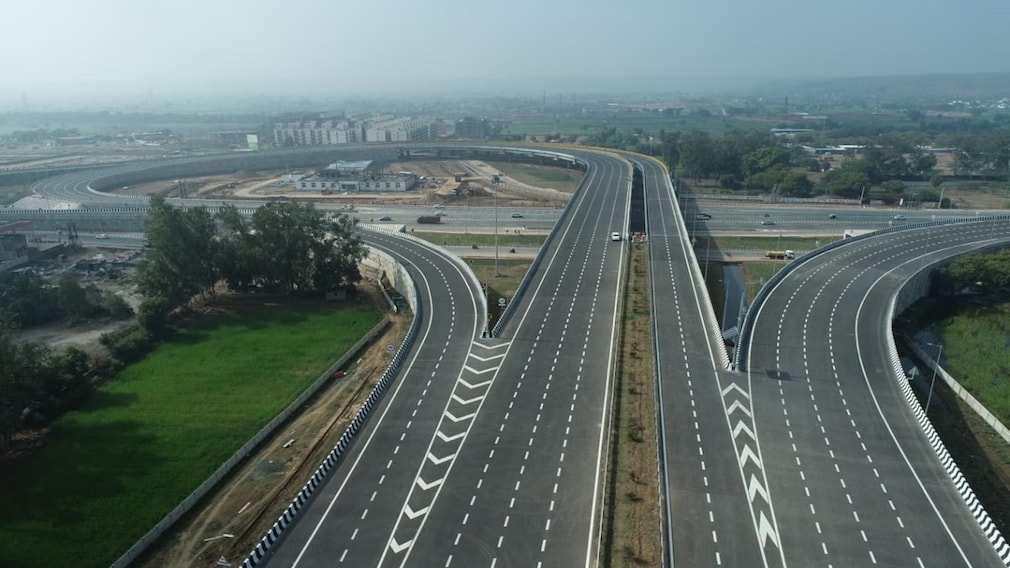
Think of a circle with Delhi at its centre. Now imagine all the places you can reach from there within 90 minutes or less. A few years ago, that circle was small -- towns felt far, and trips to the capital demanded planning, patience and a wide margin for traffic snarls.
Today, that circle has stretched broadly across the National Capital Region -- folding in Meerut, Ghaziabad, Faridabad, Baghpat, Sohna, Alwar and more. And with every minute shaved off travel time, these places are flying up the charts of development, real estate demand, job creation and economic activity.
Thanks to a wave of new expressways, rapid transit projects and metro expansions, Delhi is no longer distant in mind or movement from its satellite towns -- "Delhi Ab Door Nahi" is now reality, not a slogan.
Highways And Roads: More Than Concrete
A network of high-speed roads and expressways has boosted mobility across NCR:
Dwarka Expressway has emerged as NCR's fastest-growing residential corridor, with property prices climbing more than 3X in five years -- a clear signal of infrastructure-led growth and investor confidence.
The Delhi-Mumbai Expressway and Urban Extension Road-II (UER-II) have made long drives to places like Alwar and Bhiwadi almost effortless, turning weekend getaways into routine outings. UER-II's new Multilane Free Flow system eliminates toll queues, improving travel efficiency and reducing time spent inside the city itself. These roads don't just save time -- they redraw economic maps.
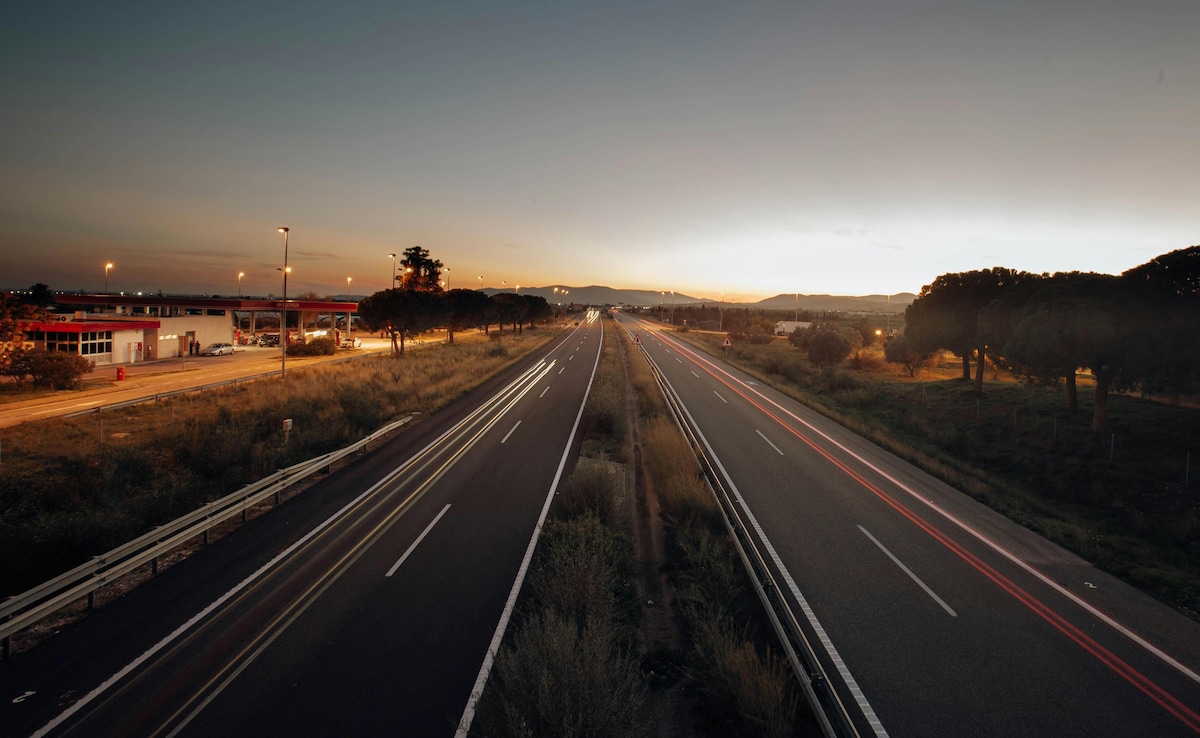
Roadside consumption and logistics-led commercial activity has intensified across industrial clusters.
Businesses, logistics firms and farm owners are feeling the real impact as transport times fall and distribution becomes quicker and cheaper. FMCG brands are chasing distribution reach they previously wrote off as unviable. During peak periods, weekend occupancies in this belt are now touching 70-to-90 per cent -- numbers that would have seemed fictional here five years ago, said Vijay Ram Rattan, Chairman of Ram Rattan Group.
A similar pattern has become visible in Sohna, where improved regional connectivity gradually transformed peripheral land into an active residential and lifestyle market driven by NCR spillover. The Alwar-Naugaon belt now appears to be entering a comparable phase, though with a stronger tourism and second-home orientation.
Roadside consumption and logistics-led commercial activity has already intensified across industrial clusters such as Bhiwadi, where freight movement, warehousing demand, and workforce mobility continue to rise alongside infrastructure upgrades.
"Improved highway connectivity is a strong demand multiplier for the beverage industry. Corridors that see high-frequency traffic typically deliver 20-to-25 per cent higher offtake growth in immediate consumption packs, driven by impulse purchases and better last-mile access," said Paritosh Ladhani, Director at SLMG Beverages.
Rapid Rails: Shrinking Distances Fast
If roads extended the circle, high-speed rails have compressed it. The entirely operational Delhi-Meerut Namo Bharat RRTS has slashed travel time to under an hour, linking Sarai Kale Khan in Delhi to Meerut's periphery with speeds over 160 km/h.
Sudhanshu Dutt, CEO of Elevate Homes, says this connectivity has fundamentally rewritten address value across the region -- from Ghaziabad to Meerut -- pulling residential and commercial growth along with it.
Governments are now pushing a 64-km Namo Bharat corridor to connect Gurugram, Faridabad, Noida and Greater Noida, with integrated metro and RRTS stations planned to unify regional mobility.
These high-speed transit lines are not futuristic dreams -- they are quality-of-life upgrades that let professionals live farther from Delhi without losing access, residential markets breathe new life, and businesses expand their operational footprints.
Trucker's Math
Faster roads have also reduced logistics costs. Industry estimates put cost savings on high-speed corridors at 10-to-15 per cent on transit, with fuel efficiency and reduced idle time doing much of the work. For companies building out regional distribution, the Alwar stretch has become a credible warehousing location - close enough to Delhi-NCR to serve it efficiently, but without the land costs of the NCR fringe.
Neemrana and nearby industrial belts have already demonstrated how high-speed connectivity can reshape manufacturing and logistics economics in Rajasthan. The emerging warehousing interest around Alwar and Naugaon appears to be following a similar trajectory, albeit at an earlier stage of development.
Agriculture picks up the benefit further down the chain. Improved farm-to-market movement is cutting spoilage of perishable goods by 20-to-30 per cent in parts of this region. For a farmer whose tomatoes or cucumbers used to arrive bruised and discounted after a slow overnight haul, the difference between a four-hour trip and a 90-minute one shows up directly in what he takes home from the mandi.
Voices From Ground Zero
Here's what leaders, developers and strategists observe as this connectivity boom shapes the region:
Meerut: A Regional Engine
Santosh Agarwal, Executive Director at Alpha Corp, sees Meerut emerging as one of North India's most promising destinations, with the Delhi-Meerut RRTS and Ganga Expressway integrating the city within wider economic belts. Industrial clusters and integrated logistics parks will underpin long-term growth.
Ghaziabad: Bursting into the Big League
On the ground, Ghaziabad's transformation is unmistakable: luxury housing, premium offices and commercial projects are flourishing, and connectivity via NH-9 and metro lines has been a big catalyst.
Faridabad: The Next Big Growth Story
Aman Gupta of RPS Group says Faridabad's journey mirrors that of Gurugram a decade ago. Between expressways, metro expansions and the upcoming Noida International Airport at Jewar, the city is poised for growth in residential values, logistics, warehousing, retail and employment. Property prices have already appreciated by almost 35-50 per cent in recent years due to infrastructure improvements.
Distributed NCR: A New Urban Geography
Abhishek Raj, founder of Jenika Ventures, says infrastructure is not just aiding movement -- it is reshaping how and where India lives and works. Residential absorption in Ghaziabad has jumped, and land prices across Ghaziabad, Meerut, Saharanpur and Baghpat have risen 15-30 per cent as new expressways and rapid transit reduce friction.
Sudhanshu Dutt agrees: Phase IV metro expansion, UER-II and flyover networks are rewriting address value deep inside the NCR, fuelling confidence that has translated into a 26% YoY jump in launches in early 2026.
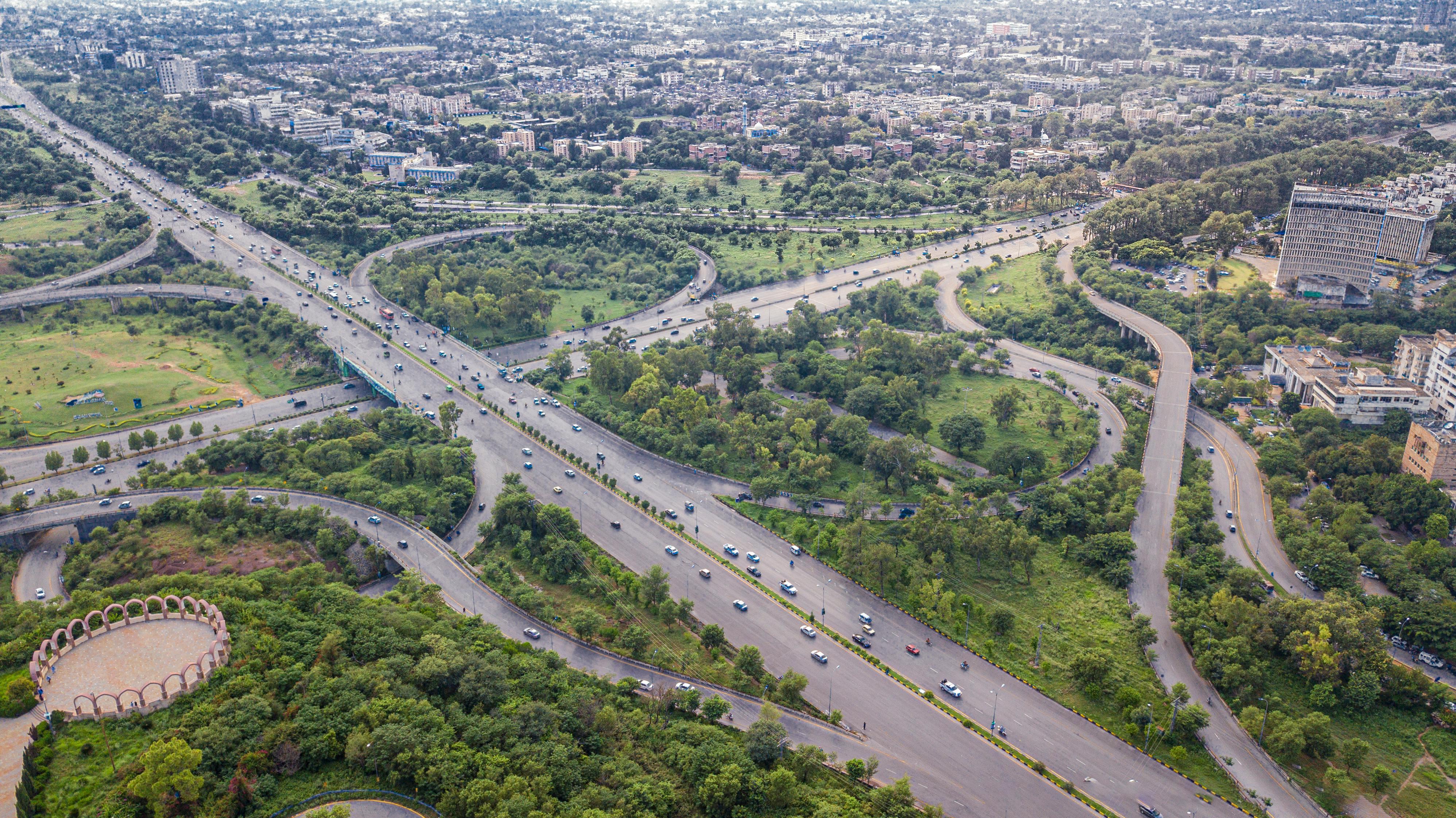
Faster roads have also reduced logistics costs.
Real Impact: How Connectivity Has Changed The Game
Connectivity's influence isn't abstract -- it reaches everyday life: weekend travel becomes possible and profitable; farm stays book out; boutique resorts thrive.
Logistics costs fall, supporting warehouses and distribution hubs in hubs that were once peripheral. Land and home prices rise across key corridors as demand shifts from speculative to utilisation-driven.
Businesses expand without needing to be inside Delhi - their employees commute easily, operations run smoothly, and markets broaden.
However, a rapid growth can strain infrastructure. Environmental concerns, stretched public utilities and unplanned development remain clear threats -- especially near ecologically sensitive zones like the Aravallis. But the overall momentum suggests a region in transformation -- driven not by chance, but by deliberate, connectivity-first planning.
A New NCR Reality
Once, towns beyond a certain distance were "too far." Now, they are part of Delhi's functional heartbeat. Roads and rails have made distance a less relevant metric; time and access are the new yardsticks for growth.
"Delhi Ab Door Nahi" is now a lived experience for careers, homes, companies and weekend plans. And for the towns that have plugged into this network, it's a new economic identity rising on the rails and asphalt of connectivity.
-
Congress Falls Back On A Fullback: Where Pargat Singh Fits In The Punjab Poll Play

Vijay Inder Singla, a Hindu face, was reportedly the frontrunner before the Congress replaced one Jat Sikh with another as its Punjab unit chief. How far does such arithmetic work in the state's politics? Pargat's appointment holds some of the answers.
-
Why Doesn't Congress Boycott If Polls Are "Fixed"? Answer Lies Beyond Rahul Gandhi's "Distraction" Quip
The starkest demand for a boycott has come from outside the political Opposition, from the Cockroach Janta Party. But does a boycott help? Here's what research, examples, and expert analysis tell us.
-
'Sully' To Gimli, Sioux To Patna: When Pilots Got It Unbelievably Right
Captain Smit Machchhar fought off his co-pilot after being stabbed and opened the cockpit door, saving 174 people.
-
Opinion | Are Saudi Arabia And UAE Reuniting Again After 10 Years?
On Tuesday, the UAE's Vice President, Deputy Prime Minister and Chairman of the Presidential Court, Mansour bin Zayed, met Saudi Crown Prince Mohammed bin Salman.
-
Opinion | 'Lies, Damned Lies, Statistics': On The Controversy Around India's GDP Growth Figures
The debate is less about a single figure than about a decade-long erosion of trust in official statistics.
-
Opinion | Why India Cannot Keep 'Overestimating' Its Value To Washington
Some of India's value to Washington came from the tension between the US and China. That is changing now.
-
Opinion | India Has A 'Lobbying' Problem In Washington, And It Has Come Back To Haunt It
While the EU, Japan, the UK and South Korea secured quick deals, India's efforts were getting drained in prolonged negotiations and the wrong kind of lobbying.
-
India Is Getting Old Before Getting Rich, Will Turn 'Aged' In 16 Years: Moody's
Countries with the steepest fertility declines today will age the fastest in the coming decades. India's drop has been steep.
-
Opinion | Why Does Trump Want To Sell Arms To A US 'Adversary'? Inside His Strange Bargain
Trump's aides maintain that no such offer had been made. But the story points to a larger strategy