- Online symptom-checking is popular due to its speed, convenience, and low cost
- Not all online health content is reliable and can cause anxiety or false reassurance
- Search engines and symptom checkers lack medical history and diagnostic accuracy
It is now second nature to reach for a smartphone when something feels off. A headache, a rash, a lingering cough-within seconds, one can find search results that offer a list of possible causes. While this instant access to health information feels empowering, it can also be misleading. Symptoms are not search terms, and health cannot be accurately understood through algorithms alone.
The Rise of "Dr Google"
Online symptom-checking has become common because it is quick, convenient and inexpensive. People often seek reassurance or clarity without the time or cost of a medical visit. The internet also provides access to global health information, which can increase awareness about diseases and preventive care.
In many ways, this is beneficial. Nowadays, people are more informed about their health than ever before. They are better able to recognise early symptoms, adopt healthier lifestyles and communicate more effectively with healthcare providers.
When Information Becomes Misinformation
However, not all online health content is reliable. Many sources lack scientific validation, and some are driven by commercial interests. Social media, in particular, can blur the line between evidence-based advice and opinion.
A major concern is "cyberchondria"-a cycle where repeated online searches increase anxiety rather than resolve it. Common symptoms are often linked to serious illnesses online, leading people to assume the worst. Conversely, serious symptoms may be dismissed as minor, creating false reassurance.
Why Google Cannot Diagnose You
Search engines and symptom checkers are not designed to diagnose disease. They rely on generalised data and limited user input, without access to medical history, physical examination or diagnostic tests. Their diagnostic accuracy remains limited.
Medical diagnosis is a complex process. Doctors evaluate not just symptoms, but also their duration, pattern, severity and associated risk factors. Two people with the same symptom may have entirely different conditions based on age, medical history or lifestyle.
The Risk of Delayed Care
One of the most significant dangers of relying on online information is delayed diagnosis. When people self-diagnose, they may postpone seeking professional care, assuming the condition is minor. This delay can allow diseases to progress, making treatment more difficult and outcomes less favourable.
In conditions such as infections, heart disease or cancer, early detection is critical. Delayed intervention can lead to complications, prolonged illness or even life-threatening situations.
The Problem with Self-Medication
Another growing concern is self-medication based on internet advice. Without proper guidance, individuals may take incorrect medications, inappropriate doses or unsafe combinations. This increases the risk of side effects and drug interactions.
Medications may also temporarily relieve symptoms without addressing the underlying cause, masking the condition and delaying diagnosis. In the case of antibiotics, misuse contributes to antimicrobial resistance, a serious global health challenge.
How Medical Science Make the Difference
Clinical evaluation remains the cornerstone of accurate diagnosis. Doctors use structured medical knowledge and clinical reasoning to distinguish between minor and serious conditions. They identify "red flag" symptoms such as persistent pain, unexplained weight loss, fever, or neurological changes.
Equally important is context. Doctors consider a patient's full medical history, lifestyle, and risk factors. Physical examination and, when necessary, laboratory or imaging tests provide further clarity. This comprehensive approach ensures that diagnosis and treatment are both accurate and safe.
Also Read: Why 'Standing With Science' Is the Only Way To Survive The Wellness Misinformation Era
Using Online Information Responsibly
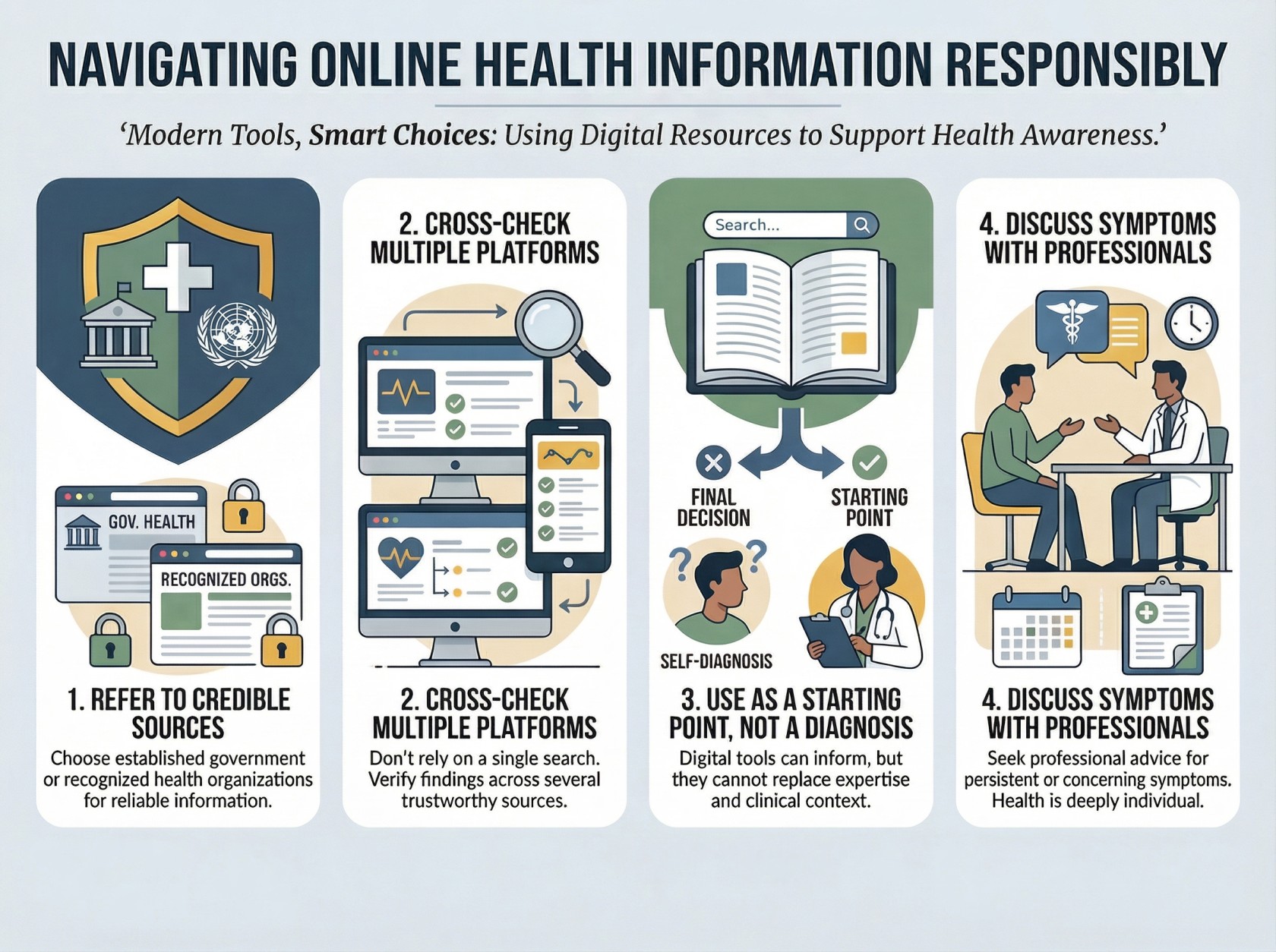
The internet should not be avoided-but it should be used wisely. Reliable health information can support awareness and encourage timely medical consultation. To do this effectively:
- Refer to credible sources such as government or recognised health organisations
- Cross-check information across multiple platforms
- Avoid drawing conclusions based on a single search
- Use online findings as a starting point, not a final decision
- Most importantly, any concerning or persistent symptom should be discussed with a qualified healthcare professional.
Digital tools can inform, but they cannot replace medical science. Health is deeply individual, and accurate care requires expertise, context and clinical judgement. In a world of endless information, knowing when to stop searching and seek professional advice, can make all the difference.
(By Dr. Krishna Subramanyam, Sr. Consultant Orthopedic Surgeon, Yashoda Hospitals, Hyderabad)
Disclaimer: The opinions expressed within this article are the personal opinions of the author. NDTV is not responsible for the accuracy, completeness, suitability, or validity of any information on this article. All information is provided on an as-is basis. The information, facts or opinions appearing in the article do not reflect the views of NDTV and NDTV does not assume any responsibility or liability for the same.