- Regular intake of flavonoid-rich fruits may boost happiness and optimism in women
- Strawberries, blueberries, apples, oranges, and grapefruit linked to better mood
- Flavonoids reduce inflammation and improve brain blood flow supporting mental health
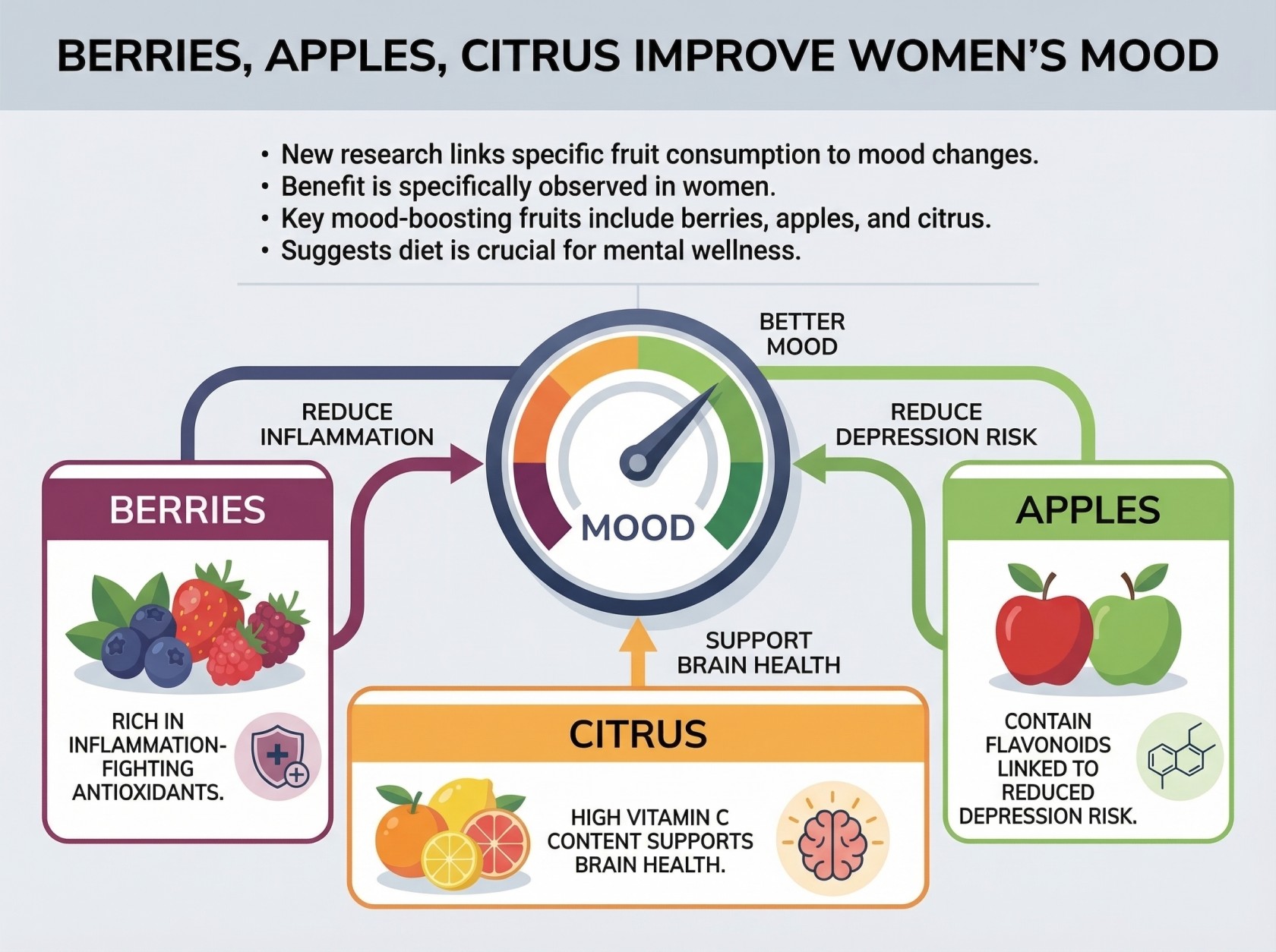
What we eat does not just influence physical health, it may also shape how we feel emotionally. A growing body of research suggests that certain foods can play a role in improving mental wellbeing. Now, a new study indicates that regularly eating fruits such as berries, apples and citrus fruits may help boost happiness and optimism in women. The findings, published in the journal Clinical Nutrition, analysed long-term dietary and mental health data from tens of thousands of women. Researchers found that women who consumed higher amounts of flavonoid-rich foods, natural compounds found in many fruits and vegetables, were more likely to report sustained happiness and optimism over time.
Flavonoids are widely known for their antioxidant and anti-inflammatory effects, which can support cardiovascular and brain health. Scientists now believe these compounds may also influence psychological wellbeing through several biological pathways, including improved blood flow to the brain and reduced inflammation. The findings add to growing evidence that dietary patterns rich in fruits and vegetables may contribute to better mental health alongside physical benefits.
What The New Study Found
The study drew data from the long-running Nurses' Health Study, which has followed thousands of participants for decades to understand the links between lifestyle factors and health. Researchers analysed data from more than 44,000 women for happiness and about 36,700 women for optimism, with average ages of 56 and 67 respectively.
- They discovered that women with higher intake of flavonoid-rich foods were more likely to maintain long-term feelings of happiness and optimism compared with those with the lowest intake.
- Certain fruits showed particularly strong associations.
- Strawberries, blueberries, apples, oranges and grapefruit were linked to improved psychological wellbeing.
- Women who regularly consumed these fruits had a 3-8% higher likelihood of sustained happiness.
- The likelihood of sustained optimism was around 10-16% higher in those with higher intake.
- The researchers also observed that three servings per day of flavonoid-rich foods were associated with higher levels of happiness and optimism over long-term follow-up.
However, they emphasised that the relationship may work both ways: people who feel happier may also be more likely to maintain healthy eating habits.
What Are Flavonoids And Why Do They Matter?
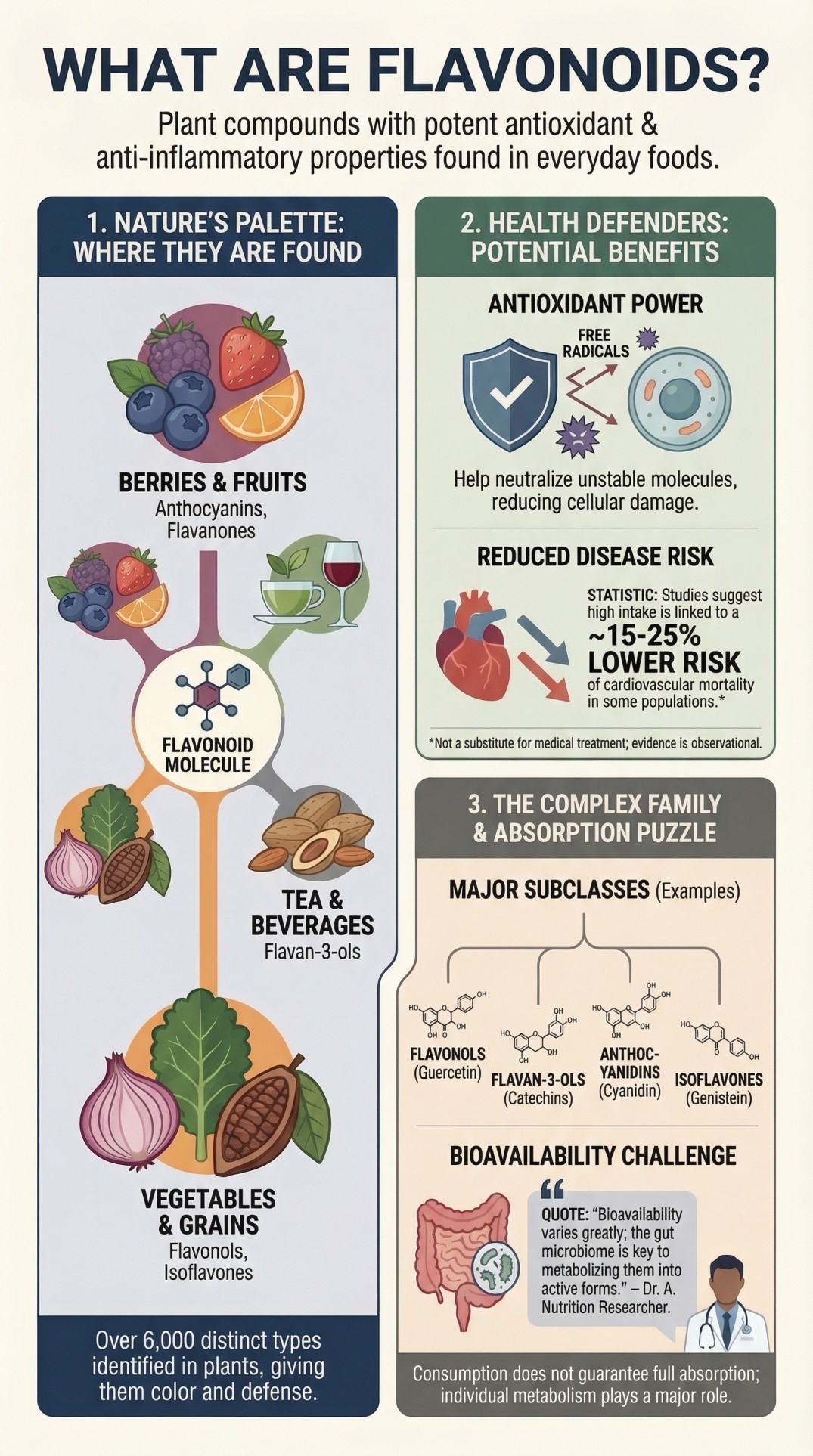
Flavonoids are naturally occurring plant compounds found in many fruits, vegetables, tea and cocoa. They give foods their vibrant colours and are known to provide several health benefits. According to nutrition research, flavonoids may influence mental health by affecting multiple biological processes.
For example, studies suggest these compounds can:
- Reduce inflammation and oxidative stress in the brain
- Improve blood flow and vascular function
- Support neurotransmitter activity linked to mood
- Enhance brain plasticity and cognitive health
Research published in Nutrition Reviews indicates that flavonoids may also stimulate the production of brain-derived neurotrophic factor (BDNF), a protein that supports neuron growth and brain resilience. These mechanisms may partly explain why diets rich in flavonoid-containing foods have been linked to improved mood and psychological wellbeing.
Fruits And Vegetables May Support Mental Health
The new findings align with broader research linking fruit and vegetable intake with mental health benefits. A systematic review analysing multiple studies found that higher consumption of fruits and vegetables, including berries and citrus fruits, was associated with greater optimism, lower psychological distress and reduced depressive symptoms in adults.
Scientists believe the mental health benefits of plant-based foods may come from a combination of nutrients such as:
- Vitamin C
- Folate
- Polyphenols
- Dietary fibre
Together, these nutrients may support the gut-brain axis, regulate inflammation and promote healthy brain function.
Why Diet And Mood Are Connected
The relationship between food and mental health is complex, but several biological pathways may explain it.
- Gut-Brain Connection: The gut microbiome influences mood-regulating neurotransmitters such as serotonin.
- Inflammation Control: Diets rich in antioxidants can help reduce chronic inflammation, which has been linked to depression.
- Blood Flow To The Brain: Certain plant compounds support vascular health, improving oxygen delivery to brain cells.
- Nutrient Support For Brain Function: Vitamins, minerals and polyphenols contribute to cognitive and emotional wellbeing.
Researchers say this growing field of nutritional psychiatry is increasingly highlighting how diet can influence mental health.
How To Add More Mood-Boosting Fruits To Your Diet
Experts say incorporating flavonoid-rich foods into daily meals is a simple and practical step toward supporting overall wellbeing. Some easy ways to increase intake include:
- Adding berries such as strawberries or blueberries to breakfast cereals or yoghurt
- Eating an apple as a mid-day snack
- Including oranges, lemons or grapefruit in salads or juices
- Combining fruits with nuts or seeds for a balanced snack
Health authorities also recommend consuming at least five servings of fruits and vegetables daily, which may benefit both physical and mental health. The new study highlights an intriguing connection between diet and emotional wellbeing. Regular consumption of flavonoid-rich fruits such as berries, apples and citrus fruits may modestly increase the likelihood of sustained happiness and optimism in women.
While these foods are not a substitute for medical treatment or mental health care, they represent a simple lifestyle habit that may support psychological wellbeing over time. Incorporating a variety of colourful fruits and vegetables into everyday meals may therefore benefit not only the body, but also the mind.
Disclaimer: This content including advice provides generic information only. It is in no way a substitute for a qualified medical opinion. Always consult a specialist or your own doctor for more information. NDTV does not claim responsibility for this information.