- A smart pillow prototype replaces smartphone screens with tactile controls for bedtime use
- Users can hug or press the pillow to control audio from music, podcasts, or audiobooks
- The pillow aims to reduce sleep disruption caused by screen time before bed
Bedtime smartphone use is a habit many people struggle to break, and a team of computing scientists at the University of Glasgow may have found a way around it, not by taking the phone away, but by replacing the screen with something far more familiar: a pillow.
The researchers have built a prototype 'smart pillow' that builds a speaker and tactile sensors into an ordinary pillow. Instead of scrolling on their phone screens before bed, users can touch, press, and even hug the pillow to control music, podcasts, or audiobooks streamed from their device using a purpose-built app.
The pillow aims to make digital consumption more compatible with the onset of sleep, a delicate physiological process which can be easily disrupted by the distractions late-night screen use can create. By enabling people to enjoy content with their eyes closed instead, the pillow is designed to help users drop off to sleep more easily while still enjoying the wind-down time that late-night smartphone use provides.
What The Research Says
The project was led by Dr Xianghua 'Sharon' Ding of the University of Glasgow's School of Computing Science, with co-authors Weiyun Wang, Kejin Yu, and Dr Ilyena Hirskyj-Douglas. The team's paper, titled "I Want to Keep My Phone Away from the Bed": Designing a Smart Pillow for Sleep Onset, was presented at the TEI'26 conference in Chicago on 9 March 2026.
Speaking about the impact of phones on sleep, Dr Ding said: "Screen time before bed can have negative impacts on the quality of people's sleep. Research has shown that it can delay the onset of sleep, making people more tired the next day and raising their chances of developing physical and mental health problems."
At the same time, the researchers were careful not to dismiss nighttime phone use altogether. "However, digital consumption before bed can also allow people to meet important emotional needs. Smartphone content can help users decompress, relax, and enjoy personal time before sleep," Dr Ding noted.
On why the team chose to design around a pillow specifically, she explained: "In the past, technology aimed at improving sleep has focused on tracking habits, interventions to encourage regular bedtimes, or promoting relaxation through scent or sounds. In developing our device, we wanted to explore whether it was possible to use the very familiar and comforting form of a pillow to harness the positive benefits of night-time smartphone use while cutting out the potential harms."
How The Pillow Was Designed
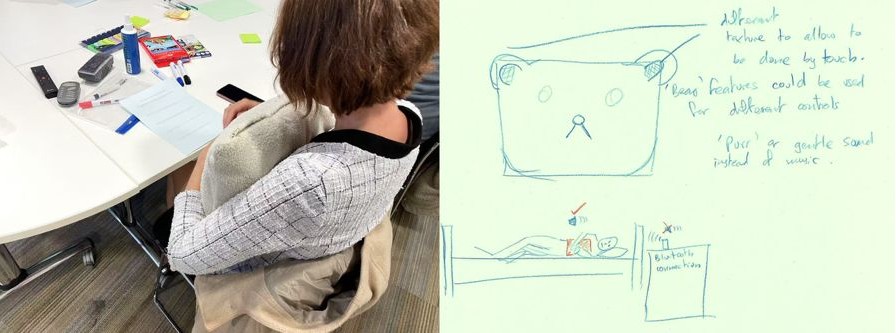
The team began by building the pillow's companion app, which allows users to choose what they want to listen to at bedtime from a selection including music, news, and audiobooks. At the same time, they built a simple prototype pillow that streamed content to the speaker using the app.
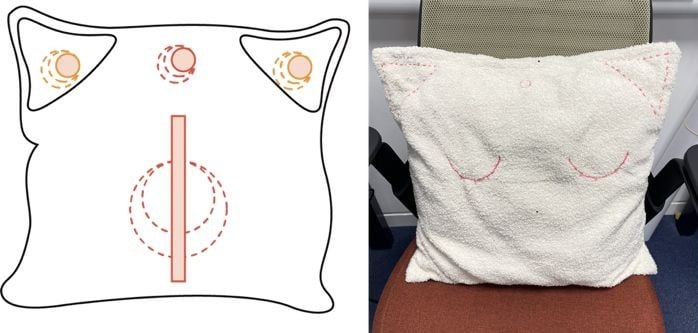
The pillow's initial design featured two functions based on hugging: a sensor allowed users to turn the speaker on with a hug and turn it off again with the same motion. Based on the team's own feedback, the design was refined further to give it more personality. They embroidered a simple cat face to the front of the pillow to help users find their way around it without opening their eyes. Two additional sensors were added into fabric 'ears' to enable track skipping, and another sensor was placed in the cat's forehead for pause and play. Pressure sensitivity was also added to the controls to prevent accidental use during sleep.
What Volunteers Said
The team then invited 16 volunteers to take part in co-design sessions, where participants evaluated the prototype and made their own suggestions for how it could be refined. The study participants enjoyed the tactile nature of the pillow, some said it reminded them of childhood toys or pets, while others said it would likely help relieve bedtime stress and increase comfort through hugging.
Participants suggested a range of potential tweaks, including animal-shaped variants, gradual audio fade-out, haptic feedback instead of lights, and long-format body pillows for back sleepers. While the study did not directly measure sleep outcomes, participants felt the smart pillow design could reduce distractions and better support their natural sleep routines.
What's Next
Reflecting on what the research has shown, Dr Ding said: "We've shown that there is real potential for a device like this to help people experience improved sleep onset without missing out on the benefits of smartphone use. The design we've co-created with study participants could enable people to control digital content through a familiar, comforting object without opening their eyes, which in turn could support the delicate transition from wakefulness to sleep."
The team is now looking to move from research to product. "What we're keen to do from here is work our way to turning this research into a product that people can buy and use for themselves. We're seeking partners to help bring this product to market in the future," Dr Ding added.
Disclaimer: This content, including advice, provides generic information only. It is in no way a substitute for a qualified medical opinion. Always consult a specialist or your own doctor for more information. NDTV does not claim responsibility for this information.