- Brown rice retains bran and germ, offering higher fiber and nutrients than white rice
- White rice has a higher glycaemic index, causing quicker energy release and blood sugar spikes
- Brown rice supports weight loss by promoting fullness and stabilizing blood sugar levels
Rice is a staple in many Indian households, but there are records that trace its roots date back to 5,000 years. While there are various varieties of rice on the market that are chosen based on the unique flavour, the two types of rice that always confuse most people are brown rice and white rice. The confusion stems from which variety of rice is better for weight loss, as the Economic Survey 2026 warns that lifestyle diseases are linked to poor diet choices, and one of them is the rice on your plate. According to the All-India Medical Research, Delhi, and Strategic Marketing Solutions and Research Centre Report, the projected rise in obesity rates by 2050 is set to reach 17.4% in women and 12.1% in men. So, being proactive in your weight management efforts matters, especially for people who are struggling with weight gain and belly fat. Here is how you can choose which type of rice is better for you, whether white rice should be consumed daily, or if you should switch to brown rice.
Brown Rice Vs. White Rice: Which One Is Better for Weight Loss?
Brown rice and white rice not only differ in colour, but there are also many aspects to consider when you seek weight loss. Firstly, brown rice is a whole grain that retains its bran and germ layers, making it richer in nutrition than white rice. But white rice is mostly eaten and digested easily by most Indians, so whether you can digest brown rice and gain the nutrition it can actually offer should be considered by you. Looking at their nutritional profiles individually, according to the Indian Council of Medical Research and the National Institute of Nutrition, conveys that brown rice and white rice can provide the body with these specific nutrients:
- Fib: Retains the bran layer, so it contains 3.5 g of fibre per 100 g. And that also helps in digestion, satiety (fullness), and weight management.
- Protein: 7.5 g per 100 g. The protein value in it helps support muscle repair and metabolism.
- Carbohydrates: 76 g per 100 g. Brown rice slowly releases due to fibre and stabilises blood sugar.
- Magnesium: 110 mg per 100 g. Magnesium provided by brown rice is important for metabolic health and diabetes prevention.
- Iron: 2.0 mg per 100 g. It helps reduce anaemia risk, which is highly prevalent in women, children, and teens.
- Vitamin B Complex: It contains B1, B3, and B6 that support energy metabolism, so it is great for people who want to exercise more daily.
- Antioxidants: They are specifically present in the bran layer that reduces oxidative stress.
- Glycaemic Index (GI): 50 to 55, which is on the lower side and helps in weight control and diabetes management.
White Rice Nutrient Profile
- Fibre: The bran is removed, so the fibre reduces to 0.6 g per 100 g. It is easier on the digestive system but has less satiety or fullness.
- Protein: 6.5 g per 100 g, which is slightly lower than that of brown rice.
- Carbohydrates: 78 g per 100 g, and it has released energy quickly and spike blood sugar.
- Magnesium: 25 mg per 100 g, which is much lower and less beneficial for metabolic health.
- Iron: 1.2 mg per 100 g, and is reduced due to the milling process.
- Vitamin B Complex: Mostly lost during the polishing process.
- Antioxidants: Minimal.
- Glycaemic Index (GI): 70 to 75, which is on the higher side, which can play a role when it comes to overeating and weight gain.
Also Read: Paneer Vs. Tofu: Which Is A Richer Source Of Protein?
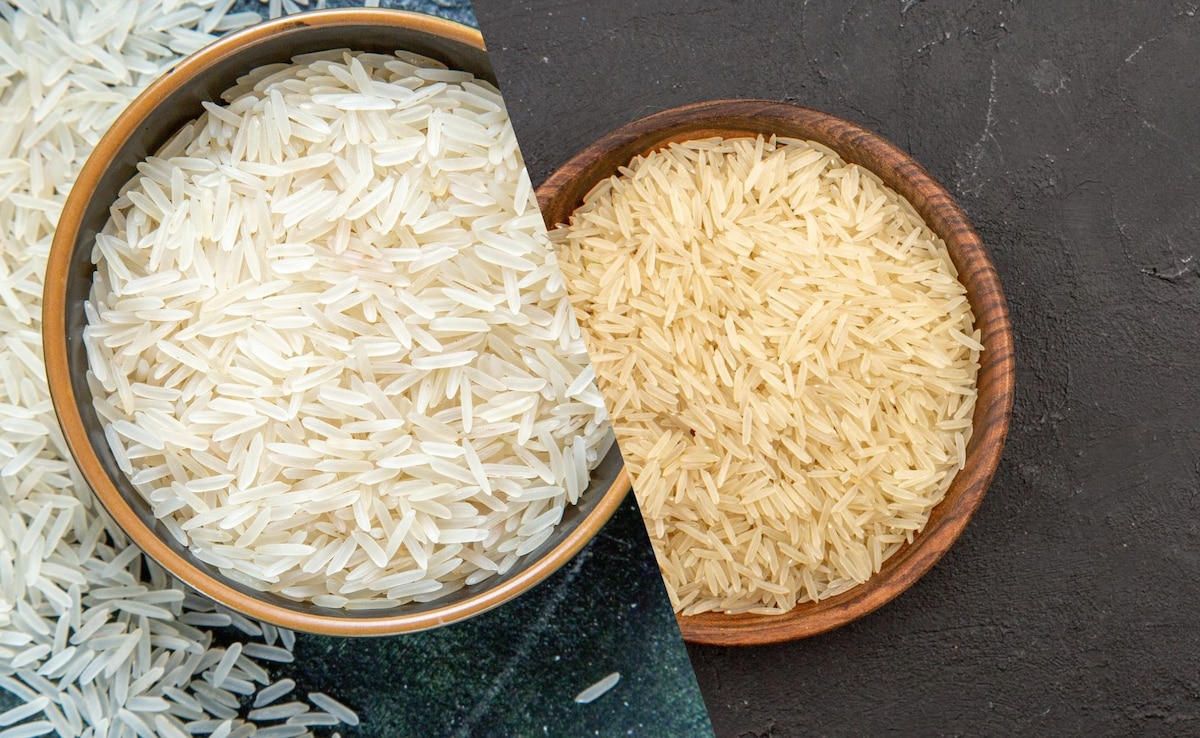
White rice and brown rice
Photo Credit: Freepik
Impact on Weight Loss
When it comes to weight management, specifically weight loss, individual factors play a major role in how quickly you can lose weight and keep this weight off for a long time. As per the nutritional profile of each type of rice, brown rice has a lower GI index, promotes the feeling of fullness, and stabilises blood sugar. So, it is better for people actively seeking weight loss. On the other hand, white rice has a higher GI index, but its other functions are exactly the same as those of brown rice.
You must have noticed that there is a risk of overeating with white rice, as many factors can lead you to binge-eat rice, such as stress, anxiety, or staying hungry for long hours. To avoid eating excess rice, you need to control your portion size and manage the overall nutritional intake throughout the day.
These are the studies that indicate how eating white rice and brown rice can benefit your weight loss efforts:
- According to the Southeast Asian Journal of Tropical Medicine and Public Health, there are bioactive compounds in brown rice that help regulate how well your body can metabolise fats and reduce their accumulation, supporting obesity management.
- As per the Plant Foods for Human Nutrition, combining white rice with high-fibre barley reduced appetite and energy intake, showing potential for weight management. So, instead of solely eating white rice, combining it with whole grains can increase its nutritional value.
- Another study in the BMJ Open suggests that high intake of white rice is linked to increased diabetes risk, while brown rice shows protective effects.
Also Read: Doctor Shares Insights On Muscle Mass And Effective Ways To Gain Strength
Practical Diet Tips To Consume White And Brown Rice
- White and brown rice can be safely consumed by changing your daily eating routine.
- If you are planning to eat biryani for dinner, then switching to high-fibre multigrain rotis can work for lunch and breakfast.
- To control excessive bingeing on white and brown rice, you need to plan your meals and consume both in moderation.
Note: If you have a sensitive stomach, then sticking to white rice is best, and combining it with grains like barley can work. But if you still seek to include brown rice in your diet, then consulting a nutritionist is best to figure out how to do it safely.
No rice is inherently bad; choice depends on lifestyle, health goals, and portion control. To effectively choose between these two types of rice, brown rice offers more weight-loss benefits, but moderation is key.
Disclaimer: This content, including advice, provides generic information only. It is in no way a substitute for a qualified medical opinion. Always consult a specialist or your own doctor for more information. NDTV does not claim responsibility for this information.