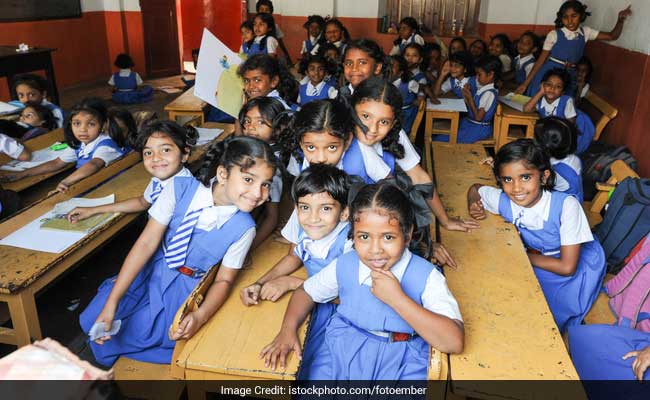

Only a quarter of third grade students can read and understand a short story with a few simple sentences or subtract two-digit numbers from another in India, according to a new report. A report by the Bill and Melinda Gates Foundation said that the Indian government's own National Assessment Survey also shows that a high percentage of children have low learning levels.
"Only one quarter of third grade students can read and understand a short story with a few simple sentences or subtract one two-digit number from another," the report said.
The report quoted the data from the 2017 Annual Status of Education Report.
Fortunately, as the outlines of the crisis have become clearer, learning has started to get the attention it requires, both inside and outside of India, the Bill and Melinda Gates Foundation report said.
-

-
 AI Law In India Soon? What Ashwini Vaishnaw Said At NDTV World Summit
-
 World's 1st AI Actor Tilly Norwood Was Asked If She Knew Hindi. A Conversation Followed
-
 AI Law In India Soon? What Ashwini Vaishnaw Said At NDTV World Summit
-
 Eline van der Velden At NDTV Summit: AI Film Industry Will Create More Jobs
-
 'Delhi vs Mumbai? World's First AI Actress Picks 'Chaos' At NDTV World Summit
-
 Superintelligent AI Could Be A Year Away: Ex-Google DeepMind Researcher
-
 'Threat Very Real To India': Microsoft AI Expert At NDTV World Summit
-
 Iran's Supreme Leader's Representative Says India Can Play 'Big Role' In Middle East Peace
-
 Palestine Ambassador Accuses Netanyahu Of Supported Hamas, Blocking Two-State Solution
-
 Palestine Ambassador On Conflict With Israel: "It's A Genocide"
"From Prime Minister (Narendra) Modi to the Ministry of Human Resource Development to pioneering state governments in Delhi and Rajasthan that are instituting reforms, Indian leaders are putting learning outcomes on the agenda. The World Bank's 2018 World Development Report focused entirely on the issue of educational quality," it said.
The Bill and Melinda Gates Foundation Tuesday launched its second annual Goalkeepers Data Report, pointing to demographic trends that could stall unprecedented progress in reducing global poverty.
While 1 billion people have lifted themselves out of poverty over the past 20 years, rapid population growth in the poorest countries, particularly in Africa, puts future progress at risk. If current trends continue, the number of extremely poor people in the world could stop its two-decade decline and could even rise, the report observed.
(This story has not been edited by NDTV staff and is auto-generated from a syndicated feed.)