Behind Sugar Shock: Not Ethanol, But Over-Estimation Led To 16% Price Rise
In November 2025, the government allowed sugar mills to export 15 lakh tonnes. Now, India has allowed 10 lakh tonnes of raw sugar to enter duty-free.
India, the second-largest producer of sugar in the world, is preparing to import sugar amid the festive season. This will be the first time in a decade when India imports sugar. And it comes at a time when domestic sugar prices have surged over 16 per cent within a month. To ease sugar prices in the domestic market, the government has allowed duty-free imports of up to 10 lakh tonnes of raw sugar by October 31.
The latest decision has raised an obvious question: How did India go from exporting sugar to importing it in less than a year? Some are also wondering if the push towards ethanol, along with exports based on optimistic production estimates, has left the domestic market with less sugar than expected?
From Being An Exporter To Importer
In November 2025, the government allowed sugar mills to export 15 lakh tonnes. The quota was later raised to 20 lakh tonnes as policymakers expected a comfortable domestic supply.
But the exports did not go as planned. Only around 8 lakh tonnes were eventually shipped before the government moved to restrict exports. On May 13, it banned sugar exports until September 30 to protect domestic availability.
Now, barely months later, the government is opening the door to imports. The reason is a sharp deterioration in the domestic supply picture.
The government says sugar production in the 2025-26 season is now expected at around 306 lakh metric tonnes, against an initial estimate of around 343 lakh tonnes. Red Rot and Top Borer diseases, along with waterlogging caused by excessive rainfall, affected sugarcane production.
Industry estimates have been even lower. The net sugar production could be around 279 lakh tonnes after diversion towards ethanol, compared with opening stocks of about 47 lakh tonnes. After domestic consumption and exports, some estimates put closing stocks at only 35-39 lakh tonnes. That is below the industry's normative buffer of around 60 lakh tonnes.
So, Did Ethanol Cause The Sugar Shortage?
India has aggressively expanded ethanol blending in petrol. Sugar mills can divert sugarcane, sugarcane juice or molasses towards ethanol instead of producing sugar.
In theory, that means less sugar reaches the market. But the government has countered the argument that ethanol is responsible for the latest price surge.
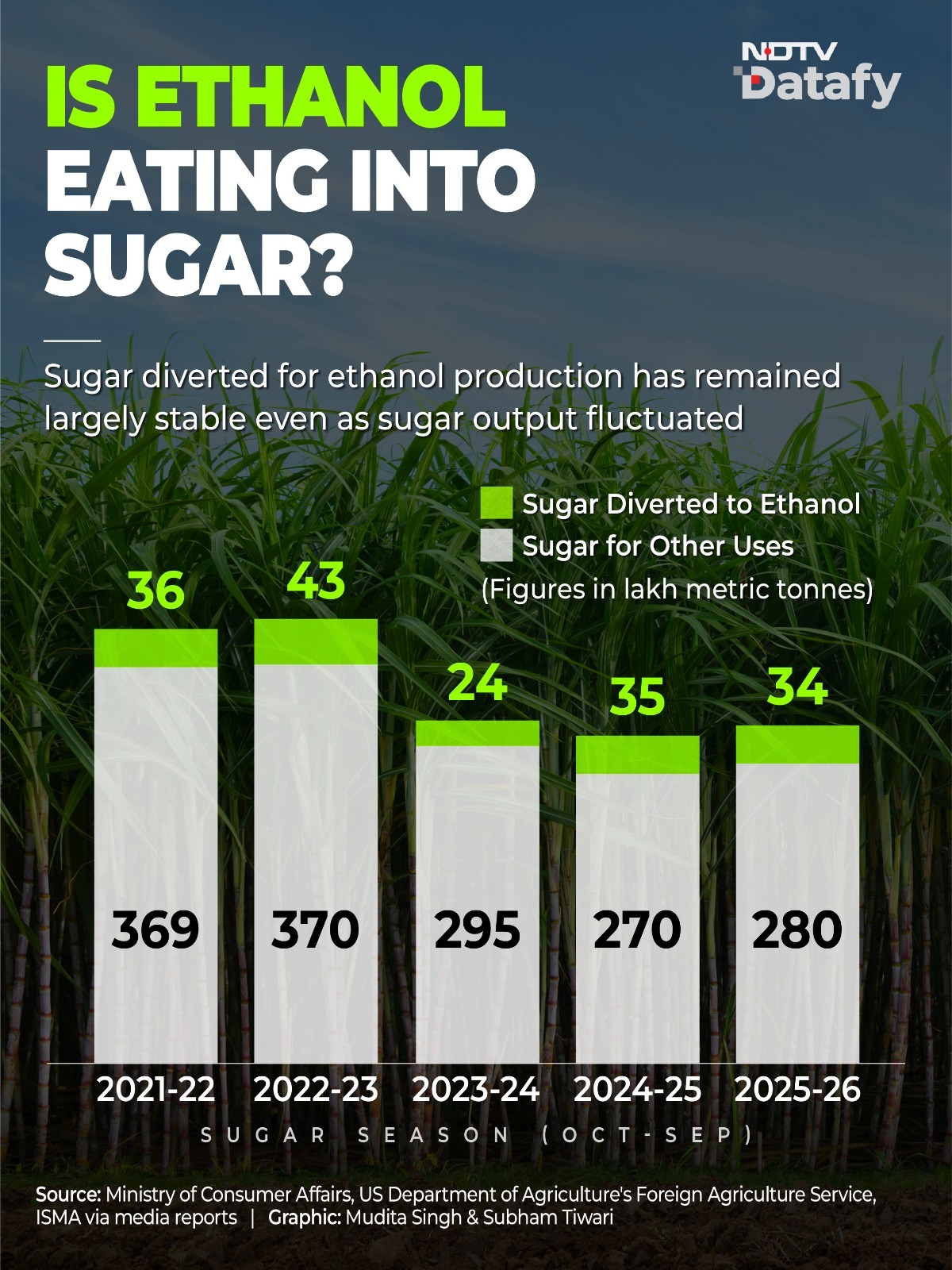
According to the Ministry of Consumer Affairs, the share of sugar diverted for ethanol has actually fallen from around 12 per cent in 2022-23 to about 9 per cent in 2025-26. Nearly three-fourths of India's ethanol now comes from grains, particularly maize. So, blaming the entire price rise on E20 or ethanol would be too simplistic.
But that does not mean ethanol is irrelevant. It has changed the economics of the sugar industry. When sugar prices are low and mills have surplus cane, diverting some feedstock towards ethanol can improve mill finances and help farmers get paid.
The government says the programme has helped strengthen sugar mills. By August 20, 97 per cent of sugarcane dues for the 2025-26 season had been cleared.
The bigger issue is, therefore, not necessarily that ethanol suddenly consumed too much sugar. It is that India had to balance sugar for consumers, ethanol for fuel, exports for mills and farmers, and adequate stocks for the next season at the same time.
India May Have Overestimated Sugar Production
When the government allowed exports, the assumption was that India would produce enough sugar to meet domestic consumption and still have a surplus. But the assumption did not hold up.
The Indian Sugar & Bio-energy Manufacturers Association had initially projected 34.9 million tonnes of production for 2025-26. The All India Sugar Trade Association later cut its estimate to 28.3 million tonnes.
Former Agriculture Secretary Siraj Hussain also questioned the reliability of production forecasts. Policymakers thought India had more sugar than it actually did.
By the time the numbers became clearer, some sugar had already left the country. "Higher-than-anticipated production concerns and assumptions around export availability led to tighter market expectations, contributing to the price increase," Abhishek Bhilwaria, Partner - BhilwariaFinserv, told NDTV.
Why Have Sugar Prices Jumped So Sharply?
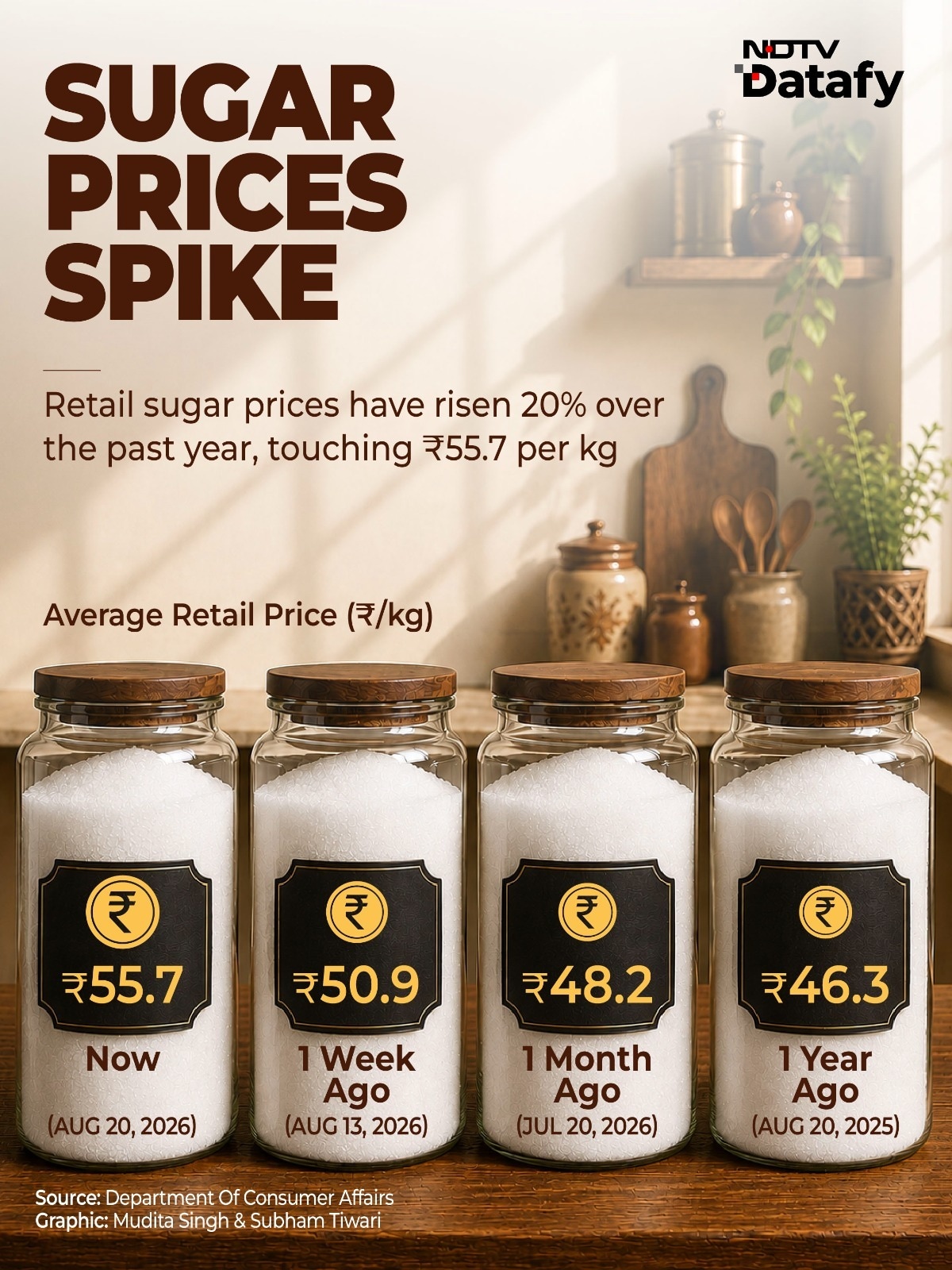
The all-India retail price rose from Rs 48.18 per kg on July 20 to Rs 55.70 per kg on August 20. That is an increase of about 16 per cent in one month.
Some associations reported even sharper rise in domestic market prices over two months, with prices jumping nearly 40 per cent in some segments.
The government estimates a global sugar deficit of around 33 lakh tonnes for 2026-27. International sugar prices rose from $474 per tonne on June 30 to $552 on August 20 -- a rise of more than 16 per cent.
Meanwhile, the government has also accused some traders and industry players of hoarding stocks and creating an artificial perception of shortage. It has imposed a 400-tonne stock limit on dealers and will restrict bulk consumers to 15 days' consumption from September 1.
Will Imports Bring Sugar Prices Down?
The government has allowed 10 lakh tonnes of raw sugar to enter duty-free. Imports should add to domestic availability at a time when stocks are under pressure.
But imported sugar will not arrive overnight. The National Federation of Cooperative Sugar Factories' Prakash Naiknavare told PTI that Brazil is currently the most realistic source, with shipments taking around 40-45 days to reach Indian ports. Thailand, another traditional supplier, is dealing with its own supply shortfall.
Significantly, the timing is also crucial. India is entering the festive season. If imports arrive before the new crushing season gathers pace, they could help bridge the supply gap.
The government has also asked states and mills to begin crushing from October 15. It expects October sugar production to rise above 10 lakh tonnes, compared with the usual 3-4 lakh tonnes.
"Going ahead, a more accurate assessment of sugar output and inventory levels will be important to prevent expectations from getting too far ahead of fundamentals and to keep prices stable for both consumers and the industry," Bhilwaria added.
-
Explained: Why Tamil Nadu Dropped 2nd Airport Near Chennai At Parandur

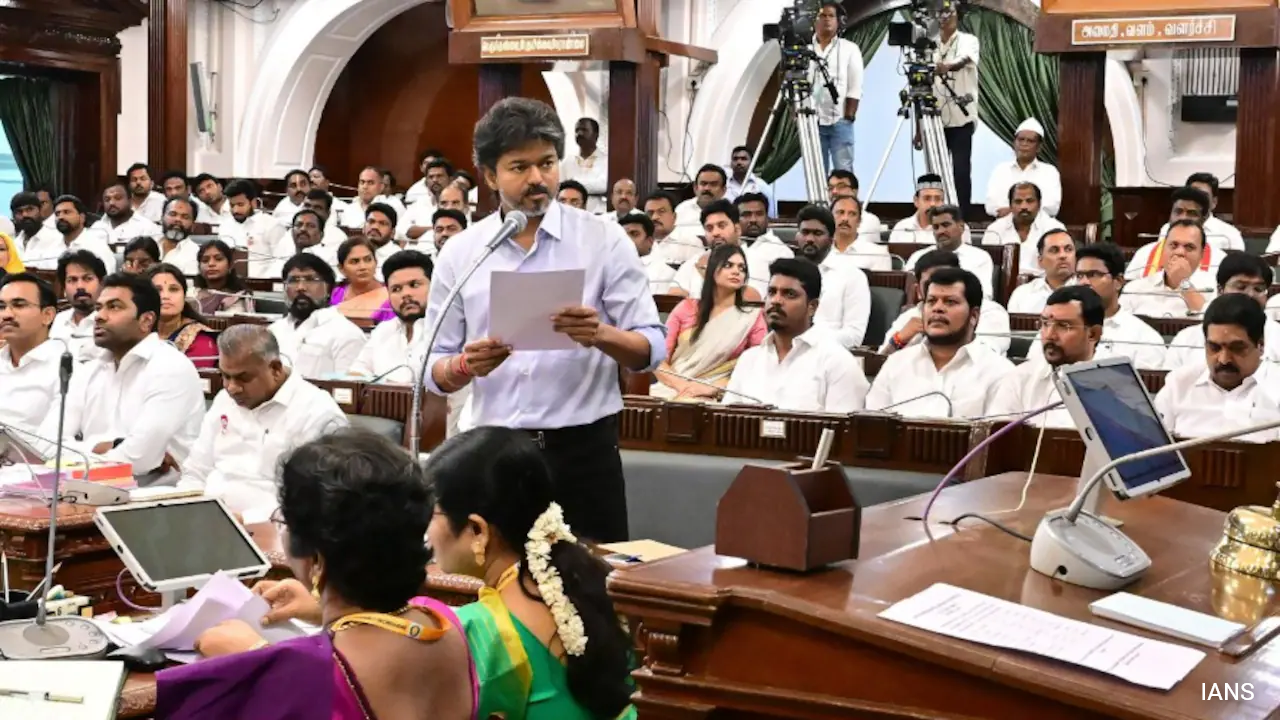
While the government stands firm with the protesting residents, Chief Minister Vijay assured that Chennai's aviation needs will not be ignored. The state will soon announce a detailed plan for a new airport at an alternative site, he said.
-
Opinion | One General, 3 Jobs: How A New Law In Pakistan Makes Munir Even More Powerful Now
With a new act, Munir has truly reached the apex. At least most politicians in Pakistan will hope so.
-
3 Minutes, 6 Stanzas, Century-Old Debate: The Many Turns In Vande Mataram's Journey
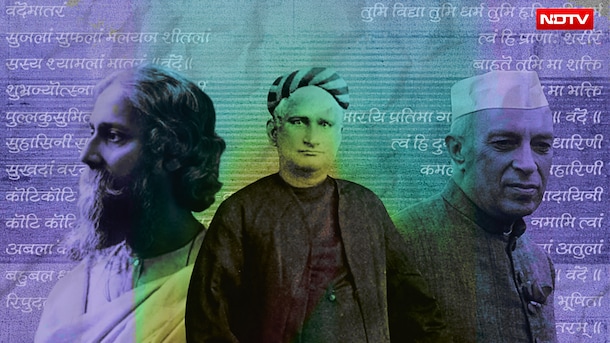
PM Narendra Modi launched a year-long commemoration of the song's 150th anniversary on November 7, 2025. In December, both Houses held special discussions on it, during which the 1937 Congress decision was scrutinised.
-
Indian Family Wipeout Over iPhone: The Dangerous Lure Of Consumer Tech Debt
Young buyers walk into physical retail stores, hand over basic identity documents and walk out with a consumer electronic device that costs more than their entire family's monthly take-home income
-
China Outspends India In Space, But New Delhi Holds The Trust Card
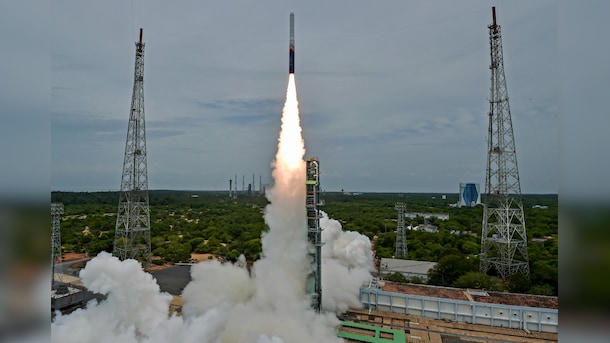
The US remains the undisputed leader in the global space race. But it's realistic for India to aim for the third place, says Bellatrix Aerospace COO.
-
It's About The Provenance: Head Of Strategy Koreel Lahiri Decodes One Identity Of NDTV
We at NDTV consciously recognise the fact that the same consumer inhabits several screens during the course of a day.
-
Opinion | India's UPI Miracle Has Created A Difficult, Rs 20,000-Crore Question
UPI's whole magic was the Rs 30 payment it charged nothing for. But how long can it stay free?
-
Opinion | Manmohan Singh, Bachchans, And Other Secrets Of 10 Janpath: The Sonia Gandhi Story
She entered politics reluctantly, mastered its power games, chose Prime Ministers, and managed betrayals. Congress's most powerful woman finally tells the world how.
-
Opinion | Why The Congress-Samajwadi 'Merger' Fantasy Could Be Opposition's Biggest Self-Goal
Rahul Gandhi and Akhilesh Yadav do not need to become one another. They need to become better at being themselves, together.