As Customers Seek New Experiences, Do Brand Loyalty Discounts Still Work?
Across hospitality, retail, fintech and travel, the message is the same: customer loyalty is shifting from transactions to relationships.
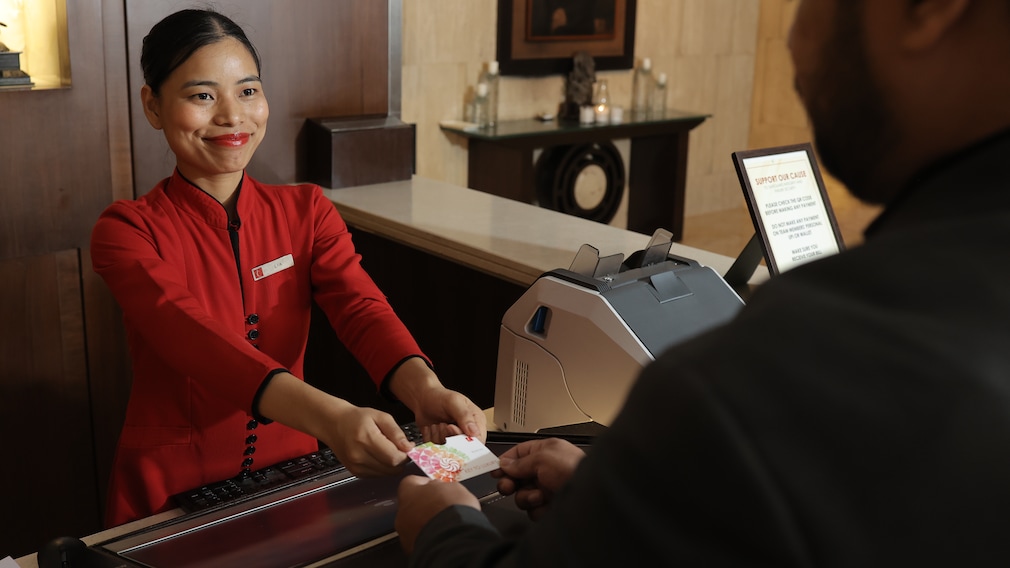
"The idea of going back to the same hotel because I have points there sounds like the most boring sentence I have ever heard."
That is how Aditi Jain, a 20-year-old student at Sri Venkateswara College, University of Delhi, describes loyalty programmes.
Contradicting Jain, Andre, PR Manager at Katha Studio, says, "I like trying new places. But if a loyalty program genuinely adds up to something meaningful, I'd consciously route myself back."
Between Aditi's rebellion and Andre's pragmatism lies the real story of customer loyalty in 2026.
Customers are not disloyal. They are just more unwilling to be predictable. They want novelty. But they also want comfort. They want to explore. But they also want a safety net.
And brands are learning that loyalty today is not about locking customers in. It is about making them want to come back.
Loyalty is no longer about points. It is about recognition. Harsh Shah, CEO of Rosetto Hospitality LLP, puts it simply. Loyalty has moved from point-based to recognition-based.
Customers today experiment more. But that very habit makes them value a place where things simply work. A place where they don't have to explain themselves again.
"Loyalty isn't about being stuck with one brand," he says. "It's about having a trusted foundation that allows freedom to experiment elsewhere."
This idea repeats across industries.
Raj P Narayanam, Founder and Executive Chairman of Zaggle, calls it a myth that curiosity kills loyalty. "Customers don't want to be locked in. They want to be recognised."
Dhruv Verma, CEO of Thriwe, describes modern loyalty as a "personalised concierge" in an age of decision fatigue.
Meanwhile, Madhu Sudan Pahwa, Managing Director at Womancart, sees customers returning not for points, but for convenience, speed and familiarity.
Across hospitality, retail, fintech and travel, the message is the same: Loyalty is shifting from transactions to relationships.
The Gen Z Contradiction
Andre admits he is "more of a loyal person" because he already knows the environment, the service and how things work. Loyalty becomes an extra incentive on top of comfort.
But he also says his decision is 50/50. Experience and authenticity still come first.
Aditi is more blunt. "Half the fun of travelling is not knowing what the bathroom is going to look like."
For her, loyalty feels like a subscription she does not want to maintain. She does not want to optimise travel. She wants to discover it.
And yet, what she seeks -- authenticity, ease, trust, real experiences -- is exactly what loyalty programmes now claim to offer.
This is the paradox brands are trying to solve.
Why Businesses Still Invest Heavily In Loyalty
Because the math is brutal. Acquiring a new customer costs far more than retaining an old one.
Raj Narayanam says rewarded customers spend more, complain less and churn later. Most programmes return 0.5 per cent to 2 per cent of spend as rewards. But if that increases purchase frequency by even 15-20 per cent, the economics work comfortably.
Brian Almeida, Founder of Strategic Carvan and a veteran behind programmes like Taj Inner Circle and Lalit Loyalty, explains it from a business lens.
CAC (Customer Acquisition Cost) has become one of the highest costs of doing business. If a brand fails to retain a customer, it is stuck on a treadmill. Loyalty programmes, he says, build a customer asset and zero-party data -- information customers willingly share.
That data allows brands to serve customers better, faster and more personally.
Harmeet Kaur from The LaLiT Suri Hospitality Group adds another layer. Their programme allows guests to donate points to social causes through "Points for Good".
Now loyalty is not just personal. It is emotional and ethical.
Akansha Agarwal of Int2Cruises says customers today are loyal to ease, value and overall experience - not to a single brand.
test 123
Why UPI Discounts Are Not Killing Loyalty
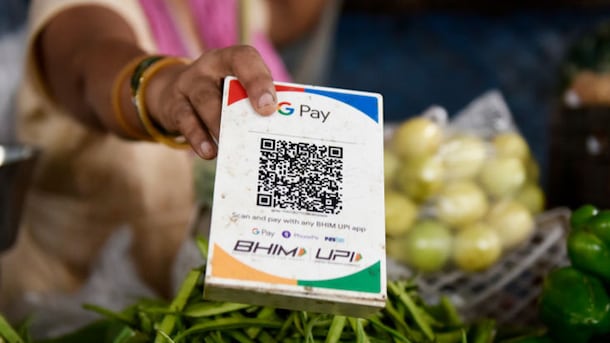
Another aspect is -- do brand loyalty programmes really hold water when UPI apps and credit cards offer instant discounts on repeated bookings/purchase. Customers love them.
But almost every business makes a distinction -- UPI rewards the payment; loyalty rewards the person.
A 10 per cent discount is a price cut. A loyalty programme remembers your preferences, gives priority access, upgrades, early entries, faster service.
Harsh Shah calls UPI discounts "generic incentives". Loyalty offers "contextual value". Dhruv Verma calls it the difference between utility and affinity.
Madhu Sudan Pahwa says payment offers bring customers in once. Loyalty is what brings them back.
So, What Does Brand Loyalty Mean Now?
It does not mean:
- Visiting the same place repeatedly
- Collecting points blindly
- Chasing free nights or meals
It means:
- Not having to start from scratch every time
- Being recognised without asking
- Saving time and effort
- Getting priority when it matters
- Trusting that things will work as expected
Andre's line sums it up best: "You are already at ease with the idea of navigating the services and the environment. And to have loyalty on top of that gives another incentive to revisit."
Aditi's resistance also explains the future: "I'll optimise later, if I need to."
Loyalty programmes of the future are not trying to trap Aditi. They are waiting for the day she wants optimisation. And making sure that when that day comes, they are worth returning to.
-
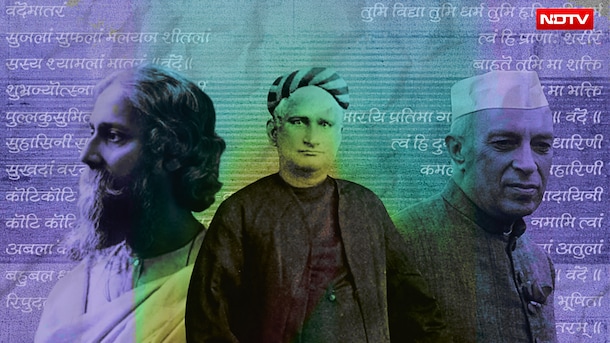
3 Minutes, 6 Stanzas, Century-Old Debate: The Many Turns In Vande Mataram's Journey

PM Narendra Modi launched a year-long commemoration of the song's 150th anniversary on November 7, 2025. In December, both Houses held special discussions on it, during which the 1937 Congress decision was scrutinised.
-
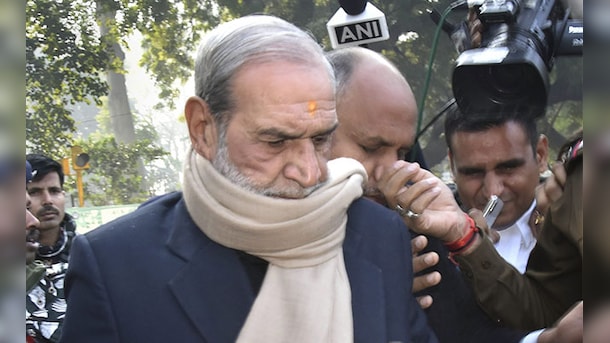
Opinion | Sajjan Kumar, Congress, And How To Keep Messing Up An 'Apology'
A sitting Congress MP has termed Sajjan Kumar's death an "irreparable loss", calling him a man whose bond with the people of Delhi was "an example". This was a tribute, delivered in full sentences, to a convicted killer of Sikhs.
-
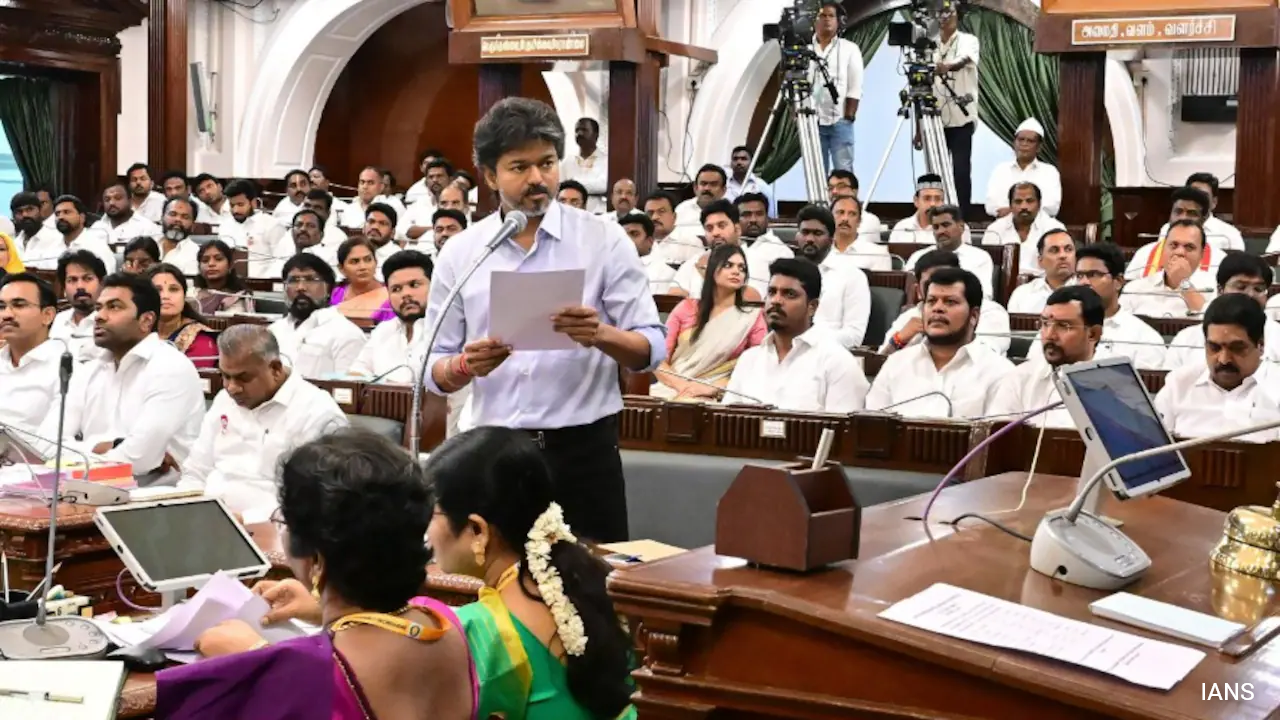
Explained: Why Tamil Nadu Dropped Second Airport Near Chennai
While the government stands firm with the protesting residents, Chief Minister Vijay assured that Chennai's aviation needs will not be ignored. The state will soon announce a detailed plan for a new airport at an alternative site, he said.
-
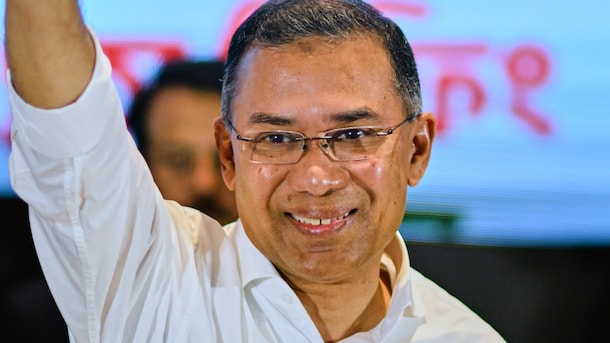
Opinion | A 'Snub' Gone Too Far? The Story Of Bangladesh PM's Stalled India Visit
The abrupt cancellation of Prime Minister Tarique Rahman's scheduled visit to New Delhi this month raises many questions.
-
Inside Pak's New Law That Has One Man Written All Over It: Asim Munir
With a new act, Munir has truly reached the apex. At least most politicians in Pakistan will hope so.
-
Behind Sugar Shock: Not Ethanol, But Over-Estimation Led To 16% Price Rise
In November 2025, the government allowed sugar mills to export 15 lakh tonnes. Now, India has allowed 10 lakh tonnes of raw sugar to enter duty-free.
-
Indian Family Wipeout Over iPhone: The Dangerous Lure Of Consumer Tech Debt
Young buyers walk into physical retail stores, hand over basic identity documents and walk out with a consumer electronic device that costs more than their entire family's monthly take-home income
-
China Outspends India In Space, But New Delhi Holds The Trust Card
The US remains the undisputed leader in the global space race. But it's realistic for India to aim for the third place, says Bellatrix Aerospace COO.
-
It's About The Provenance: Head Of Strategy Koreel Lahiri Decodes One Identity Of NDTV
We at NDTV consciously recognise the fact that the same consumer inhabits several screens during the course of a day.
-
Opinion | India's UPI Miracle Has Created A Difficult, Rs 20,000-Crore Question
UPI's whole magic was the Rs 30 payment it charged nothing for. But how long can it stay free?