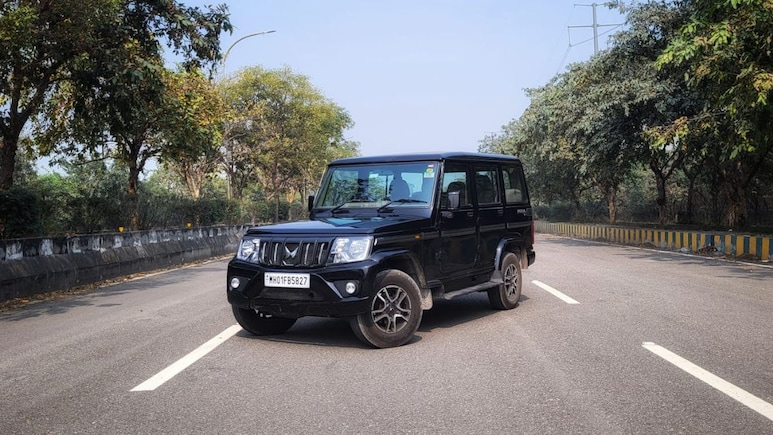
- Mahindra Bolero launched in 2000, remaining relevant across three buyer generations
- Prioritises durability, load capacity, and rough-road confidence over modern features
- Exterior remains unchanged except for new black paint, alloy wheels, and subtle design tweaks
There are cars that evolve with time, and then there are cars that simply refuse to follow it. The Mahindra Bolero belongs firmly in the latter category. Launched back in 2000, the Bolero has now spanned three generations of buyers. It found relevance in an era when Indian buyers were purely functional, stayed strong through the emotional buying phase of millennials, and somehow continues to make sense even to Gen Z. In 2026, the bigger question isn't why the Bolero exists - it's why it still works.
Built For A Purpose That Still Exists
While most SUVs today chase features, refinement, and comfort, the Bolero continues to prioritise durability, load-carrying ability, and rough-road confidence - needs that still define mobility across large parts of India. And that is the key to its survival. The Bolero isn't trying to be modern - it's trying to be useful.
Familiar, Yet Subtly Updated
Mahindra hasn't left the Bolero untouched. There's a new black paint scheme, alloy wheels, and the same boxy silhouette that, from certain angles, carries a hint of G-Wagen inspiration. But beyond these small updates, the Bolero remains visually unchanged - and that's part of its identity.
What hasn't changed, and perhaps shouldn't, is the experience of interacting with it. The doors still shut with that heavy, almost gun-cocking sound. And yes, you still pull to lock and push to unlock - the exact opposite of what most modern cars do. It feels odd at first, but oddly satisfying once familiar.
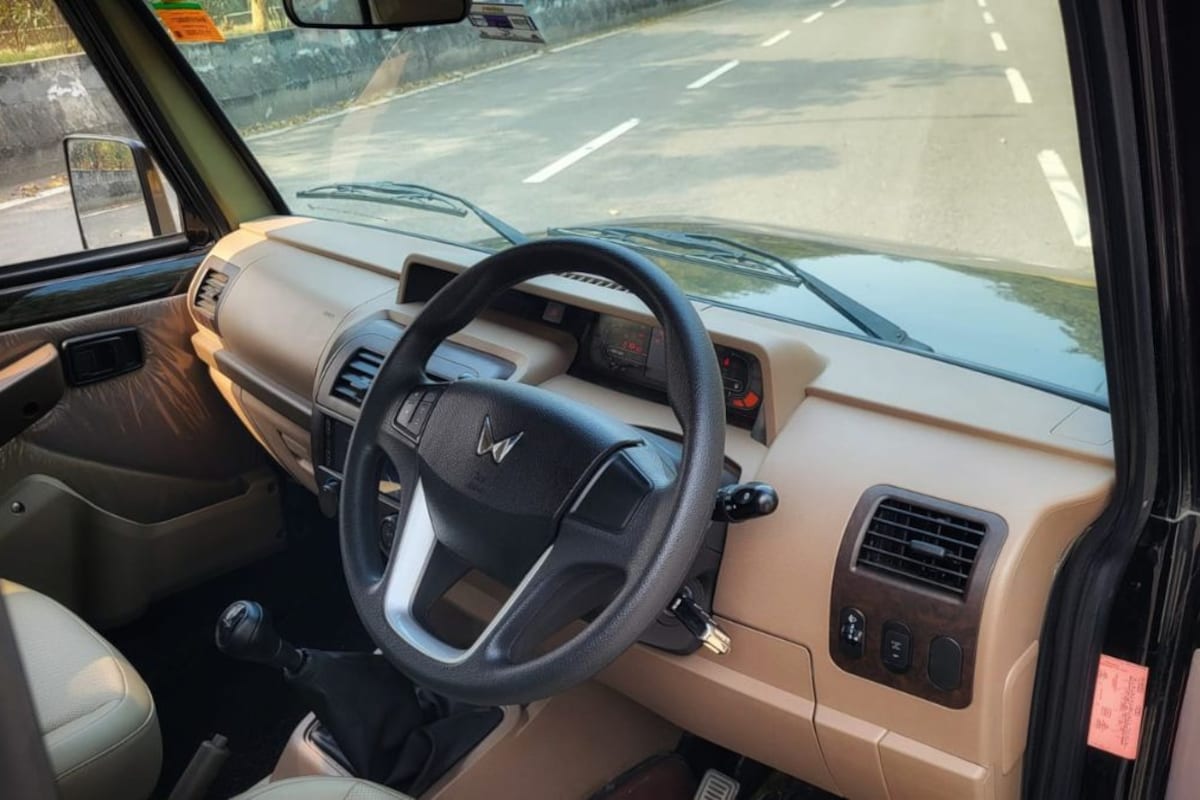
Cabin: Functional Comfort Over Sophistication
Step inside, and the Bolero surprises you in small but meaningful ways. The addition of leatherette seats improves comfort significantly - these are seats you can spend long hours on without fatigue.
However, getting into the perfect driving position takes some effort. Adjustability isn't the most intuitive, and ergonomics are clearly designed around function rather than finesse.
Tech? Yes, But Only Just
Mahindra has made an attempt to modernise the cabin. There's now a single-din touchscreen - a first for the Bolero - although its usability leaves room for improvement.
In typical Bolero fashion, even the presence of speakers is understated. You won't spot them easily, but they do their job. It's almost as if the Bolero acknowledges technology but refuses to showcase it.
Driving Experience: Honest, Not Effortless
Driving the Bolero is an experience that hasn't been diluted. The steering feels heavy, especially at low speeds - something that might remind you more of a workout than a commute. But this is balanced by a surprisingly light clutch, which makes navigating city traffic easier than expected.
What truly stands out, though, is visibility. The upright stance, large glass area, and minimal body blind spots make it incredibly easy to place the car on the road - a huge advantage in both urban chaos and rural conditions.
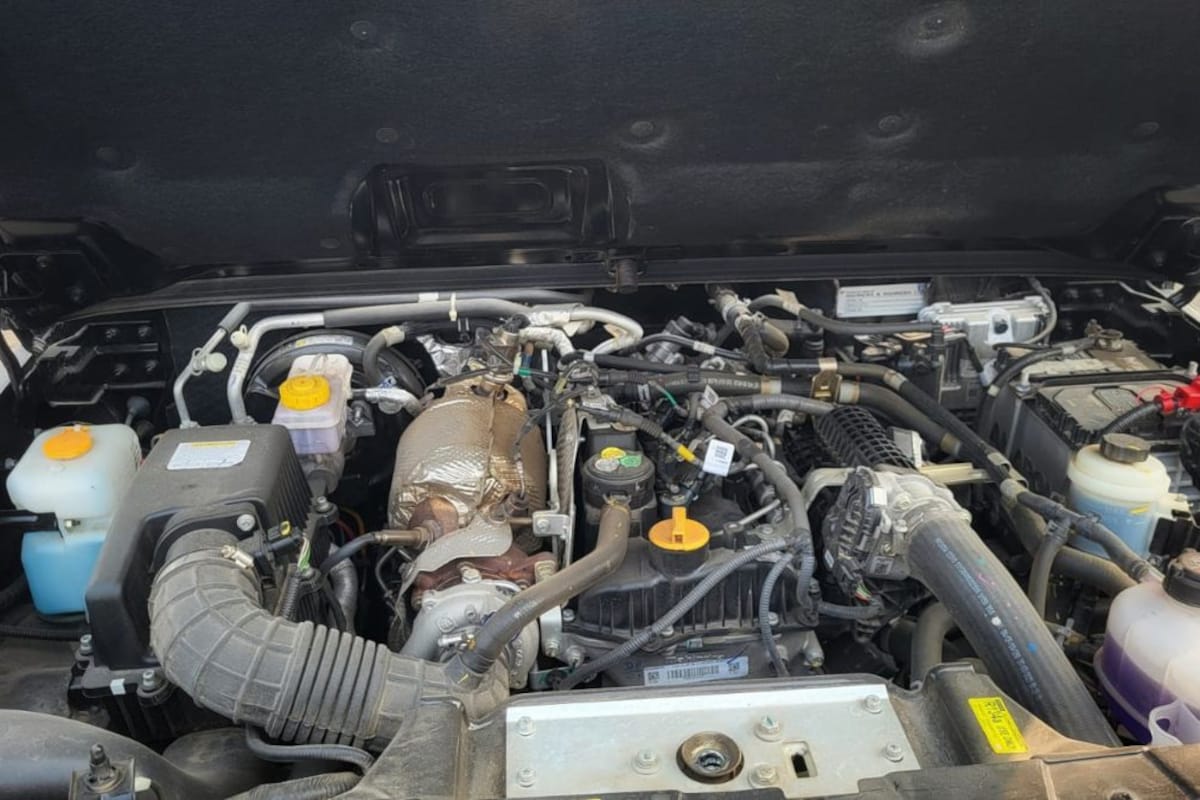
Smart Engineering Keeps It Relevant
One of the biggest reasons behind the Bolero's continued relevance is how cleverly Mahindra has adapted it to changing regulations.
When the sub-4-metre rule came into effect, Mahindra reworked the Bolero with a slimmer metal bumper to bring its length under the threshold. At the same time, the larger engine was replaced with a more efficient 1.5-litre diesel unit.
This wasn't just compliance - it was strategy. By qualifying as a sub-4-metre SUV, the Bolero remained competitively priced, preserving its appeal in cost-sensitive markets.
Also Read - Yamaha EC-06 First Ride Review: Best Bet In Electric Scooter Business Yet?
The Bigger Picture
The Bolero doesn't compete on features, doesn't chase trends, and doesn't try to impress in conventional ways.
Instead, it delivers something far more consistent - reliability, practicality, and purpose.
In Sumation
In 2026, the Mahindra Bolero remains relevant not because it has evolved dramatically, but because the problems it was designed to solve still exist.
And in a market increasingly driven by features and perception, the Bolero stands as a reminder that sometimes, honesty is the most enduring feature of all. At a starting price of Rs 7.99 lakh (ex-showroom), it is indeed the most-affordable true-blue SUV in the country.
Track Latest News Live on NDTV.com and get news updates from India and around the world
