How much TV does your child watch?
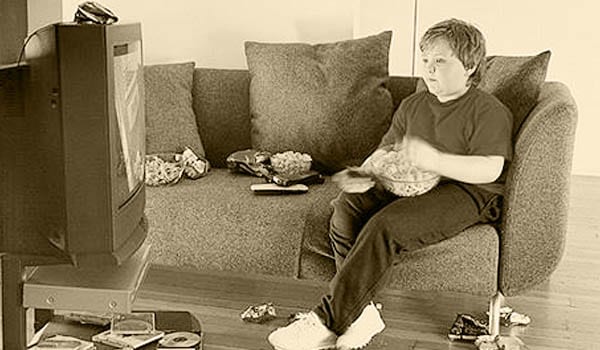
Many researches have shown the adverse effects of television (TV) on children. TV affects child's sleep, weight, grades, behaviour, and more. So, there are some tips on how much your child should watch television.
-
 How much TV does your child watch?Set limits on the amount of TV your child watches. Be firm. Limit children's TV viewing to an hour or two daily. Before children watch television, they should do their homework and chores, but TV should not be used as a reward. Helping children find things to do instead of watching TV, such as sports, hobbies, or family activities, can make setting limits easier.
 -
 How much TV does your child watch?Help your child plan TV viewing in advance. Choose programs from TV listings at the beginning of each week. Keep copies of the family viewing schedule where everyone can see them (by the TV, in her bedroom, or on the refrigerator) as reminders.
 -
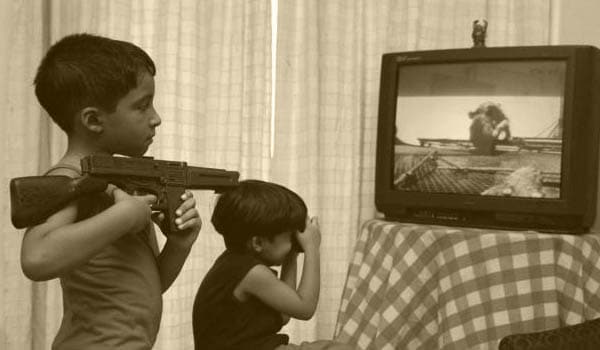 How much TV does your child watch?Know what television shows your child watches. Watch TV with your child. When programs show sex, alcohol or drug abuse, or violence, talk about what you see. Help your child understand what he is watching. This is a good time to reinforce your own family values.
 -
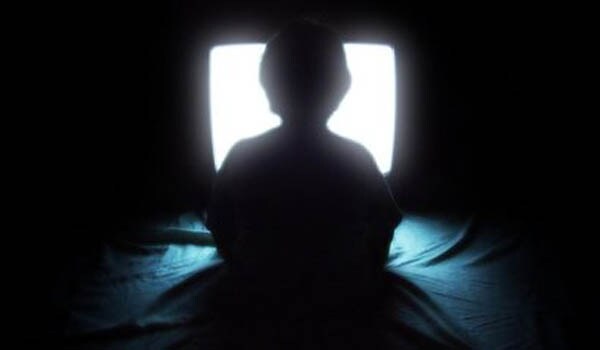 How much TV does your child watch?Do not allow your child to have a TV set in his bedroom. Not only will he tend to watch more TV, but he will probably stay in his room away from other family members. When a child watches TV in his own bedroom, it is harder for parents to guide his programme choices. He may get less sleep, causing him to be tired at school the next day.
 -
 How much TV does your child watch?Set an example of behaviour you wish to instill. If you want your child to read more that is what you should do. If you would like him to go outdoors for physical activity, make it a part of an enjoyable family exercise program.
 -
 How much TV does your child watch?If TV causes arguments or fights, simply unplug it for a while. Children can be creative when TV is not taking up all their time and attention.
[Adapted from the recommendations of the American Academy of Pediatrics (AAP)]