HIV myths and the reality
Many myths about HIV and AIDS have contributed to prejudice and stigma about the disease. Most of these myths like HIV spreads through touch, sharing utensils etc. have no base and have resulted from lack of awareness about the disease, its nature, and treatment.
-
Myth 1: HIV can be spread through tears, sweat, mosquitoes, pools, or casual contact
HIV can only be transmitted through infected blood, semen, vaginal fluids, and breast milk. The most common ways for HIV to be transmitted are through unprotected sexual contact and/or sharing needles with an HIV-positive person. HIV can also be passed from mother to baby during pregnancy, birth, or breastfeeding. -
Myth 2: There is no need to use a condom during sexual contact if both partners already have HIV.
There are different strains of HIV. If a condom is not used during sexual contact, HIV-infected partners may exchange different types or strains of HIV. This can lead to re-infection, which will make the treatment of HIV infection more difficult. So, it is important to use protection during sexual contact even if both the persons are infected with HIV. -
Myth 4: Faithful and loving partners do not spread HIV.
HIV can be transmitted through non-sexual activities such as blood transfusions and the sharing of injection needles as well regardless of whether your partner has remained faithful o you or not. So, to be safe, use a condom during sex, and get your partner and yourself tested for HIV. -
Myth 5: HIV/AIDS cannot be transmitted during oral sex.
Transmission of HIV occurs when there is an exchange of body fluids (such as semen, vaginal fluids, breast milk, blood or pre-ejaculatory fluids), and this is possible during oral sex when there are open wounds. These include cuts, sores or abrasions in the mouth or gums, or infections in the throat or mouth that are inflammed. -
Myth 7: If you live with an HIV positive person, you'll get HIV.
HIV can only be transmitted through an exchange of body fluids. It cannot be spread through physical contact unless you have an open wound which comes into contact with the body fluids (semen, vaginal fluids, breast milk, blood or pre-ejaculatory fluids) of an HIV-positive person. -
Myth 9: HIV positive people should not exercise as it puts extra strain on their bodies.
Basic exercise is important for everyone, no matter what your physical condition. In addition to toning muscles and improving strength, exercise can greatly improve the immune system and help you manage stress, which is especially beneficial for those living with HIV. -
Myth 10: Getting HIV/AIDS is a death sentence.
Although HIV/AIDS has no cure, it can be treated. There has been tremendous progress in treatment for HIV over the years. A person living with HIV/AIDS can now continue to live a strong and productive life for many years.

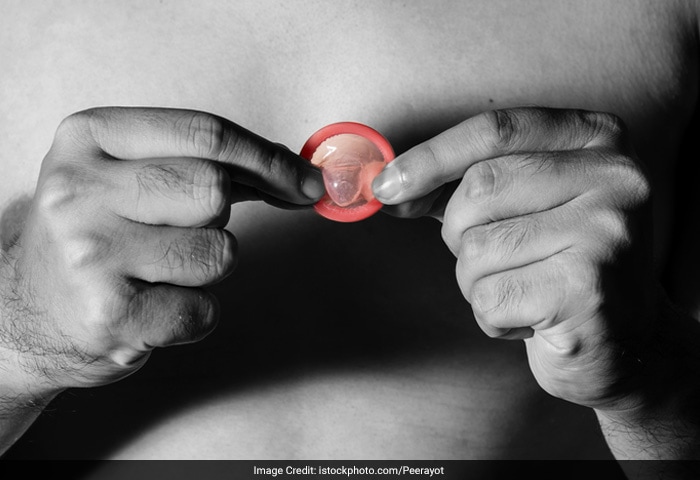


.jpg "<b>Myth 5:</b> HIV/AIDS cannot be transmitted during oral sex.<br><br>
Transmission of HIV occurs when there is an exchange of body fluids (such as semen, vaginal fluids, breast milk, blood or pre-ejaculatory fluids), and this is possible during oral sex when there are open wounds. These include cuts, sores or abrasions in the mouth or gums, or infections in the throat or mouth that are inflammed.")