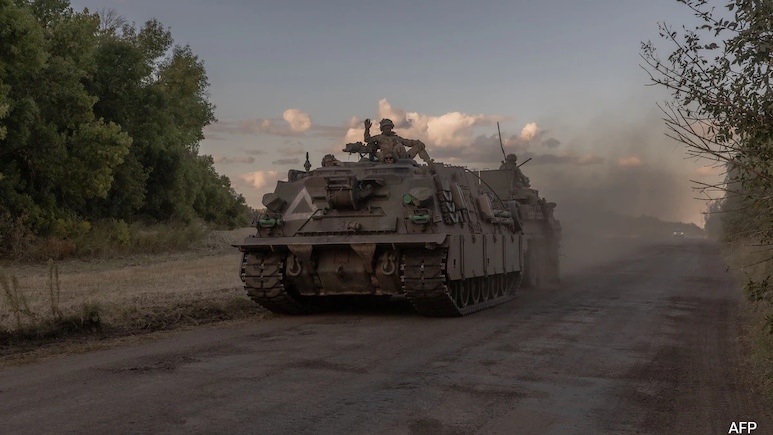
Over 700 pages of confidential audits have offered a detailed look at how Ukraine's military procurement system spent money on weapons and ammunition during the war with Russia. The documents, with The New York Times, revealed concerns over inflated prices, unreliable suppliers and questionable procurement contracts.
They found that officials repeatedly paid more than necessary for weapons, relied on intermediaries instead of buying directly from manufacturers and continued awarding contracts to companies that had failed to deliver or faced corruption allegations.
-

-
 Best Of NDTV World Summit 2026 | Defining Conversations, Big Ideas
 -
 PM Modi Says 'Parasite' Congress Hurts 'Honest' Dissent Movements
 -
 "Some Dreaming Of Disorder": PM Modi's Dig At Rahul Gandhi
 -
 PM Modi Highlights India's Firsts: Fast Breeder Reactor, Hydrogen Train, Asian Games Medals
 -
 "UN's Limits Clearly Visible": PM Modi Presses For 'New Solutions' At NDTV Summit
 -
 "World That Relied On India's Brainpower Now Trusts Its Mindpower": PM Modi
 -
 Non-Oil Trade With India Went Up 50% In 3 Years: UAE Minister At NDTV Summit
 -
 "Some Dreaming Of Disorder": PM's "Failed Product Of Congress" Jibe At Rahul Gandhi
 -
 'Viksit Bharat Not Just For Us': PM Modi's Top Quotes At NDTV World Summit
 -
 Has Indian Cuisine Arrived At The Global Stage? What Vir Sanghvi Believes
The reviews, conducted by Ukraine's State Audit Service and an internal auditing department of the Ministry of Defense, covered military procurement during 2024 and 2025.
Tamerlan Vahabov, a former adviser to the Defence Procurement Agency, said overspending and waste had serious consequences. "As a result, we don't have money to order more weapons. And we don't have the quantity of ammunition we need. And it is a recurring pattern," he was quoted as saying by The NYT.
Concerns Over Inflated Prices and Middlemen
One of the major concerns raised by the auditors was the repeated use of intermediaries for weapons purchases, even when cheaper options were reportedly available directly from manufacturers.
A 2024 State Audit Service report criticised the country's reliance on arms traders, who act as middlemen and typically add a markup to the price of weapons. The practice reportedly resulted in higher procurement costs and generated tens of millions of dollars for intermediary companies.
Despite the concerns raised in the 2024 review, another audit conducted in early 2025 found that lucrative contracts continued to be awarded to traders, even in cases where the same weapons could be obtained from manufacturers.
Failed Suppliers Continued to Receive New Contracts
The audits also raised questions over companies that continued receiving contracts despite failing to fulfil previous agreements.
According to the findings, seven of Ukraine's top 10 Defence Ministry contractors won new business despite having defaulted on earlier contracts or having senior executives facing criminal investigations. Auditors found that weapons procurement officials signed agreements with 18 companies that had previously failed to meet contractual obligations.
Contracts Awarded Despite Questions Over Delivery Capacity
Auditors found that some companies secured defence contracts despite questions over their ability to deliver the promised weapons. In one case, Ukraine signed a deal for 70-millimetre unguided aviation rockets from Turkey through an intermediary despite the manufacturer warning that it could not supply the promised quantity by the intermediary. The contract was signed despite the warning, according to the auditors.
The audits also raised concerns over weapons being purchased without proof that they had undergone proper testing. In one case, a rocket exploded inside a launch tube during a combat operation, severely damaging a Ukrainian Mi-8 helicopter and prompting a criminal investigation.
Military Contractors Saw Profits Rise
While Ukraine faced significant procurement losses, several arms companies benefited from increased military spending during the war, including the Czechoslovak Group and Ukraine's Pavlohrad Chemical Plant. Meanwhile, auditors found that Ukraine lost around $1.2 billion in 2024 due to fraud, waste and mismanagement in military procurement.
Track Latest News Live on NDTV.com and get news updates from India and around the world


