China Is Mining The Iran War For Lessons On US Military Power
China is studying two wars at once: Op Sindoor for lessons on Indian air defence and Beijing-backed Pakistani systems, and in Iran for US strike doctrine, AI targeting and air-defence saturation - with Taiwan as a likely endgame.
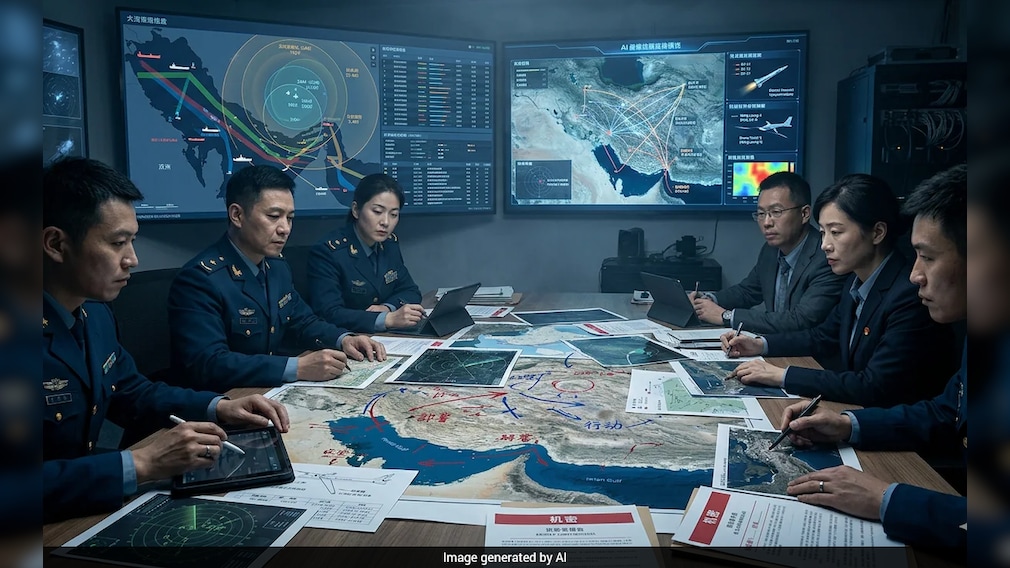
China almost certainly studied Operation Sindoor - the June 2025 India-Pakistan military conflict - to understand how Indian air defence systems handled Pak missile barrages. And last week the South China Morning Post confirmed what many in India suspected - China provided on-site technical support to Pakistan.
Engineers from the Chengdu Aircraft Design and Research Institute - which developed the J-10CE fighter jets Islamabad bought from Beijing - said they worked to ensure the equipment could "truly perform at its full combat potential". China was likely also able to study mission and combat data from Pak jets involved in the conflict and air defence systems it sold to Pak.
And China is almost certainly studying the war in Iran to assess US military capabilities and gaps - defensive and offensive - in different combat scenarios. This includes how advanced anti-missile systems like the Patriot and THAAD hold up under saturation fire and how expenditure of munitions and high-end missiles may affect its ability to sustain a prolonged conflict.
Experts told CNN this week Beijing likely has a long list of observations from the past three months in the event of future conflicts with the US, in a Taiwan-related scenario, for example. These range from evaluating command structure and asset allocation to target acquisition criteria and strike patterns. Crucially, it likely also includes 'kill chain' latency compression by integrating satellite intel with AI-enabled targeting protocols like the Maven Smart System.
The lessons, experts said, possibly also include how the White House is balancing domestic political pressure with military objectives, and how it is handling the energy crisis and stressed relationships with European allies.
Op Sindoor gave China a live lab for testing and refining weapons and radar systems, while Iran is giving it a second chance to do the same - against the US and in different terrain - as well as a real-time demonstration of American strike doctrine.
Both scenarios suggest China is asking the same question - how do modern air wars break down an enemy and what is the most efficient - i.e., with the lowest possible human and financial costs - way to achieve that result.
What China is learning from US air power
From an attack perspective, most experts believe China is well-placed.
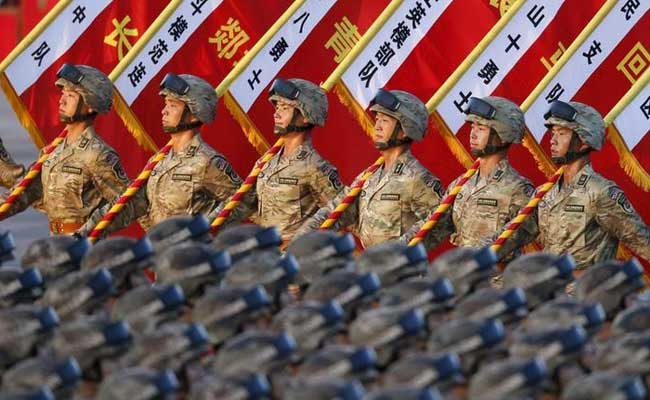
Its air and missile power has evolved substantially in recent years, including the expansion of missile research and manufacturing centres and addition of hypersonic glide vehicles that can evade interceptors. Fifth-generation J-20 fighter jets are being produced rapidly and Beijing is increasing its nuclear weapons stockpile - something the US will not have missed.
In June the Stockholm International Peace Research Institute said China has been adding an estimated 100 new warheads to its arsenal every year since 2023, more than any other country.
China's navy has grown too. It has already transitioned from a largely coastal defence-only force to a deep-water fleet that is, by hull count alone, believed to be the largest in the world.
But a former Chinese air force colonel told CNN of the need to focus on air defences. Fi Qianshao said: "We need to devote significant efforts to identify weaknesses in our defensive side to ensure we remain invincible in future wars."
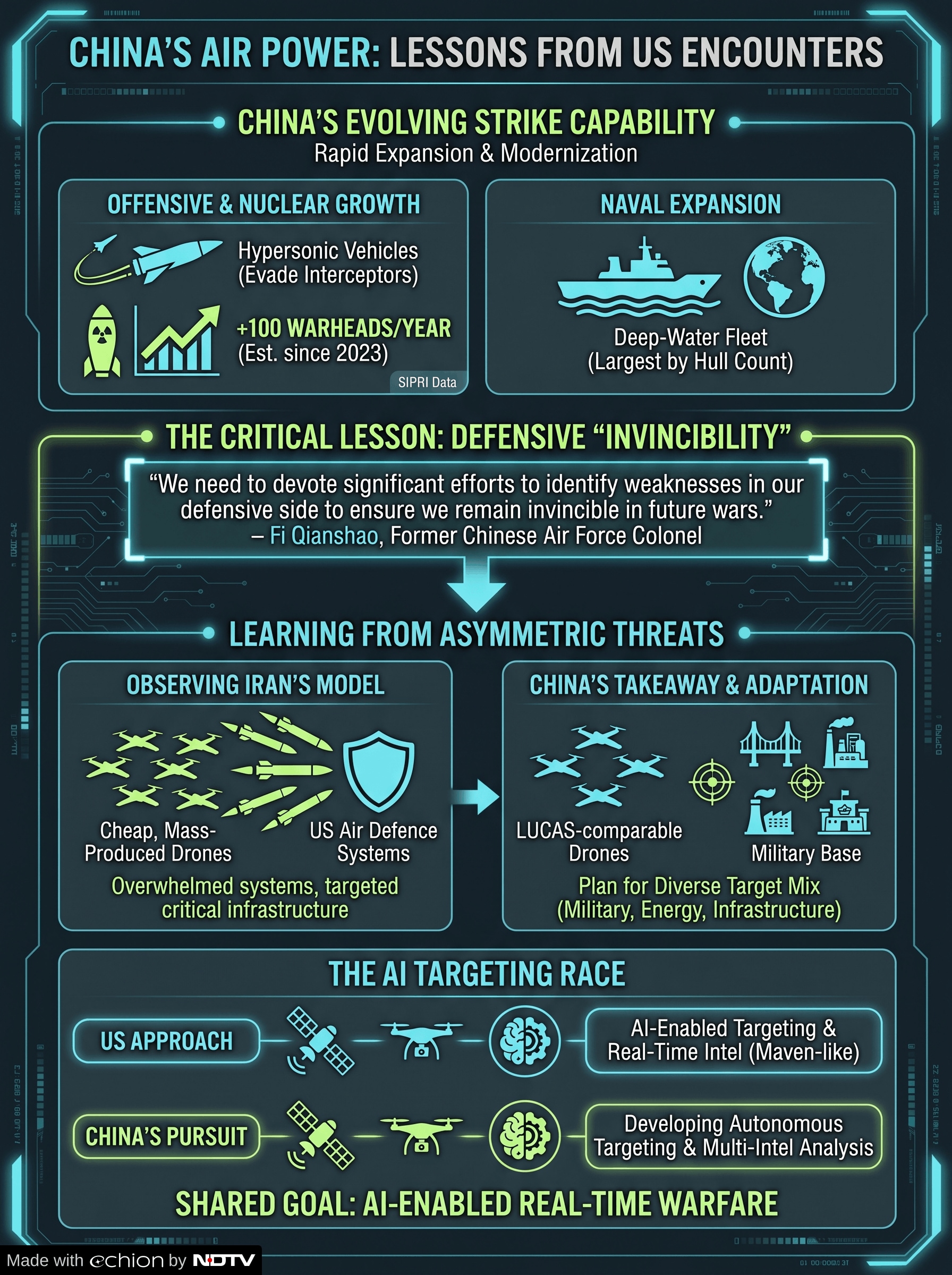
Iran's asymmetric warfare model, i.e., cheaply-made, mass-produced Shahed drones threatened to overwhelm US air defence systems in the early days of the fighting.
The fact Iran used drones and low-cost ballistic missiles to repeatedly penetrate US air cover, and target critical military and energy infrastructure, is something Beijing will have noted.
And, like the US would have noted Beijing's nuke build-up, Beijing would have spotted the US' use of Shahed-comparable drones - the LUCAS (Low-Cost Unmanned Combat Attack System).
At the other end of the spectrum, a target mix that included steel plants and bridges as well as more traditional energy and military objectives is something to plan for, Qianshao told CNN.
And built into all of this is AI-enabled targeting systems. This is something China is also reportedly working towards, with applications ranging from autonomous targeting systems to Maven-like real-time, multi-intel feed analysis software.
“The Chinese military is going to go to school on this,” Dennis Wilder, a former US Central Intelligence Agency and National Security Council official told the SCMP. “For the Chinese, the question is - 'will this work and is this workable for us?'”
What China may have taken from Op Sindoor
Closer to home, the days-long India-Pak conflict offered China a rare 2-for-1 chance to see how Delhi's air defences responded to enemy missile fire.
India is in the process of building a 'Sudarshan Chakra' - a 'multi-layered framework' to integrate anti-missile capabilities, advanced surveillance, and cyber protection for a defensive framework similar to much-vaunted Iron Dome.
NDTV Explains | 'Sudarshan Chakra' To Protect Our Skies. India's 'Iron Dome'
The core of that new system is expected to be the Integrated Air Command and Control System Pak's missiles couldn't penetrate during Op Sindoor. On the other hand, Indian air strikes and missiles bypassed Pak's Chinese air defence systems.
In both cases Beijing will want to know exactly what happened.
Is there a Taiwan end game?
In modern military engagements air defences are the first barrier for an enemy force.
And China is studying two distinct systems - the US-made Patriot in Iran and the Russian-made S-400 in India, the two arguably direct rivals and among the most advanced of their kind.
Live-fire situation reviews of both are possibly linked to China's fixation on Taiwan and the fact President Xi Jinping has never explicitly ruled out force to conquer the island.
But Taiwan security analysts told CNN they are aware China has built a military that can rival the US in high-tech precision and match Iran's low-cost, high-volume economics of war.
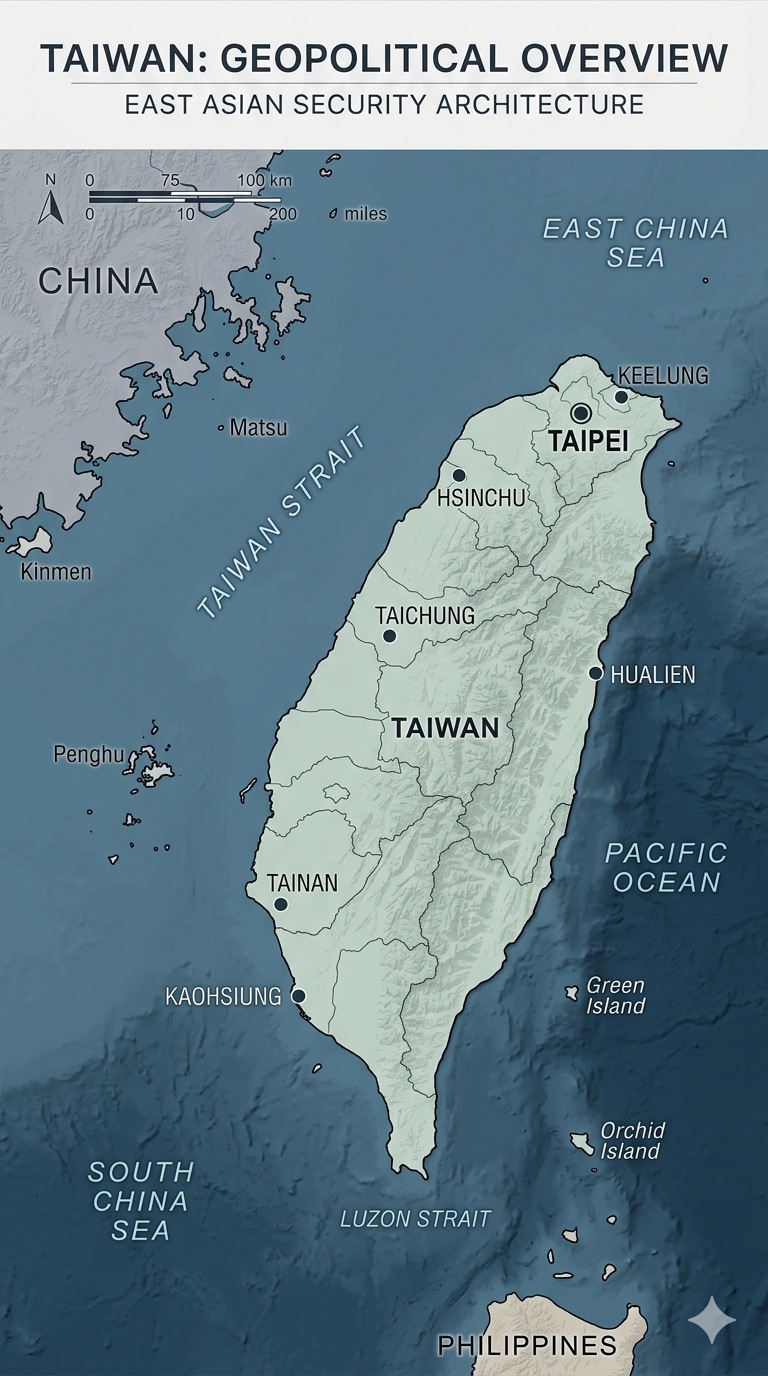
Image generated by AI
In a future scenario where Beijing uses that military force, it must assume the US will respond to legal obligations to provide Taiwan with a means to defend itself. Of course, American foreign policy has been volatile under Trump but Secretary of State Marco Rubio's comment last week - about the need for stability in the region - suggests the US president will move to counter.
The US already has military assets in that theatre, including Patriot missile batteries, though these could be relocated to the Middle East to offset losses suffered in the Iran war.
China, experts feel, is watching Iran not just because of the Strait of Hormuz - the global energy chokepoint that ships 33-37 per cent of its oil - but also because a Taiwan conflict will demand a decisive outcome before it turns into a war of attrition.
-
Gyanesh Kumar Has An Immunity Pin. Why A Petition Says He Can't Use It

The Opposition wants the Chief Election Commissioner prosecuted for alleged manipulation of voter rolls, but a 2023 law stands in the way. A petition in the Supreme Court now says the law has a gap.
-
Opinion | Is The World Staring At A Big Stock Market Crash - And Recession? 5 Uneasy Signs
On Wednesday, the US bond market recorded its worst day since Trump's "Liberation Day" tariffs rattled markets in April 2025. The 30-year US Treasury yield topped 5.43%, putting it on track for its highest close since 2004.
-
Form 6 For New Voters: When A Small Change Triggered A Big Row
In July 2026, the online version of Form 6 on the ECI's ECINet portal was modified to include a new declaration.
-
Opinion | Saudi Arabia's China Turn Has Begun - After Learning Much The Hard Way
Leaning on China just makes sense for the Saudis right now. The question is, can its other great 'ally' stomach it?
-
Opinion | Bihar Assault, Hisar Marriage Ban: Who'll Stop The Guardians Of Indian 'Culture'?
Why exactly does the sight of a young couple seeking a bit of alone time somewhere tend to particularly provoke a certain kind of Indian men?
-
Opinion | The Trump-Xi Summit, And India's Many Worries Of Its Own
Washington and Beijing may have chosen coexistence over confrontation. For India, that could be both a relief and a warning.
-
Opinion | China Claims It Has Cut Troops At The Indian Border. But The Math Doesn't Add Up
The reduction likely has more to do with the deployment along the LAC than the total strength active in the region
-
Opinion | China Is No Longer Waiting For Trump To Set The Rules. And He Knows It
America's old diplomatic tricks with China won't work any longer. Because China has changed, and so has its ambitions.
-
Opinion | As UN Interviews Its Next Chief, The Interviewers Have Some Explaining To Do
On the panel sit governments whose wars, vetoes, and unpaid dues have helped make the organisation ineffective.