- US Vice President Vance's Islamabad trip paused amid uncertain Iran peace talks
- Iran denies plans to visit Islamabad, citing US contradictory actions and messages
- Four scenarios: talks leading to deal, failed talks with diplomacy, no talks but a ceasefire, talks collapse
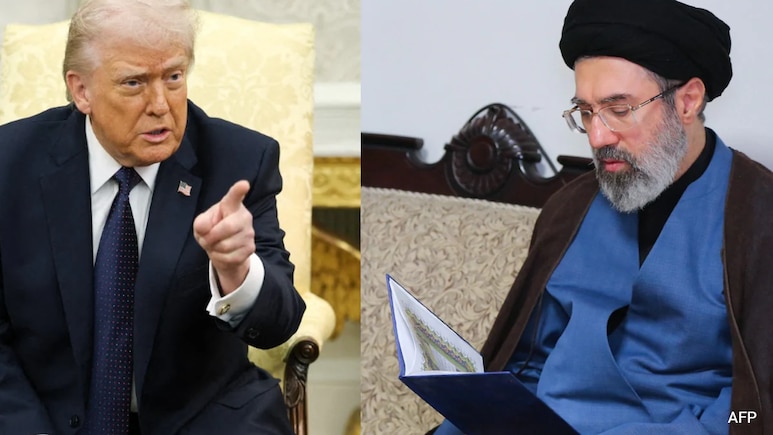
US President Donald Trump said that he does not want to extend the Iran ceasefire deadline of Wednesday morning, 5:30 am IST, and that he expects "to be bombing" Iran if the two warring countries cannot reach a deal to extend the ceasefire.
US Vice President JD Vance was expected to depart for Islamabad; however, his plans have been put on hold as plans of Iran peace talks resuming remain unclear.
Meanwhile, Iran's Foreign Ministry spokesperson Esmaeil Baqaei said that Iran has no plans to go to Islamabad "at the moment". He said that the reasons are "the contradictory messages, contradictory behaviours, and unacceptable actions of the American side".
With negotiations hanging in the balance, four broad scenarios could shape what comes next.
Talks Happen, Temporary Deal Emerges
If both sides return to the table, even limited progress could lead to a stopgap arrangement. An interim memorandum of understanding (MoU) may be signed, allowing Washington and Tehran to claim partial success while avoiding escalation. The primary aim here would be to buy time, extending the ceasefire and keeping tensions from boiling over, even if the core disputes remain unresolved.
Talks Fail, But Diplomacy Lingers
Negotiations may take place but fail to deliver a breakthrough. In such a case, both sides could still opt to extend the ceasefire to avoid immediate conflict. However, this would only mask the reality that significant gaps on key issues remain. The standoff would continue, with neither side willing to concede ground, prolonging uncertainty.
No Talks, Ceasefire Holds
Even without formal negotiations, backchannel efforts or strategic restraint could lead to a ceasefire extension. But this would be a fragile pause, not a pathway to peace. Without active dialogue, the risk of miscalculation, whether in the Strait of Hormuz or elsewhere, remains high, and a single incident could quickly disrupt the ceasefire.
Talks Collapse, Ceasefire Ends
The most volatile outcome would see talks fall apart entirely, with no agreement to extend the ceasefire. In this scenario, hostilities could resume swiftly, potentially targeting critical Iranian infrastructure. With both sides already signalling military readiness, escalation could be rapid and far-reaching.
Since a marathon first round of talks, also in Islamabad, Trump has announced a blockade of Iranian ports, while Tehran has closed the Strait of Hormuz again.
Both sides have accused the other of ceasefire breaches.
Since the war started, at least 3,375 people have been killed in Iran, according to authorities. Additionally, 23 people have died in Israel and more than a dozen in Gulf Arab states. Fifteen Israeli soldiers in Lebanon and 13 US service members throughout the region have been killed.
Track Latest News Live on NDTV.com and get news updates from India and around the world


