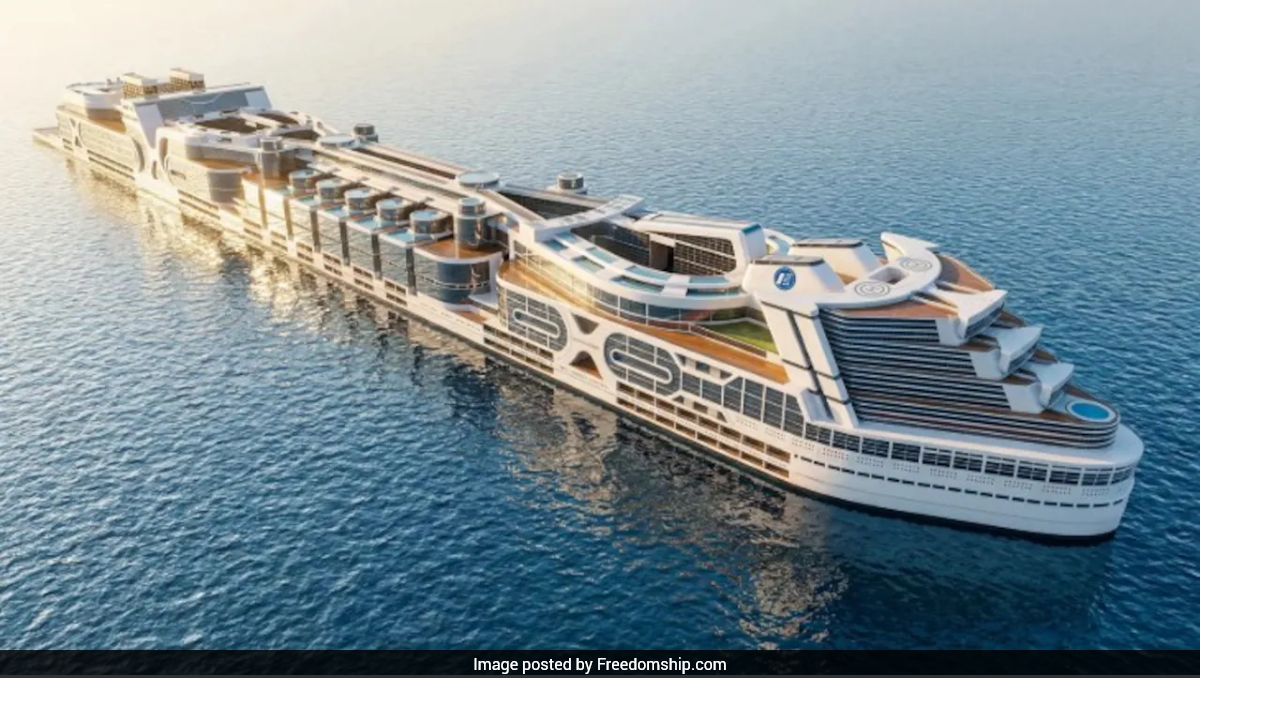
- Freedom Ship is a proposed $15 billion floating city for 80,000 people at sea
- It will be 1.8 km long, 250 m wide, and 25 stories high, surpassing current cruise ships
- The vessel includes homes, schools, hospitals, parks, shops, and an airport runway
Imagine a city that never stays in one place - a floating metropolis complete with homes, schools, hospitals, parks, shopping centres, and even its own airport. That is the vision behind the proposed 'Freedom Ship', a colossal 12 billion pound ($15 billion) project that aims to become the world's first true "city at sea." Originally conceived in the late 1990s by engineer Norman Nixon, the ambitious concept has gained renewed attention under the leadership of Roger Gooch, CEO of Freedom Cruise Line International. If built, the vessel would be unlike anything ever seen in maritime history, carrying up to 80,000 people and dwarfing even today's largest cruise ships.
CEO Roger Gooch told the Telegraph, "We feel very confident that we can put this together, but capitalization is key."
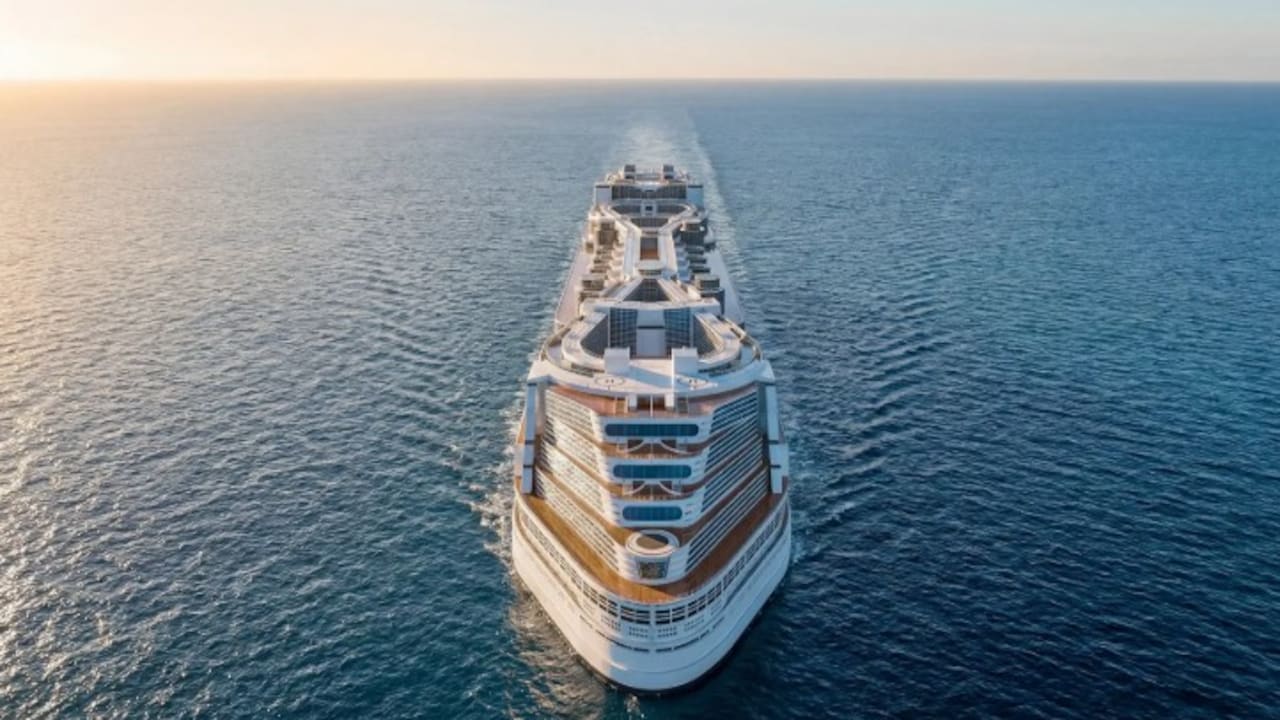
Unlike traditional cruise liners that operate on fixed itineraries, Freedom Ship is designed to function as a permanent ocean-going community. The vessel would continuously travel around the globe, completing a full circumnavigation every two to three years while spending most of its time in international waters, beyond the jurisdiction of any single country.
Features of the Ship
- The ship's proposed dimensions put it in a league of its own. It would be more than four times longer than the largest cruise ships today, which are 1.8 kilometers (5,900 feet) long.
- The vessel will be about 250 metres (800 feet) wide and rise 25 stories above the waterline. It would dwarf modern mega-cruise ships by a staggering distance, at an estimated gross tonnage of 2.3 million.
- Freedom Ship is envisioned to accommodate around 50,000 permanent residents, supported by 20,000 crew members. An additional 10,000 hotel guests could stay onboard at any given time, while thousands of day visitors would be able to access the floating city during its stops near coastlines.
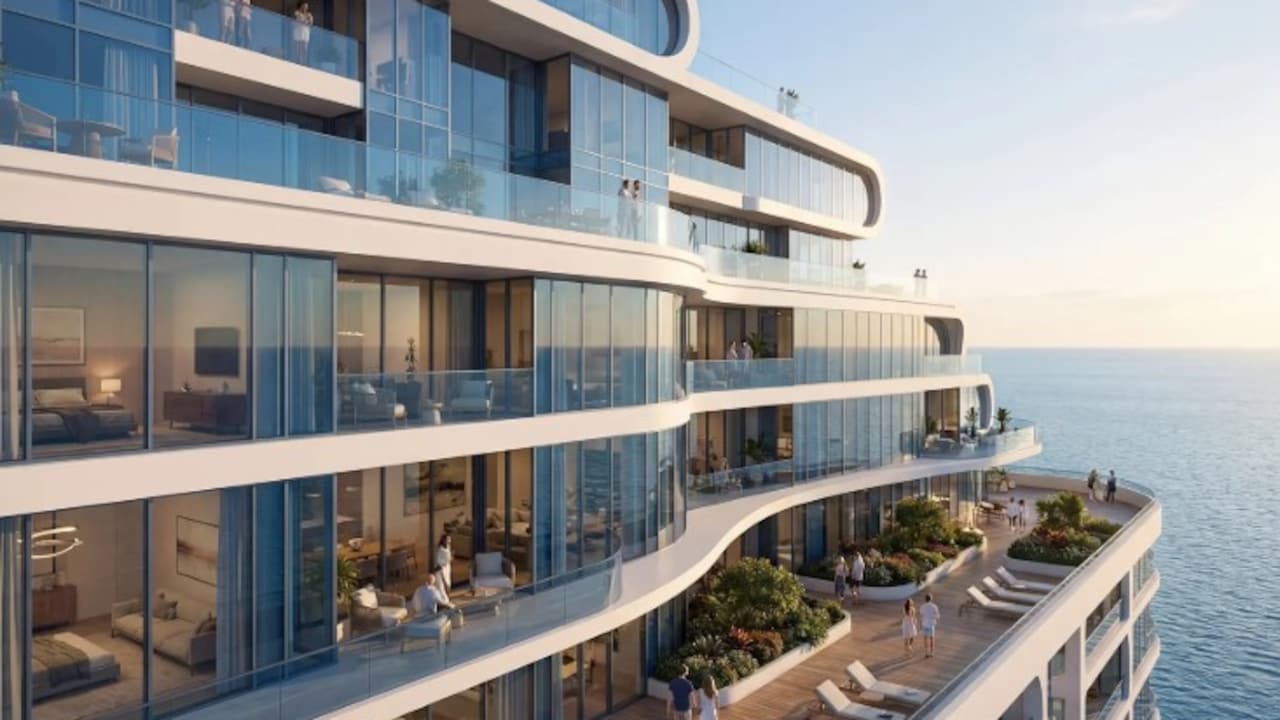
- What truly sets the project apart is its ambition to recreate the infrastructure of a modern city. Plans include residential neighbourhoods, schools, banks, office spaces, and a fully equipped research hospital.
- Residents would have access to an internal rapid-transit network designed to help people move efficiently across the vessel's enormous decks.
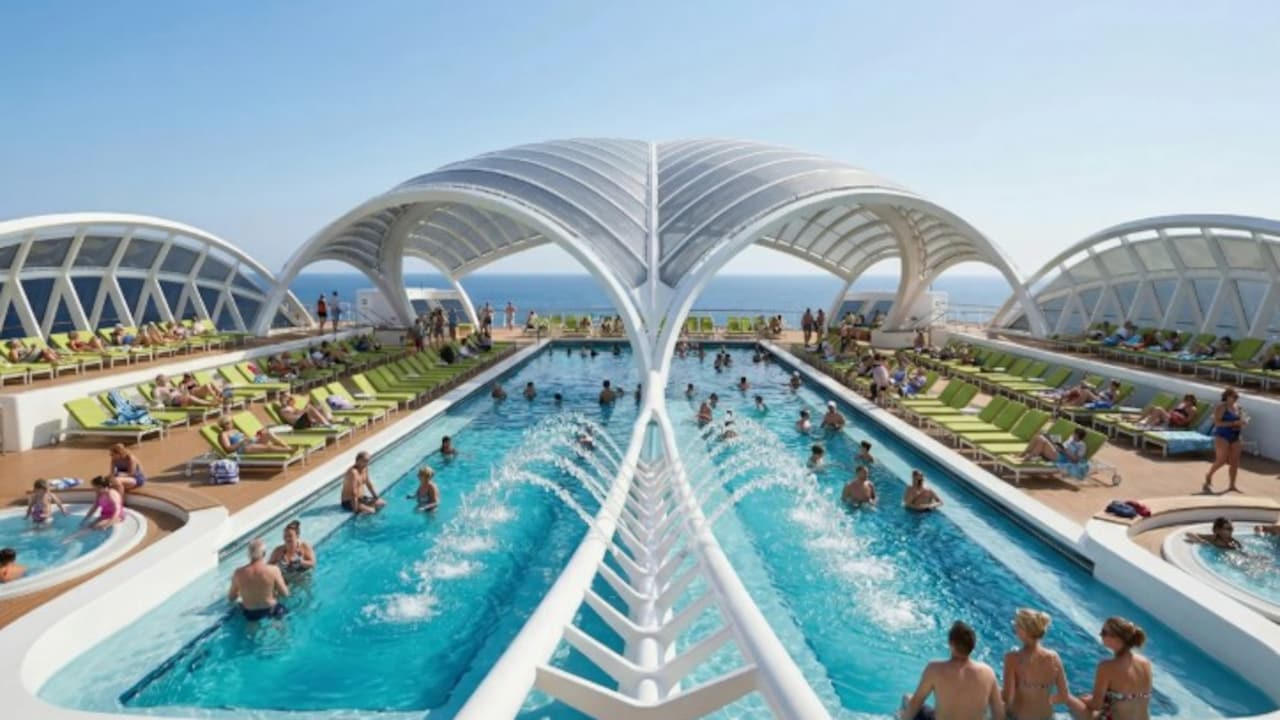
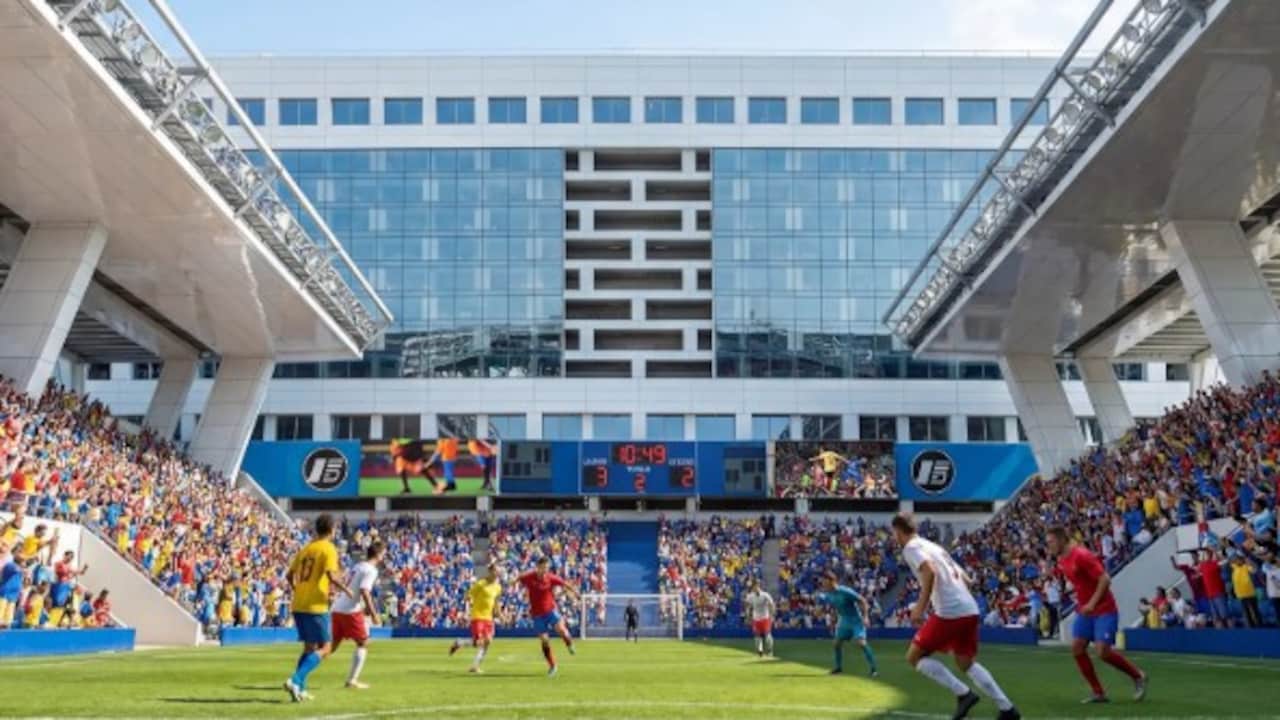
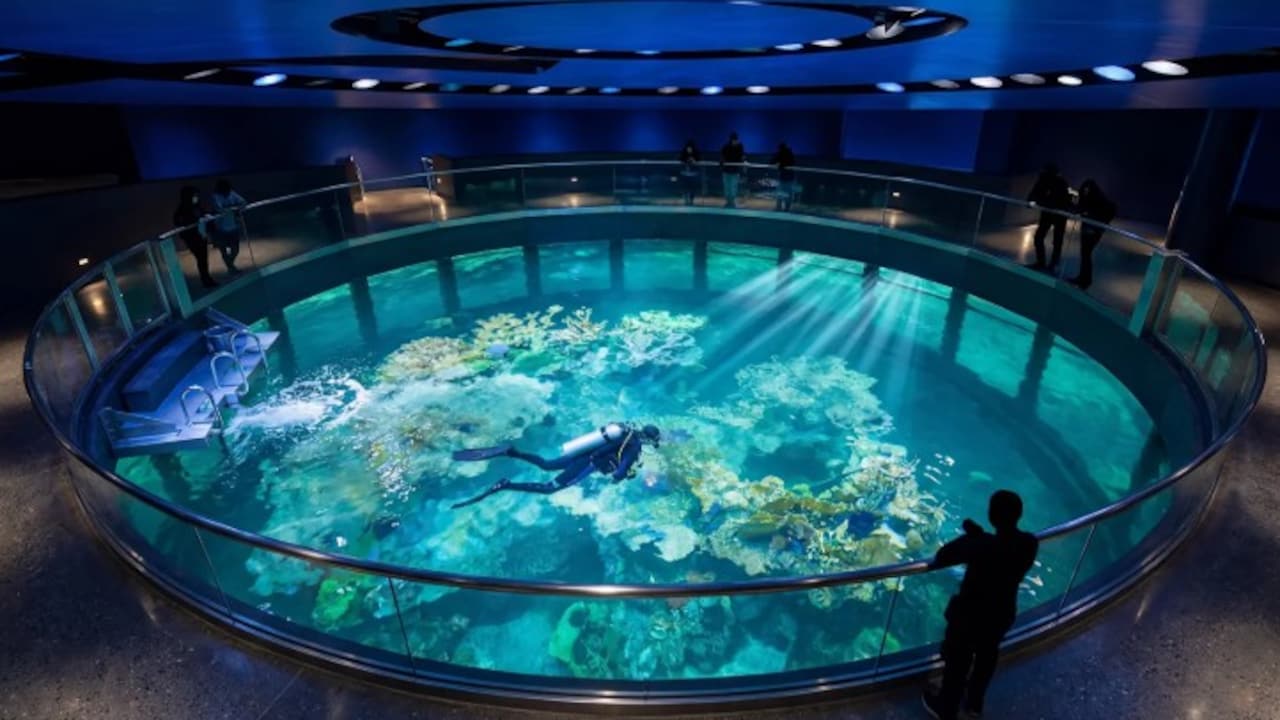
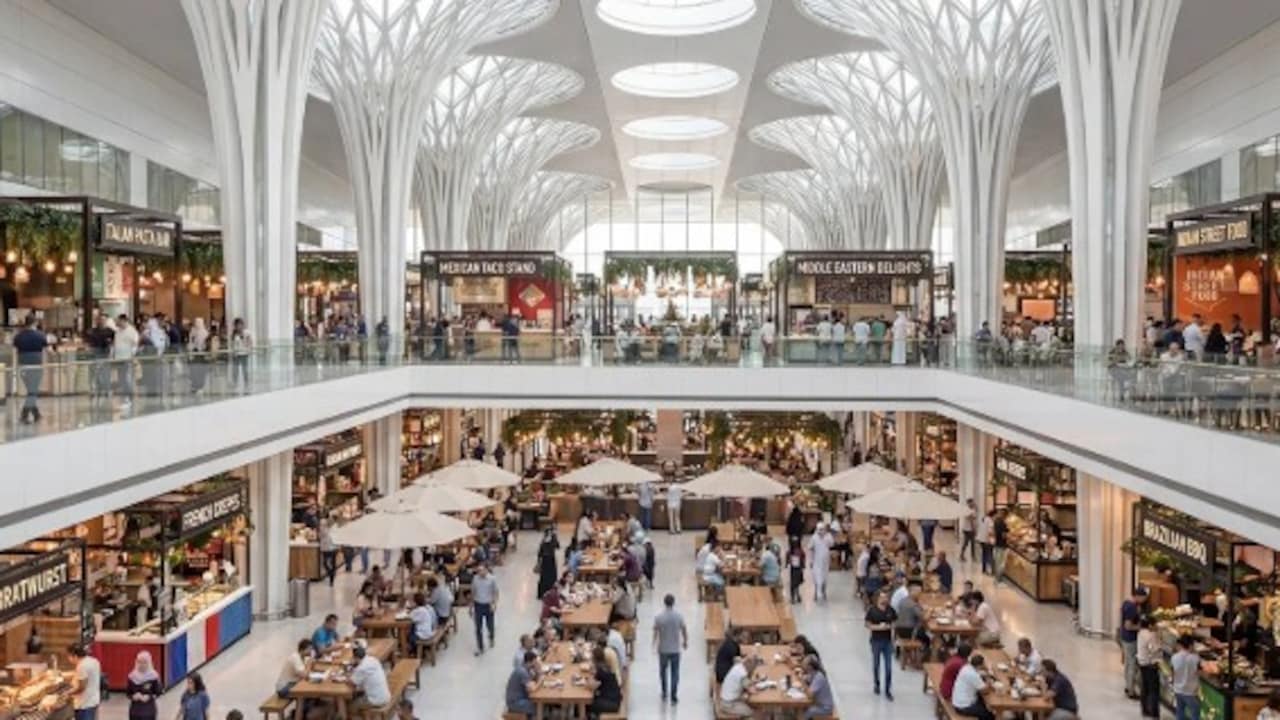
- The proposed entertainment and leisure facilities are equally ambitious. Blueprints feature a 15,000-seat sports stadium, a convention centre, shopping districts, museums, a symphony hall, a two-story food court, and several acres of landscaped eco-parks.
- The idea is to create a self-sustaining community where residents can live, work, study, and socialise without needing to return to land regularly.
- One of the most striking features is the rooftop aviation deck. Designers have proposed a runway capable of handling small aircraft and private jets, alongside eight helipads that would connect the floating city with nearby mainland destinations.
See a few pictures here:
Challenges That Lie Ahead
Despite its futuristic appeal, the project faces enormous engineering and financial challenges. Experts note that powering a vessel of this scale would require unprecedented energy resources, with some suggesting nuclear propulsion may be the only practical long-term solution.
Another major obstacle is accessibility. Freedom Ship would be too large to enter any existing port in the world. Instead, it would remain anchored offshore, relying on a network of high-speed ferries and smaller transport vessels to shuttle people and supplies between the ship and the mainland.
Funding remains the biggest hurdle. Building what is essentially a floating city would require tens of billions of dollars in investment before construction could even begin.
While the project has captured imaginations for decades, turning the vision into reality will require overcoming some of the most complex engineering, logistical, and financial challenges ever attempted in maritime history.
Track Latest News Live on NDTV.com and get news updates from India and around the world


