Pak-Afghan Inch Closer To 'Open War' After Failed Turkey Peace Talks
The failed talks have also refocused attention on Pakistan Defence Minister Khawaja Asif's remarks, that Islamabad may have no choice but to engage in open conflict" if dialogue fails.
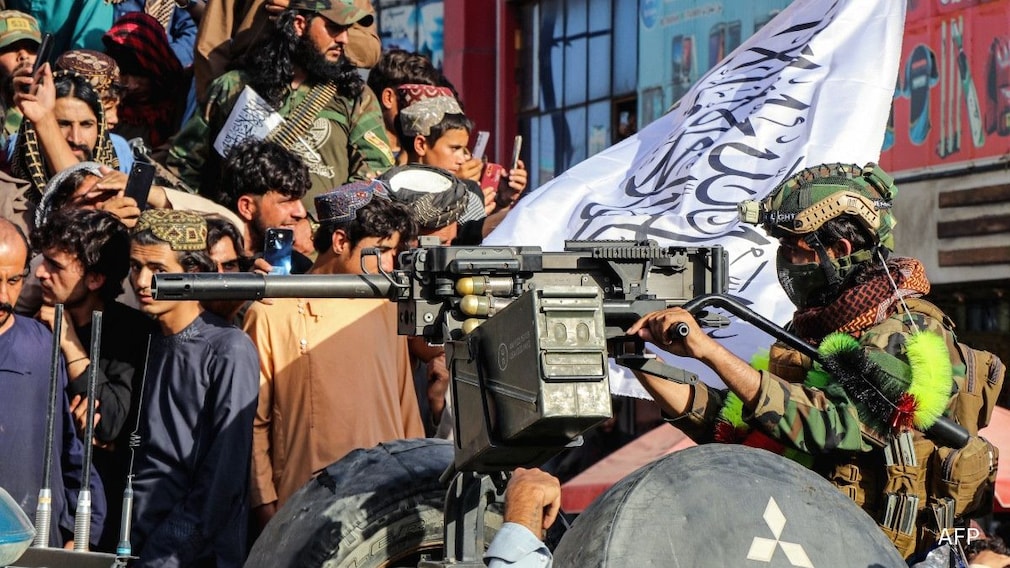
Talks between Afghanistan and Pakistan to secure a long-term truce have failed, state media from both countries said Tuesday afternoon, each blaming the other for the apparent deadlock. Three Pak officials with direct knowledge of the talks told The Associated Press the impasse is over Kabul's reluctance in accepting 'logical and legitimate demands', i.e., assurances were sought from the Afghan side that its soil won't be used to stage terror attacks against Pakistan.
There has been formal response or comment from either side so far, though Afghan state media RTA said its negotiators "made every effort to hold constructive talks", unlike the Pak camp, which counterered by accusing the Afghans of showing "stubbornness and a lack of seriousness", and said, "Further progress depends on the positive attitude of Afghanistan."
If true, the reason for the breakdown will raise eyebrows in India, given Delhi's long-standing position that the Pak deep state funds, trains, and otherwise supports cross-border terrorist attacks on Indian military and civilian assets and individuals.
'War' if talks fail: Pakistan
The failed talks have also refocused attention on Pakistan Defence Minister Khawaja Asif's remarks, that Islamabad may have no choice but to engage in open conflict" if dialogue fails. The aggressive rhetoric now stands as a point of worry in a world that can't afford more wars.
Pak and Afghan reps are still in Turkey but there is no word of a fourth round of talks.
The first round of talks, mediated by Qatar and Turkey, took place in Doha on October 18-19. The talks are part of a broader diplomatic push to ease months of heightened tension over Pak accusing Afghanistan of supporting cross-border terrorism.
READ | Afghanistan Urges "Understanding" As Pakistan Truce Talks Enter Third Day
Specifically, it has accused Kabul of terror strikes via the Tehreek-e-Taliban Pakistan, a distinct but ideologically allied group with the Taliban that seized power in Afghanistan in August 2021. The Taliban has strongly denied this allegation.
Nevertheless, Pakistan has carried out air strikes to target 'terrorists and terrorist centres in Kabul'. The Taliban has slammed these as military operations violating Afghan sovereignty.
The 48-hour ceasefire
On October 15 a 48-hour ceasefire was announced.
This was after Pak said it had killed 'dozens of Afghan forces and militants' and also destroyed tanks and military posts as it repelled 'unprovoked' assaults in military operations in Afghanistan's southern Kandahar. However, it firmly denied targeting civilians after the Taliban said a dozen non-combatants were killed and over 100 others wounded in that strike.
Since then, there have been regular battles. On Sunday five Pak soldiers and 25 from the Afghan side died, the former's military said, blaming the deaths on terrorists trying to cross the border. It said the attempted infiltrations cast doubt on the intentions of the government in Afghanistan in "regard to addressing the issue of terrorism emanating from its soil".
Taliban-India ties
Meanwhile, ties between the Taliban and India appear to be trending upward after Foreign Minister Amir Khan Muttaqi's week-long visit to Delhi in early October.
After a meeting with External Affairs Minister S Jaishankar, India restored full diplomatic relations and will, in short order, upgrade its Technical Mission in Kabul to an Embassy.
READ | As India, Taliban Reset Ties, A 'We Are Neighbours' Jab For Pakistan
Crucially (and in a point Pak would not have missed), the Taliban minister condemned the Pahalgam terror attack that was carried out by a Pak-based terrorist group. He also assured India the Taliban will not allow 'anti-India activities' from its soil.
With input from agencies
NDTV is now available on WhatsApp channels. Click on the link to get all the latest updates from NDTV on your chat.
-
Opinion | Nepal Needs $5 Billion To Rebuild. World's Climate Fund Doesn't Have Even 10% Of It

The fund caps support at USD 20 million per project; Nepal needs two hundred times that. And the board is not scheduled to sit until December.
-
Mayawati's Tough Love: Nephew Akash Anand Benched Again. What It Means For BSP
Akash Anand, the 31-year-old foreign-educated nephew of BSP boss Mayawati, finds himself out of favour, for at least the third time in three years, with the latest turn coming in Lucknow on September 3.
-
Opinion | The Rise Of Indians In US Is Making Some Americans Very, Very Angry
A new report released yesterday shows how Indians are now among the biggest targets of racist attacks in America.
-
Opinion | China, Pak, A Stalled India Visit: How Signals From Bangladesh Are Getting Louder
A fighter jet deal with China, interest in Pakistan's military bloc, and a 'stalled' visit to India - all in a month. Bangladesh's drift is getting harder to ignore.
-
Opinion | Indus Treaty, Hague, And Pakistan's Endless Search For Leverage Over India
If the IWT survived all the trials in the past, it is because India's threshold of tolerance had been unusually high. But Pakistan must know that it can't arm-twist India through international pressure.
-
Opinion | Nepal's 'Climate Compensation' Pitch Is Valid, But Its Demand From India Isn't
Nepal's vulnerability gives it a claim on multilateral climate finance. It does not follow that India bears responsibility for this.
-
Opinion | India Wants A 6th-Generation Fighter. But A Lot Could Go Wrong
India might just be building too many fighter jets to focus on any one of them well. A recalculcation is needed.
-
Reporter's Diary | Worse Than War: An Aerial View Of Nepal's Trishuli River Valley Tragedy
In many ways, reporting on natural disasters is far more harrowing than covering modern war
-
Opinion | China's Quiet Power Grab Is Hiding In Plain Sight
China's greatest advantage may be neither its military nor its markets, but a world too distracted to see what it is building.
-
Opinion | The Indian Investor Has A New Problem: An SIP That Does Nothing
You keep doing everything right. So why aren't your stocks paying off, even as your investments rise?