








- Fuel prices in the US rose 21% this week, reaching $3.6 per gallon on average
- Iran's war and Strait of Hormuz threats have driven Brent crude prices above $100
- Iran uses drones and chokepoints to target oil infrastructure and disrupt supply
The Americans are bleeding and not just the soldiers fighting in Iran.
US fuel prices jumped 21 per cent this week to average US$3.6 a gallon, the highest since mid-2024, with Hawaii reporting a high of US$4.4 for unleaded.
And on March 5 fuel recorded its largest three-day increase since Hurricane Katrina devastated New Orleans in 2005.
Prices had averaged US$2.89 per gallon (roughly Rs 70.54 per litre) in December 2025, continuing a welcome downward trend from November, while year-on-year average prices were also cheaper - by 4.1 per cent.
Trump's 'oil profits' vs US households' pain
Against this backdrop billionaire Donald Trump's remark - about 'making a lot of money when oil prices go up' - raised the hackles of critics who say he is more concerned about his pockets, and those of his rich friends, instead of Americans.
"The US is the largest oil producer in the world by far... so when oil prices go up, we make a lot of money," he said on his Truth Social platform, "But stopping Iran from having nuclear weapons was far more important."
The White House later said Trump meant prices will drop after 'short-term disruptions', referring to a war on which the President has offered widely differing timelines and exit ramps.
Hormuz and Iran's 20% global oil leverage
The war in Iran - specifically the Strait of Hormuz blockade and attacks on oil refineries and depots by both sides - have shocked global energy supply chains, driving prices of global benchmark Brent crude past the US$100 per barrel redline twice this week alone. Brent crude prices spiked towards US$120 earlier this week, its highest level since 2022.
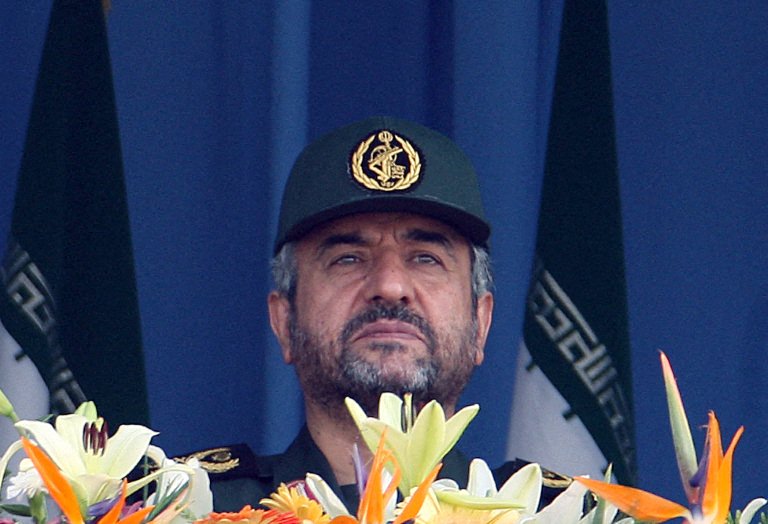
Iran, meanwhile, has shown no signs it will back down from weaponising the world's oil supply as a way to get American-Israeli forces off their back. Early in the war the elite Islamic Revolutionary Guard Corps said the world should prepare for prices to cross the US$200 per barrel mark as a result of "cowardly" attacks. On Thursday Tehran reiterated that warning.
The war has led to energy supply concerns worldwide; Iran's chokehold on the Hormuz, through which a fifth of the world's annual energy trade passes, means several countries, not just the US, are grappling with rising fuel costs and food costs.
The newly-elected Bangladesh government, for example, has ordered fuel rationing.
In India there have been numerous claims about a shortage of LPG, or liquified petroleum gas, cylinders that are ubiquitous in over 330 million middle-class and lower middle-class homes. The government, though, has said these claims are false.
And in the US it has left millions frantically recalculating weekly budgets to find a few dollars more for fuel, as well as for food items that have gone up over war-driven shipping costs.
Iran's 'weapons': Drones and chokepoints
The Iran war has offered a sharp reminder that warfare has evolved; Tehran's asymmetric retaliatory strikes, using cheaply-made Shahed drones to push US-Israel into a war of attrition, has made headlines.
But its weaponisation of the Hormuz is possibly a more critical point.
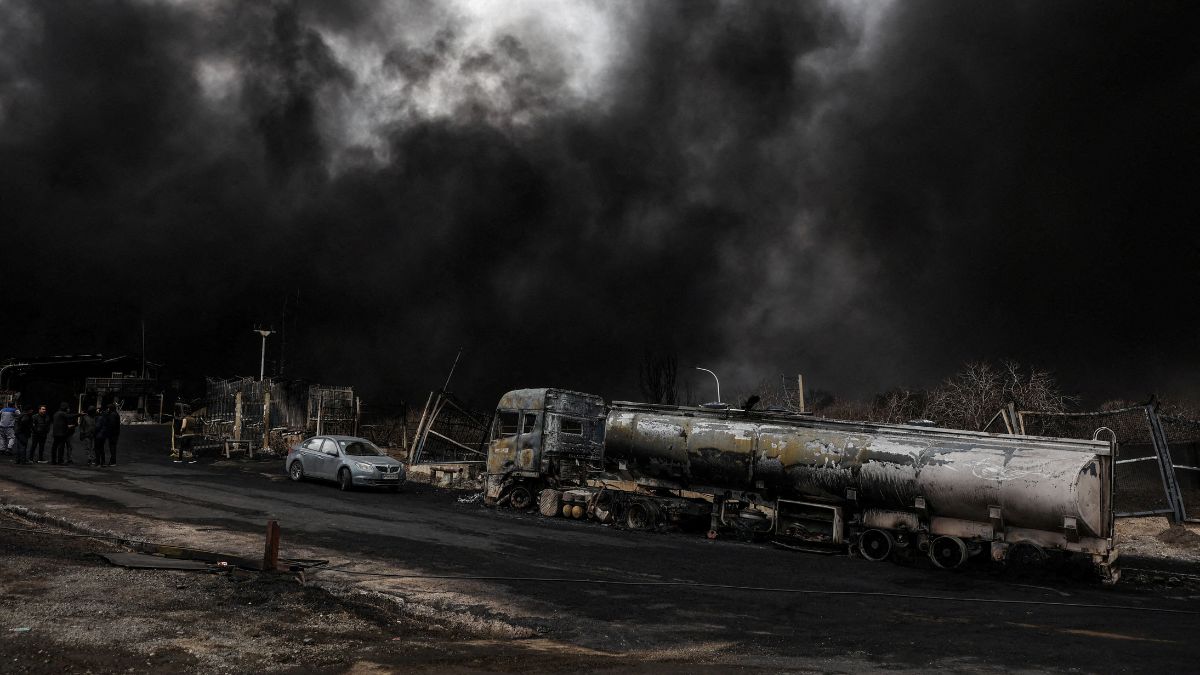
Tehran's response to US-Israel strikes that began Feb 28 was to target oil infrastructure in Gulf nations, an early and clear sign it is trying to force the US to answer questions from the global community about a prolonged cost-of-living crisis that could decimate parts of the world.
The Strait of Hormuz is at the centre of this entire equation.
Iran controls it because it passes through a chokepoint - less than 40km wide - as it flows into the Arabian Sea. Oman is the only other country with access to the Hormuz at this point.
The Strait of Hormuz (File).
Because of its unique location, even the whisper of a threat to the approximately 20 million barrels of oil that pass through on a normal day can trigger volatility concerns and price spikes.
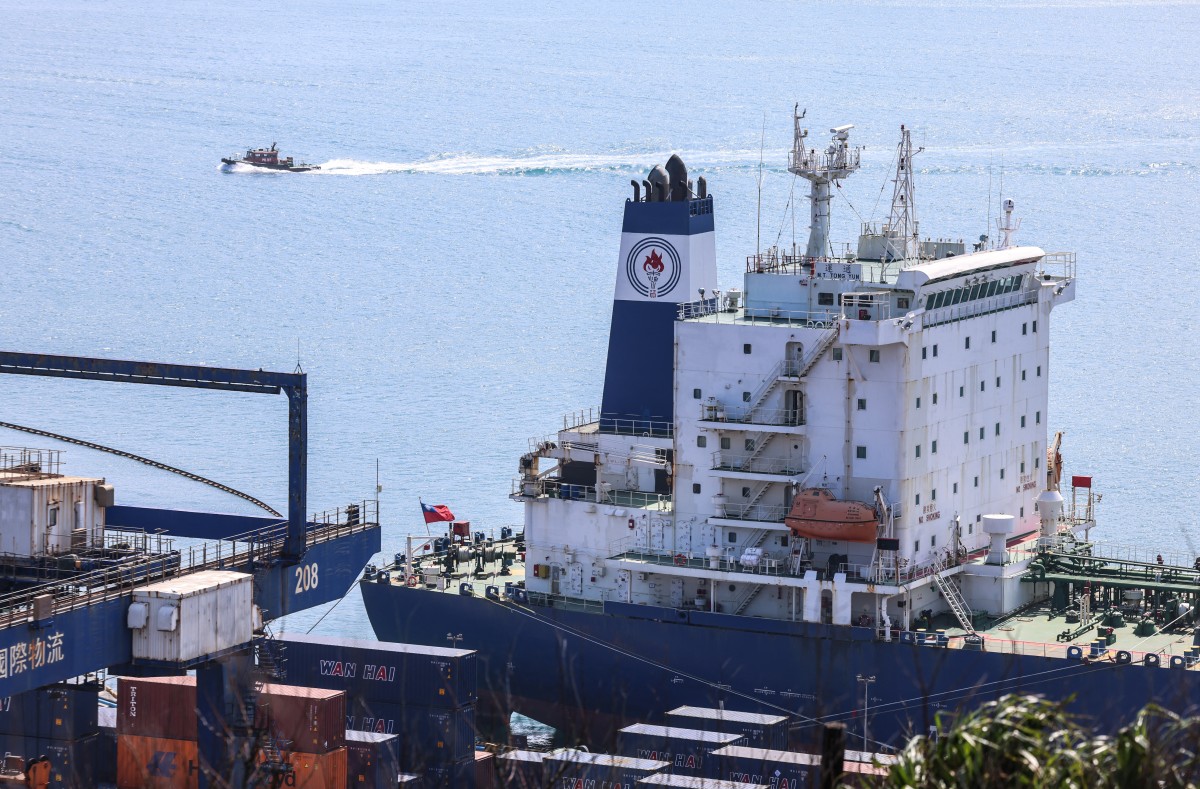
And there have been more than whispers over the past fortnight; The Associated Pres has said Iran has used drones and speedboats to attack at least three oil tankers in the Hormuz region in that time, while its proxies, the 'Axis of Resistance' has targeted at least a dozen more.
Each attack adds perceived risk to tankers that follow and, after a point, insurance providers will price out any shipping company looking to carry out crude oil from the region.
Attacks and fuel spikes
The correlation between Iran's attacks (or its proxies) and Brent crude prices rising is quite clear, starting with the March 1 attack on ships and the Ras Tanura refinery in Saudi Arabia.
By March 2 crude jumped US$4.5 per barrel and US fuel prices to US$3.2 a gallon.
On March 8 - after US-Israel forces struck five oil refineries around Tehran and another tanker was hit - crude spiked 28 per cent in intraday trading and US prices crossed US$3.5 a gallon.
The impact has been substantial despite Iran supplying around 4.5 per cent of all oil.
Trump's midterm math problem
But the only 'real' number for consumers is the cash paid at fuel stations, and Americans are not happy. Nearly half of them - around 48 per cent - blame Trump for rising fuel costs, according to a Morning Consult poll cited in a Financial Times report.
Trump must weigh rising fuel prices against midterm poll results. Photo: Wikimedia Commons
And two other polls - one by Ipsos on March 6-9, the other by Reuters Feb 28-Mar 1 - cited by ABC News said 43 per cent of Americans disapproved of the war in Iran. Nearly two-thirds in both also said Trump had failed to explain the rationale of military attacks in the Middle East.
Increased fuel prices are among the most visible pain points for voters anywhere in the world - as politicians in India will attest readily - and Trump will be wary of that pain before the November midterms for control of the House of Representatives and, potentially, the Senate too.
Iran's $200-per-barrel warning
Iran will certainly be aware of this; cue threats about crude at US$200 per barrel.
To offset such concerns the International Energy Agency agreed March 11 to release a record 400 million barrels from strategic stockpiles, with the US contributing the largest share.
The White House framed the US releasing 172 million barrels as Trump's commitment to 'protecting America's energy security'. The question, then, is if this is enough, sans any definitive end to the war and stabilisation of oil prices, to save Trump from US voter backlash.
Trump's narrative, his supporters have argued, has been that defeating Iran now is necessary to ensure cheap oil for the world. The risk, though, is an unstable Iran, assuming US-Israel attacks succeed in removing the regime, could have unforeseen impacts on the global oil trade.

