Khamenei Falls, World Reels: Iran's War Sucks In NATO, Arabs In 72 Hours
Iran's Supreme Leader Ayatollah Ali Khamenei tracked for months in an elaborate espionage operation died Saturday afternoon after a missile struck his compound in the city centre.
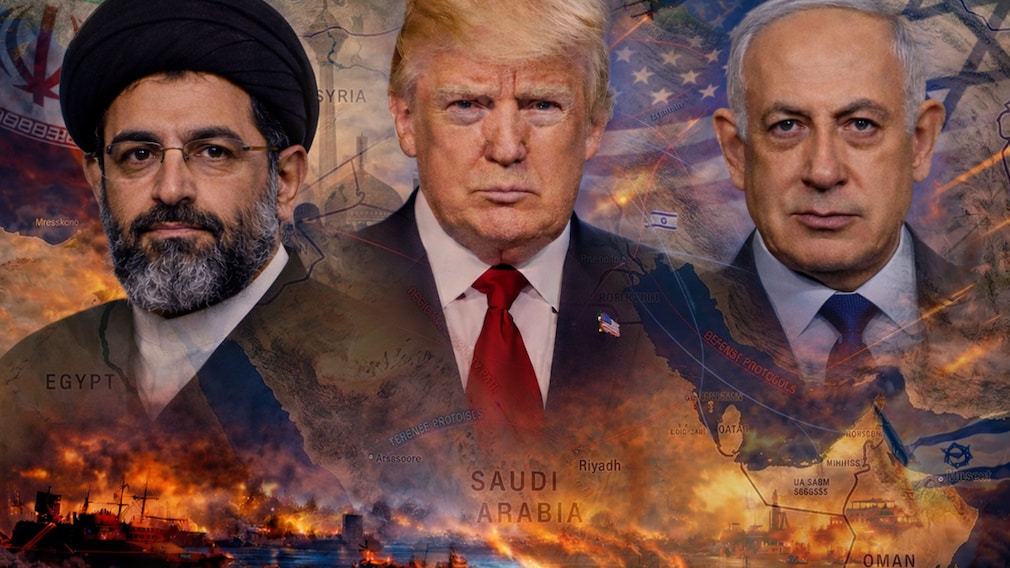
On February 28 joint US-Israel strikes detonated across Iran, shattering the languid calm of a weekend afternoon and replacing it with the screaming of Tomahawk missiles raining down on Tehran and other cities, including Isfahan, the likely site of a highly enriched uranium stockpile. Iran's Supreme Leader Ayatollah Ali Khamenei – tracked for months in an elaborate espionage operation – died Saturday afternoon after a missile struck his compound in the city centre.
Iran responded swiftly and fiercely; within 24-48 hours a barrage of projectiles – led by the much-talked about Shahed-136 kamikaze drone – struck locations across Israel and US military bases and embassies in the region, located in neighbouring and non-combatant Arab nations.
One missile struck a US Navy base in Bahrain. A wave attacked the Al Udeid Air Force base in Qatar – America's largest in the region and which Donald Trump visited in May last year. More US Air Force camps – in Kuwait, the United Arab Emirates, Jordan, and Iraq – came under fire.
American embassies in Kuwait and Saudi Arabia were attacked.
The Ras Tanura oil refinery in Saudi Arabia – one of the world's largest – was attacked.
READ | Satellite Pics Show Damage By Iran Drones At Saudi Aramco Refinery
At least two oil tankers were attacked off the coast of Oman, causing deaths and injuries.
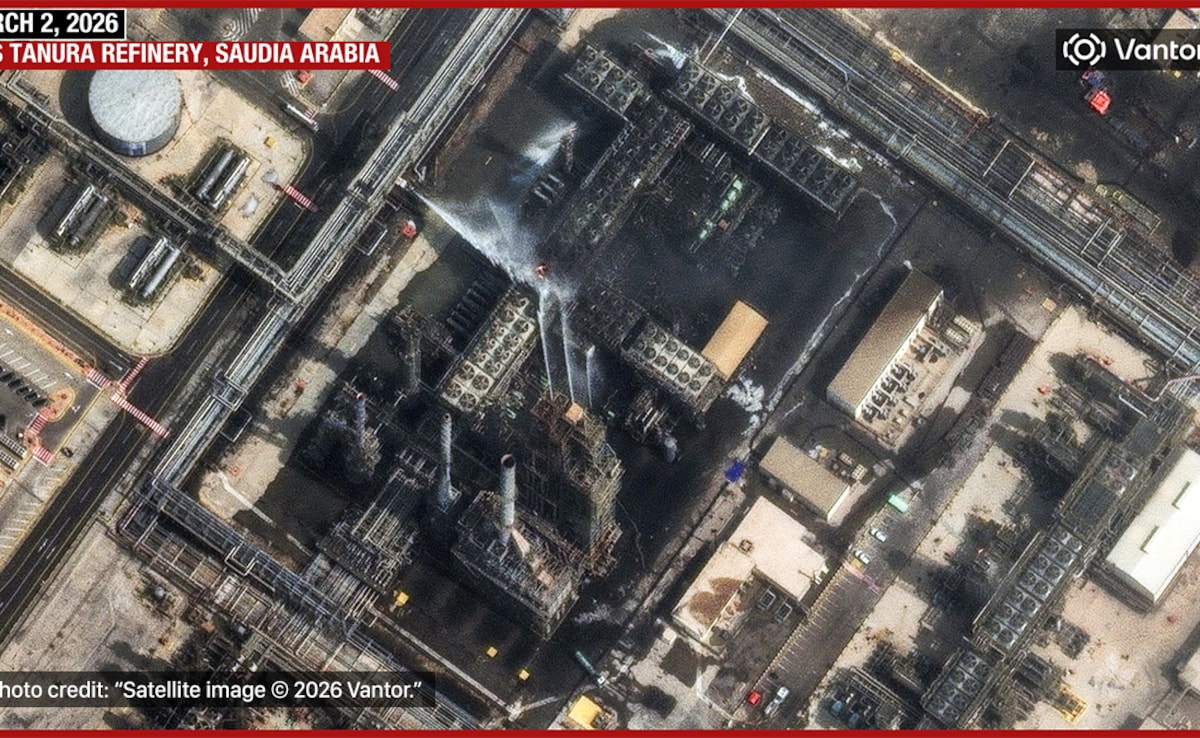
Satellite images of Ras Tanura refinery, taken after the March 2 attack by Iran. Photo: Satellite image (C) 2026 Vantor.
Iran warned against passage through the Strait of Hormuz, which carries a fifth of the world's oil trade, prompting energy scares worldwide and talk of petrol and diesel rations in India, as well as markets crash that wiped out Rs 7.8 lakh crore.
Civilian and tech infrastructure were struck too; luxury hotels in Dubai and Bahrain, a girls' school in Iran, the Israeli city of Beit Shemesh; Amazon cloud data centres; and the Dubai airport, one of the busiest in the world, was shut down for hours.
READ | Drone Strikes On Middle East Data Centres Signal Pivot In Next-Gen Warfare
A French naval base in Abu Dhabi and a British air base in Cyprus were attacked, the latter by drones fired by the Hezbollah, Iran's military proxy in Lebanon. And the strikes on NATO's doorstep prompted a rapid European response.
France deployed nuclear carrier Charles de Gaulle and anti-drone warships. The UK – which already has air assets involved – dispatched the HMS Dragon, a Type 45 destroyer with two Wildcat anti-drone helicopters.
The UK is fully committed to the security of Cyprus and British military personnel based there.
— Keir Starmer (@Keir_Starmer) March 3, 2026
We're continuing our defensive operations and I've just spoken with the President of Cyprus to let him know that we are sending helicopters with counter drone capabilities and HMS… pic.twitter.com/0tsZb4dG2i
And Greece has sent two warships and four F-16 fighter jets.
NATO chief Mark Rutte said Tuesday the military alliance is "not itself involved" in what's happening in West Asia but stressed it will "defend every inch of NATO territory" if needed.
Iran – apparently undeterred by the prospect of being the focal point of a multi-front war spanning three continents – responded with threats. A Tehran official said European nations pitching in would be regarded as an "act of war" and direct provocation inviting attacks.
Canada Prime Minister Mark Carney's "one can never categorically rule out participation" expands the global pivot to a regional war, though he also slammed America's actions as being "inconsistent with international law".
Iran, Israel, the US, Bahrain, Lebanon, Jordan, Kuwait, Qatar, and the UAE have all reported deaths or injuries. Over 1,000 civilians, including 181 children, have been killed, US-based Human Rights Activist News Agency told TIME magazine.
Widespread death and destruction, with as yet uncalculated monetary and environmental damage… all in the first three days of the second US-Israel-Iran military conflict in 10 months. And Trump has not ruled out boots on the ground. That measure will certainly be needed if his stated aim of regime change is to take place, though the US has a poor record on that front.
The rapidly escalating nature of the war has also been underlined by Arab nations that were initially reluctant to join US-Israel forces now reconsidering direct military action against Iran. A statement by the US and six of them – Bahrain, Jordan, Kuwait, Qatar, the UAE, and Saudi Arabia – blasted Iran "indiscriminate" attacks on sovereign nations that put civilian lives at risk.
READ | Iran Attacked Them, Now Arab Nations Want To Join The Fight: Trump
Arab states called it "a dangerous escalation that violates the sovereignty of multiple states and threatens regional stability", phrasing risks pulling them into a war none of them wants. Into a war that, really, very few countries in the world want.
-
"Not Mature": Mayawati Pushes Nephew Akash Anand To The Margins Again. What It Means For BSP

Akash Anand, the 31-year-old foreign-educated nephew of BSP boss Mayawati, finds himself out of favour, for at least the third time in three years, with the latest turn coming in Lucknow on September 3.
-
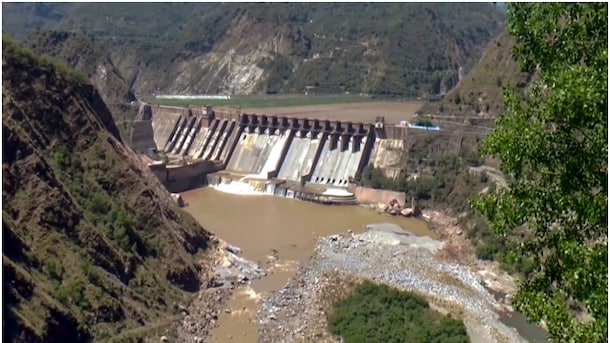
Opinion | Indus Treaty, Hague, And Pakistan's Endless Search For Leverage Over India
If the IWT survived all the trials in the past, it is because India's threshold of tolerance had been unusually high. But Pakistan must know that it can't arm-twist India through international pressure.
-
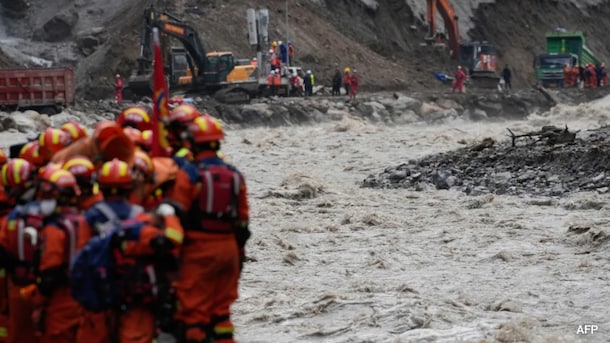
Opinion | Nepal's 'Climate Compensation' Pitch Is Valid, But Its Demand From India Isn't
Nepal's vulnerability gives it a claim on multilateral climate finance. It does not follow that India bears responsibility for this.
-
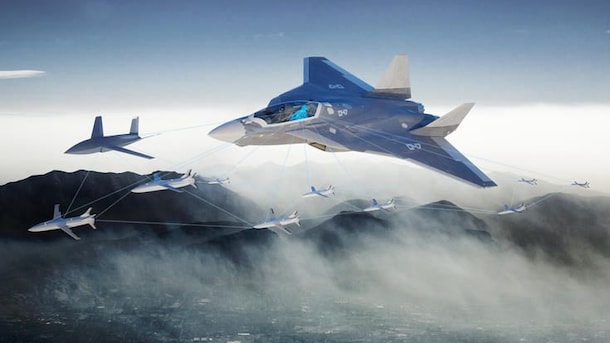
Opinion | India Wants A 6th-Generation Fighter. But A Lot Could Go Wrong
India might just be building too many fighter jets to focus on any one of them well. A recalculcation is needed.
-
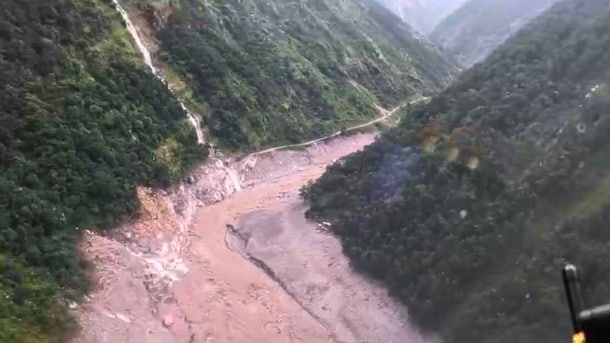
Reporter's Diary | Worse Than War: An Aerial View Of Nepal's Trishuli River Valley Tragedy
In many ways, reporting on natural disasters is far more harrowing than covering modern war
-
Opinion | China's Quiet Power Grab Is Hiding In Plain Sight
China's greatest advantage may be neither its military nor its markets, but a world too distracted to see what it is building.
-
Opinion | The Indian Investor Has A New Problem: An SIP That Does Nothing
You keep doing everything right. So why aren't your stocks paying off, even as your investments rise?
-
The River Took It All: Aerial Visuals From Nepal Show Scale Of Catastrophe | NDTV Exclusive
Visuals from a helicopter showed narrow gorges now flattened and widened into valley-like spreads, with rocks, debris, mud, and bodies strewn across them.
-
Before The Nepal Flood, A Glacial Fall: Tracing The Trigger, And A 100-km Killer Surge
A glacier came off a ridge on the Nepal-China border and travelled 100 km down multiple rivers, the longest part of the run being in the Trishuli.