



Geomagnetic Storm
-
{
- All
- News
- Web Stories
-

Sun Unleashes Triple Solar Flare Blast, Triggering G3 Geomagnetic Storm Alert
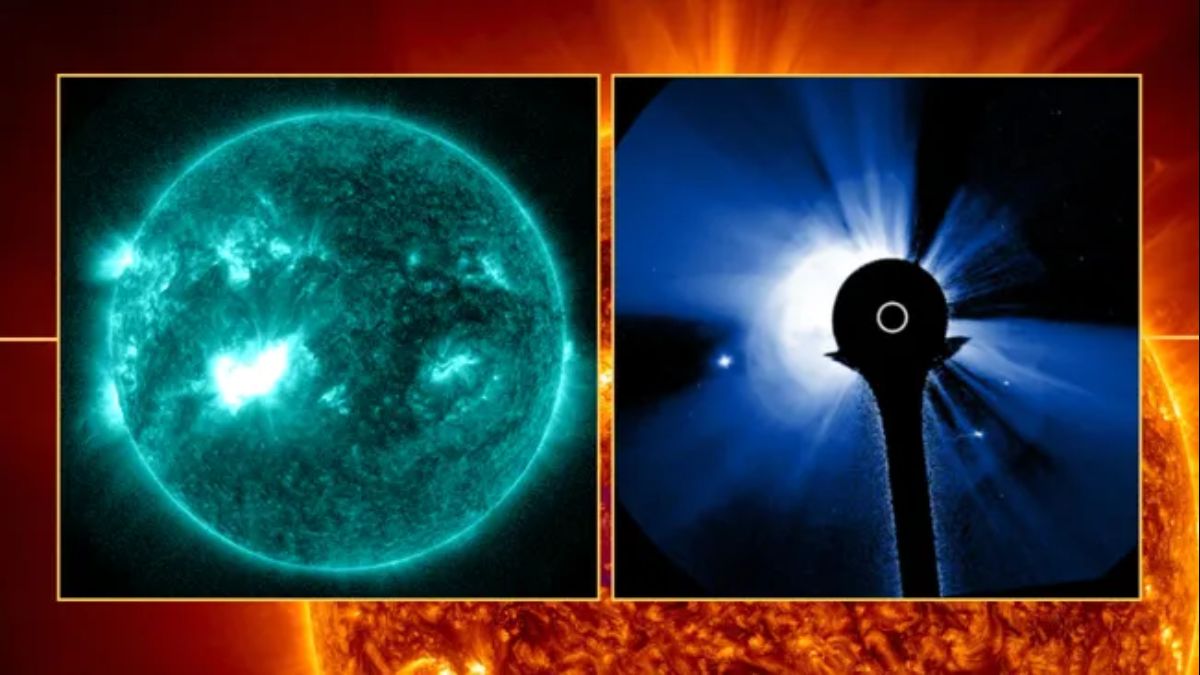
Three powerful solar flares erupted from active sunspot AR 4455, sending Earth-directed plasma clouds into space. NOAA has issued a G3 geomagnetic storm watch, increasing the chances of widespread auroras.
-
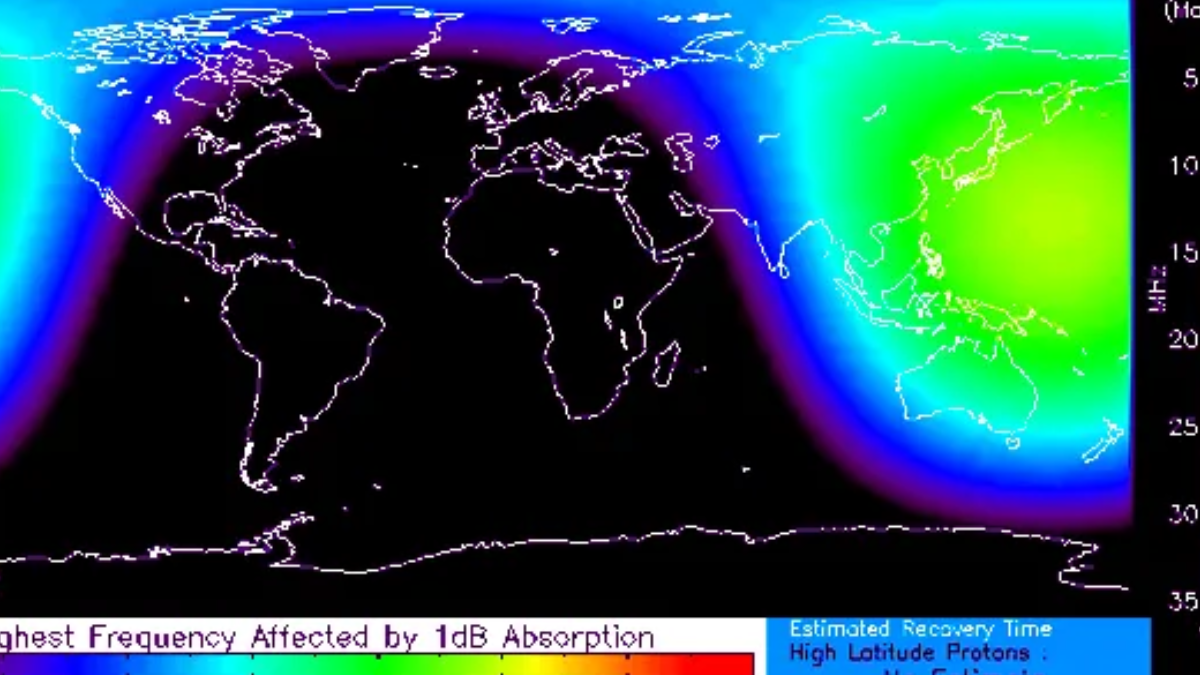
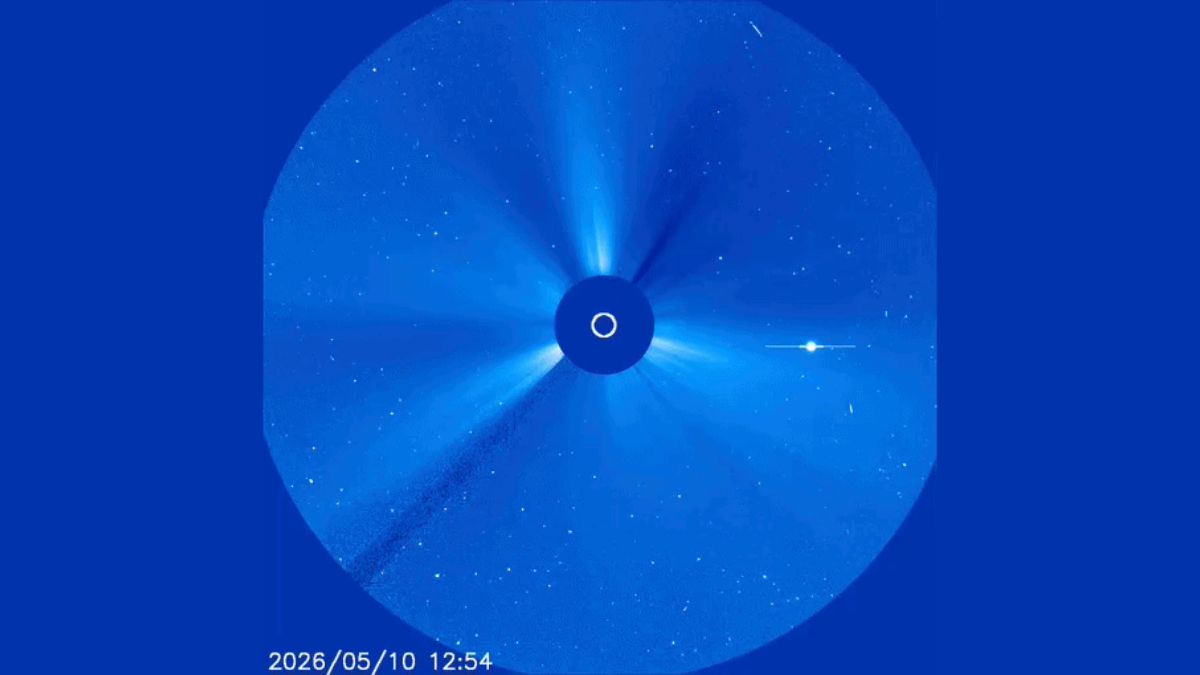
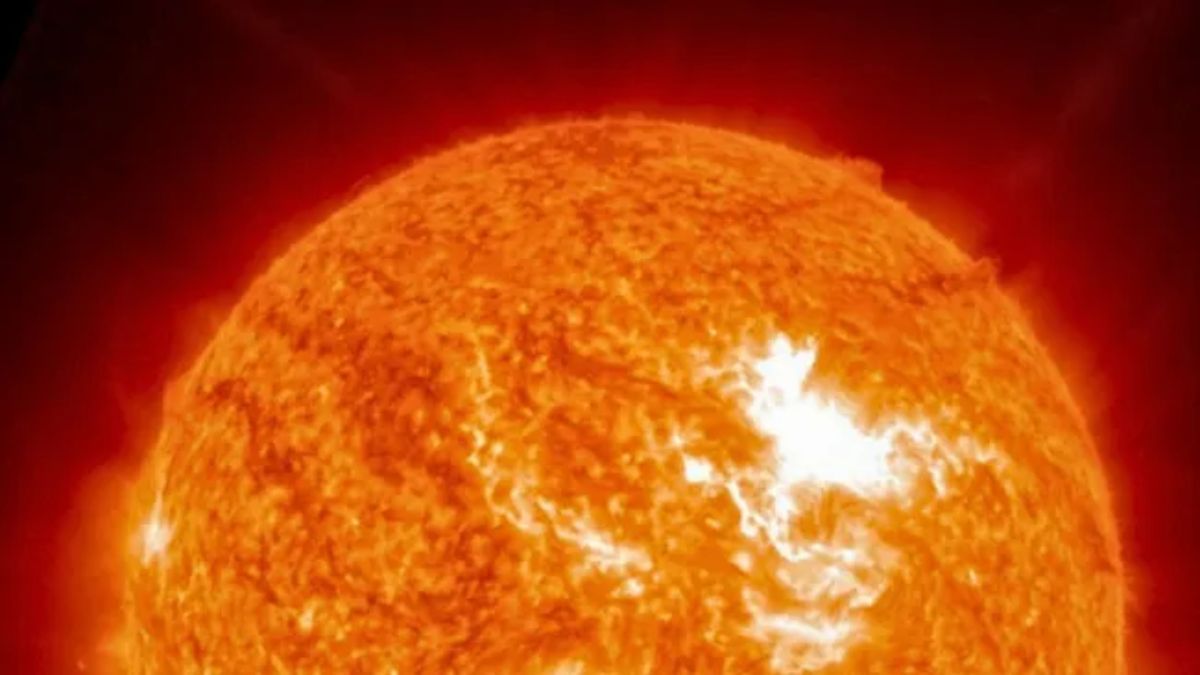
Sun Erupts with Powerful Solar Flare, Sending Plasma Toward Earth
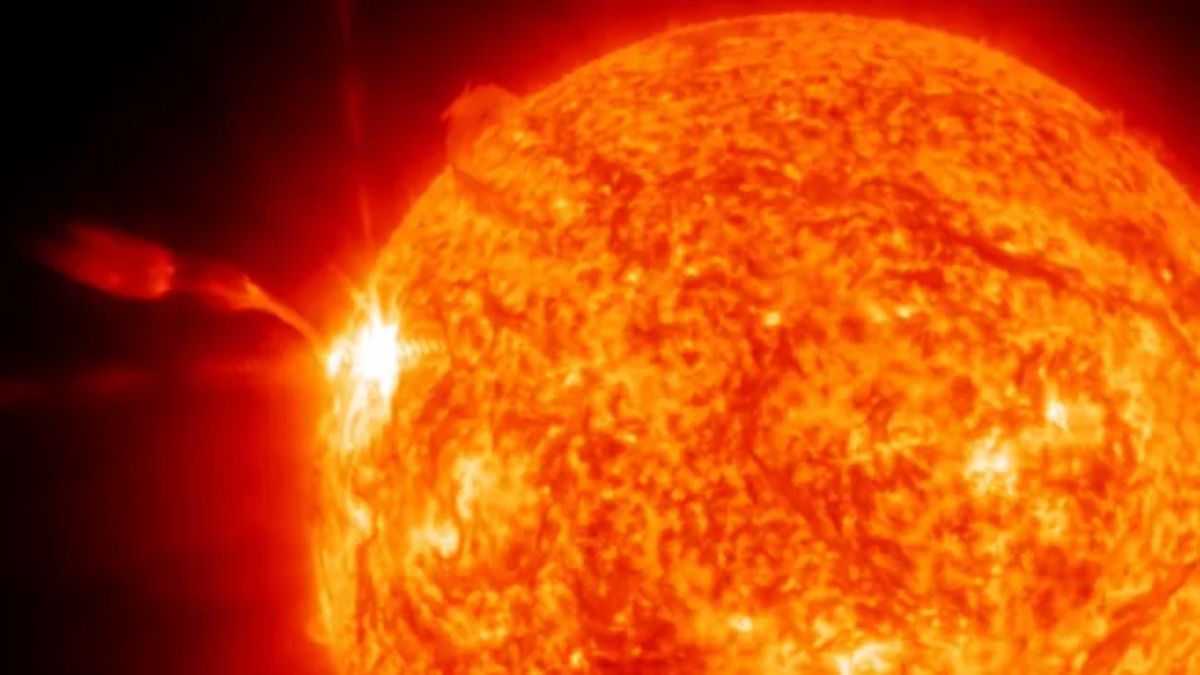
The Sun unleashed an M5.7-class Solar Flare on May 10, 2026, disrupting high-frequency radio communications and launching a coronal mass ejection toward Earth. Scientists predict the incoming plasma could trigger a minor geomagnetic storm and brighten auroras across northern regions. The event highlights the Sun’s increasing activity as it approa...
-
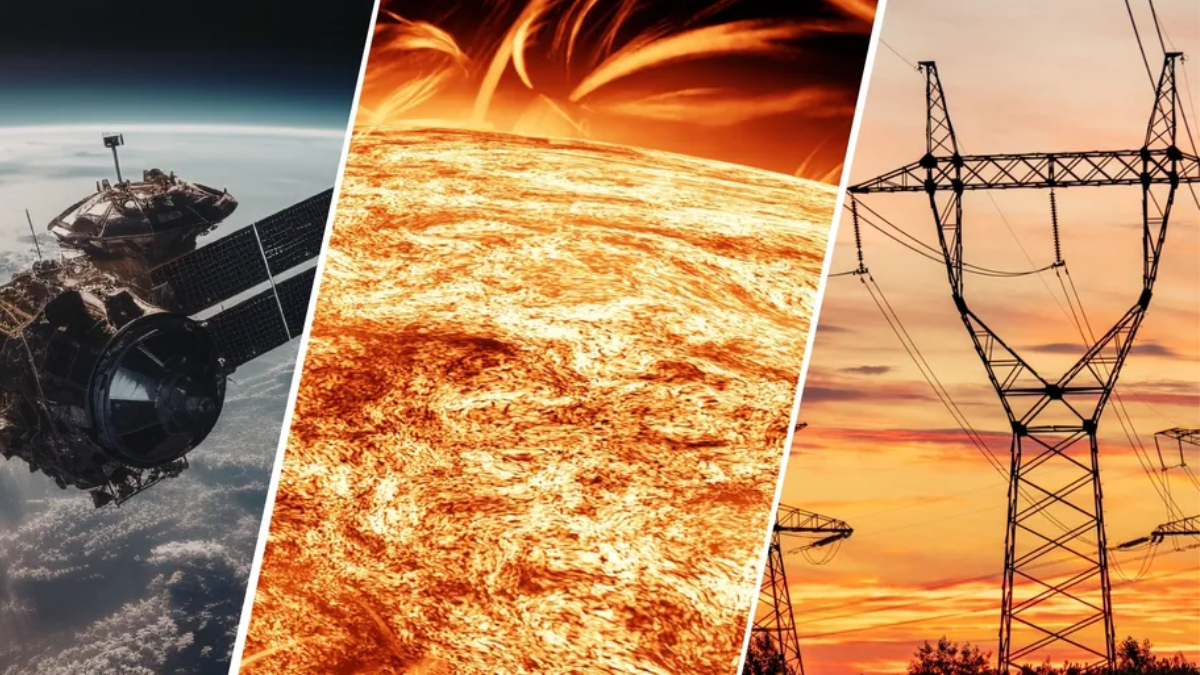
Carrington-Level Solar Storm Could Disrupt Satellites, GPS, and Power Grids, Scientists Warn
A solar superstorm like the Carrington Event could disrupt satellites, GPS, and power grids worldwide. Scientists warn that while rare, such events pose a serious threat to modern infrastructure, though improved monitoring and safeguards may reduce the risks.
-
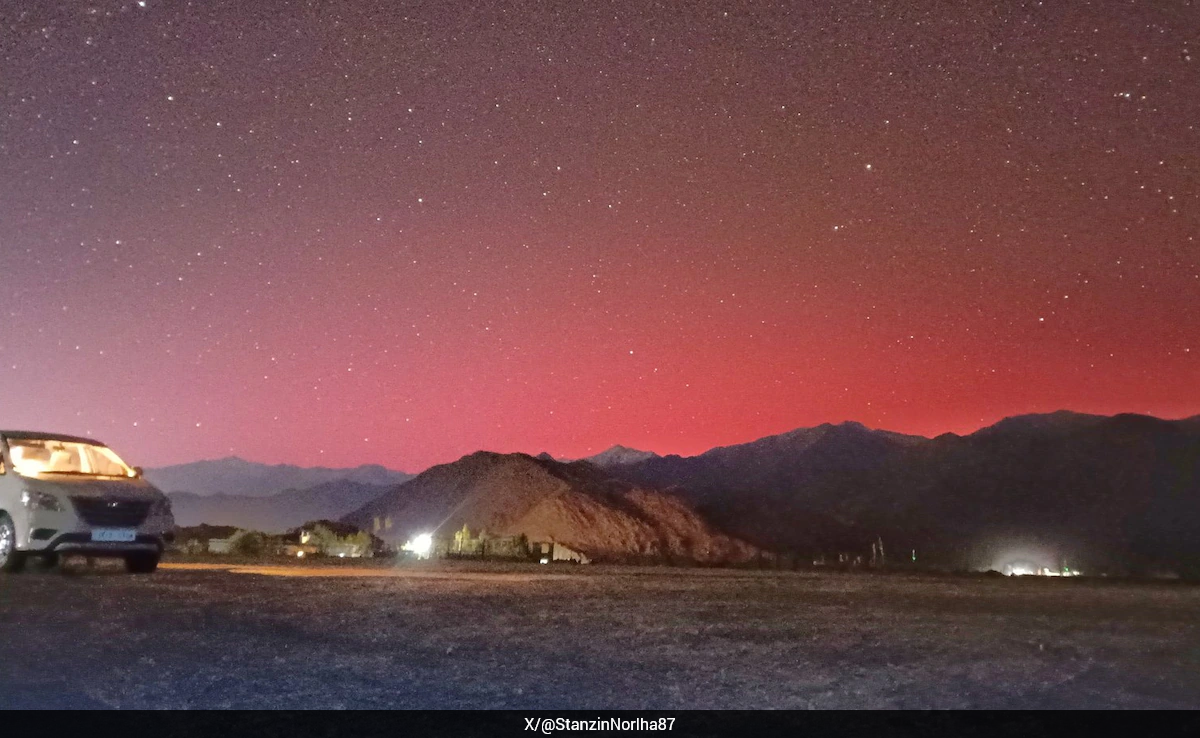
Rare Blood-Red Aurora Lights Up Ladakh Sky After Powerful Solar Storm Strikes Earth
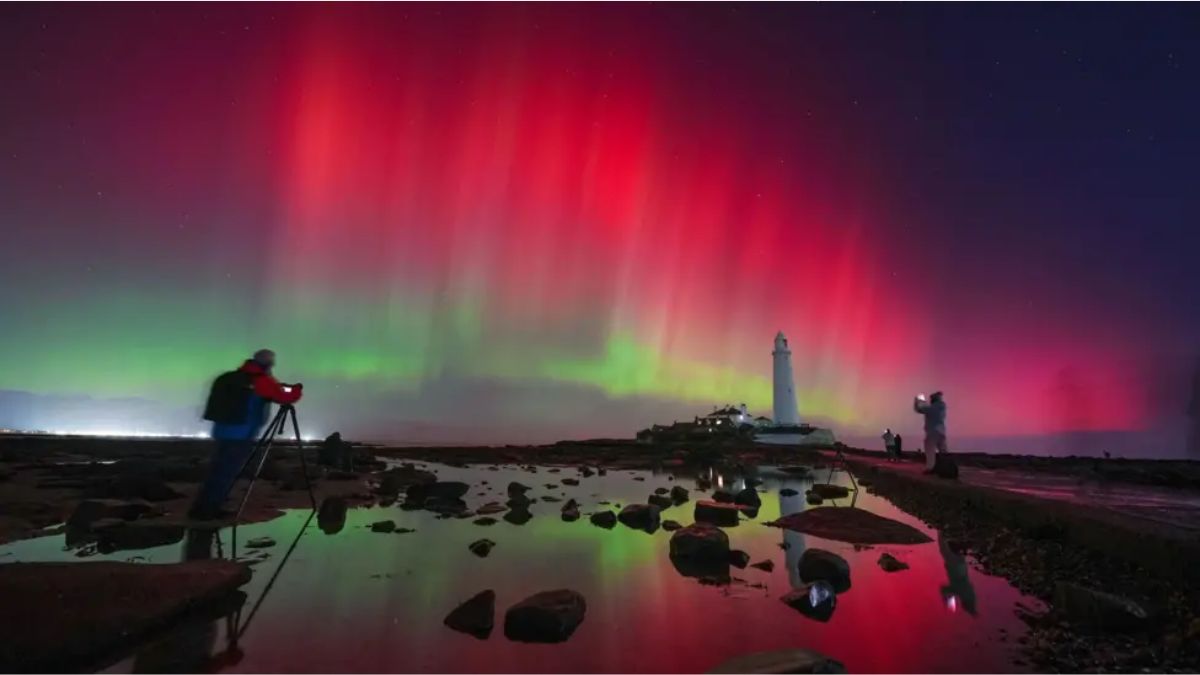
A powerful geomagnetic storm triggered by a fast coronal mass ejection from the Sun produced rare red aurora over Hanle, Ladakh, on January 1920, captured by the Indian Astronomical Observatory.
-
Powerful X-Class Solar Flare Sends CME Toward Earth, Storms Possible
A powerful X1.9 solar flare erupted on January 18, launching a fast coronal mass ejection toward Earth. Space weather agencies warn of strong geomagnetic storms that could disrupt satellites, GPS and radio communications, while also producing vivid auroras visible well beyond the polar regions.
-
Solar Orbiter Watches Sun's Most Hyperactive Region For Record 94 Days: "Milestone In Solar Physics"
The region was monitored from its birth on the far side of the Sun on April 16, 2024, until its decay after July 18, 2024.
-
2026 Could Be the Best Year for Northern Lights; Why Post-Solar Maximum Storms Are Set to Surge
The end of 2025 saw bright auroras over northern skies following a strong solar flare. In October 2024, NASA noted that the Sun had entered its solar maximum phase. Experts predicted that the most frequent and intense Northern Lights would likely occur throughout 2026. Even though solar activity has technically begun its gradual decline since the 2...
-
NOAA Issues G2 Solar Storm Watch; May Spark Auroras but Threaten Satellite Signals
Space weather scientists are monitoring a coronal mass ejection expected to reach Earth around January 2–3, 2026. NOAA forecasts a G2-level geomagnetic storm, which is considered moderate but can still affect satellites, power grids and radio communications. While the event may bring vivid auroras to high latitudes, it also highlights the Sun’s...
-
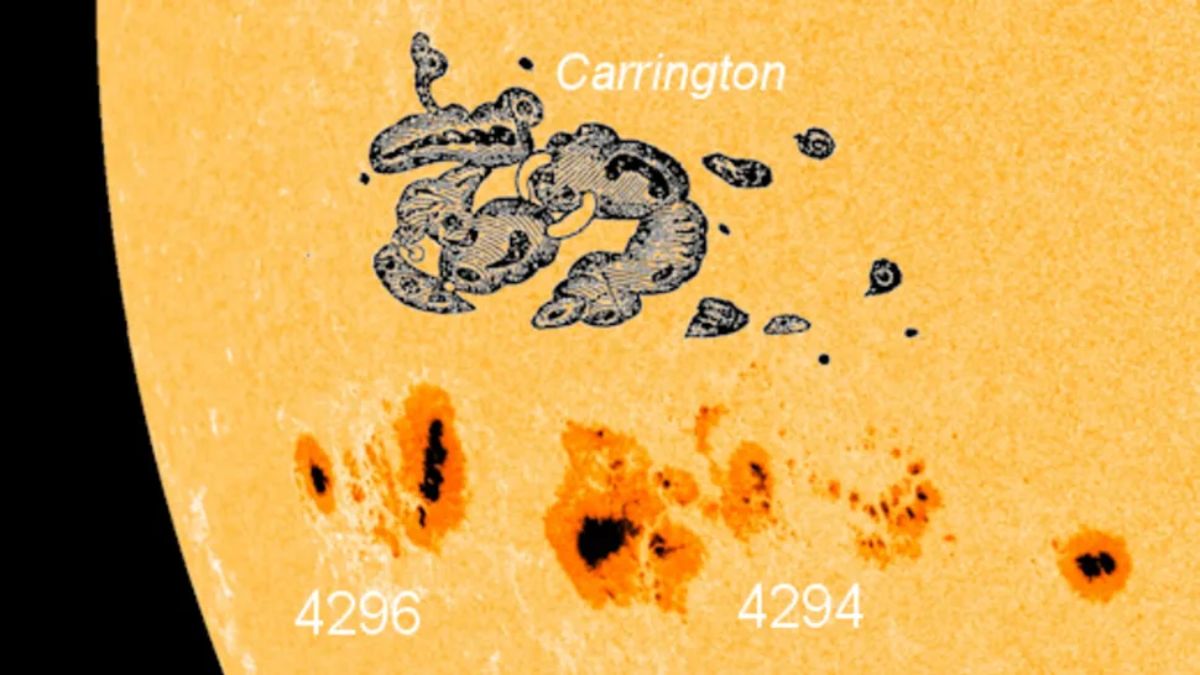
Massive Sunspot Complex on the Sun Raises Risk of Strong Solar Storms
A massive sunspot complex has appeared on the Sun, covering an area comparable to the legendary Carrington Event region. Known as AR 4294-96, the active cluster features highly tangled magnetic fields that could unleash powerful solar flares and geomagnetic storms, potentially disrupting satellites, power grids, and global communications if Earth-d...
-
Sun Unleashes Strongest Flare of 2025, Causing Global Radio Blackouts
On Nov. 11, 2025, the Sun erupted with an X5.1-class flare, disrupting shortwave communications across Africa and Europe. The flare’s X-rays and UV radiation ionized Earth’s upper atmosphere, causing R3-level radio blackouts. NOAA warned that a coronal mass ejection could reach Earth on Nov. 12, potentially triggering strong geomagnetic storms ...
-
Hidden Magnetic 'Island' Sparks Solar Storm, Brings Northern Lights To US Skies. See Pics
Initially, the forecasters predicted minor to moderate (G1-G2) storms, but the hidden island turned it into a strong G3 storm.
-
Solar Sail Spacecraft Could Boost Space Weather Warnings by Nearly 60 Minutes
A solar sail spacecraft could extend space weather warnings from 40 to 60 minutes, offering vital lead time before solar storms strike. Part of the SWIFT mission, this satellite will orbit farther than any current monitor, using sunlight for propulsion. The system aims to better protect satellites, astronauts, and power grids from geomagnetic disru...
-
NASA CODEX Telescope on ISS Reveals Hidden Secrets of the Sun’s Corona
NASA has introduced CODEX, a cutting-edge mini solar telescope attached to the International Space Station, which is offering groundbreaking observations of the Sun's corona. Unlike past instruments, CODEX can measure both temperature and speed of solar wind particles. This innovation aims to improve our understanding of solar weather, especially a...
-
Aurora Alert! Northern Lights May Be Visible as Far South as New York on June 14
A moderate G2 geomagnetic storm on June 14 could push auroras as far south as New York and Idaho, triggered by solar wind from a coronal hole. NOAA forecasts peak geomagnetic activity with a Kp index of 5.67. While increased daylight may limit visibility, skywatchers are advised to look out for northern lights during early morning hours.
-
Sharpest Solar Images Ever: Pink 'Raindrops' On The Sun Captured In Unprecedented Detail
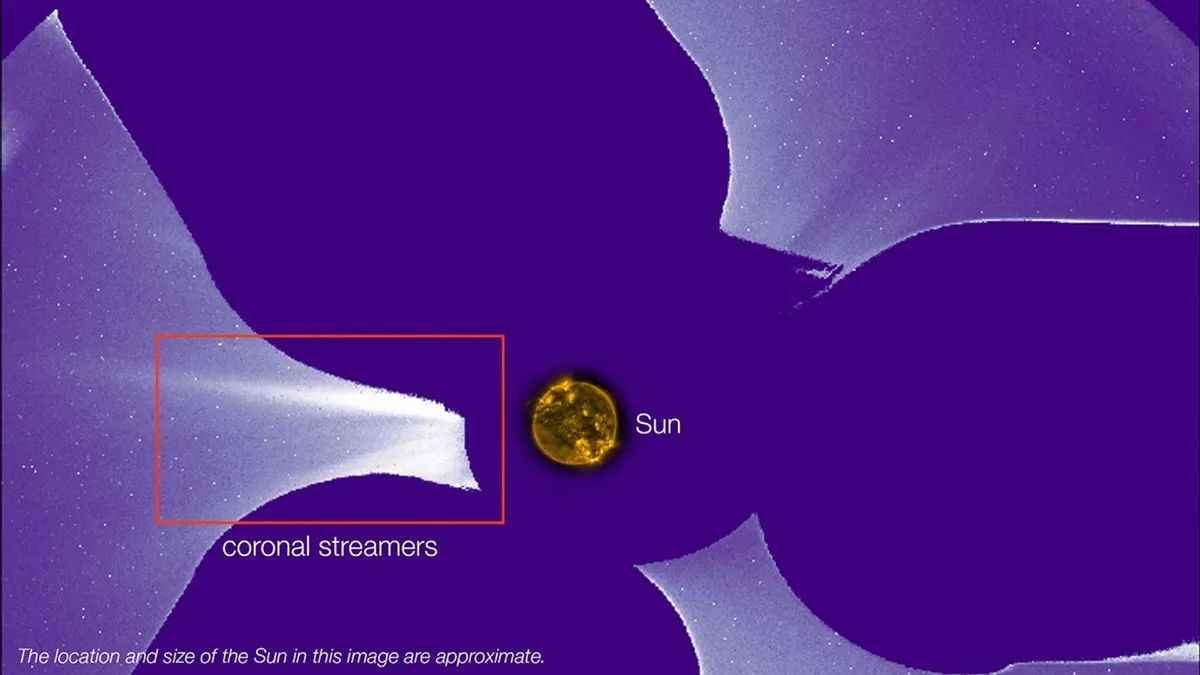
The corona, the Sun's outermost layer, stretches millions of kilometres into space and is mysteriously hotter than the underlying photosphere, a phenomenon known as the 'coronal heating problem.'


-
Sun Unleashes Triple Solar Flare Blast, Triggering G3 Geomagnetic Storm Alert
Three powerful solar flares erupted from active sunspot AR 4455, sending Earth-directed plasma clouds into space. NOAA has issued a G3 geomagnetic storm watch, increasing the chances of widespread auroras.
-
Sun Erupts with Powerful Solar Flare, Sending Plasma Toward Earth
The Sun unleashed an M5.7-class Solar Flare on May 10, 2026, disrupting high-frequency radio communications and launching a coronal mass ejection toward Earth. Scientists predict the incoming plasma could trigger a minor geomagnetic storm and brighten auroras across northern regions. The event highlights the Sun’s increasing activity as it approa...
-
Carrington-Level Solar Storm Could Disrupt Satellites, GPS, and Power Grids, Scientists Warn
A solar superstorm like the Carrington Event could disrupt satellites, GPS, and power grids worldwide. Scientists warn that while rare, such events pose a serious threat to modern infrastructure, though improved monitoring and safeguards may reduce the risks.
-
Rare Blood-Red Aurora Lights Up Ladakh Sky After Powerful Solar Storm Strikes Earth
A powerful geomagnetic storm triggered by a fast coronal mass ejection from the Sun produced rare red aurora over Hanle, Ladakh, on January 1920, captured by the Indian Astronomical Observatory.
-
Powerful X-Class Solar Flare Sends CME Toward Earth, Storms Possible
A powerful X1.9 solar flare erupted on January 18, launching a fast coronal mass ejection toward Earth. Space weather agencies warn of strong geomagnetic storms that could disrupt satellites, GPS and radio communications, while also producing vivid auroras visible well beyond the polar regions.
-
Solar Orbiter Watches Sun's Most Hyperactive Region For Record 94 Days: "Milestone In Solar Physics"
The region was monitored from its birth on the far side of the Sun on April 16, 2024, until its decay after July 18, 2024.
-
2026 Could Be the Best Year for Northern Lights; Why Post-Solar Maximum Storms Are Set to Surge
The end of 2025 saw bright auroras over northern skies following a strong solar flare. In October 2024, NASA noted that the Sun had entered its solar maximum phase. Experts predicted that the most frequent and intense Northern Lights would likely occur throughout 2026. Even though solar activity has technically begun its gradual decline since the 2...
-
NOAA Issues G2 Solar Storm Watch; May Spark Auroras but Threaten Satellite Signals
Space weather scientists are monitoring a coronal mass ejection expected to reach Earth around January 2–3, 2026. NOAA forecasts a G2-level geomagnetic storm, which is considered moderate but can still affect satellites, power grids and radio communications. While the event may bring vivid auroras to high latitudes, it also highlights the Sun’s...
-
Massive Sunspot Complex on the Sun Raises Risk of Strong Solar Storms
A massive sunspot complex has appeared on the Sun, covering an area comparable to the legendary Carrington Event region. Known as AR 4294-96, the active cluster features highly tangled magnetic fields that could unleash powerful solar flares and geomagnetic storms, potentially disrupting satellites, power grids, and global communications if Earth-d...
-
Sun Unleashes Strongest Flare of 2025, Causing Global Radio Blackouts
On Nov. 11, 2025, the Sun erupted with an X5.1-class flare, disrupting shortwave communications across Africa and Europe. The flare’s X-rays and UV radiation ionized Earth’s upper atmosphere, causing R3-level radio blackouts. NOAA warned that a coronal mass ejection could reach Earth on Nov. 12, potentially triggering strong geomagnetic storms ...
-
Hidden Magnetic 'Island' Sparks Solar Storm, Brings Northern Lights To US Skies. See Pics
Initially, the forecasters predicted minor to moderate (G1-G2) storms, but the hidden island turned it into a strong G3 storm.
-
Solar Sail Spacecraft Could Boost Space Weather Warnings by Nearly 60 Minutes
A solar sail spacecraft could extend space weather warnings from 40 to 60 minutes, offering vital lead time before solar storms strike. Part of the SWIFT mission, this satellite will orbit farther than any current monitor, using sunlight for propulsion. The system aims to better protect satellites, astronauts, and power grids from geomagnetic disru...
-
NASA CODEX Telescope on ISS Reveals Hidden Secrets of the Sun’s Corona
NASA has introduced CODEX, a cutting-edge mini solar telescope attached to the International Space Station, which is offering groundbreaking observations of the Sun's corona. Unlike past instruments, CODEX can measure both temperature and speed of solar wind particles. This innovation aims to improve our understanding of solar weather, especially a...
-
Aurora Alert! Northern Lights May Be Visible as Far South as New York on June 14
A moderate G2 geomagnetic storm on June 14 could push auroras as far south as New York and Idaho, triggered by solar wind from a coronal hole. NOAA forecasts peak geomagnetic activity with a Kp index of 5.67. While increased daylight may limit visibility, skywatchers are advised to look out for northern lights during early morning hours.
-
Sharpest Solar Images Ever: Pink 'Raindrops' On The Sun Captured In Unprecedented Detail
The corona, the Sun's outermost layer, stretches millions of kilometres into space and is mysteriously hotter than the underlying photosphere, a phenomenon known as the 'coronal heating problem.'

