Opinion | Sanchar Saathi Mess: 5 Lessons From The Centre's Spectacular Misfire
It's worrying that nobody in authority had the brains to anticipate the outrage that has dominated the public discourse in the last two days. In a way, the government has brought this blowback upon itself.
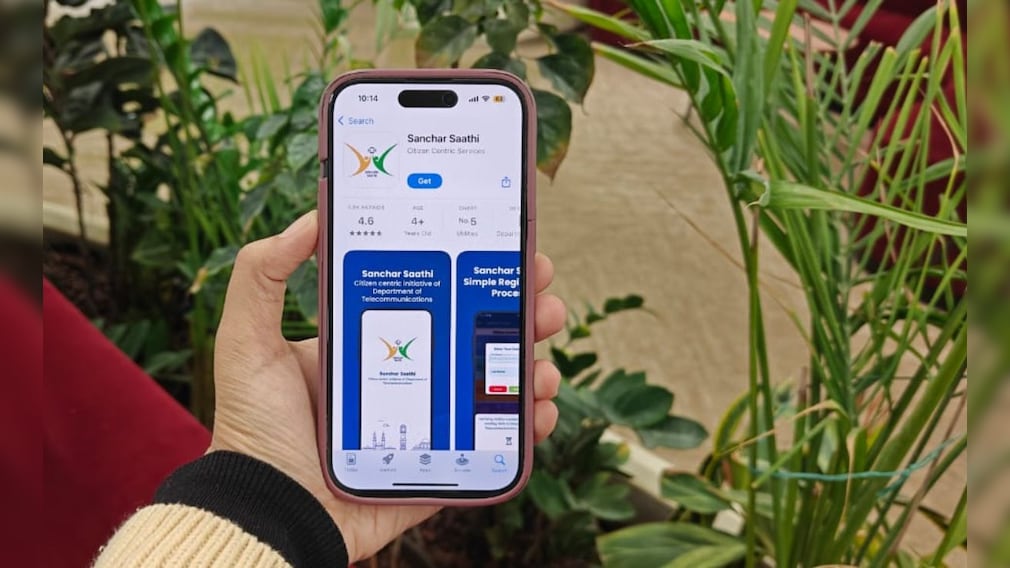
(The Centre's now-withdrawn order mandating all smartphone manufacturers to pre-install the Sanchar Saathi app kicked up a massive storm this week. This column looks at why the government's approach was flawed. Read Subimal Bhattacharjee's counter-view here)
In an effort to douse the controversy that erupted when it was revealed that the Centre had asked cell phone manufacturers to mandatorily install its Sanchar Saathi app, the government is now executing somersaults that would do any circus acrobat proud. In the latest, the government has now withdrawn the order altogether, though not before bellowing explanations such as, "We have been misunderstood", "We only did it to protect your privacy! Of course you can delete the app! It's not mandatory".
Some of this is obviously untrue. I don't think anyone misunderstood what the official notification said - it was pretty categorical. But, even if we take the government's protests at face value and accept that it was only trying to offer us love and protection, here's what it did wrong.
Remember Aadhaar?
First of all, the government is right when it says that security is a top priority. The difference is that while it talks about security in the context of only scammers, the average citizen is more worried about the security of his or her own data when it comes to the many invasive arms of the state.
Citizens may be wrong to be worried, or they may well be justified in their concerns. But nothing about the response was unprecedented or unpredictable. There have been concerns about Aadhaar and citizens have also filed Right To Information requests about the provenance of DigiYatra - which, so far, have yielded no joy. The provenance of the app is still being questioned.
So, how bright (or not bright) do you need to be to figure out that the mandatory installation of a new government app would get citizens worried? And yet, the government did nothing to allay concerns in advance of the announcement; it had to fall back on shabby crisis management.
A Unilateral Move
Secondly, one of the primary tenets of democratic governance is consultation. If you are going to demand that every phone carry your app, it might be worth discussing that move widely and inviting opinions from citizens before going ahead. If the government had done any of this, it could have avoided the mess it found itself in. Even phone manufacturers said that the mandatory installation of the app would be problematic.
Third, it is entirely possible that the government's motives were benign. But the permissions the app seeks go beyond simply outwitting scammers. The app "seeks permissions to access user's calls and SMS logs, their photo gallery, access the camera app, and to make and manage phone calls and detect mobile numbers on the phone".
As the Indian Express notes, the app "lacks some elements that are considered industry standard for privacy protection. It has no explicit statement about user's rights, does not allow users to request a correction or more importantly, deletion of their data". Can anyone be surprised that citizens were worried?
'Consent' Is The Word
Fourth, the government issued instructions to its loyal defenders to say that many common, commercial apps ask for even more information and access. This may or may not be true. Here, the crucial distinction is one of consent. We choose to install these apps. On the contrary, the government's app is mandatory. There is no concept of consent.
Fifth, though the directive was quite clear that the app cannot be disabled or restricted, the government said that the app was not mandatory after all. Which leads to the obvious question: if the government's only motivation is the protection of citizens, then why not let the citizens choose whether to install the app? Why make it mandatory for phone manufacturers to install it on every phone?
If you accept that the motivation for the app is to snoop on citizens, then most of these questions answer themselves. But if, on the other hand, you want to be fair and ascribe more benign motivations to the government, then it is hard to see why it behaved in such a strange and undemocratic way.
Don't Take Citizens For Granted
All of these mistakes and missteps should have been fairly self-evident to begin with, and it worries me that nobody in authority had the brains to anticipate the outrage that has dominated the public discourse in the last two days. It could be, as many have suggested, that the regime is now so used to getting its own way that it sees no need to bother with consultation or to explain its motives before it acts.
If this is true, then the government made a big mistake by taking the citizens of India for granted. It needs to look back no further than the experience with Aadhaar, which was preceded by months of consultations, with Nandan Nilekani travelling around the country and persuading Chief Ministers and Opposition leaders to see the need for such a system. And even then, Aadhaar still has its opponents.
India is a democracy. It thrives on consultation and consent. Forget that at your peril, and all you end up with is the kind of shambolic crisis management that we are now seeing.
(Vir Sanghvi is a print and television journalist and talk show host. He tweets @virsanghvi)
Disclaimer: These are the personal opinions of the author
-
Opinion | Trump's Iran War Is About To Become Someone Else's Problem Soon

Start alone, end alone - that may be the harshest lesson for Trump as he now tries to dash for the door in Iran.
-
What Happens If Iran War Actually Ends In 2 Weeks: The Challenges Ahead
Trump said the war could end in two weeks sans a deal to re-open the Hormuz. Analysts say it could take six to weight weeks more for oil flows to normalise, with each extra week of fighting adding seven to 14 days of recovery.
-
Opinion | Why 2 Gulf States Want Iran War To Continue - Even As They're Battered By It
If Trump withdraws from this war, the UAE, Saudi Arabia and other Gulf countries would be left to face the music alone, with an angrier, fiercer, and possibly more vengeful Iran.
-
Opinion | Why A 'Defeat' Is Now Essential For The Disoriented Left In Kerala
Power and arrogance have turned the Left in Kerala into what it once fought against. It now needs to lose its last bastion to cleanse itself of its maladies.
-
Opinion | On April Fools' Day, A Reality Check For US, Iran And The World
The paradox is this: Iran wins simply by surviving, while the US must achieve a far more overwhelmingly convincing result to claim success.
-
Opinion | Pakistan, And The One Big Difference Between 'Broker' And 'Mediator'
Neither Washington nor Tehran appears willing to invest Pakistan with the political capital required for mediation.
-
Houthis Threaten Strait No 2 As Iran War Expands. What It Means For India
Yemen's Houthi rebels have opened a second front in the Iran war, threatening Bab al-Mandab just as the Strait of Hormuz comes under pressure, and squeezing one of the world's most important oil corridors from both ends.
-
Europe Split Over Trump's Iran War, Spain Leads Defiance
Europe is sharply divided on how to view fighting in West Asia and subsequent pressure on the global energy trade, which has seen fuel and gas prices increases worldwide.
-
Opinion | Zagros To Dasht-e-Lut, Why Iran's Terrain Could Be A Challenge For US Ground Troops
Iran is often called a 'fortress' owing to its formidable mountain ranges, which virtually form a wall to its North, West and South.
-
More Fighting, Deaths, Oil Prices: 4 Worrying Points If US Invades Iran
In case of a ground invasion, US troops will likely be forced to fight on multiple fronts - Iran proxies Houthis in Yemen, Hezbollah in Lebanon, and Hamas in Gaza, as well as smaller Shiite militia in Iraq and Bahrain.