On April Fools' Day, A Reality Check For US, Iran And The World
The paradox is this: Iran wins simply by surviving, while the US must achieve a far more overwhelmingly convincing result to claim success.
As a new month dawns, the confrontation between the United States, Israel, and the Islamic Republic of Iran has transitioned from a series of shadow plays into a high-stakes war of attrition. What began as a devastating campaign of maximum destruction has evolved into a kinetic reality where the definitions of "victory" and "survival" are increasingly at odds. In evaluating where the conflict stands today, one must look past the daily skirmishes and analyse the diverging strategic goals, the resilience of the Iranian state, and the looming threat of regional devastation.
A Fundamental Mismatch
At the heart of the current deadlock is a fundamental asymmetry in what each side is fighting for. For the Iranian leadership, the conflict is existential; it reached that threshold on Day One, when the Supreme Leader and much of his family were killed. History suggests that when a regime perceives a threat as a "war of survival", it gains a grim kind of domestic strength. Despite internal dissent and economic hardship, the external pressure from the US and Israel has, for the moment, allowed the regime to consolidate its grip on the military apparatus and the Islamic Revolutionary Guard Corps (IRGC). The "horizontal escalation" doctrine, under which Iran dispersed its military authority in a "mosaic" pattern to independent regional commanders, allowing them to continue the fight, launching missiles and drones even when instructions were unable to reach them from Tehran, has underscored Iran's resilience in the face of severe military adversity.
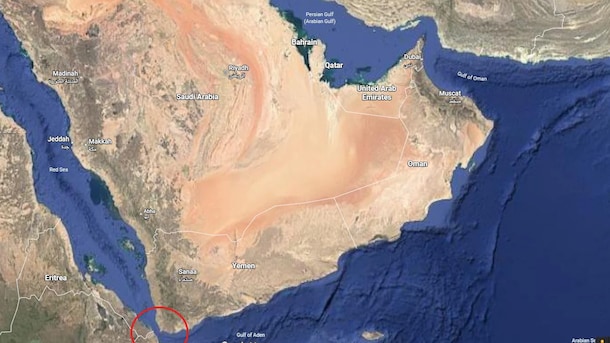
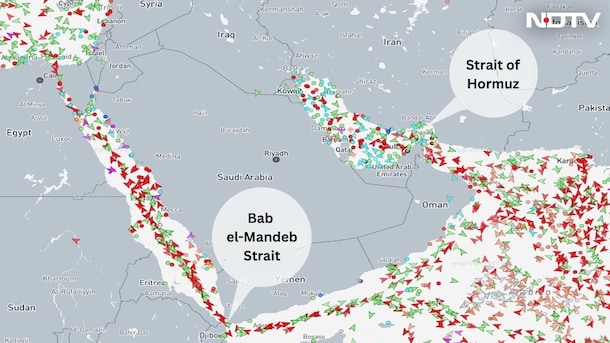
This has been compounded by the Yemen-based Houthi rebels joining the war on Iran's side, firing missiles to disrupt shipping via the Red Sea and the Bab el-Mandeb strait, "the Gate of Tears". The willingness of Iran and its allies to hit whatever targets they can, and their ability to inflict damage on the prosperous Gulf countries whose "safe haven" image is crucial to their success, has already given Tehran an upper hand and increased the costs to the rest of the world - leading many outside the region to seek a swift end to the war.
Also Read | Why This May Be The Most 'Deceptive' Phase In The US-Iran War - Yet
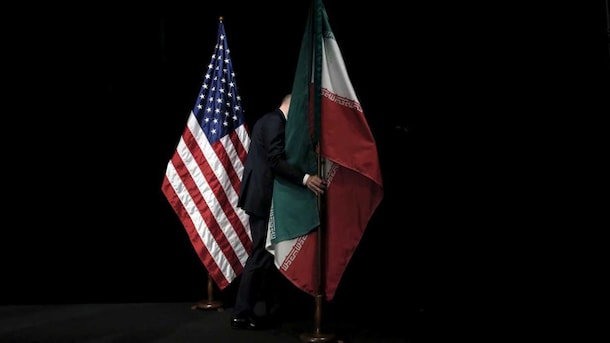
In contrast, for the United States, this remains a "war of choice". While the rhetoric from Washington is maximalist, the political commitment is subject to the whims of an election cycle and waning public appetite for another "forever war". This creates a paradox: Iran wins simply by surviving and maintaining its (undoubtedly degraded) effectiveness, which its critics might dismiss as "nuisance value" - specifically its ability to choke the Strait of Hormuz - while the US must achieve a far more overwhelmingly convincing result to claim success. If the month ends with the Iranian flag still flying over its primary naval assets and nuclear facilities, the strategic momentum arguably sits with Tehran.
A Divergence Between The US And Israel?
But it gets worse. While the US and Israel are aligned in their desire to see a diminished Iran, their tactical endgames have begun to diverge in a way that complicates the coalition's thus-far unified front.
The Israeli doctrine is clear: For Israel, the Iranian threat is viewed through a permanent, existential lens. Their strategy is often described as "mowing the lawn" - a relentless effort to degrade Iranian proxies and nuclear capabilities to the absolute minimum. (Hence the assault on Lebanon, where Hezbollah resides, in parallel with the war on Iran.) To Jerusalem, any deal that leaves the Iranian infrastructure, and its network of allies and proxies in the region, intact is merely a stay of execution.
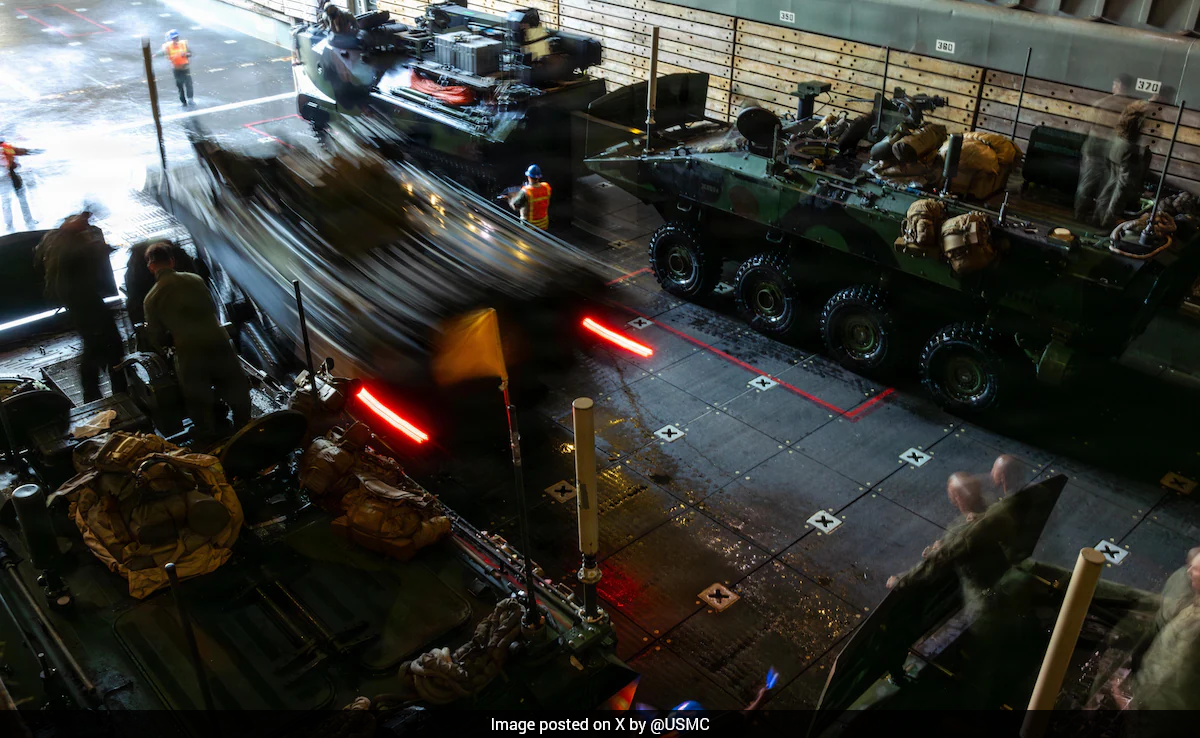
The American calculus is more difficult to figure out, given the extraordinary statements by President Trump, at press conferences and on Truth Social, that seem to change logic, intentions and desired outcomes with dizzying and bewildering rapidity. But inasmuch as one can glean a consistent thread in his pronouncements, it would seem that Washington appears more interested in a transactional halt to the conflict. The US strategy involves a dual track of building pressure through heavy troop deployments (estimated at 10,000 additional personnel this month) and the threat of targeted strikes on Kharg Island or other energy hubs, to force a diplomatic capitulation. Iran, in turn, accuses the US of proposing negotiations while planning military strikes - a tactic that the Americans have twice used already. (Diplomats from both countries were at the negotiating table under Omani mediation when the current war was launched on February 28.) How then, they ask, can they trust that negotiations will be sincere and not merely a cover for further attacks?
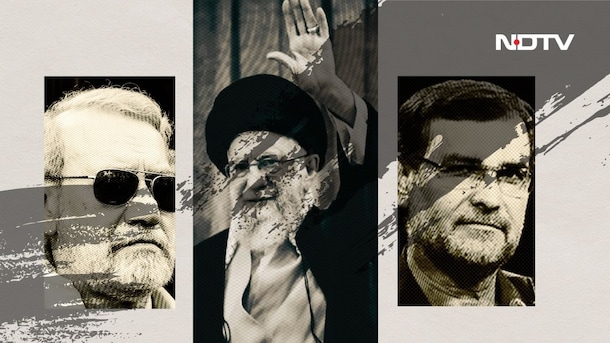
This friction is most visible in the "Hit List" problem. Diplomacy requires a stable interlocutor, yet continued assassinations of high-ranking Iranian officials - the strategy favoured by Israeli intelligence - undermine the very channels the US might use to negotiate a face-saving exit for both sides. Who will you negotiate with if you kill those who have the authority to negotiate?
The Case Of The 'Wounded Lion'
As a new month starts and we approach the April 6 deadline set by the Trump administration, the risk of a "next stage" escalation is at its highest point since the conflict began. The deployment of US troops suggests a shift from containment to the potential seizure of strategic Iranian islands and, judging by Trump's latest blood-curdling threats on Truth Social, far worse. However, the costs of such a move are astronomical.
Iran's primary deterrent is not its conventional air force, but its ability to turn the Persian Gulf into a graveyard for global energy infrastructure. Should the US or Israel target Iranian power plants or refineries, Tehran is expected to retaliate by targeting desalination plants and oil terminals in the neighbouring Gulf states. This creates a "Wounded Lion" scenario: states like Saudi Arabia and the UAE may privately wish for the US to "finish the job" and remove the Iranian threat forever, yet they are simultaneously the most vulnerable to the resulting blowback.
Russia And China
The conflict is no longer a regional vacuum. The reports of deepening military cooperation between Moscow and Tehran have begun to change the mathematics of the war. Russia's alleged supply of advanced drone technology and potential electronic warfare support could provide Iran with a replenished toolkit to offset US technological superiority. This turns the Persian Gulf into a secondary theatre of a much larger global friction between the West and an emerging Russian-Iranian coalition. Where would China stand in such an arrangement? It is currently taking a hands-off approach, perhaps privately chortling as America expends itself in the Gulf. But can it stand idly by while the total destruction of a major oil exporter like Iran is threatened?
Also Read | Have US And Iran Already Gone Past The Point Of 'Negotation'?
Negotiations at month's end remain relegated to "back-channel" whispers. While third-party intermediaries, notably Japan, Egypt, Turkey, and Pakistan, are rumoured to be active, there is a distinct lack of visible movement. The current US proposal, characterized by its 15-point maximalist demands, functions more as a real estate-style opening gambit than a viable peace treaty. In the world of high-stakes diplomacy, asking for everything usually results in getting nothing. For Iran to come to the table, they require a guarantee of regime survival and an end to sanctions; for the US to sit down, they require a visible dismantling of Iranian influence. Currently, neither side is willing to blink.
As the calendar turns on April Fools' Day, the conflict sits in a volatile "grey zone". The war is likely to get worse before it gets better. Both sides are currently incentivised to escalate: the US to prove its deadlines aren't hollow, and Iran to prove that its "survival" doctrine can withstand direct kinetic pressure. If the goal of the US administration was a swift, decisive collapse of Iranian will, the past month has proven that reality is far more stubborn. The "Wounded Lion" is still in the cage, and the cage is getting smaller, but the lion still has the power to wreck the house, making April fools of us all.
(Shashi Tharoor has been a Member of Parliament from Thiruvananthapuram, Kerala, since 2009. He is an esteemed author and a former diplomat.)
Disclaimer: These are the personal opinions of the author
-
What Happens If Iran War Actually Ends In 2 Weeks: The Challenges Ahead

Trump said the war could end in two weeks sans a deal to re-open the Hormuz. Analysts say it could take six to weight weeks more for oil flows to normalise, with each extra week of fighting adding seven to 14 days of recovery.
-
Opinion | Pakistan, And The One Big Difference Between 'Broker' And 'Mediator'
Neither Washington nor Tehran appears willing to invest Pakistan with the political capital required for mediation.
-
Houthis Threaten Strait No 2 As Iran War Expands. What It Means For India
Yemen's Houthi rebels have opened a second front in the Iran war, threatening Bab al-Mandab just as the Strait of Hormuz comes under pressure, and squeezing one of the world's most important oil corridors from both ends.
-
Europe Split Over Trump's Iran War, Spain Leads Defiance
Europe is sharply divided on how to view fighting in West Asia and subsequent pressure on the global energy trade, which has seen fuel and gas prices increases worldwide.
-
Opinion | Zagros To Dasht-e-Lut, Why Iran's Terrain Could Be A Challenge For US Ground Troops
Iran is often called a 'fortress' owing to its formidable mountain ranges, which virtually form a wall to its North, West and South.
-
More Fighting, Deaths, Oil Prices: 4 Worrying Points If US Invades Iran
In case of a ground invasion, US troops will likely be forced to fight on multiple fronts - Iran proxies Houthis in Yemen, Hezbollah in Lebanon, and Hamas in Gaza, as well as smaller Shiite militia in Iraq and Bahrain.
-
Opinion | Why This Is The Most 'Deceptive' Point Of The US-Iran War - Yet
Beneath the 'lull' you see today being packaged as a thaw, the war is expanding insidiously.
-
Ground War On? US Rushes 57,000 Troops As Iran Crisis Escalates
US troops in West Asia hit 57,000+ amid war on Iran - the largest buildup since 2003. USS Tripoli's 3,500 Marines arrived with 82nd Airborne paratroopers for a possible assault on Kharg Island, while air and naval bases in Qatar, Kuwait, Bahrain, and other Gulf nations are already involved.
-
Opinion | Shadow Wars: The 'Inside Networks' Helping Israel Target Iran And Its Leaders
Since September 2025, Tehran has delivered execution orders against dozens of people accused of spying for Israel.
-
Gate Of Tears: The Next Chokepoint That Could Make Shippers Cry After Hormuz
The Bab el-Mandeb strait at the southern tip of the Red Sea is now emerging as a second front in what experts describe as the most severe disruption to global energy markets in modern history.