


- Trinamool MLA Ritabrata Banerjee, it appears, has all the cards at the moment
- Party founder Mamata Banerjee may have to play nice, adjust or risk losing it all
- Developments since Trinamool's poll loss have followed Murphy's Law - If something can go wrong, it will
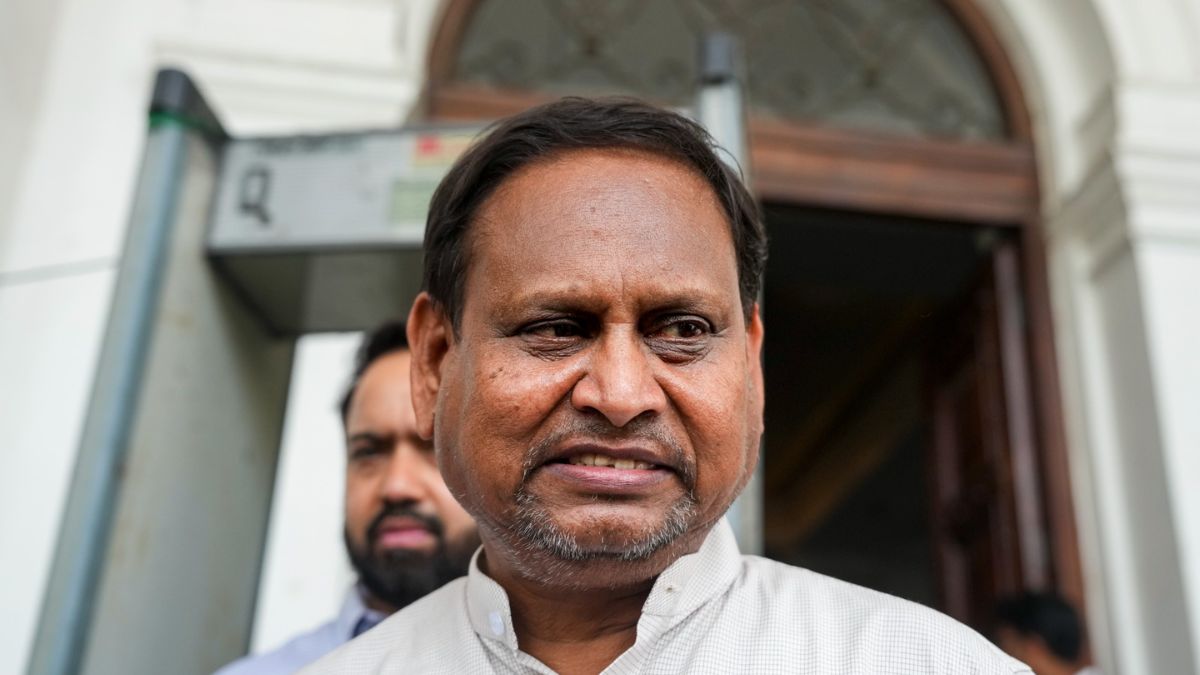
Trinamool MLA Ritabrata Banerjee, it appears, has all the cards at the moment.
Party founder Mamata Banerjee, a three-time chief minister, may have to play nice, adjust or risk losing it all.
Today marks a month since the Bengal poll loss, and developments within the party since the day of poll results have followed Murphy's Law - If something can go wrong, it will.
First, the Trinamool fell out of power after three successive terms.
Mamata Banerjee, 71, lost her seat to Suvendu Adhikari.
Dissent, like moss, was spreading.
Opinion | Has Mamata Banerjee Reached Her Political Endgame?
On May 6, two days after the poll defeat, at a meeting of newly elected MLAs, Mamata Banerjee reportedly asked legislators to rise and praise Abhishek Banerjee, her nephew, for his role in the campaign.
The gesture triggered murmurs among a section of legislators, who felt the party was increasingly revolving around one family.
The first public signs of dissent emerged on May 19.
At another meeting, MLAs Ritabrata Banerjee and Sandipan Saha questioned why Falta MLA Jahangir Khan had not been expelled despite publicly announcing his withdrawal a day before the repoll. Since Jahangir was seen as close to Abhishek, the criticism was widely interpreted as a challenge to the Trinamool national general secretary.
Another twist came three days later.
Read | Mamata Banerjee's Existential Crisis As Trinamool Hits Breaking Point
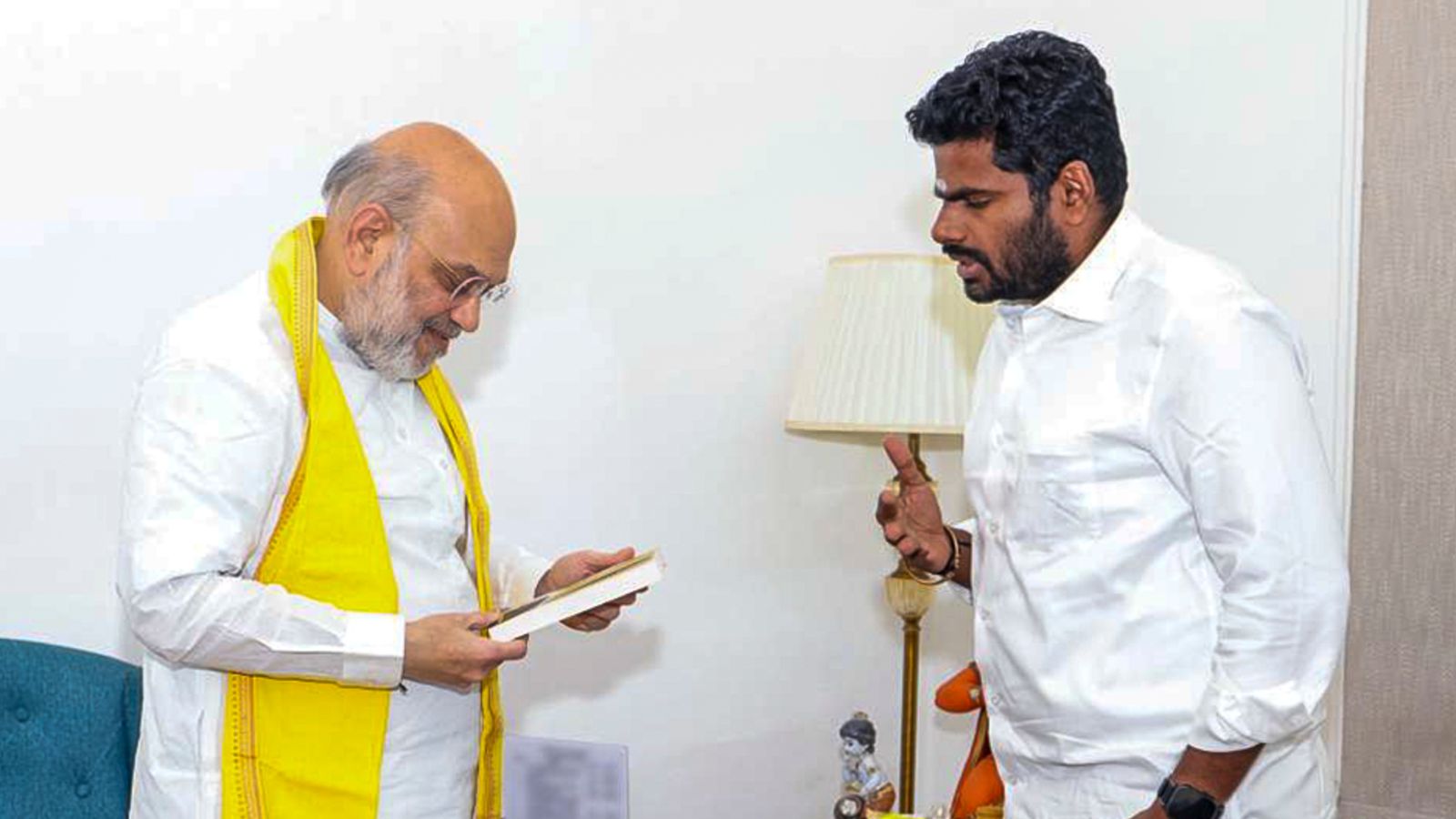
On May 22, Ritabrata, who was in Delhi to complete post-Rajya Sabha formalities following the end of his tenure, visited Banga Bhavan for lunch. There he ran into Chief Minister Suvendu Adhikari. He described it as an "unexpected" encounter.
He publicly welcomed Adhikari's decision to invite opposition legislators and MPs to administrative review meetings, describing the move as a healthy democratic practice.
The remarks immediately drew attention in political circles.
Within days another controversy engulfed the Trinamool.
On May 25, allegations surfaced that signatures of several legislators had been forged on documents submitted to the Bengal Speaker regarding the leadership structure of the legislature party.
Ritabrata and Sandipan formally complained to the Speaker, alleging forgery.
Opinion | Despite Growing Revolt In Trinamool, No Sign of Introspection by Mamata Banerjee
A police investigation was ordered.
The signature row became a rallying point for disgruntled MLAs, triggering intense lobbying, strategy meetings and behind-the-scenes mobilisation across the state.
The crisis deepened further on May 30 when Abhishek Banerjee came under a mob attack during a visit to Sonarpur.
While political parties condemned the incident, several Trinamool leaders privately noted the muted response from sections of the organisation and the legislature party, seeing it as evidence of a widening disconnect between the leadership and a section of elected representatives.
By May 31, the erosion of authority had become visible.
A meeting of the Trinamool Legislature Party at the Kalighat residence of Mamata Banerjee was called off following poor attendance by MLAs.
According to party sources, the venue was chosen to underline the importance of the meeting, and Mamata Banerjee had also been requested to attend in order to strengthen coordination between the party leadership and MLAs.
The Trinamool currently has 80 MLAs in the new Assembly. However, only around 20 legislators turned up for the meeting, following which it was cancelled due to a lack of quorum.
Responding to questions over the cancellation, Trinamool spokesperson and Beleghata MLA Kunal Ghosh said the party's legislators were occupied with developments following the alleged attack on Abhishek Banerjee in Sonarpur.
"Along with Abhishek, Kalyan Banerjee was also attacked. Overall, the meeting has been postponed in such a situation. That is why the meeting has been cancelled. That is why the MLAs did not come," he said.
Political observers pointed out that if the decision to postpone the meeting had been taken in advance, it remained unclear why around 20 MLAs still arrived at Mamata Banerjee's residence in Kalighat.
The decisive rupture came on June 1.
Hours after Suvendu Adhikari publicly disclosed that the CID probe had been initiated based on complaints filed by Ritabrata and Sandipan, the Trinamool expelled both leaders from the party.
The expulsion accelerated the rebellion.
The expelled leaders sharpened their attack on Abhishek Banerjee, accusing him of centralising power within the organisation. Within rebel circles, the campaign soon acquired a name -- "Operation Crown Prince".
Even as the party attempted to regain control by sending fresh communications to the Speaker on June 2 regarding the legislature party leadership, support continued shifting towards the dissidents.
The denouement arrived on Wednesday.
A group of 58 MLAs submitted a letter to the Speaker, electing Ritabrata Banerjee as leader of the legislature party and nominating a new leadership team.
The Speaker appointed Ritabrata as the Leader of Opposition and handed over the keys to the Leader of Opposition chamber to him in the presence of rebel Trinamool MLAs.
"Our claim has been accepted by the Speaker," Ritabrata Banerjee told reporters after meeting the Speaker.
Claiming legitimacy through numbers, he asserted that the dissidents now represented the real Trinamool Congress in the Assembly.
"The Trinamool legislature party is a team of 58 MLAs who won on the Trinamool symbol. We are the real Trinamool now in the Assembly," he said.
The Speaker's acceptance effectively formalised the first organisational rupture in a party founded by Mamata Banerjee in 1998 after her break from the Congress.
The dissident camp unveiled a new leadership structure, naming Ritabrata Banerjee as LoP and Akhruzzaman as chief whip. Senior legislators and party old-timers Javed Ahmed Khan, Sandipan Saha, Sabina Yasmin and Shiuli Saha were appointed deputy leaders.
Several veteran Trinamool legislators joined the rebellion, including Samar Mukhopadhyay, Arup Roy, Rathin Ghosh, Javed Khan and Prasun Banerjee.
Minutes later, many of the same legislators attended a government review meeting convened by the Chief Minister at the state secretariat Nabanna.
The rebels stopped short of directly challenging Mamata Banerjee.
"We accept Mamata Banerjee as our leader but do not accept Abhishek Banerjee," a leader associated with the dissident camp said.
Seeking to soften the optics of the revolt, Ritabrata Banerjee even appealed to the former chief minister to guide the legislature party.
"We would request Mamata Banerjee to play the role of chief adviser to the legislature party," he said.
A rattled Trinamool leadership dissolved all party committees and frontal organisations across West Bengal in what appeared to be an attempt to regain political control amid a fast-escalating power struggle.


