NDTV Investigation: Why Did 8 New Mothers Suddenly Fall Ill At A Jodhpur Hospital?
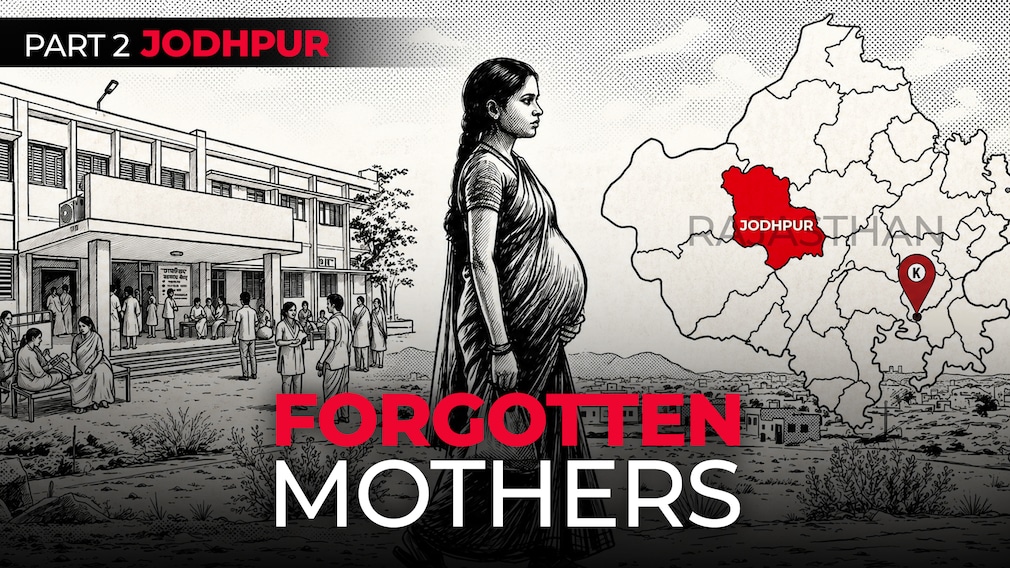
Part 2 of NDTV's investigation into the series of maternal deaths and severe post-delivery complications reported across government hospitals in Rajasthan focuses on Jodhpur.
For many in Jodhpur, including senior doctors, the chilling events of June have revived memories of one of Rajasthan's darkest medical tragedies. In 2011, contaminated IV fluids at a government hospital claimed the lives of 18 women, exposing deep cracks in the public healthcare system and triggering promises that such a disaster would never happen again.
Fifteen years later, those haunting questions have resurfaced. Another series of unexplained maternal complications is now under investigation, raising fresh concerns about whether the lessons of the past were ever truly learned.
Part 2 of NDTV's investigation into the series of maternal deaths and severe post-delivery complications reported across government hospitals in Rajasthan focuses on Jodhpur. NDTV visited hospitals, met affected families, and spoke to survivors, doctors, officials, and investigators. Part 3 will explore cases from Bikaner. Read Part 1 from Kota here.
The health of eight women, who underwent cesarean deliveries at the Paota Hospital in Jodhpur last month, deteriorated suddenly. These women developed similar symptoms - shivering, palpitations, excessive bleeding, low blood pressure and kidney complications - within the same time period, raising suspicion about what exactly transpired.
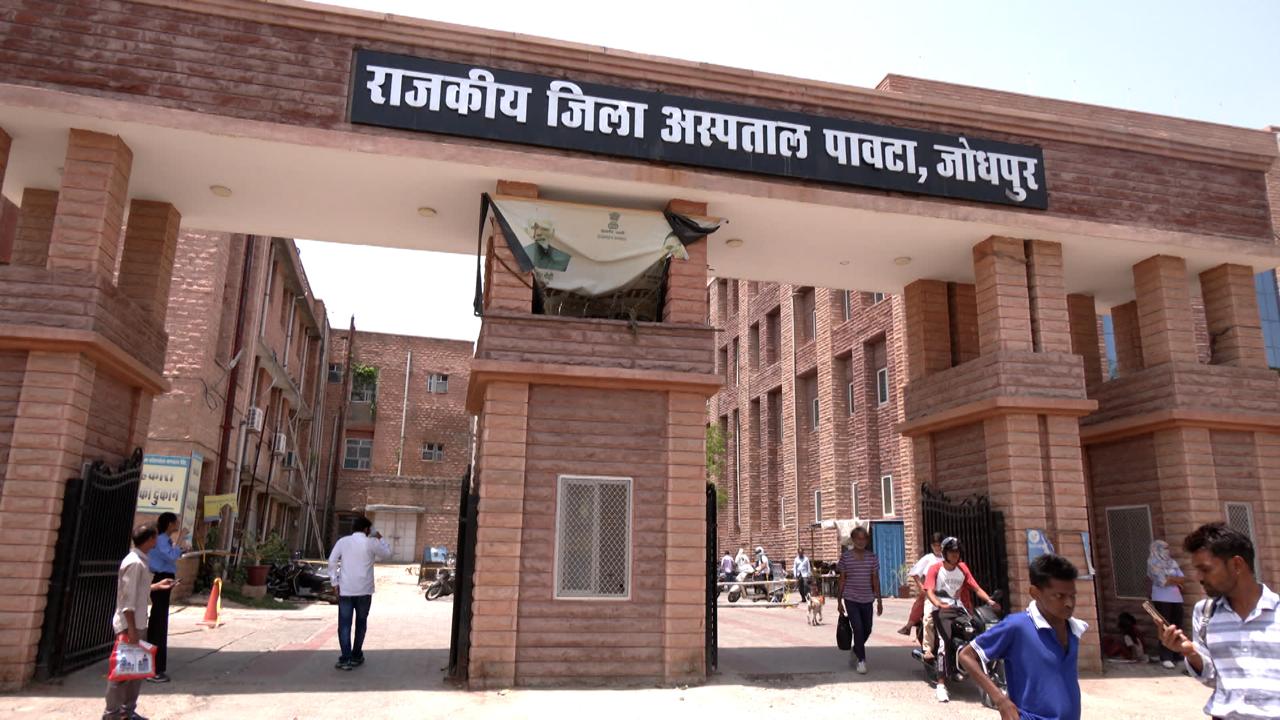
Doctors and sources privy to the matter acknowledged that these eight women fall into the same cluster. Sources indicated that a new batch of IV drips was administered to each of these women who fell critically ill after the surgery. They noted that none of the other medicines administered were from the fresh batch.
Sources told NDTV that local culture reports, along with tests of linen, cotton materials, operation theatre conditions and medical equipment, have all come back and are within the prescribed norms. The crucial reports on the IV fluids and medicines are still awaited, and officials said they could take up to six weeks.
High-level committees of specialists from AIIMS Delhi and AIIMS Jodhpur are investigating the incidents. The Union government has also asked for a detailed report from the Rajasthan government.
Search For The Source
Speaking exclusively with NDTV, Kulbeer Singh Chopra, Additional Superintendent, Paota Hospital, said, "It all started on June 20. Eight C-sections took place. In the afternoon, eight patients started shivering, so we informed the principal sir and he came with a team. Two of the new mothers were referred to MDM Hospital's ICU and six of the others were put on stronger antibiotics. They were all monitored. The two patients were referred because they had comorbidities."
All six women admitted to Paota Hospital have been discharged. Among the two women with comorbidities who were referred to AIIMS Jodhpur for advanced treatment, one has been discharged and the other has been shifted from the ICU to the general ward.
According to sources, investigators suspect that a pre-existing toxin may have entered the patients' bodies, based on the pattern in which they fell ill one after another. However, officials cautioned that this remains a working hypothesis until the pending reports are received.
"There are many things here. Drugs, IV fluids and all injections have been seized. There is suspicion. The batch of the IV fluid (Ringer's Lactate) used that day was new and other medicines were routine," said Dr VS Rathore, anaesthesiologist at Paota Hospital.
Rajasthan Health Minister Gajendra Singh Khimsar told NDTV that the samples of Ringer's Lactate were tested when they came and were withdrawn before treatment when abnormalities were found. Doctors, however, said that was specific to one batch.
A preformed endotoxin (a type of bacterial toxin) may have triggered the rapid deterioration seen in some patients, though it is early to draw any conclusions, according to Dr BS Jodha, principal of Dr SN Medical College. "Till now, patient sample reports have shown no bacterial growth. Looking at the condition, we are thinking it may be some type of preformed endotoxin, but to guess at the exact cause of these clustered events is a little premature," he said.
Dr Jodha emphasised that investigators are examining every possible source, including intravenous fluids, surgical equipment and other materials used during treatment. He added that pregnancy itself alters a patient's immune state, and that patients with comorbidities as well as conditions like anaemia are at a higher risk of severe complications.
"We don't always find out about the pre-existing conditions. We do basic tests. This is a challenge. During surgery, there may be blood loss due to multiple reasons, followed by infections. Sometimes, a patient rapidly deteriorates and we try our best to follow SOPs but, ultimately, it is a team effort. We have faith in manufacturers, storage and transport systems, and we have to believe the test reports. We are dependent on all these, and we have faith in them for cold chains and transportation. But when we face challenges like these, we realise we need to be even more cautious," said Dr Jodha, who had also witnessed the 2011 maternal deaths.
Medicines, Storage And Questions
Outside the ICU at AIIMS Jodhpur, Sumer, the husband of Sonu, one of the patients, said, "She developed an infection. There was no urine output. The doctors told us there was a problem with her kidneys and liver. We have heard this may have happened because of some medicines."
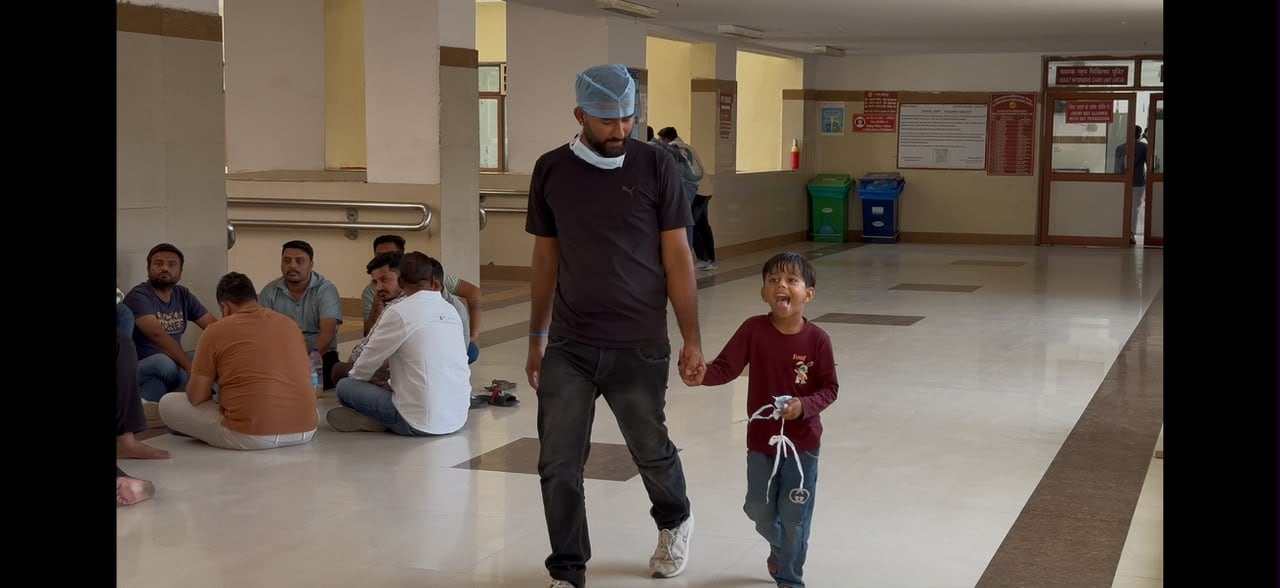
Sumer walks with his five-year-old son outside the ICU at AIIMS Jodhpur.
Beside him, his five-year-old child tugged at his arm, too young to understand why the family had been away from home for days, waiting outside an intensive care unit for answers.
Rawat Ram, the husband of Lalita, who was referred to AIIMS Jodhpur and has now been discharged, said, "We had lost hope, but the treatment has been good. We are still very stressed".
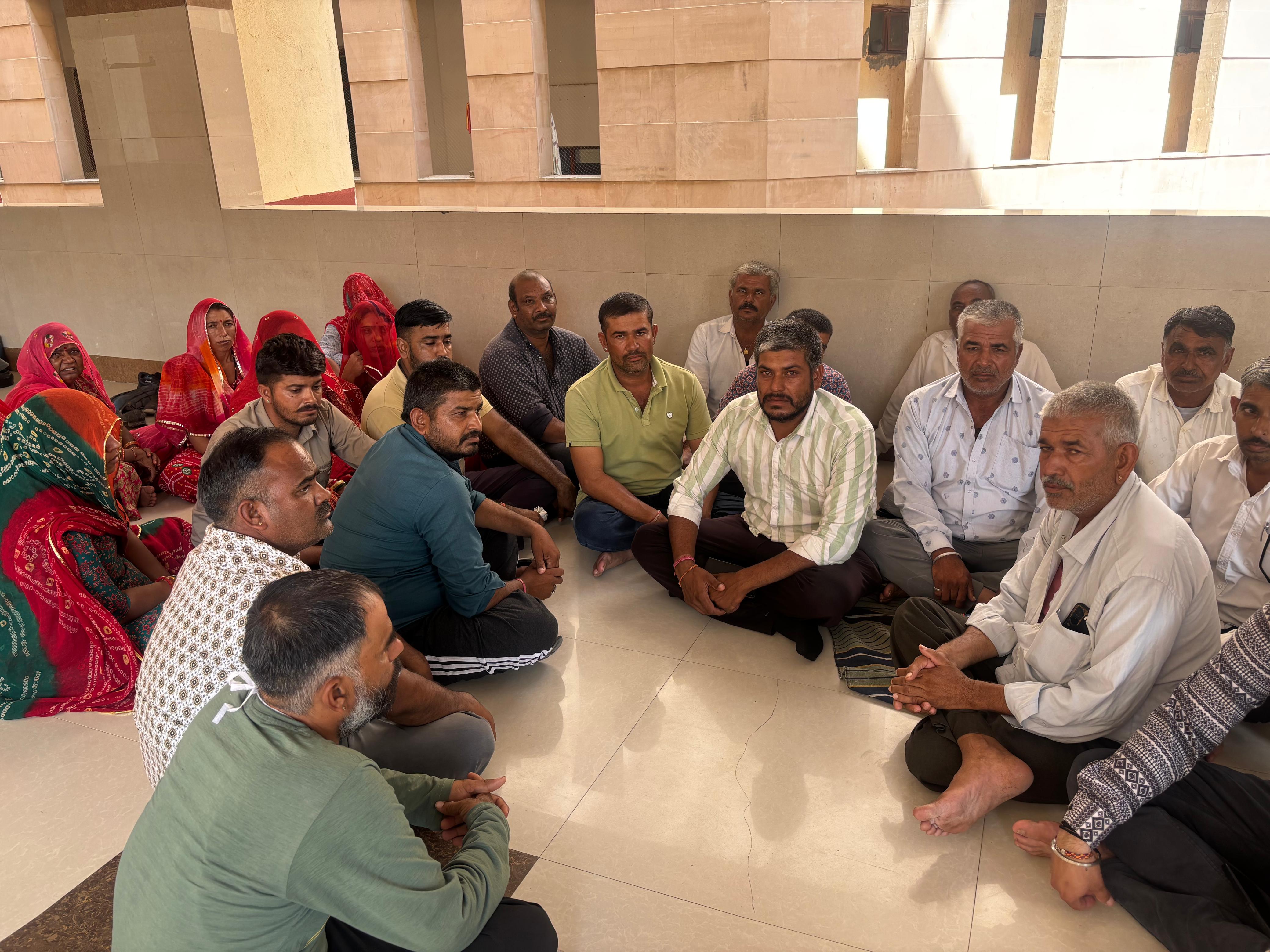
Rawat Ram, Lalita's husband, sits on the hospital floor.
Habida Banu, the mother-in-law of Tasleem, who was discharged from Paota hospital, recalled, "Two hours after the delivery, she fell sick and there was bleeding. She had difficulty breathing. They had to infuse blood."
'Other Factors'
Health Minister Gajendra Singh Khimsar maintained that the incidents in Kota, Jodhpur and Bikaner are unrelated.
"I can assure you that our government hospitals handle an enormous volume of patients every single day. The expertise our doctors have, built on treating many such cases, is something many private hospitals simply do not have," the minister said, highlighting factors such as severe heatwave, patient comorbidities and high-risk referrals.
"All these medicines, drugs and injections, once they are manufactured, are supposed to be kept at a certain temperature. From the factory, they go to a warehouse. From the warehouse, they are transported to the distributor. From the distributor, they are transported again before reaching the hospital. The hospital then sends them to its own store and they finally reach the operation theatre. When temperatures are high, all these stages of transportation and storage could, perhaps, diminish the effectiveness of a particular injection," he said.
Officials noted that drug controllers conduct random checks in stores and hospitals, and also when doctors flag issues.
"Lab tests are conducted, and if the test reports are satisfactory, the medicines are released. If they fail the tests, they are discarded. The manufacturer supplies the medicines to the distributor. Sometimes, manufacturers may forge test reports and release medicines. Sometimes they may have clear reports for one batch but not for another," said an official.
"Every month, officials collect samples of different medicines for testing. Nearly one lakh batches of drugs may come into the district and action is taken if any discrepancy is found. Ultimately, the responsibility lies with the manufacturers to ensure they do not cheat. There are also important factors such as maintaining the cold chain. Any disruption may lead to deterioration of the drugs," the official explained.
(With inputs from Harsha Kumari Singh and NDTV Rajasthan)
-
3 Minutes, 6 Stanzas, Century-Old Debate: The Many Turns In Vande Mataram's Journey

PM Narendra Modi launched a year-long commemoration of the song's 150th anniversary on November 7, 2025. In December, both Houses held special discussions on it, during which the 1937 Congress decision was scrutinised.
-
Indian Family Wipeout Over iPhone: The Dangerous Lure Of Consumer Tech Debt
Young buyers walk into physical retail stores, hand over basic identity documents and walk out with a consumer electronic device that costs more than their entire family's monthly take-home income
-
China Outspends India In Space, But New Delhi Holds The Trust Card
The US remains the undisputed leader in the global space race. But it's realistic for India to aim for the third place, says Bellatrix Aerospace COO.
-
It's About The Provenance: Head Of Strategy Koreel Lahiri Decodes One Identity Of NDTV
We at NDTV consciously recognise the fact that the same consumer inhabits several screens during the course of a day.
-
Opinion | India's UPI Miracle Has Created A Difficult, Rs 20,000-Crore Question
UPI's whole magic was the Rs 30 payment it charged nothing for. But how long can it stay free?
-
Opinion | Manmohan Singh, Bachchans, And Other Secrets Of 10 Janpath: The Sonia Gandhi Story
She entered politics reluctantly, mastered its power games, chose Prime Ministers, and managed betrayals. Congress's most powerful woman finally tells the world how.
-
Opinion | Why The Congress-Samajwadi 'Merger' Fantasy Could Be Opposition's Biggest Self-Goal
Rahul Gandhi and Akhilesh Yadav do not need to become one another. They need to become better at being themselves, together.
-
Opinion | Mumbai's 'Marathi' Test For Cabbies, And The Art Of Fixing The Wrong Problems
All these years, India's financial capital has worked just fine without a Marathi mandate for its taxiwallahs. Whose problem is the new language rule actually solving now?
-
Opinion | Rs 1.05 Lakh Crore Lost: Inside The Dangerous Rise Of India's Gen Z Stock Traders
Investors under 30 now account for 37.9% of the total investor base in India. But they are also losing money at a much higher rate. Why are they doing it?