NDTV Investigation: No Single Cause Or Common Pattern In Bikaner's Maternal Health Crisis
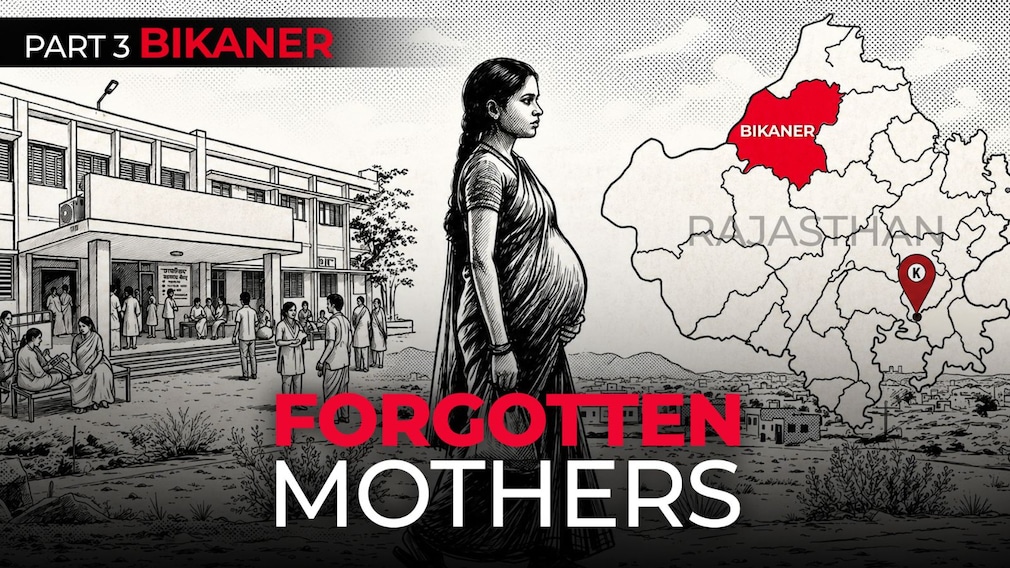
Part 3 of NDTV's investigation into the series of maternal deaths and severe post-delivery complications examines a different pattern emerging at Bikaner's PBM Hospital
Connected to wires and cannulas, Kamala was severely diabetic at the time of her delivery, further complicating her condition. This was despite doctors repeatedly warning her against having a third child. Following her caesarean delivery, her health deteriorated. Her lips were dry and her face appeared swollen. Kamala's kidneys were already affected by pre-existing diabetes pushing her into a renal failure stage, sources said.
"She was vomiting, so the doctors shifted her to another ward. She was put on dialysis. She already had diabetes," said Kamala's sister-in-law.
This brings us to Part 3 of NDTV's investigation into Rajasthan's series of maternal deaths and severe post-delivery complications. While Part 1 uncovered glaring lapses at New Medical College Hospital in Kota and Part 2 raised questions about the quality of IV drips administered to new mothers in Jodhpur's Paota Hospital, Part 3 examines a different pattern emerging at Bikaner's PBM Hospital.
Kamala survived her ordeal, but Sharda did not quite meet the same fate. Before her death, Sharda had suffered temporary blindness. This happened when Sharda was already on dialysis after she reached the renal failure stage before she passed away. "When admitted her, she appeared fine. She underwent c section, and the baby boy was delivered. Then she started shivering and fell sick," said her sister Sunita.
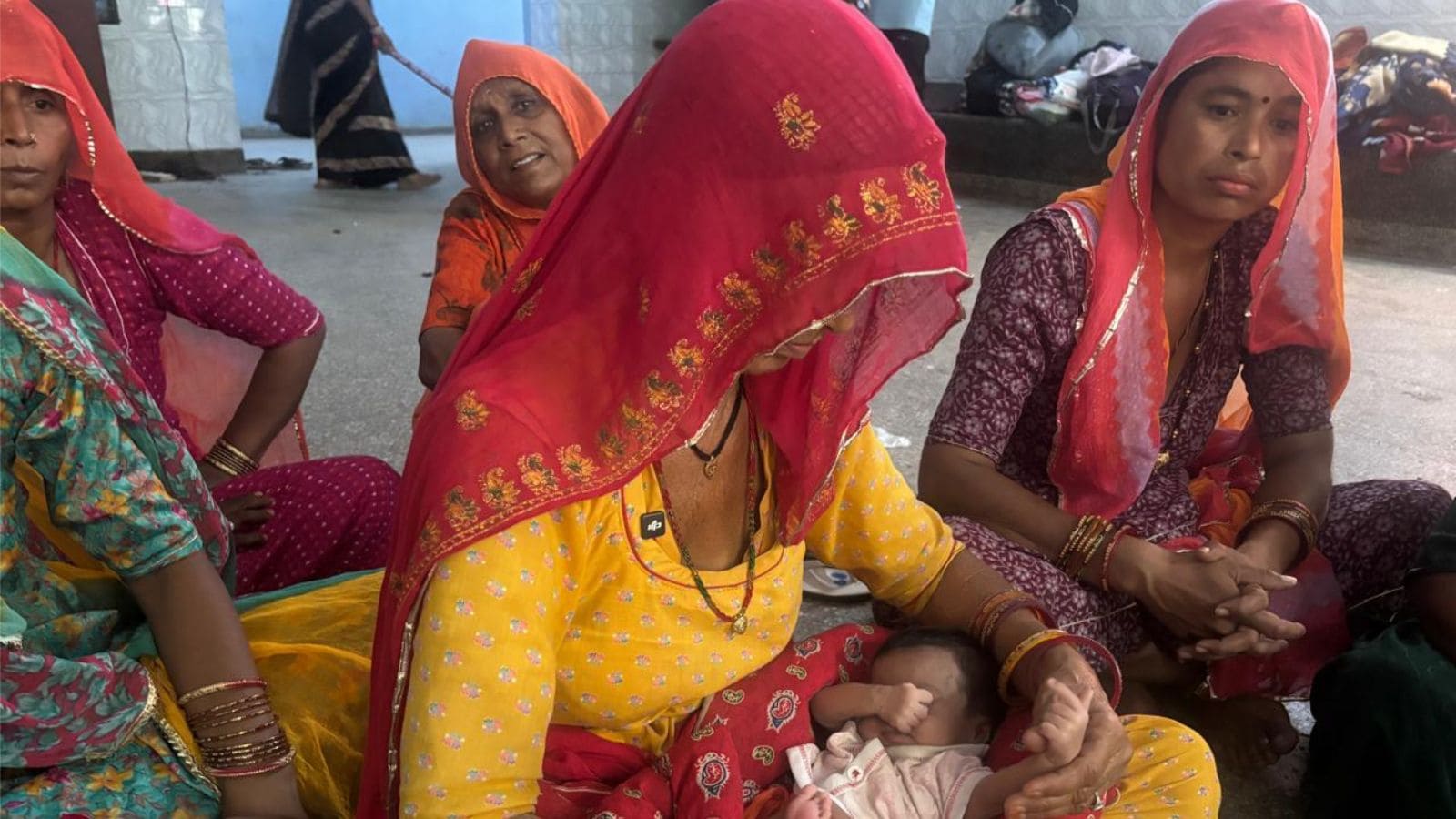
Kamala's mother-in-law soothes her newborn.
According to doctors at PBM Hospital in Bikaner, she had suffered postpartum haemorrhage. Sharda, 26, is among the two women who died; the other woman Preeti, 20, was six months pregnant and was a referral case from Nagaur. Preeti, on the other hand, doctors said already had a history of acute hypertension, eclampsia (sudden onset of seizures) and went into an acute renal failure stage. She died after the termination of her pregnancy.
Explaining Sharda's symptoms, a senior doctor said, "The convulsions she suffered were linked to changes in the brain caused by hypertension. She developed cortical vein thrombosis or HELLP syndrome (hemolysis, elevated liver enzymes, and low platelet count). In such cases, swelling can occur in the posterior part of the brain, leading to temporary blindness. However, it was not permanent blindness, rather, it was a symptom of the underlying condition."
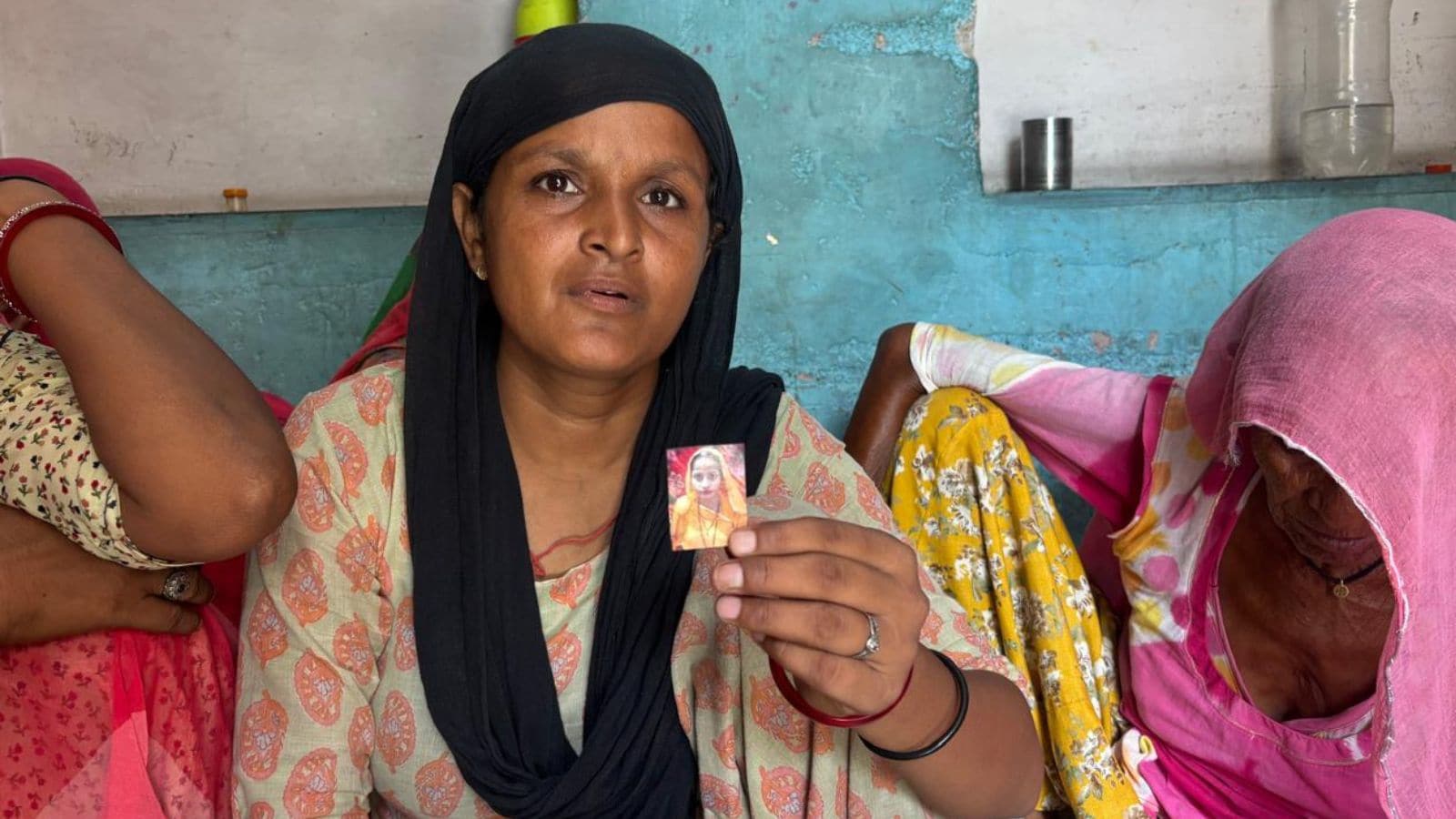
Sunita, Sharda's sister, holds her photograph.
As drug reports of these cases are awaited to reveal a clearer picture, NDTV read through medical records of some of the then admitted women that mentioned sepsis. "Sepsis (infection) can develop in any patient. It may already be present in the patient at the time of admission or can develop in hospital - there are a number of reasons. This is a common issue," a doctor said. At the moment, an expert team from AIIMS Delhi as well as Jodhpur is investigating the matter.
Beyond the deaths and deteriorating health conditions, the NDTV team also found parts of the hospital infrastructure in poor condition, with pathways smeared with paan stains and uncovered drainage holes. When asked about the unhygienic conditions, a senior official, speaking on condition of anonymity, said the review committee has recommended stricter infection-control measures at the hospital.
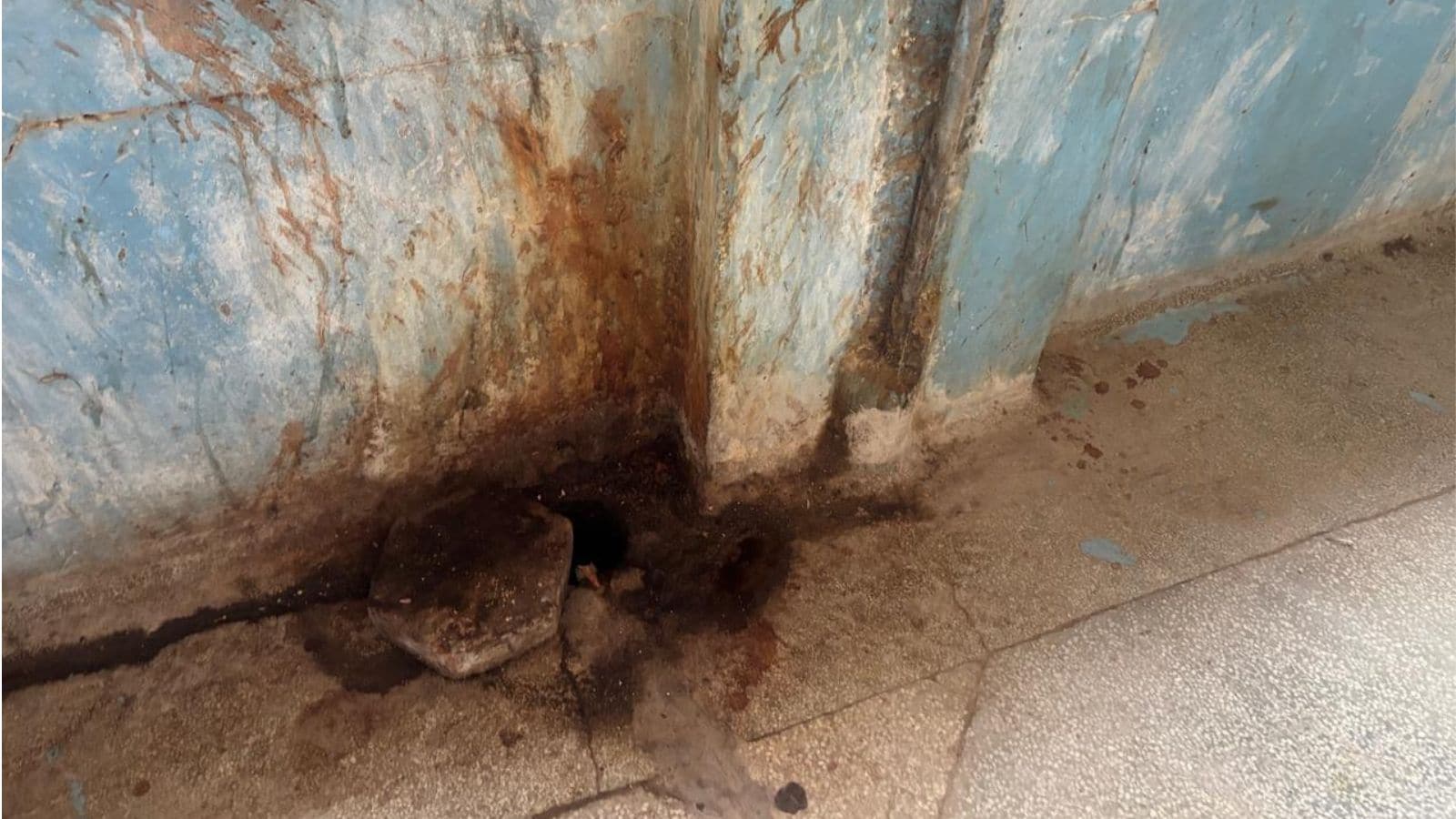
Paan stains can be seen in some of the corridors at PBM Hospital, Bikaner
In Bikaner, the deaths and severe post-delivery maternal complications unfolded differently from the cases reported in Kota and Jodhpur. Rather than occurring within a short span of time, the cases were spread over nearly three weeks - from mid-May to the first week of June, leading doctors to argue that they do not represent a single cluster linked by a common cause. They also pointed out that the cases did not follow one pattern. Not all the women had undergone C-sections, and the only common denominator was pregnancy.
Six Women, Six Clinical Histories
Senior doctors and investigators insisted that each of the six women who were undergoing treatment in the same time period had a distinct clinical history and different underlying risk factors. One of the women was six months pregnant and had a history of hypertension, while another was diabetic and some others were severely anemic. Most of the patients, they said, were referred from other facilities and were already categorised as high-risk. Their conditions ranged from severe pregnancy-induced hypertension and postpartum haemorrhage to pre-existing diabetes, pre-existing kidney disease and other obstetric complications.
Doctors argue that acute kidney injury, seen in several of the patients, is a recognised complication that can arise from multiple medical conditions, including severe blood loss, infection, dehydration, hypertension as well as underlying illnesses. They also pointed out that blood culture reports from all six patients showed no bacterial growth.
The hospital's internal inquiry committee has concluded that no common denominator has emerged so far. Instead, doctors believe the complications were likely multifactorial - a combination of underlying illnesses, severe anaemia, dehydration, poor nutritional status, environmental stressors such as extreme heat, and other clinical factors may have contributed to the patients' deterioration.
"All this happened in the months of May and June. It was extremely hot and these women apart from pre-existing conditions were also severely dehydrated. Acute renal failure stage has a wide range of causes - postpartum haemorrhage, hypertension, dehydration. All of these weren't just kidney failure but multi organ failure stage," another doctor said.
"The patients had different clinical conditions. All medicines that were examined and have been sealed. We cannot ignore environmental factors as well, which may have played a role in these cases," the doctor added.
Sources attributed heatwave and dehydration to the post-delivery deaths of at least four to five women last year in the same time period between May and June.
Asked about monitoring the conditions of these women pre- and post-delivery, a senior doctor said, "These women come severely dehydrated during the heatwave. Patient monitoring is a compulsory protocol. However, one has to understand that most of these cases are referrals and the attending doctors aren't fully aware of their clinical history. When dehydration is observed, they are provided with the required care but one must keep in mind that these are government hospitals with a heavy workload attending patients coming from poor economic backgrounds. There are multiple factors. We mostly get complicated cases here."
The internal committee has flagged that nothing unusual was found in the cases at Bikaner's PBM Hospital so far. Over 1,000 deliveries take place in this hospital in a month. Rajasthan Health Minister Gajendra Singh Khimsar too stressed that the women who were reported with severe complications in Bikaner were already critically ill when they reached the hospital. The minister had visited Bikaner after the women developed complications.
Recalling one of the cases, the minister said a woman (Tara) had travelled to Nagaur to stay with her parents, where she developed complications amid the extreme heat. "The temperature was touching 47 to 48 degrees Celsius. She developed complications, was put on a ventilator there, and by the time she was referred to Bikaner, she was even more critical. She had to be put on a ventilator again," the minister told NDTV. Tara survived and was discharged.
The minister maintained that the women admitted to Bikaner were high-risk referrals with serious medical complications. "The women who came there were already in a critical state. They never came as normal deliveries." He also urged that the incidents be viewed in the context of the state's overall maternal health outcomes.
"Look at the state's record as a whole. Out of one lakh deliveries, including both normal and caesarean, the maternal mortality rate is 48 per one lakh, way below the national average," the minister said.
Families Waiting, Mothers Fighting
Sharda's newborn was first fed by his aunt Sunita, as the family struggled to come to terms with the loss of his mother. Now, the infant has been taken into the care of his paternal family, who will raise him as he begins a life journey marked by the absence of the woman who brought him into the world.
Imarti, another woman who had developed complications following postpartum hemorrhage (PPH), had also gone into an acute kidney renal failure stage, the exact cause behind which is currently under probe. She too was admitted when NDTV visited the hospital. "We suspect that she was severely dehydrated," a doctor said. Imarti was discharged after her condition got better.
"We come here for happiness but leave with sadness. It's been 26 days," said her brother, Lekam.
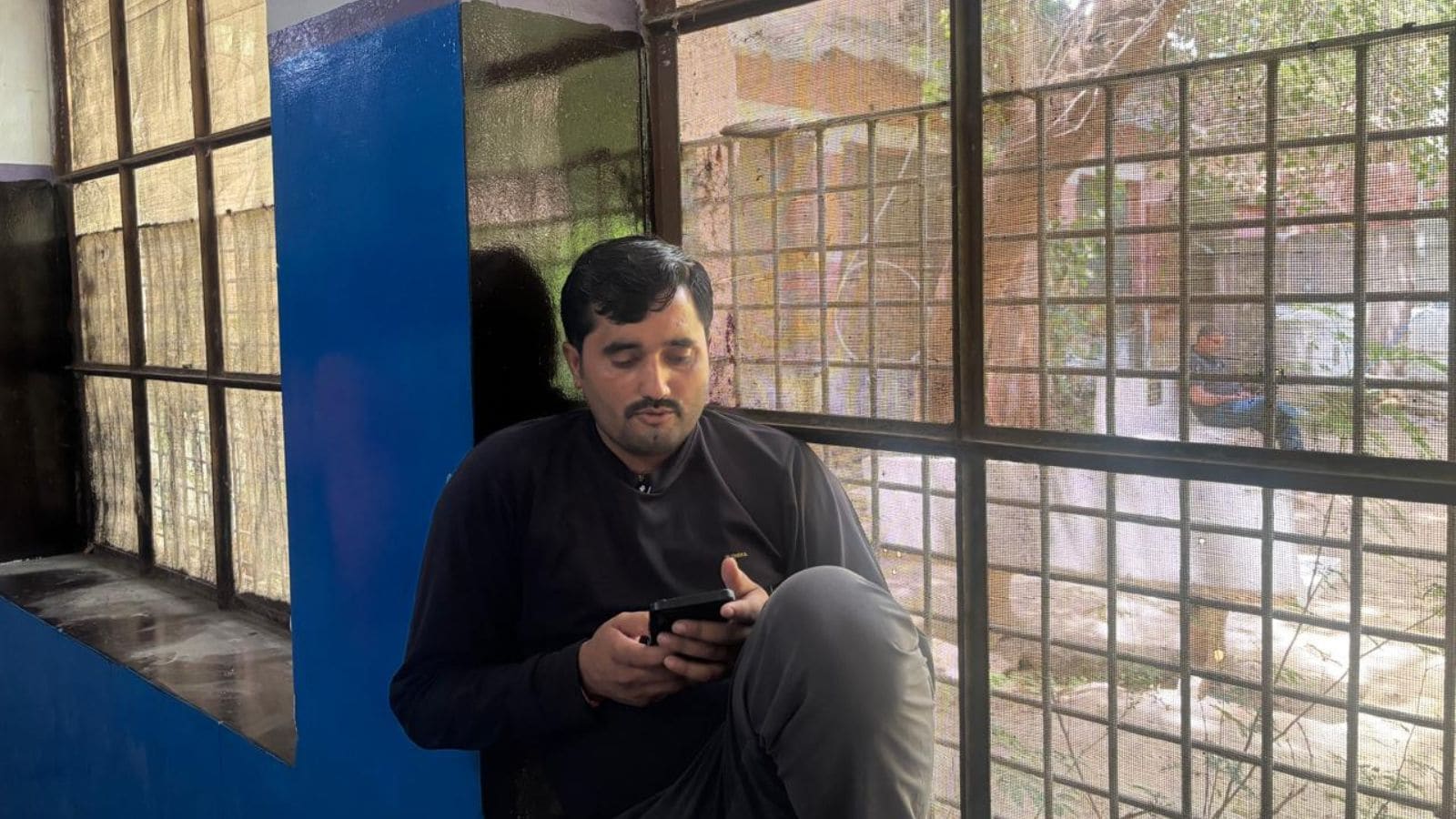
Imarti's brother, Lekam, says the family has been away from home for a month.
Meanwhile, families sat on the hospital floor, soothing the newborns, waiting, hoping, and praying that the mothers who brought them into the world would soon recover and return home.
At her house after being discharged, a frail-looking Rahila,19, said, "I delivered my baby and then my health deteriorated. I don't remember anything after that."
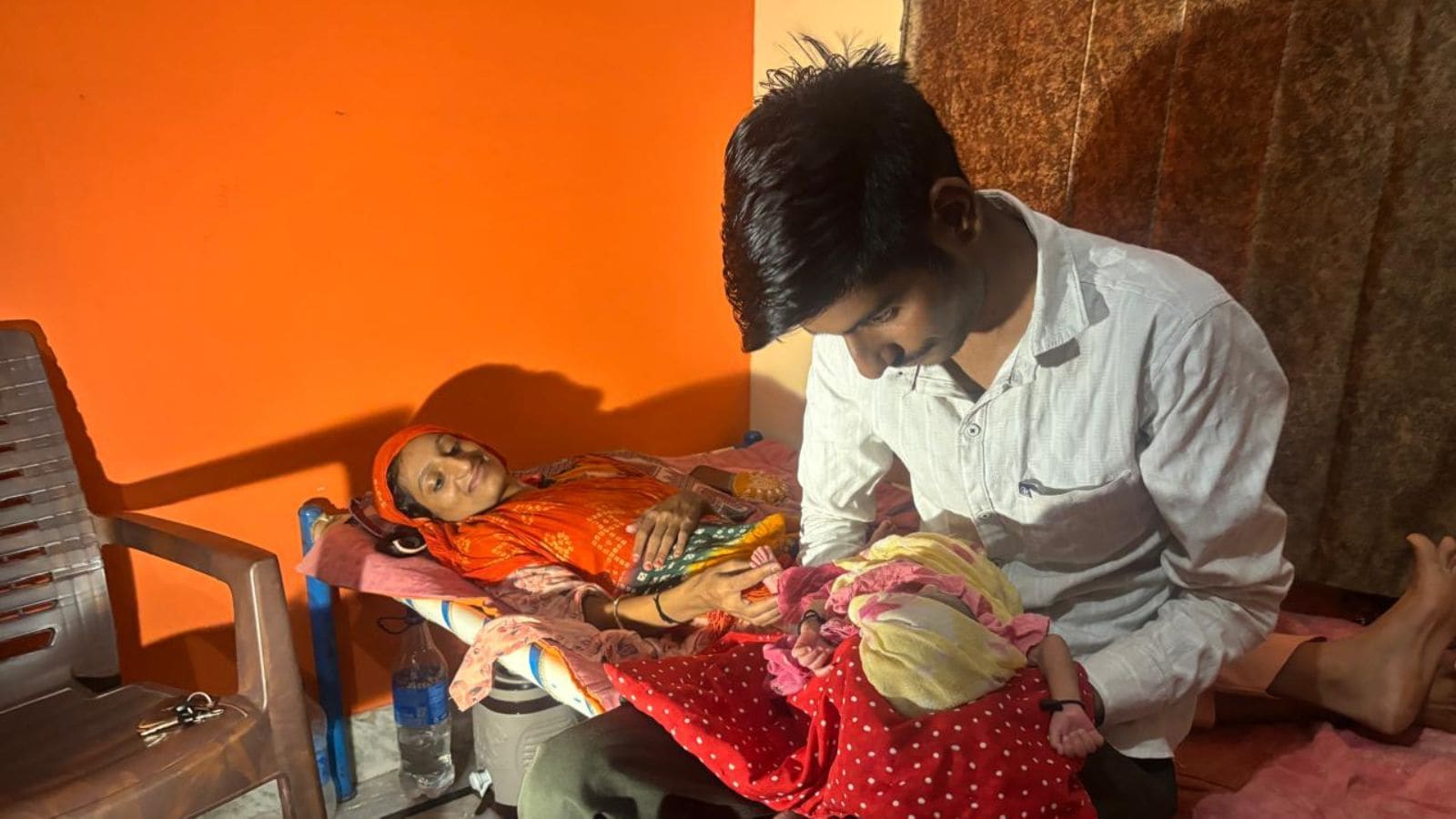
A frail-looking Rahila after being discharged
Her husband Aakib said Rahila appeared fine post-delivery for six hours or so and then started bleeding. However, doctors insisted that Rahila was anemic.
Beside her sleeps her newborn. Aakib tells anyone who enters the room to first sanitise; he fears his weak wife may develop infections.
With inputs from Harsha Kumari Singh
-
Blog | Amaira, And The Daily Goodbye Every Parent Takes For Granted

I kept thinking about that moment every parent knows so well. The one where you watch your child disappear through the school gate, believing they will come home.
-
Opinion | By Trump, For Trump: Inside The Murky Election Crisis America Is Sleepwalking Into
Trump has learnt that overturning an election after losing is extraordinarily difficult. This time, he is shaping the battlefield before America votes.
-
Opinion | Satluj To Santosh To Padmaavat, How Getting Offended Became India's Favourite Hobby
There are three reasons why films based on real incidents or beloved myths depart from the truth
-
NDTV Investigation: Why Did 8 New Mothers Suddenly Fall Ill At A Jodhpur Hospital?
Part 2 of NDTV's investigation into the series of maternal deaths and severe post-delivery complications reported across government hospitals in Rajasthan focuses on Jodhpur.
-
Opinion | Thanks To Trump, Saving The US-Iran Islamabad Deal Is Now Harder Than Ever
Neither side wants more war. But neither side seems able to stop itself from marching towards one.
-
Opinion | After US-Iran, Why Is Pakistan Suddenly 'Brokering' Peace In Libya Now? Hint: $4 Billion
According to reports, Pakistan became one of the interlocutors alongside the US, Saudi Arabia, Qatar, and Turkey.
-
NDTV Investigation: Search For Answers As Several Women Die After C-Section In Kota
In this three-part series, NDTV investigates maternal deaths and severe post-delivery complications reported across government hospitals in Rajasthan.
-
Opinion | Prashant Kishor Is Now Facing The Hardest Test Of His Entire Career
The strategist who once told parties how to win must now prove that he knows how to do that himself.
-
How Batman: The Animated TV Series Predicted Modern AI In 1992
Long before ChatGPT and AI agents, Batman was already asking the questions the world is debating today.