J&K Doctor With Ammonium Nitrate Arrested Near Delhi: How Dangerous Is It?
In simple terms ammonium nitrate is a salt consisting of one ion each of ammonium and nitrate that is formed by the reaction of ammonia (NH3) and nitric acid (HNO3).
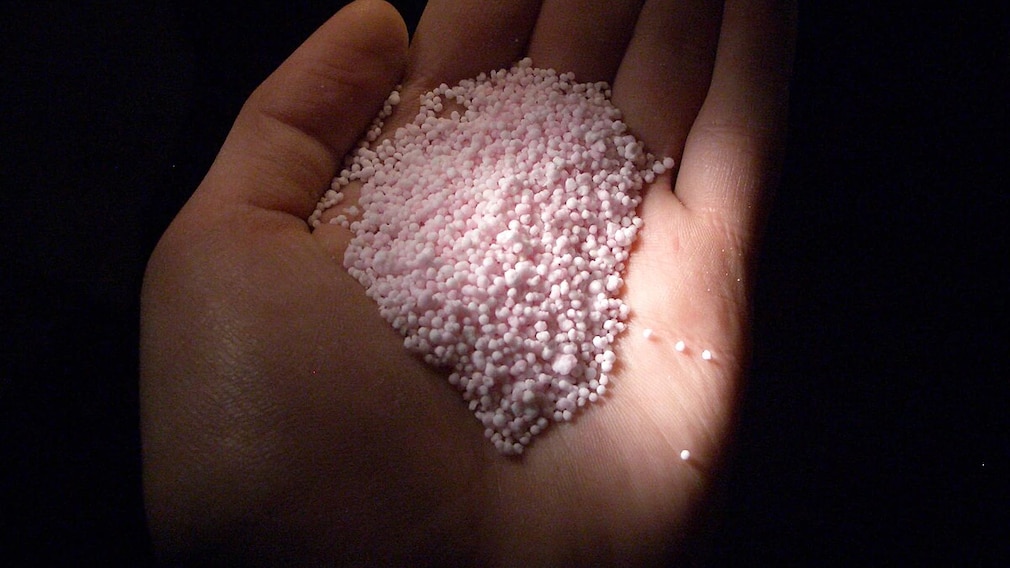
Three hundred and fifty kilograms of ammonium nitrate – an odourless, white crystalline chemical that is a powerful oxidiser and, under the right conditions, can cause a massive explosion – were recovered from Faridabad near Delhi Sunday night, leading to alarm bells around the national capital.
Police said an assault rifle and some ammunition, and explosive timers were also recovered from; this was after another assault rifle and some more ammo was found from a locker assigned to a Mujahil Shakeel at the Government Medical College in Jammu and Kashmir's Anantnag.
Sources said had the recovered amount been detonated (by combining it with an explosive) the blast radius could have ranged from 50 to 100 metres, within a third of which there would have been 'total destruction'. Damage could have been caused to structures even within 120 metres of the explosion.
The recovery was made by Jammu and Kashmir Police based on intel from Adil Ahmad Rahter, a terrorist arrested from Uttar Pradesh's Saharanpur, for allegedly pasting posters in Srinagar in support of banned terror group Jaish-e-Mohammed. The Pakistan-based Jaish-e-Mohammed is responsible for multiple attacks on India, including the 2001 Parliament assault and in Pulwama in 2019.
What is ammonium nitrate?
In simple terms it is a salt consisting of one ion each of ammonium and nitrate that is formed by the reaction of ammonia (NH3) and nitric acid (HNO3), which gives it the formula NH4NO3.
The high levels of ammonium and nitrate content make it an effective and widely-used fertiliser and, because it is a salt, it is water-soluble, making it suitable for use in irrigation systems.
Indeed, much of the world's food supply still relies on nitrate-based fertilisers.
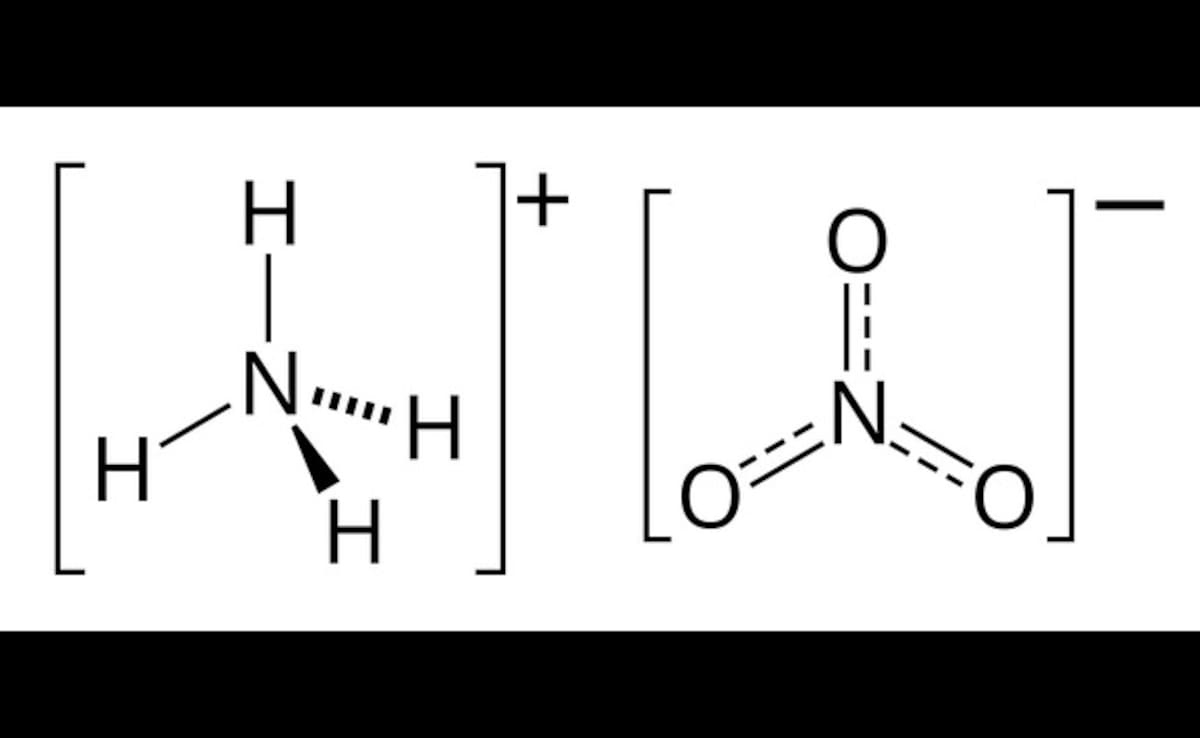
Chemical formula for ammonium nitrate.
But it is also an oxidiser, meaning it supplies oxygen to support combustion.
There are two ways ammonium nitrate can detonate.
The first is when it is exposed to fire or it mixes with a combustible substance during a fire, the most horrific recent example of which was in the Lebanese capital of Beirut in August 2020, in which more than 200 people were killed and over 6,000 injured after a fire ignited 3,000 tons of ammonium nitrate.
The substance had been stored in a port warehouse for over six years, Lebanese officials said.
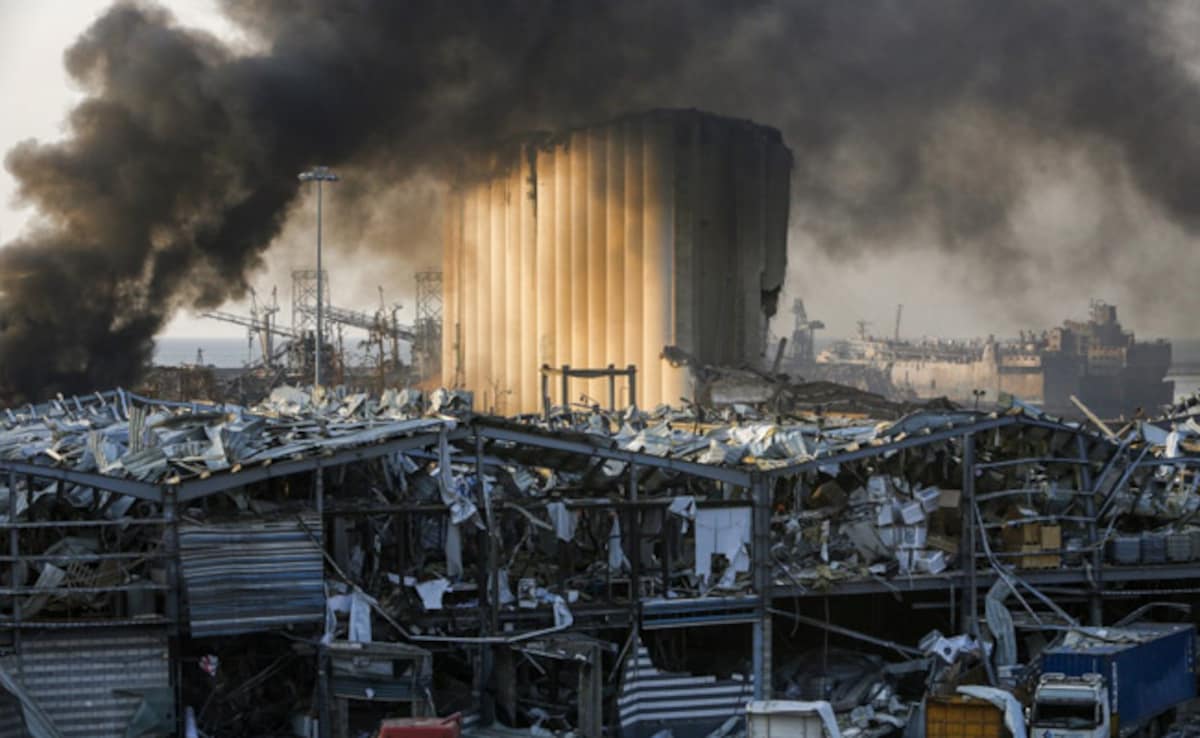
A destroyed silo at the scene of an explosion at the port in the Lebanese capital Beirut
A similar tragedy too place at the port in Tianjin in China in August 2015.
Two explosions took place 33 seconds apart; the second involved about 800 tons of ammonium nitrate. Chinese government data said 173 people were killed and 800 injured.
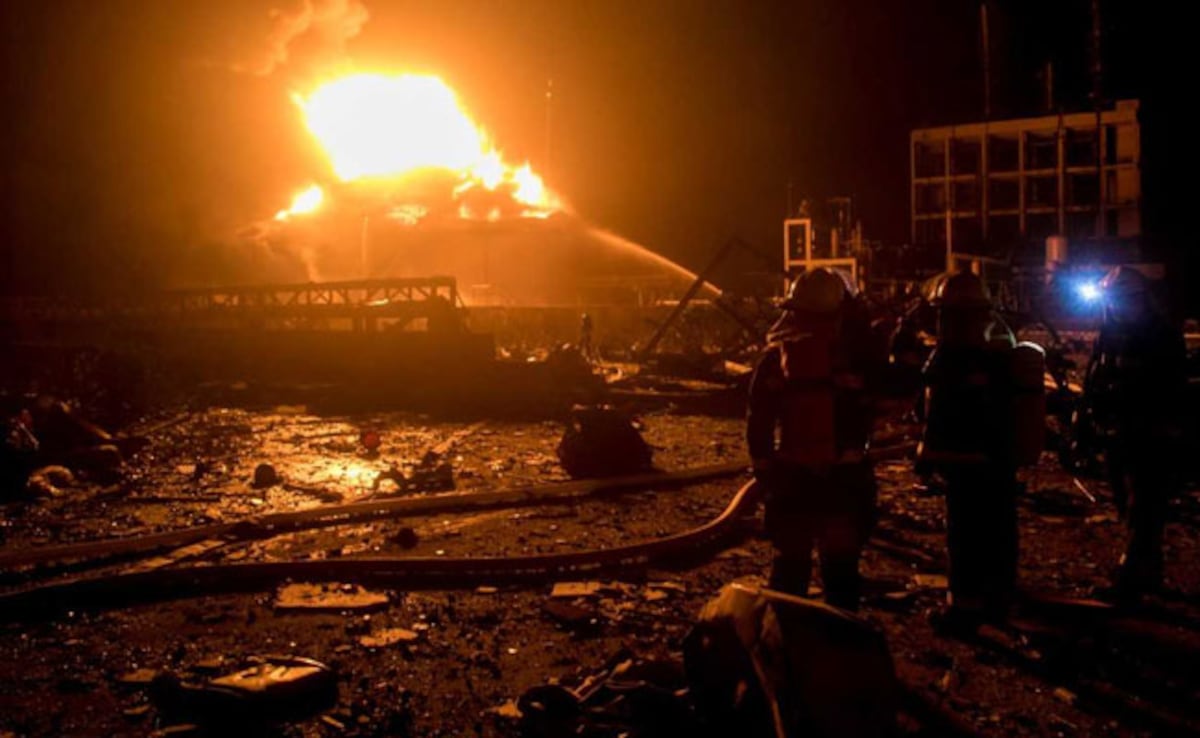
The Tianjin explosions also sparked fears of toxic pollutants in the air.
The other way it can detonate is when it mixes with an explosive substance.
Then it becomes a cheaply-made bomb that can cause significant damage.
This version is called ANFO, or ammonium nitrate fuel oil, and is used in controlled scenarios in various industries, such as construction and mining.
In fact, ammonium nitrate can be mixed with almost any kind of volatile substance. But the quality is important, since pure NH4NO3 is chemically and thermally stable, meaning it requires an external detonation. A stronger initial detonation is more likely to result in a larger and more stable explosion.
But, once detonation is achieved, ammonium nitrate's incendiary character takes over.
It is important to note that NH4NO3 is not a true explosive by itself.
If kept safely, and away from high heat, it is actually quite difficult to ignite. Incorrect storage, though, can lead it to deteriorate, rapidly, and that was the reason behind industrial accidents, like in Beirut.
Is sale ammonium nitrate of regulated in India?
Yes. Under rules framed in 2012, which sit within the Explosives Act of 1884, and "any combination with more than 45 percent of ammonium nitrate by weight including emulsions, suspensions, melts or gels (with or without inorganic nitrates) shall be called an explosive".
Licenses are required to manufacture and handle the chemical, and there are rules regulating how it is stored, transported, and/or sold. These include restrictions on storing them in populated areas. And, of course, import and export of ammonium nitrate is tightly controlled.
NDTV is now available on WhatsApp channels. Click on the link to get all the latest updates from NDTV on your chat.
-
Explained: Why Tamil Nadu Dropped Second Airport Near Chennai

While the government stands firm with the protesting residents, Chief Minister Vijay assured that Chennai's aviation needs will not be ignored. The state will soon announce a detailed plan for a new airport at an alternative site, he said.
-
Opinion | A 'Snub' Gone Too Far? The Story Of Bangladesh PM's Stalled India Visit
The abrupt cancellation of Prime Minister Tarique Rahman's scheduled visit to New Delhi this month raises many questions.
-
Inside Pak's New Law That Has One Man Written All Over It: Asim Munir
With a new act, Munir has truly reached the apex. At least most politicians in Pakistan will hope so.
-
Behind Sugar Shock: Not Ethanol, But Over-Estimation Led To 16% Price Rise
In November 2025, the government allowed sugar mills to export 15 lakh tonnes. Now, India has allowed 10 lakh tonnes of raw sugar to enter duty-free.
-
3 Minutes, 6 Stanzas, Century-Old Debate: The Many Turns In Vande Mataram's Journey
PM Narendra Modi launched a year-long commemoration of the song's 150th anniversary on November 7, 2025. In December, both Houses held special discussions on it, during which the 1937 Congress decision was scrutinised.
-
Indian Family Wipeout Over iPhone: The Dangerous Lure Of Consumer Tech Debt
Young buyers walk into physical retail stores, hand over basic identity documents and walk out with a consumer electronic device that costs more than their entire family's monthly take-home income
-
China Outspends India In Space, But New Delhi Holds The Trust Card
The US remains the undisputed leader in the global space race. But it's realistic for India to aim for the third place, says Bellatrix Aerospace COO.
-
It's About The Provenance: Head Of Strategy Koreel Lahiri Decodes One Identity Of NDTV
We at NDTV consciously recognise the fact that the same consumer inhabits several screens during the course of a day.
-
Opinion | India's UPI Miracle Has Created A Difficult, Rs 20,000-Crore Question
UPI's whole magic was the Rs 30 payment it charged nothing for. But how long can it stay free?
-
Opinion | Manmohan Singh, Bachchans, And Other Secrets Of 10 Janpath: The Sonia Gandhi Story
She entered politics reluctantly, mastered its power games, chose Prime Ministers, and managed betrayals. Congress's most powerful woman finally tells the world how.