As temperatures drop across North India, room heaters become winter essentials warming bedrooms, offices and living spaces in minutes. But while heaters provide much-needed relief from the biting cold, doctors warn that their prolonged or improper use can create a range of health problems, from dry skin and irritated sinuses to breathing difficulties and, in rare cases, carbon monoxide poisoning. Dr Sagar Srivastava, MBBS, DNB (Respiratory Medicine), Kailash Hospital, Greater Noida, cautions that the devices themselves aren't the direct health threat, it is how they alter indoor air quality.
As he puts it, "It is not heaters in themselves that are a problem but changes in indoor air quality and changes in usage habits that may heighten the risk for respiratory problems, skin irritation, and even carbon monoxide poisoning. So, learning safe usage is extremely important if one wants to stay warm without compromising health."
Medical research also shows that winter is already a high-risk season. The World Health Organization notes that cold indoor environments can worsen respiratory infections, asthma symptoms and cardiovascular strain. Low humidity, a common side-effect of room heating, can irritate mucous membranes and weaken the body's natural barrier against pathogens.
How Room Heaters Affect Your Body
Regardless of type, electric coil, oil-filled, fan-based or fuel-powered, heaters warm the air by reducing its moisture content. Indoor humidity often drops below 30%, far lower than the 40-60% recommended by the Environmental Protection Agency and multiple global studies for healthy respiratory function.
Dr Srivastava explains that dry indoor air is the first major trigger: "Indoor dry air irritates mucous membranes protecting the nose, throat, and eyes. Once these drying mechanisms take effect, the body becomes more prone to infections, allergies, and inflammation."
Here are all the impacts room heaters have on your health without you realising:
1. Dry Skin, Eyes and Irritated Mucous Membranes
Low humidity accelerates water loss from the skin. The American Academy of Dermatology notes that dry air is one of the leading causes of winter eczema and skin barrier disruption. Eyes also become more irritated, especially among contact-lens users or people who spend long hours looking at screens. As the doctor notes, "Indoor low humidity is among the most common side effects. Many people begin feeling dry skin, itching, redness, and flaky patches."
2. Worsened Respiratory Issues
Dry air dehydrates the thin mucus lining that traps microbes in the respiratory tract. This increases susceptibility to infections and flare-ups of asthma, bronchitis and sinusitis.
The National Institutes of Health (NIH) highlights that inadequate humidity weakens mucociliary clearance, making breathing more difficult. Dr Srivastava confirms: "Dry air irritates asthma, bronchitis and sinusitis... children and older adults are more sensitive."
3. Allergy Exacerbation From Dust Circulation
Fan heaters blow warm air forcefully, stirring up dust, pollen, pet dander and other allergens. Indoor dust exposure is a globally recognised trigger for allergic rhinitis. "Fan heaters stir dust and allergens... constant exposure leads to sneezing, coughing and congestion," the doctor notes.
4. Carbon Monoxide Risk With Fuel-Based Heaters
Electric heaters are safe, but kerosene or gas heaters used in unventilated rooms can leak carbon monoxide (CO). CO is colourless, odourless and potentially fatal. According to the Centers for Disease Control and Prevention (CDC), CO poisoning kills hundreds annually in winter. As the doctor warns, "Gas heaters, kerosene heaters and other fuel-burning heaters can produce carbon monoxide. Symptoms like headache, dizziness and nausea can easily be mistaken for fatigue."
5. Fire Hazards From Overheating
Household fire data from international safety agencies show that unattended heaters near flammable materials are a leading cause of winter accidents. Dr Srivastava reiterates: "Heaters placed close to inflammable materials constitute a fire hazard."
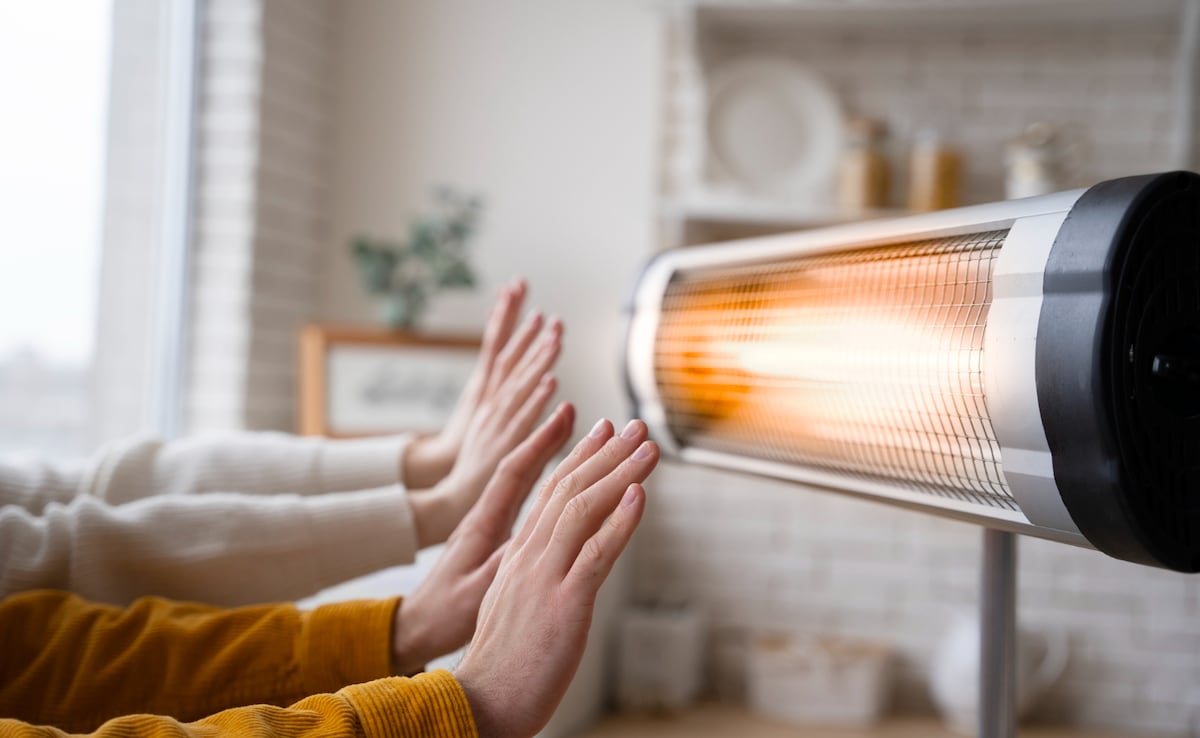
Using room heaters safely during winters can save lives
Photo Credit: Freepik
Safe Use Tips: How To Warm Your Home Without Harming Your Health
Dr Srivastava emphasises that most risks are preventable with simple, practical steps:
- Keep Ventilation Open, Even In Winter: A small window gap prevents suffocation, reduces stale air, and is essential for any fuel-based heater.
- Maintain Indoor Humidity: Place a bowl of water near the heater or use a humidifier. WHO reports show that balanced indoor humidity protects respiratory health.
- Keep Flammable Items Away: Curtains, bedding, furniture and papers must stay at least three feet from the heater.
- Never Leave A Heater Unattended: "Turn off the heater if you will be sleeping or leaving the room," the doctor advises.
- Install Carbon Monoxide And Smoke Detectors: These devices are critical if your home uses gas or kerosene heaters.
- Clean And Maintain Heaters Regularly: Dust accumulation can cause overheating and poor air quality. Check wires, vents and filters often.
Room heaters are essential for winter comfort, especially for children, elderly adults and people with chronic illnesses. But as Dr Srivastava emphasises, their benefits come with responsibilities. Understanding how heaters dry the air, circulate dust and affect respiratory and skin health can help households make safer choices. With proper ventilation, humidity control and routine maintenance, families can enjoy warmth without compromising their well-being.
Disclaimer: This content including advice provides generic information only. It is in no way a substitute for a qualified medical opinion. Always consult a specialist or your own doctor for more information. NDTV does not claim responsibility for this information.