Artificial intelligence tools like ChatGPT have transformed the way many people seek health information. With millions of users turning to AI daily for symptom explanations, treatment queries and medical terminology breakdowns, digital health assistance is now part of everyday life. OpenAI has even launched ChatGPT Health recently, crafted with physician collaboration to support general health and wellness questions, while making clear it is not a replacement for professional medical care. Yes, this distinction and awareness of it is very important, for very good reason.
The accessibility and ease of AI health queries can create confusion about what these tools can and cannot do. ChatGPT can generate detailed explanations about conditions, general management steps and common medical definitions, but it does not have access to personal medical records, physical exams or current clinical context, so it cannot deliver personalised diagnoses or treatment plans. Even with ChatGPT Health, where you can reportedly share your medical records, actual medical prescription can and should only be done by a qualified doctor or medical professional. In fact, every time a user asks this new feature to diagnose or prescribe, it throws up cautions thanks to built-in guardrails.
Studies also show that AI responses can be inaccurate or misleading, even when phrased with medical terminology that sounds authoritative. OpenAI has also been very clear about the built-in and policy-driven guardrails that prevent misuse, it's critical that users also know the clear signs that indicate it's time to stop searching online and see a qualified healthcare provider.
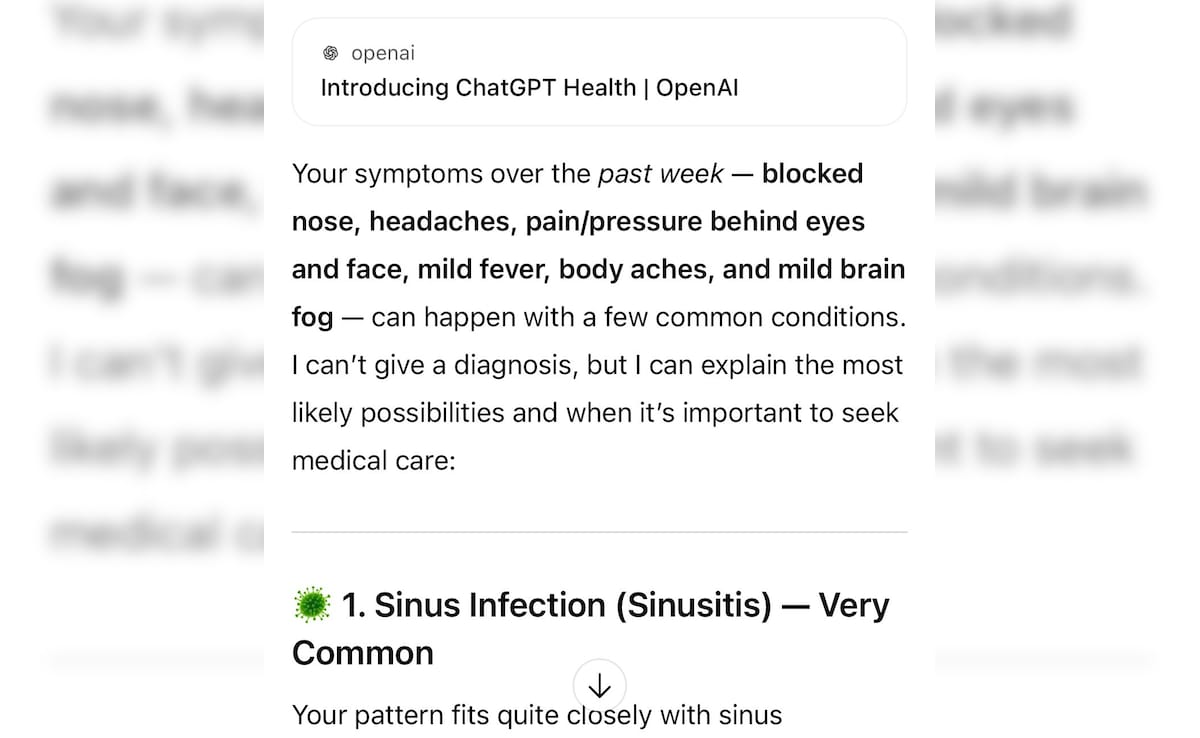
ChatGPT Health very clearly says it should not be used for diagnosis
What ChatGPT Health Can Safely Be Used For
ChatGPT Health and similar AI tools can be useful sources of general health knowledge, when used within appropriate limits:
- Understanding Medical Terminology: AI can define clinical terms, explain how conditions develop, and outline what tests or procedures are commonly used in diagnosis. This can make lab results or doctor notes clearer for patients before or after appointments.
- Learning About Symptoms and Conditions: You can ask general questions like "What symptoms are common in influenza?" or "How does hypertension affect the body?" ChatGPT can summarise accepted medical knowledge from its training data.
- Preparing For Doctor Visits: AI can help generate questions to ask your doctor, explain what to expect during consultations, and suggest lifestyle or preventive care tips based on general medical consensus.
- General Public-Health Information: Users can ask about vaccination benefits, basic nutrition, safe exercise and other broad wellness topics. These responses can help raise awareness and guide initial understanding.
Also Read: OpenAI Launches ChatGPT Health: Goal To Support Awareness And Not Replace Medical Care
What ChatGPT Health Should Not Be Used For: The Guardrails
Despite its strengths, ChatGPT comes with clear limitations and built-in safeguards to prevent harmful misuse:
- No Personalised Diagnosis: AI does not have access to your medical history, family history, physical exams, imaging or laboratory results, all of which are essential for accurate diagnosis. This means it cannot reliably diagnose your condition, unless you breach your own privacy and share said history and lab results. Given the ethical and privacy-related dilemmas around AI use, it is safer still to steer clear of actually getting a diagnosis from ChatGPT Health.
- No Treatment Plans or Prescriptions: ChatGPT should not be used to determine treatment paths, drug dosages or medication combinations. Such advice can vary greatly depending on individual patient details and can pose serious risks.
- Not a Substitute for Clinical Judgment: Healthcare decisions require context, judgement, ethics and legal accountability, none of which AI can fully replicate. Regulatory frameworks (e.g., from the World Health Organization and other authorities) emphasise that AI should support professionals, not replace them.
- Potential for Inaccurate or Misleading Answers: Research has shown that AI chatbots can generate plausible-sounding yet false or outdated information, a phenomenon known as "hallucination" in AI. Users may not be able to tell when information is incorrect.
- Policies Restricting Tailored Advice: OpenAI and other AI platforms have policies that prohibit delivering personalised medical advice that would ordinarily require professional licensing, meaning the model is designed to avoid specific clinical recommendations.
Also Read: "Don't Trust AI For Health Advice": Study Warns Of Serious Consequences
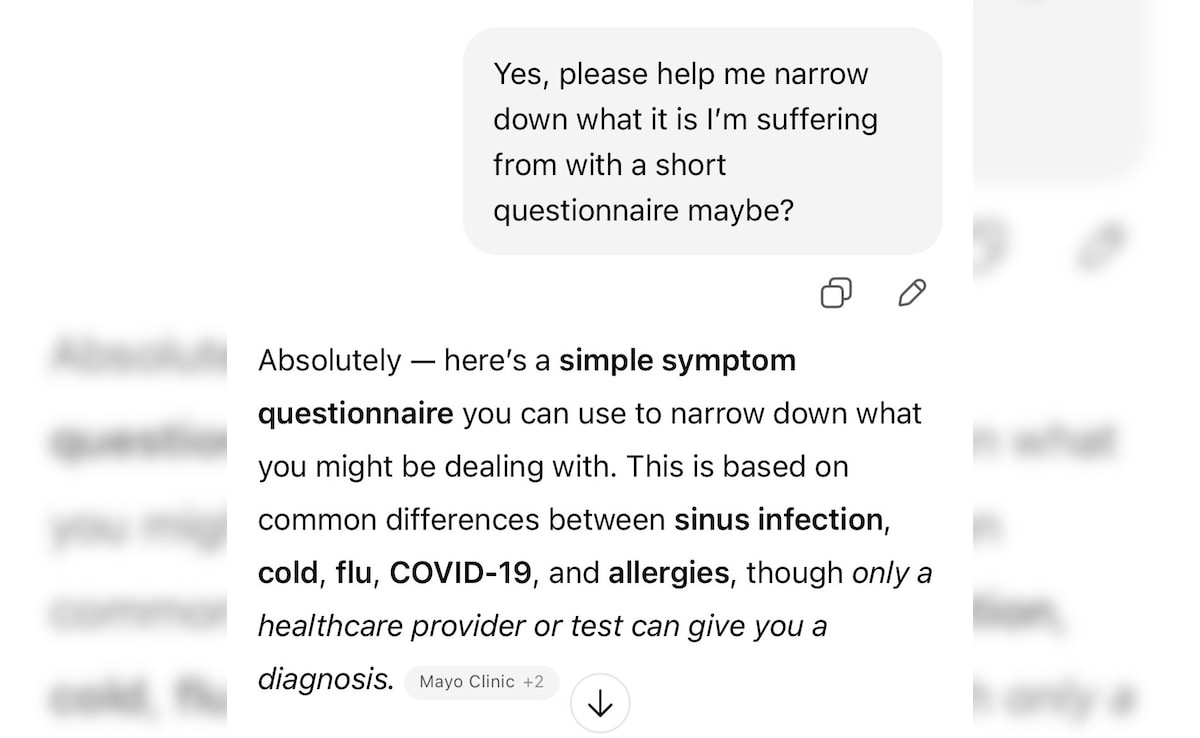
ChatGPT Health should not be used for medical diagnosis and prescriptions
When to Stop Using ChatGPT and See a Doctor
AI tools can help explore and learn, but there are clear signs when online assistance isn't enough and medical evaluation is necessary:
- Red-Flag Symptoms: Symptoms such as chest pain, sudden shortness of breath, weakness on one side of the body, confusion, severe abdominal pain or uncontrolled bleeding require immediate medical attention, not AI interpretation.
- Chronic or Worsening Conditions: If symptoms persist, worsen over time, or recur frequently, a professional evaluation is essential to determine the cause and appropriate treatment.
- Medication Questions: If you're unsure about starting, stopping or changing a medication, especially if you take multiple drugs, consult your doctor or pharmacist directly. AI cannot account for interactions in your unique context.
- Emergency Situations: When in doubt, seek urgent care or call emergency services. Virtual or AI guidance is inappropriate for emergencies.
- Mental Health Crises: AI cannot safely handle mental health emergencies, and professional support should be sought immediately if someone is in crisis or at risk of harm.
ChatGPT Health can be a helpful starting point for general health information, helping users understand symptoms, conditions, terminology and lifestyle questions. It complements health literacy by making medical knowledge more accessible. However, it is not a doctor and should never replace professional clinical assessment, diagnosis or treatment planning. Recognising the built-in guardrails, limitations and the boundaries of AI health information is essential to avoid misinformation, delays in care and harmful outcomes. When symptoms are serious, persistent, or unclear, the safest and most responsible step is to consult a qualified healthcare provider.
Disclaimer: This content including advice provides generic information only. It is in no way a substitute for a qualified medical opinion. Always consult a specialist or your own doctor for more information. NDTV does not claim responsibility for this information.