In smog-choked winters, air pollution can turn a simple convenience like contact lenses into a potential health hazard. Particulate matter (PM2.5 and PM10), dust, smoke, and chemical pollutants don't just irritate the sensitive film of the eye, they tend to cling to lenses, disrupt the tear film, and trap bacteria against the cornea, raising risks of infections like microbial keratitis, dry eye syndrome, and even corneal ulcers. In metro cities like Delhi, Mumbai, or Bangalore, where AQI often spikes to alarming levels, contact lens wearers report redness, grittiness, blurred vision, and discomfort far more frequently. Since forewarned is forearmed, by inculcating disciplined habits and making smart choices, one can preserve eye health even in high-pollution environments.
Understanding the Risks
Unlike spectacles, lenses sit directly on the eye, creating a barrier where pollutants accumulate. Studies show that poor air quality can alter tear film stability, leading to evaporation and dryness, exacerbated by lenses that absorb debris. In severe pollution, I advise many patients to switch to glasses temporarily, as lenses can worsen dryness into ulcers that threaten vision permanently. Regular check-ups, bi-annual visits during peak pollution seasons to monitor corneal health, are non-negotiable.
Essential Do's to Minimise Risks:
- Opt for daily disposable lenses: In polluted air, these are a game-changer. They prevent an overnight buildup of particulates and bacteria, as they can be discarded after one use.
- Clean lenses meticulously: Use fresh, sterile multipurpose solution (never tap water or saliva) and rub gently with clean fingers for 20 seconds per lens. In high-pollution zones, clean mid-day if you've been outdoors as pollutants deposit quickly.
- Wear protective eyewear outdoors: Pair sunglasses or wraparound glasses over contacts to shield from wind-blown dust and PM. UV-blocking lenses add dual protection against the sun and smog.
- Instil preservative-free lubricating drops frequently: Choose drops like hyaluronic acid-based ones (e.g., acid-based drops) every 2-3 hours. They flush irritants and restore moisture without interacting harmfully with lenses. Blink often to spread tears.
- Maintain indoor humidity and hygiene: Use a humidifier to keep room humidity at 40-60%; dry air worsens lens discomfort. Wash your hands thoroughly before handling lenses, and store cases upside down in a clean, dry spot.
- Stay hydrated and blink consciously: Drink 2-3 litres of water daily, and practise the 20-20-20 rule for screen users: every 20 minutes, look 20 feet away for 20 seconds while blinking fully.
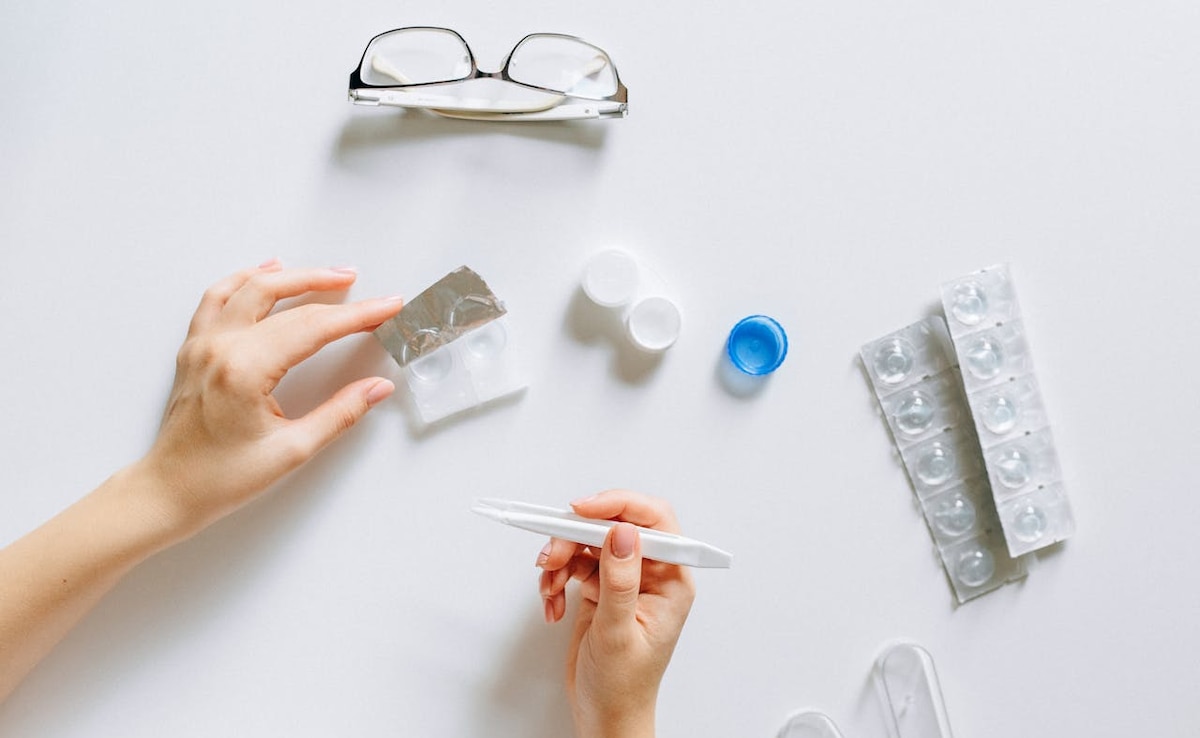
Keep an eye on AQI levels to maintain contact lenses better this winter
Photo Credit: Pexels
Critical Don'ts to Avoid Complications
- Don't wear lenses in severe pollution (AQI >200): Switch to glasses immediately as pollutants dry eyes further, trapping debris and risking ulcers. Invest in high-oxygen permeable lenses (e.g., silicone hydrogel) if you must wear them daily; they breathe better in tainted air.
- Never sleep in contacts unless approved for extended wear. Pollution-laden lenses overnight invite hypoxia and infections; even 'daily' lenses aren't safe for this.
- Avoid topping up the solution or using homemade cleaners. Old solution breeds bacteria; always discard and refill cases daily.
- Don't rub your eyes: This grinds particles into the cornea. Instead, rinse gently with sterile saline or cool boiled water.
- Skip eye makeup and swimming. Mascara and kajal melt into lenses with sweat or tears, fostering bacteria. Avoid pools or open water as chlorine and microbes compound pollution risks.
- Never ignore discomfort. If you sense any redness, pain, light sensitivity, or blurred vision, remove lenses instantly, use drops, and consult an eye doctor within 24 hours. Delaying can scar the cornea.
- Diet Matters: Adopting a diet rich in omega-3-rich foods (fish, walnuts) can help combat inflammation effectively.
- Medical Check-up: Moreover, getting a slit-lamp exam done annually to check for subtle damage is also something that needs to be factored in.
In light of the above, one should keep a close eye on AQI scores and plan their movements accordingly. Embrace these dos and don'ts to safeguard and preserve vision health. Additionally, always consult your eye care professional promptly if you notice any redness, irritation, or discomfort to avoid serious complications.
(By Dr. V. Sreekumar, Ms Ophthalmology, Professor, Regional Eye Hospital, Kakatiya Medical College, Warangal)
Disclaimer: The opinions expressed within this article are the personal opinions of the author. NDTV is not responsible for the accuracy, completeness, suitability, or validity of any information on this article. All information is provided on an as-is basis. The information, facts or opinions appearing in the article do not reflect the views of NDTV and NDTV does not assume any responsibility or liability for the same.