US-Iran Peace Deal Could Save India Billions On Oil Import Bill
US-Iran peace deal finalised after 107-day war in which 10,000 were killed. Brent crude dropped 4.76% to $83 after deal -which includes reopening of the Strait of Hormuz - was announced. India set to save up to $15 billion on cheaper oil imports and shrink current account deficit.
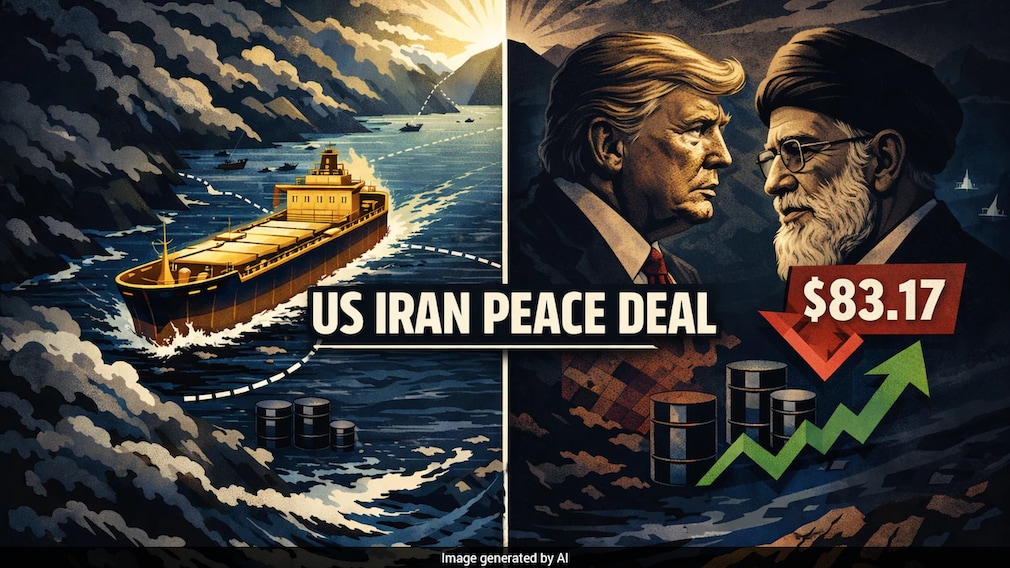
The US-Iran peace deal to be signed in Switzerland could end a 107-day war that has killed over 10,000 people and triggered a global energy crisis. Iran alone has suffered $145 billion in damages.
Details are scarce but it is expected to include the US easing naval restrictions against Iranian ports and Iran allowing normal shipping operations through the Strait of Hormuz, through which 20 per cent of the world's oil supply normally passes.
The re-opening of the Hormuz is the obvious economic highlight, though it will likely take weeks, if not months, for Gulf oil fields, refineries, and depots to repair damaged infrastructure, clear backlogs, and resume normal production.
Normalised oil flows will also depend on whether shipping and insurance firms trust the US and Iran to stop fighting and drag the global energy trade into their war. It will also depend on de-mining the Hormuz.
That said, benchmark Brent crude dropped $4.16 on news of the deal to settle at a three-month low of $83.17 a barrel. WTI, or West Texas Intermediate, dropped $4.13 to settle at $80.75.
India's $15 billion energy 'win'
For India the agreement - if the two sides honour their commitments - is a big win.
It offers relief against an energy crisis threatening the fragile finances of over 400 million middle-class families, while cheaper crude means a reduced import bill that could shrink current account deficit by $15 billion and ease pressure on the rupee.
Before the war India shipped over 40 per cent of its oil and between 70 and 90 per cent of its gas needs via the Hormuz, an over-dependence only partly corrected by diversification but which remains, at least in the short- and medium-term, a cause for concern if the war should re-start. Sustainable long-term US-Iran peace is, therefore, essential for India's energy needs.
A stable Middle East is just as critical given India also imports oil and gas from the UAE, Iraq, and Saudi Arabia. All three have been targeted by Iranian missile and drone strikes, causing damage to their respective energy export architecture.
Overall, regional stability plus Iran allowing normal Hormuz shipping operations should mean lower oil prices, though delayed re-opening of the narrow passage - even for non-military reasons - could keep them up.
How much the import bill will drop and benefit the consumer is uncertain, particularly since OMCs face sizeable cost-revenue gaps despite petrol and diesel prices rising by Rs 7.4 and Rs 7.58 per litre since fighting began.
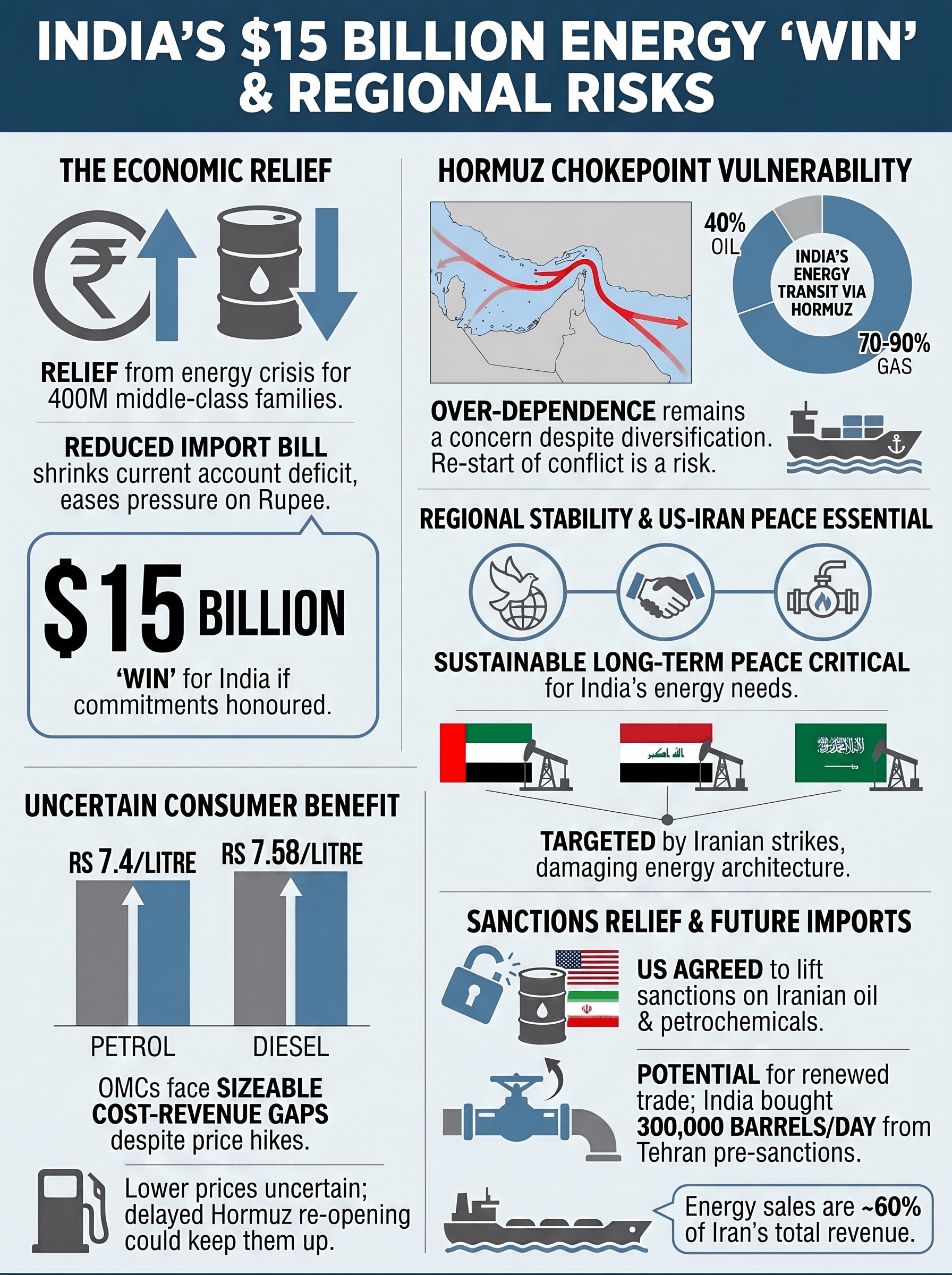
These gaps have only been partially offset by government subsidies and reductions in central taxes.
On the actual purchase of Iranian crude, Reuters and Iran's Mehr News Agency indicated in separate reports last week that the US had agreed to lift sanctions against Iranian oil and petrochemical products as part of the peace deal.
Energy sales are roughly 60 per cent of Iran's total revenue, with the potential for greater income once sanctions are lifted.
This should be good news for India; Delhi bought 300,000 barrels of oil per day from Tehran before the sanctions, and has already made its first purchase of oil since. In April refineries bought 44,000 metric tons after the US suspended sanctions.
An Iran now free to export its energy will be a sought-after energy partner for many countries, especially those in South East Asia that have seen supply squeezed because of the war and which may have deeper pockets for Iranian crude oil.
That oil will likely now be priced at a premium, particularly since flagship grades like Iranian Light offer the right mix of density and sulfur content to maximise production of high-value fuels without needing expensive, complex processing equipment.
And it isn't just India-Iran's energy trade that could see a boost.
Pre-sanctions, the total bilateral trade between the countries was over $17.5 billion.
The majority of this - roughly 90 per cent - was oil bought by India, but renewed trade ties could see its exports rise significantly from around $3.38 billion, particularly with post-war reconstruction on the agenda.
So the macro takeaways include easing inflationary pressure, a reduced CAD, and breathing room for federal finances.
Chabahar, INSTC revived
Just as significant is the expected freedom to continue developing the Chabahar Port and the International North-South Transport Corridor, or INSTC, linking Indian ports to Russia and Central Asia, and completely bypassing Pakistan.
The $500 million project is 70 per cent complete; sanctions relief could mean it becomes operational by 2027. The INSTC, meanwhile, could cut shipping time from India to Russia by 40 per cent and reduce costs by up to $1,000 per container.
All of this is excellent news for India.
As a bonus, any deal also removes diplomatic uncertainty because the war necessitated Delhi balancing economic and civilisational ties with Iran and a critical defence and strategic relationship with the US.
But there is plenty to be cautious about too.
The Israel problem
Israel, for one thing, has made it clear it is unhappy about ending the war before achieving its stated target - i.e., the complete dismantling of Iran's nuclear and missile programme.
Donald Trump and his Israeli counterpart, Benjamin Netanyahu, have reportedly already had a verbal throwdown on this issue, including a squabble over military strikes against the Hezbollah in Lebanon, the most powerful of Iran's proxy groups.
Israel Defence Minister Israel Katz said his country's forces will remain in occupied parts of Lebanon indefinitely, or at least till 'all terrorist infrastructure is destroyed', thereby threatening to derail the entire regional peace process.
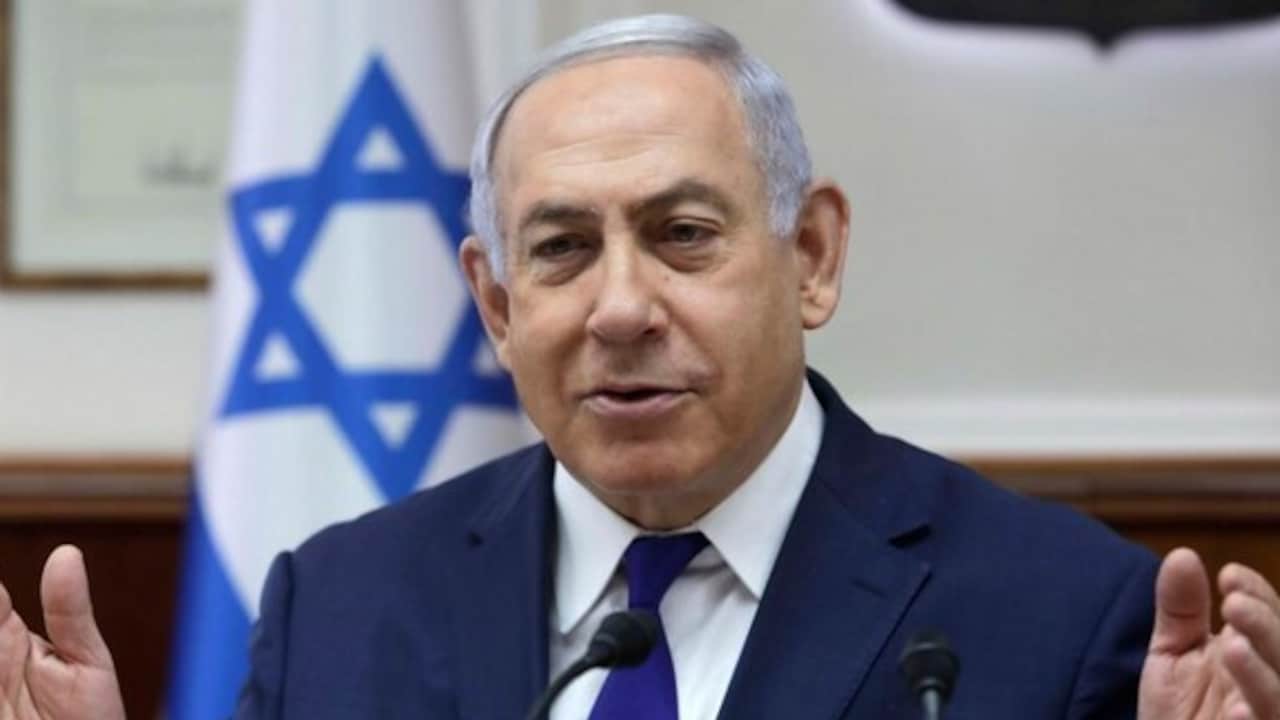
Israel's Benjamin Netanyahu could derail US-Iran peace deal. Photo- PTI
For India, this is a bit of a quandary since Israel is a valued trade and defence partner, with Netanyahu and Prime Minister Narendra Modi seen as sharing a close friendship.
All of this, of course, relies entirely on long-term peace between the US and Iran, and in the wider Middle East region.
But given itchy trigger fingers on one side (and with Israel clearly unhappy at being told to stand down), a sudden flare-up or resumption of fighting - particularly if Netanyahu continues to target the Hezbollah - can't be fully ruled out.
Multi-polar Middle East challenge
It means, therefore, that India must learn to navigate a new multi-polar Middle East rather than one dominated by Israel and the US with the latter as the mediator. In this changed reality, India must not only balance the US, Iran, and Israel, but also Saudi Arabia, the UAE, and other Gulf states, all of whom are critical energy trade partners for the Indian economy.
-
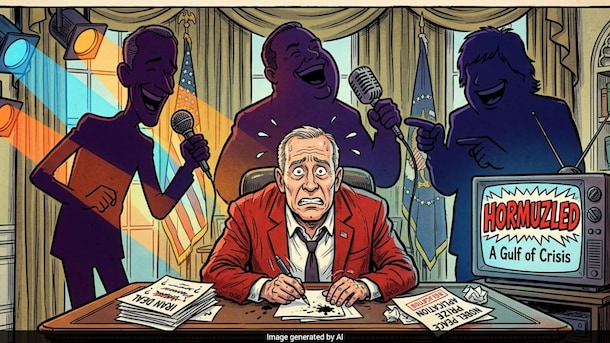
"Dagnabbit, We Got Hormuzled": Jimmy Kimmel Prods Trump On Iran Deal

The US got "Hormuzzled", Jimmy Kimmel said after Donald Trump announced an Iran peace deal to cap four months of war and to return the US to status quo in its nuclear programme throwdown with Iran.
-
US-Iran Peace Deal Drops Netanyahu Into A Box As Election Deadline Nears
Benjamin Netanyahu is constrained by Donald Trump's peace push on Iran and Lebanon. Here's what Israel can do now - and how it plays out domestically as elections loom.
-
A Tale Of Two Tigers On Shiv Sena's Foundation Day
For Uddhav Thackeray, this is the most challenging time. The latest rebellion has put in question his ability to hold on to his party
-
Maharaja Ranjit Singh To Bhagwant Mann: Inquisitions By Akal Takht
While for centuries, rulers and netas have visibly bowed to its authority, Bhagwant Mann is probably the first to directly confront the Akal Takht
-
Ringside View | FIFA World Cup 2026: Magic Of Cristiano Ronaldo Missing — But Why?
On a day when Lionel Messi found the net, Kylian Mbappe delivered again and Harry Kane added his name to the scoresheet, Cristiano Ronaldo's was conspicuously absent.
-
Public Assets, Private Capital: India's Next Reform Step
That gap between what India's sovereign assets are worth and what they currently earn is central to India's location in the low-middle income bracket.
-
Why Meta Is Suddenly Charging For Facebook, Instagram And WhatsApp
Facebook, Instagram and WhatsApp have long been free. So why is Meta suddenly asking users to pay? The answer may lie in Mark Zuckerberg's expensive AI ambitions.
-
Ringside View | Vaibhav Sooryavanshi Needs To Be Told Cricket Is Not A Contact Sport
Sooryavanshi could be the most unique product rolled out by the Indian cricket system in years. He just needs to give social proof to convert sceptics into believers.