A History Of US-Led Regime Changes And Their Disastrous Consequences
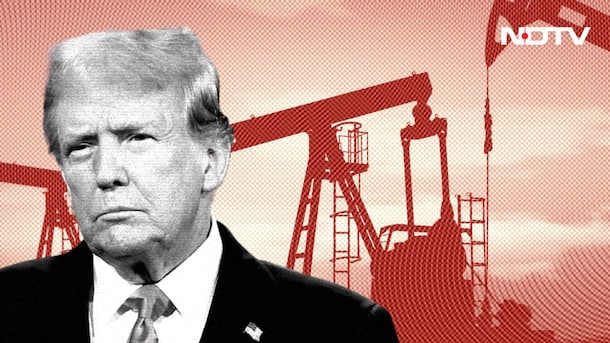
There is a familiar theme to American power when it decides to reorder the world. It is against that historical backdrop that Donald Trump's latest foreign intervention must be understood.
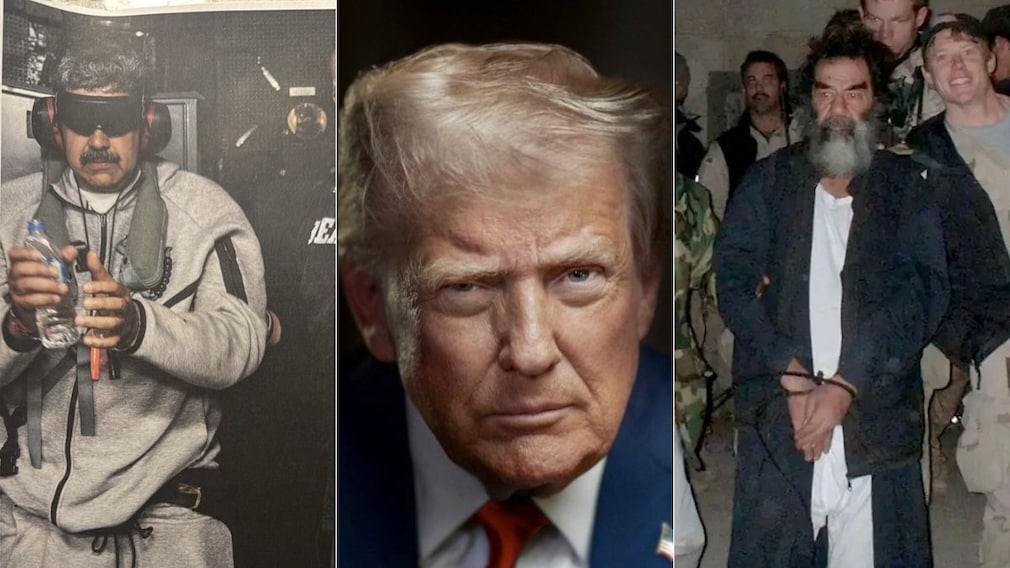
In late 2001, US-backed forces swept into Kabul, ending the Taliban's rule in a matter of weeks. A new Afghan leader, Hamid Karzai, was installed with American backing. President George W Bush spoke confidently of democracy taking root in Central Asia. Two decades later, the Taliban returned to power almost as swiftly as they had been removed.
In Iraq, US troops toppled Saddam Hussein in 2003 with similar speed. Washington promised a democratic transformation, but a prolonged insurgency, sectarian civil war, regional destabilisation, and the rise of the so-called Islamic State-outcomes that continue to shape the Middle East today.
There is a familiar theme to American power when it decides to reorder the world. It is against that historical backdrop that Donald Trump's latest foreign intervention must be understood.
READ | NYT Reporter Cold-Called Trump At 4:30 am After Maduro Op. The President Answered
Trump's Venezuela Gamble
On Saturday, President Trump openly celebrated what he described as a flawless US military operation in Venezuela, which included an assault involving special forces, air strikes, and naval deployments that culminated in the seizure of Nicolas Maduro in Caracas.
From a purely tactical perspective, the mission succeeded. US officials confirmed that no American service member was killed. The Venezuelan leader was removed from power and taken into US custody. For Trump, who prizes visible demonstrations of strength, it was an operation that delivered immediate results.
Politically, however, it places him in far more treacherous territory.
READ | Venezuela Has World's Largest Oil Reserve. How US Action Affects Markets
For years, Trump has built his appeal on opposition to America's "endless wars." He has repeatedly condemned the Iraq invasion as a catastrophic mistake and framed his foreign policy as a rejection of what he and his supporters call "neocon wars." The US leader returned to power vowing to be a "peace President", but a year later he his fighting on multiple fronts.
The sudden embrace of a large-scale military intervention abroad therefore sits uneasily with Trump's own rhetoric-and with the expectations of many of his voters.
America's Long Record Of Regime Change
The United States is not new to the practice of interfering in the domestic politics of independent and sovereign nations. Washington has been responsible for the forced removal of roughly 35 foreign leaders over the past 120 years-nearly a third of all such interventions globally in that period.
READ | "Deep Concern": India's Message To People Of Venezuela After US Raid
Scholars refer to this as foreign-imposed regime change, or FIRC. Around one-third of all forced regime changes worldwide are followed by civil war within a decade.
From Guatemala in 1954 to Panama in 1989, the United States has repeatedly intervened to remove leaders it regarded as hostile or unreliable. In Guatemala alone, Washington helped oust three leaders in a single year, triggering decades of instability and violence.
In Iraq, the dismantling of Saddam Hussein's security apparatus left hundreds of thousands of armed men unemployed. The resulting struggle for power fuelled sectarian violence, empowered Iran-backed militias, and ultimately gave rise to the Islamic State.
In Afghanistan, the US-installed government never achieved legitimacy across the country. Corruption, factionalism, and dependence on foreign military support hollowed it out from within, paving the way for the Taliban's return.
The Bush-Karzai Rupture
Few episodes illustrate the structural flaws of regime change more clearly than the relationship between Washington and Hamid Karzai.
Initially presented as a partner in rebuilding Afghanistan, Karzai increasingly clashed with his American backers over civilian casualties, negotiations with insurgents, and the scope of US military operations. Over time, the relationship deteriorated to open hostility.
"To the American people, give them my best wishes and my gratitude. To the US government, give them my anger, my extreme anger,' Karzai had said.
In Venezuela, Trump administration has justified its actions by portraying Maduro as the head of a transnational criminal network. The administration has also remained vague about its endgame, whether it intends to install a new government directly, pressure Venezuelan institutions to reorganise themselves, or oversee a transitional authority.
But history offers little reassurance.
-
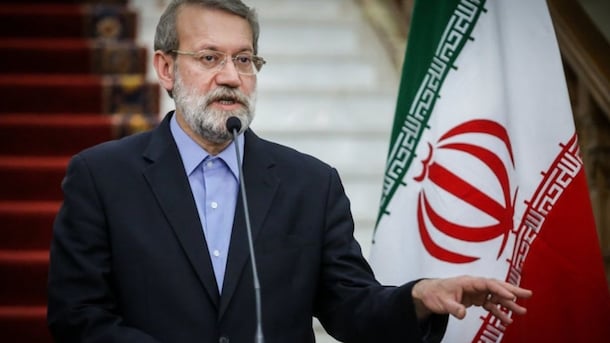
Israel Claims Killing Of Iran's Wartime 'Khamenei'. Who Was Ali Larijani?

Born in Iraq in 1957 to a prominent Shia cleric close to the Islamic Republic's founder Ayatollah Khomeini, Larijani's family has been influential within Iran's political system for decades.
-
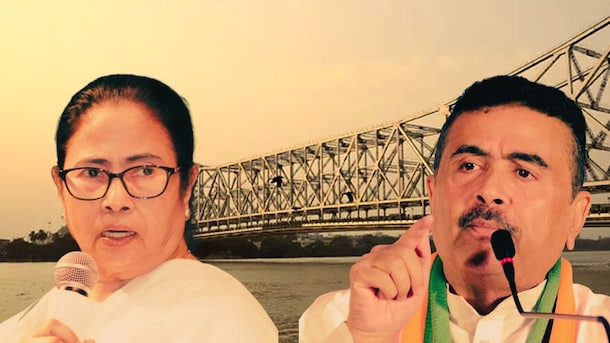
From His Turf To Her Fort: Big Signal In Suvendu Adhikari's Bhabanipur Dare
Suvendu Adhikari defeated Chief Minister and Trinamool Congress leader Mamata Banerjee in Nandigram last time
-
In Numbers: The Curious Reason Iran Eased Down Its 'Drone Swarms' After March 9
Based on the data compiled, we can bucket the strike pattern broadly into three distinct phases: an initial 'saturation' attack, a sustained drone attrition campaign, and a sudden decline in attack intensity.
-
Opinion | A Humbled Trump Is Now 'Demanding' Help From Friends
The Hormuz 'coalition' was never going to take off. Why, after all, would America's allies want to participate in a crisis not of their making?
-
Board Of Peace In Theatres Of War: Where Is Trump's Project As Gaza, Iran Burn?
The argument will be the Board was not set up for matters relating to Iran, that the claimed focus of the bloc was Phase 2 of the Israel-Gaza ceasefire deal from October 2025.
-
Opinion | Why A TVK-NDA Alliance Is Just A BJP Fantasy
Politics is no stranger to unlikely alliances. But such "strange bedfellows" typically emerge after elections, when numbers dictate necessity.
-
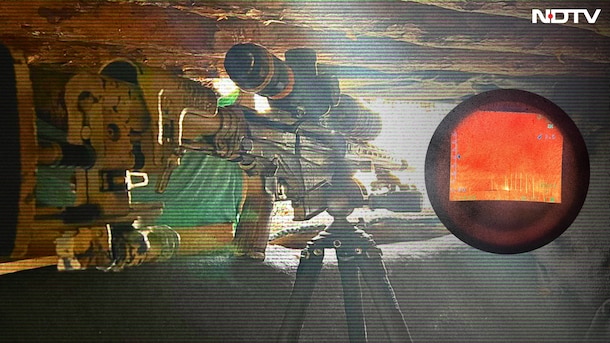
NDTV Exclusive: Rifle, Tactical Gear And A Long Wait - Inside The Kill Of A Ukrainian Sniper
NDTV caught up with a sniper from the Second Corps "Khartiia" of the National Guard of Ukraine, Brigade Raid, special operations sniper unit, who spoke about the realities of the job.
-
Opinion | Amateur 'Advisors', Ignored Generals: How Trump Shunned Protocol To Launch Iran War
Recordings obtained by the Arms Control Association suggested that Witkoff misunderstood key technical aspects of Iran's nuclear programme.
-
Turning The Other Cheek: While Missiles Fly, UAE's Gamble On Restraint
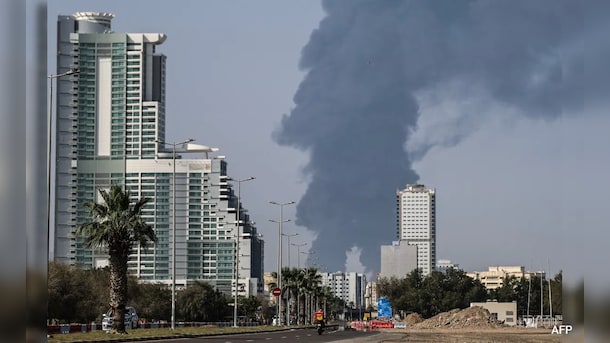
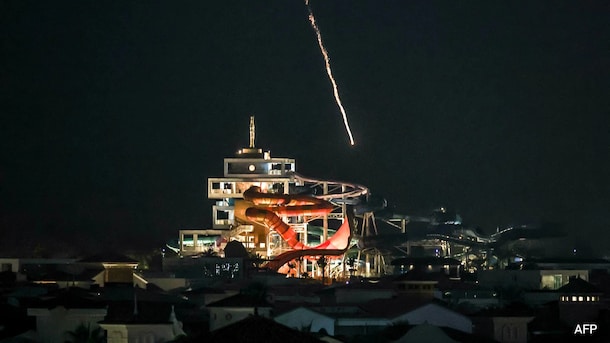
Over the past 17 days Tehran has fired around 1,600 drones, including the infamous Shahed, nearly 300 ballistic missiles, and 15 cruise missiles at military and civilian targets in the UAE.
-
News Updates
-
Featured
-
More Links
-
Follow Us On
