A History Of US-Led Regime Changes And Their Disastrous Consequences
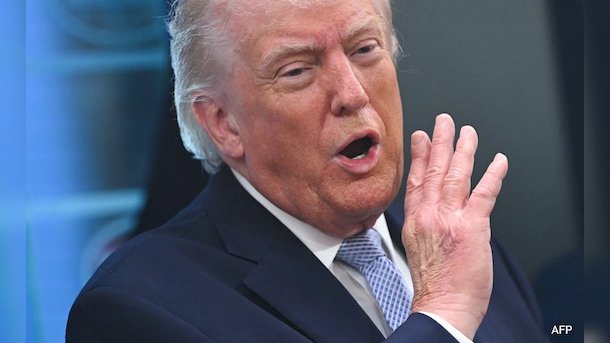
There is a familiar theme to American power when it decides to reorder the world. It is against that historical backdrop that Donald Trump's latest foreign intervention must be understood.
In late 2001, US-backed forces swept into Kabul, ending the Taliban's rule in a matter of weeks. A new Afghan leader, Hamid Karzai, was installed with American backing. President George W Bush spoke confidently of democracy taking root in Central Asia. Two decades later, the Taliban returned to power almost as swiftly as they had been removed.
In Iraq, US troops toppled Saddam Hussein in 2003 with similar speed. Washington promised a democratic transformation, but a prolonged insurgency, sectarian civil war, regional destabilisation, and the rise of the so-called Islamic State-outcomes that continue to shape the Middle East today.
There is a familiar theme to American power when it decides to reorder the world. It is against that historical backdrop that Donald Trump's latest foreign intervention must be understood.
READ | NYT Reporter Cold-Called Trump At 4:30 am After Maduro Op. The President Answered
Trump's Venezuela Gamble
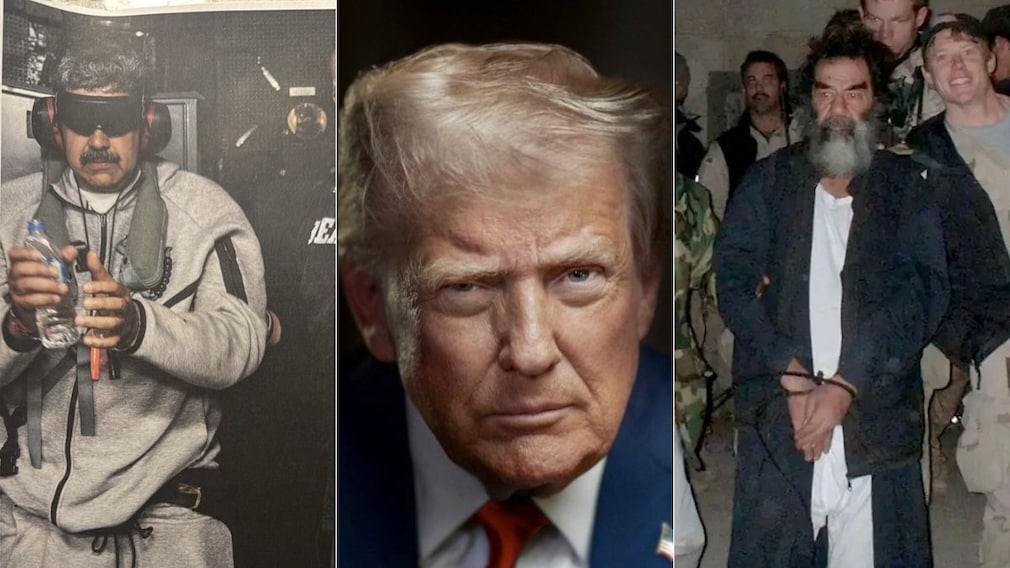
On Saturday, President Trump openly celebrated what he described as a flawless US military operation in Venezuela, which included an assault involving special forces, air strikes, and naval deployments that culminated in the seizure of Nicolas Maduro in Caracas.
From a purely tactical perspective, the mission succeeded. US officials confirmed that no American service member was killed. The Venezuelan leader was removed from power and taken into US custody. For Trump, who prizes visible demonstrations of strength, it was an operation that delivered immediate results.
Politically, however, it places him in far more treacherous territory.
READ | Venezuela Has World's Largest Oil Reserve. How US Action Affects Markets
For years, Trump has built his appeal on opposition to America's "endless wars." He has repeatedly condemned the Iraq invasion as a catastrophic mistake and framed his foreign policy as a rejection of what he and his supporters call "neocon wars." The US leader returned to power vowing to be a "peace President", but a year later he his fighting on multiple fronts.
The sudden embrace of a large-scale military intervention abroad therefore sits uneasily with Trump's own rhetoric-and with the expectations of many of his voters.
America's Long Record Of Regime Change
The United States is not new to the practice of interfering in the domestic politics of independent and sovereign nations. Washington has been responsible for the forced removal of roughly 35 foreign leaders over the past 120 years-nearly a third of all such interventions globally in that period.
READ | "Deep Concern": India's Message To People Of Venezuela After US Raid
Scholars refer to this as foreign-imposed regime change, or FIRC. Around one-third of all forced regime changes worldwide are followed by civil war within a decade.
From Guatemala in 1954 to Panama in 1989, the United States has repeatedly intervened to remove leaders it regarded as hostile or unreliable. In Guatemala alone, Washington helped oust three leaders in a single year, triggering decades of instability and violence.
In Iraq, the dismantling of Saddam Hussein's security apparatus left hundreds of thousands of armed men unemployed. The resulting struggle for power fuelled sectarian violence, empowered Iran-backed militias, and ultimately gave rise to the Islamic State.
In Afghanistan, the US-installed government never achieved legitimacy across the country. Corruption, factionalism, and dependence on foreign military support hollowed it out from within, paving the way for the Taliban's return.
The Bush-Karzai Rupture
Few episodes illustrate the structural flaws of regime change more clearly than the relationship between Washington and Hamid Karzai.
Initially presented as a partner in rebuilding Afghanistan, Karzai increasingly clashed with his American backers over civilian casualties, negotiations with insurgents, and the scope of US military operations. Over time, the relationship deteriorated to open hostility.
"To the American people, give them my best wishes and my gratitude. To the US government, give them my anger, my extreme anger,' Karzai had said.
In Venezuela, Trump administration has justified its actions by portraying Maduro as the head of a transnational criminal network. The administration has also remained vague about its endgame, whether it intends to install a new government directly, pressure Venezuelan institutions to reorganise themselves, or oversee a transitional authority.
But history offers little reassurance.
-
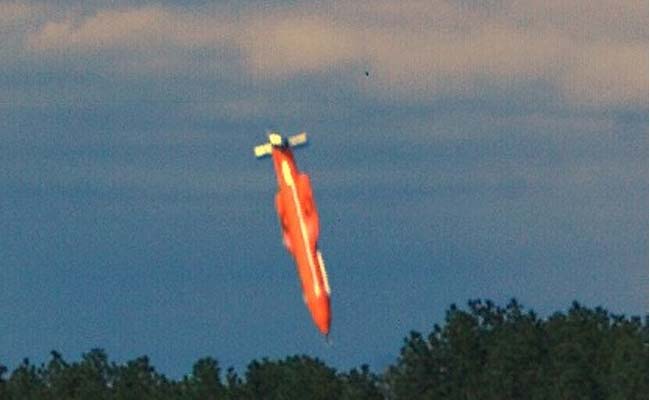
Opinion | The Last Bet? What Trump's 'Mother Of All Bombs' Could Actually Do To Iran

Can an MOAB deliver a decisive blow to Iran that may force it to surrender immediately, as Japan did after Hiroshima and Nagasaki in World War 2?
-
Hit Songs, Empty Pockets: The Hidden Math Behind India's Viral Music Boom
Over 80,000 brands and five lakh creators in India make branded content. The opportunity is worth around Rs 1,500 crore.
-
Opinion | Great 'Exceptions': How The Oil India Was Attacked For Is The Oil Trump Now Seeks
A law written to punish the buyers of Russian oil was suspended by the US to protect a purchase of Russian oil. India spent fourteen months being lectured for less.
-
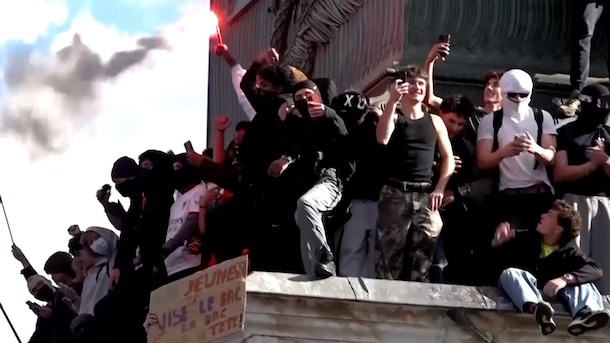
Opinion | Louis Vuitton Loot, Torched Cars: France Protests Have An Unlikely Beneficiary
It's an unbelievable moment. Crowds looting the most exclusive stores in Paris, including the famed Luis Vuitton. But what's behind this meltdown?
-
Blog: Kolkata Didn't Learn From 2015. Eleven Years Later, It Proved To Be Fatal
The City of Joy isn't a stranger to crowd control. Be it during Pujo or Christmas at Park Street, Eden Gardens cricket matches, or Derbies between Mohun Bagan and East Bengal. But during Pujo, the entire city is on alert.
-
Opinion | Slurs, Threats, Now A Temple Attack Plot: When Did America Become So Hostile To Indians?
The rising tide of anti-India, anti-Hindu, and racist attacks serves as a stark reminder that economic prosperity does not automatically guarantee social immunity from bigotry.
-
A Step Behind Neha Bora: What Rahul Gandhi's Gesture Says About Congress' Gen-Z Pitch
At INDIA bloc's march to Supreme Court, Rahul Gandhi placed himself a step behind two women, hands resting on their shoulders. One was his sister Priyanka. The one on his right was Neha Bora. Here's what the image means for the protest wave now, and for Rahul's politics in general.
-
Opinion | Imran Khan, And The Perils Of Having An 'Opinion' In Bollywood
The reality of the industry is quite grimy. More often than not, its inhabitants have been fairweather friends, happy to sing the praises of whoever is in a position of authority.
-
Exclusive: India's Food Safety Problem Goes Beyond Just Dirty Kitchens - By Tukaram Mundhe
On World Food Day, Maharashtra's Commissioner of Food Safety explains why instead of taking stopgap measures, the entire supply chain in India needs to be held accountable and made transparent.
-
Opinion | India Has Enough Coal. So Why Are Power Plants Running Short? A 76 Million 'Crunch'
As of October 5, as many as 82 of the 191 thermal plants monitored by the Central Electricity Authority were in the 'critical' category