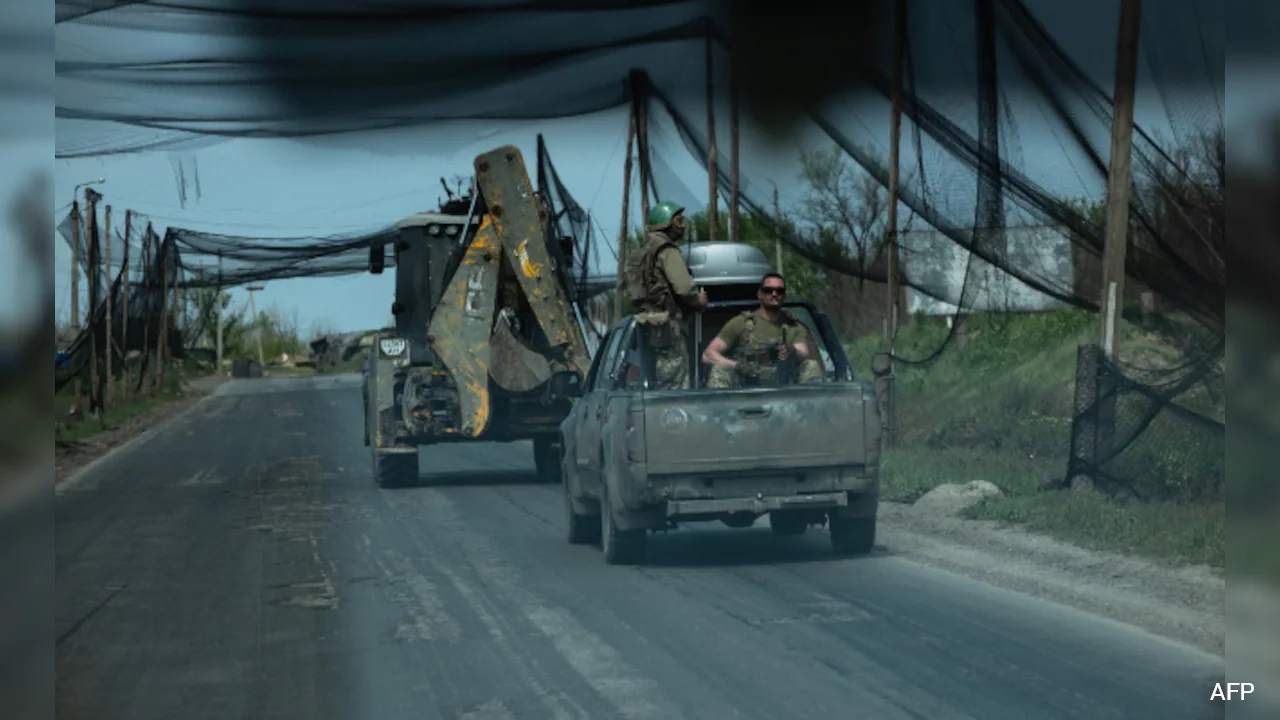
Ukraine's latest drone campaign is not focused on tanks or trenches. Instead, it is targeting something equally important to Russia's war effort – the supply routes that keep troops equipped with fuel, ammunition and military equipment.
According to analysis by French open-source analyst Clement Molin, volunteer OSINT group Geoconfirmed and CNN's OSINT team, around 150 strikes on Russian fuel tankers, trucks and other vehicles have been geolocated since early May. Many more attacks are believed to have gone undocumented.
The campaign relies on a new generation of Ukrainian-made mid-range drones, including models such as the FP-2 and the Behemoth. These drones can travel between 50 and 300 kilometres and are increasingly being used to hit roads, bridges, trains and logistics hubs far behind the front lines.
"The Ukrainians have obtained the means to start a large-scale drone campaign to cut Crimea from its main supply roads and to complicate Russia's logistical situation throughout the frontline," Molin told CNN.
Targeting The Lifelines
Much of the pressure is being felt in southern Ukraine and occupied Crimea. Geolocated videos show burnt-out fuel trucks and military vehicles along key highways connecting Crimea with occupied territories.
Ukraine says the goal is not simply to destroy equipment but to weaken Russia's ability to sustain offensive operations. In a statement to CNN, Ukraine's Unmanned Systems Forces said the number of mid-range strike missions had increased 28-fold over the past year.
The force said its objectives include creating supply problems for Russian troops, reducing Moscow's offensive capabilities and opening safe corridors for longer-range drone operations.
Ukraine's Deputy Prime Minister and Digital Transformation Minister Mykhailo Fedorov described the campaign as a "logistical lockdown" aimed at systematically destroying Russian capabilities and depriving them of the "ability to conduct active assault operations."
"The enemy will no longer feel safe, even at a considerable distance from the line of contact," Fedorov said last month.
Bridges, Trains And Fuel Under Fire
Researchers say Ukrainian drones have expanded what soldiers often call the "kill zone" far beyond the battlefield.
"Roving munitions that fly over key routes and target Russian logistics, particularly military equipment and fuel trucks," have also been highly effective, Molin said.
According to his research, 20 trains – many carrying fuel – have been targeted since January 2026.
The Institute for the Study of War has also reported repeated attacks on Russian vehicles moving along highways in Crimea and southern Ukraine.
One major target has been the Chonhar bridge, a key route linking Crimea with occupied parts of Ukraine. Ukrainian drone units have repeatedly attacked the crossing, forcing authorities to suspend traffic and rely on temporary alternatives.
The pressure is also forcing Russian supply vehicles onto different routes, some of which have subsequently come under attack as well.
A Window Of Opportunity
The impact is beginning to draw attention even from Russian military bloggers.
"Petrol tankers and lorries are regularly set alight," wrote one blogger. "One by one, the links connecting the peninsula to the mainland are being severed."
Another prominent blogger, Two Majors, complained that Ukraine's campaign "is knocking out oil refineries in the south, creating fuel and logistics problems, and now the enemy is grounding civilian aviation with 'caravans of drones.'"
Analysts caution that Russia could eventually adapt to the threat. The Institute for the Study of War noted that Ukraine likely has a limited period in which it can fully exploit this advantage.
For now, however, experts believe the strategy is forcing Russia to spend more time and resources protecting supply routes, making it harder to move fuel, weapons and reinforcements where they are needed most.
Track Latest News Live on NDTV.com and get news updates from India and around the world


