NDTV Exclusive: He Once Built Software, Now Struggles To Survive In Gaza
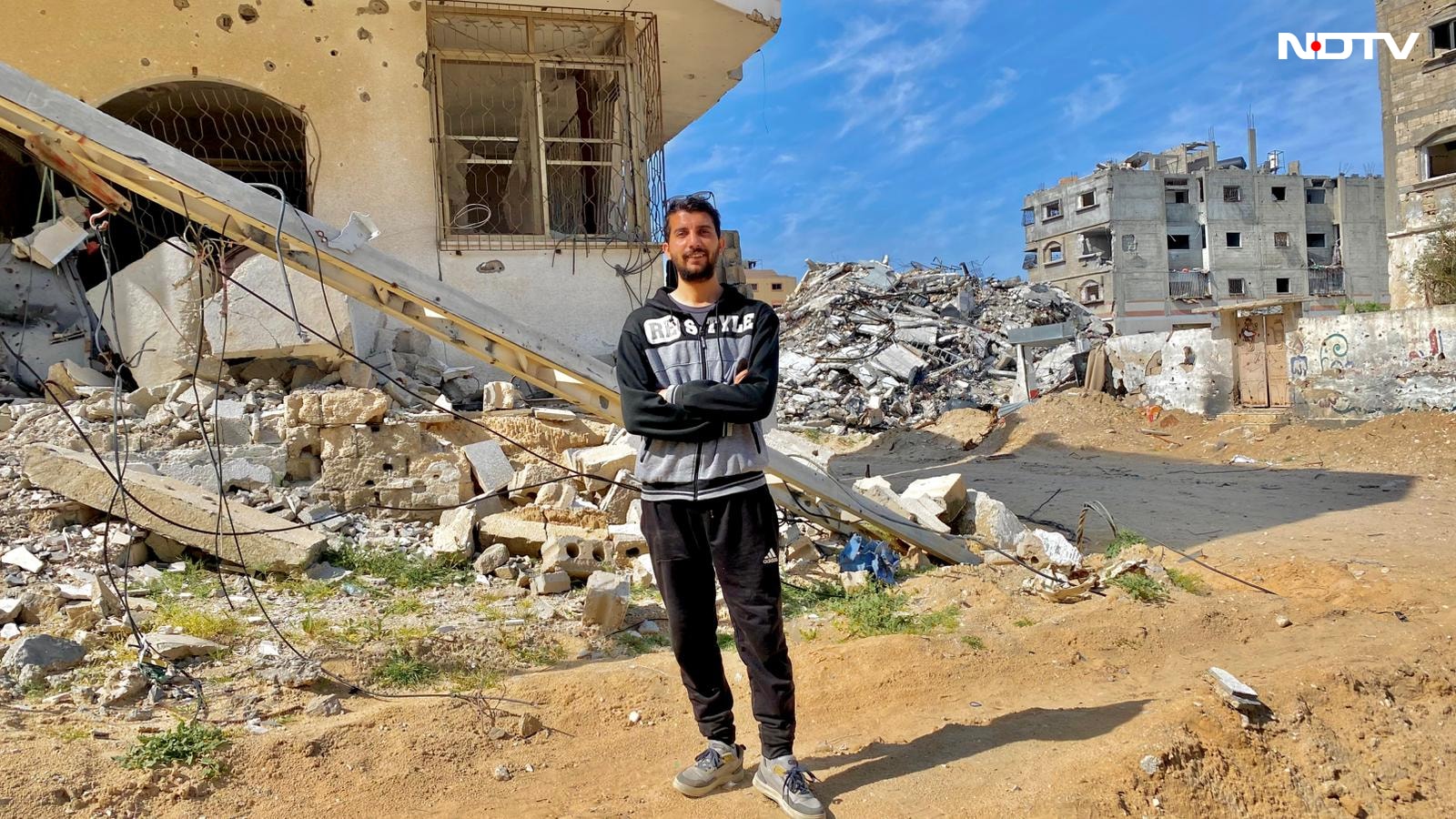
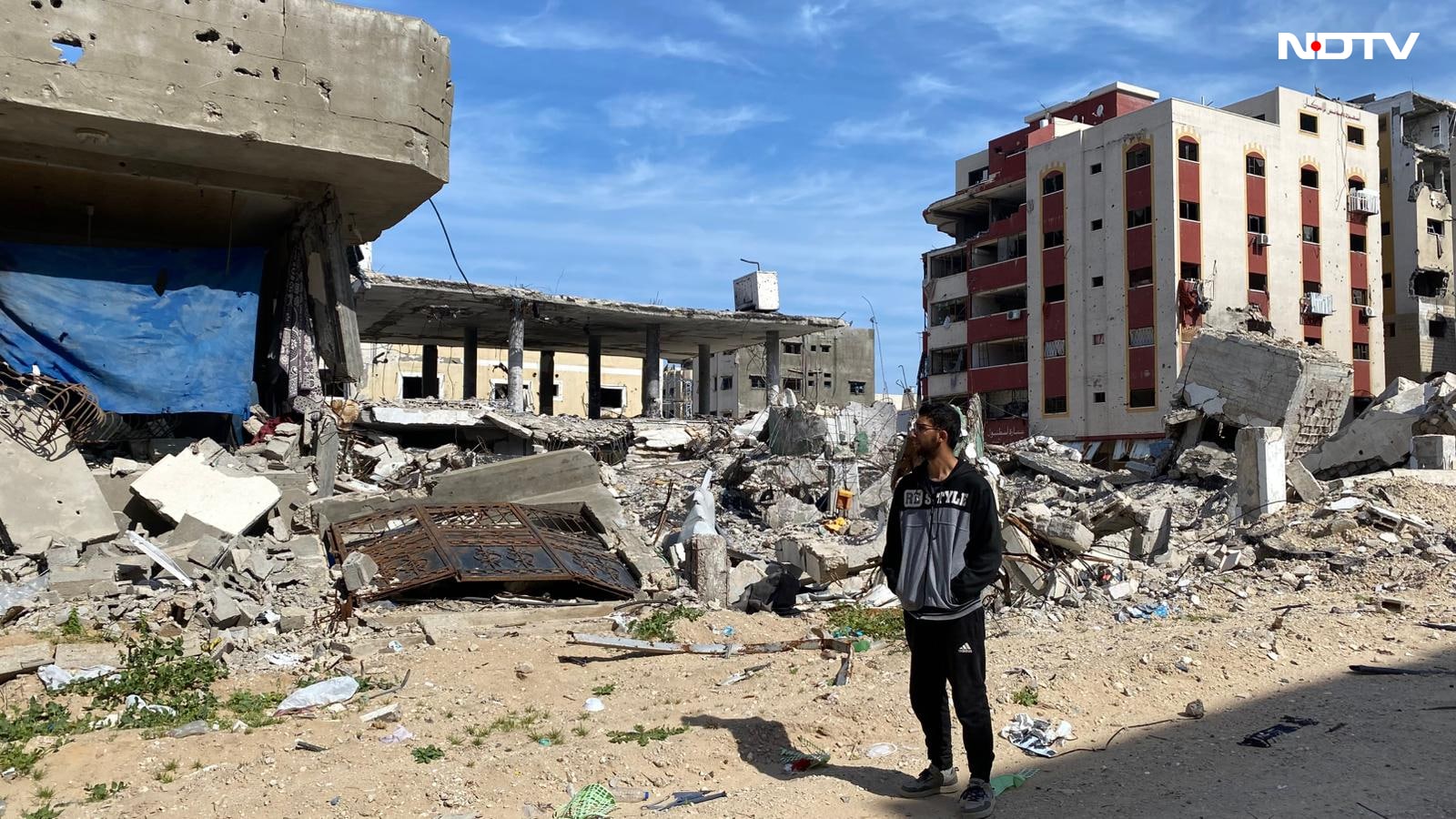
Two since October 7, 2023, as Israeli and Hamas officials gather in Egypt's Sharm el-Sheikh for indirect ceasefire negotiations under a US-led peace plan, Omar Aldalou stands on the rubble of his destroyed home.
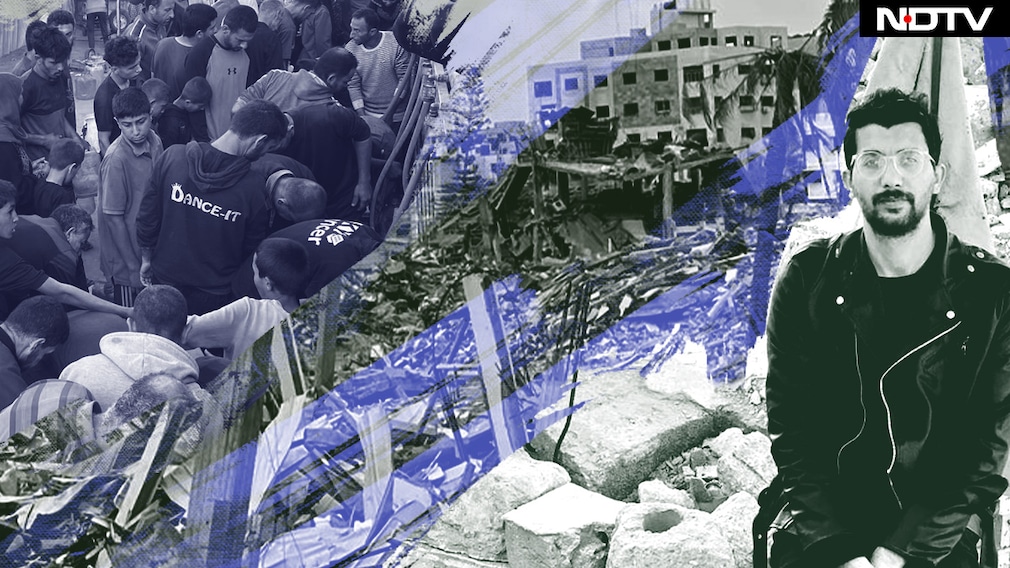
When the latest war began on October 7, 2023, Omar Aldalou was like many of Gaza's young professionals, ambitious and quietly determined to outwit the limits of blockade and conflict through code. The 31-year-old worked as a software engineer for a Gulf-based firm, logging in remotely from his home in Gaza City's Al-Nasr neighbourhood -- a community of teachers, traders, and small families who believed that, with a little luck, life could still be normal.
Two years later, as Israeli and Hamas officials gather in Egypt's Sharm el-Sheikh for indirect ceasefire negotiations under a US-led peace plan, Omar stands on the rubble of his destroyed home. His brothers are scattered, his parents scarred, his laptop destroyed. "My daily role shifted from a software engineer to a searcher for food and water," Omar told NDTV.
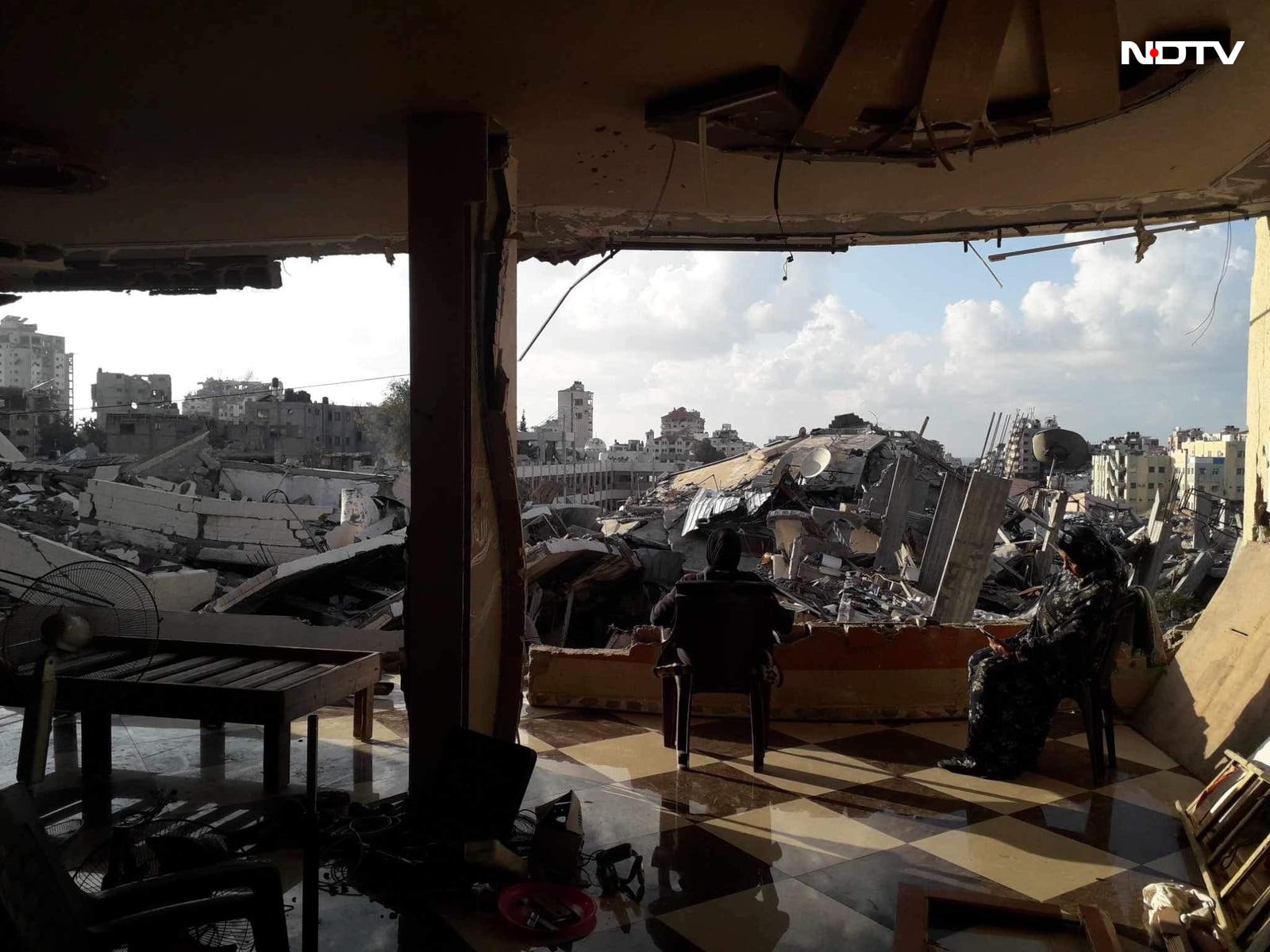
The Gaza Health Ministry now counts at least 67,139 Palestinians dead since Israel's retaliatory campaign began -- women and children comprising roughly half -- figures accepted as credible by the United Nations. Israel's losses from the 2023 Hamas attacks stand at 1,219 killed, mostly civilians.
'14 Souls Under One Roof'
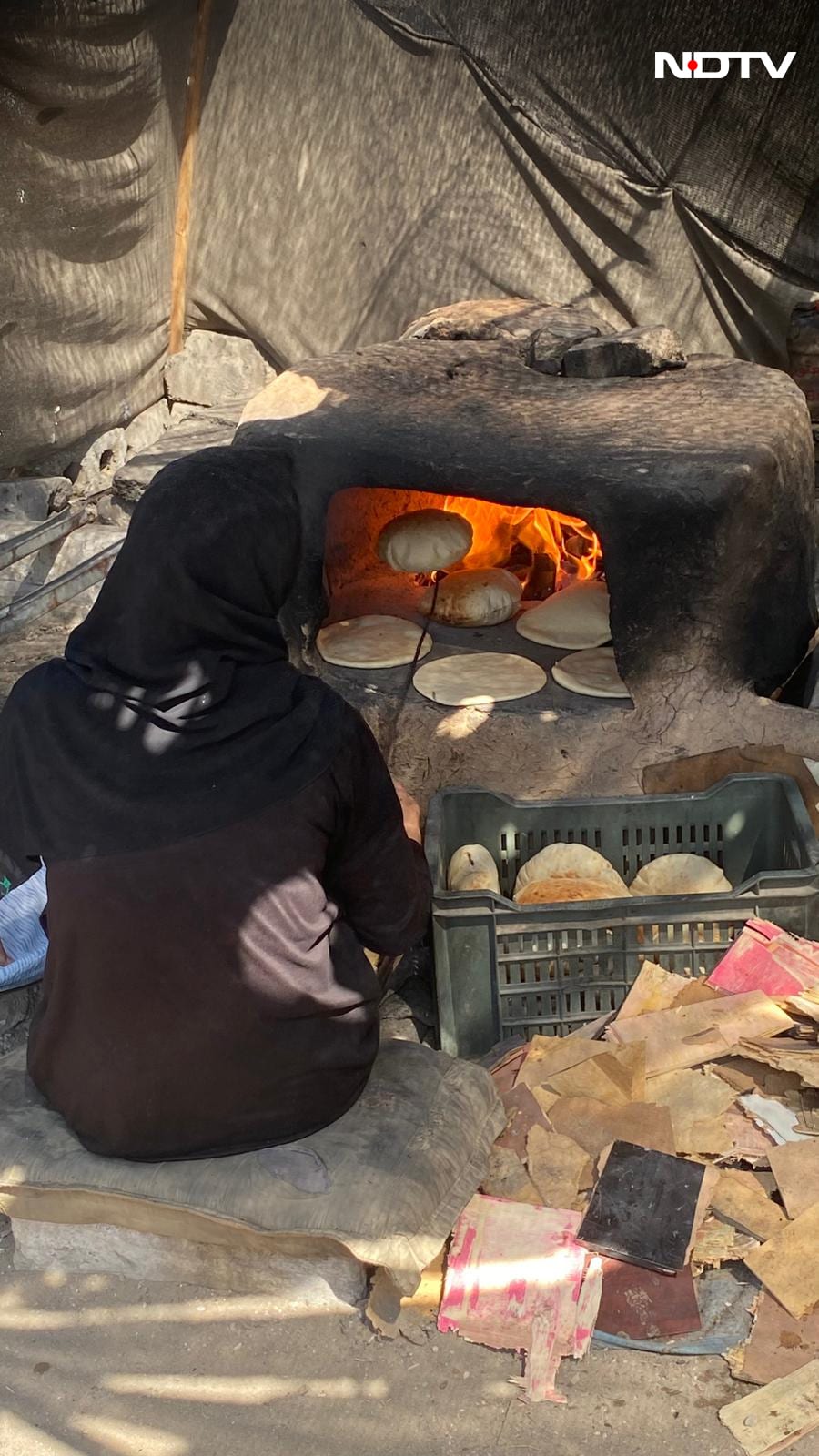
Before the war, Omar lived in a three-storey family home in Al-Nasr, a neighbourhood he described as "once full of life, laughter, children playing in the streets, and the smell of fresh bread every morning."
"On the ground floor, I lived with my parents and six sisters," he told NDTV. "My brother lived with his wife and children on the second floor, and my other brother with his family on the third. We were 14 souls under one roof, living a simple life, but one that was full of love, warmth, and strong family bonds."
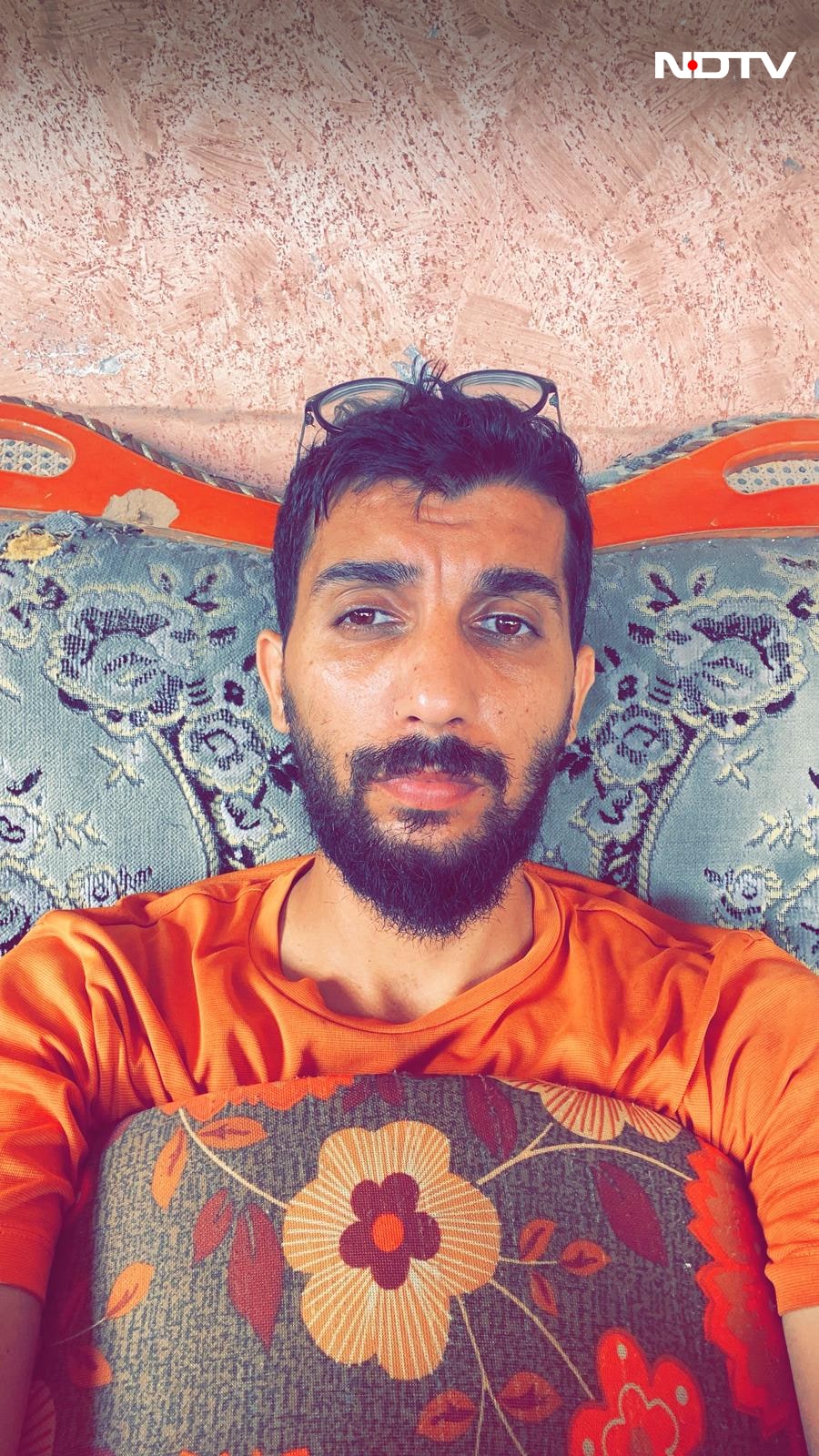
Their evenings were marked by routine -- tea in his parents' apartment, talk of the next Friday family lunch. "Our home was filled with warmth," Omar said. "We never imagined it would one day turn into a pile of rubble."
As a software engineer, his life had just begun to take shape. "I worked remotely for a company serving the Gulf market," he says. "I considered myself lucky, especially given the severe lack of job opportunities in Gaza."
Each morning, he walked to a co-working space that guaranteed power and internet - two things Gaza lacks now. "I had dreams of building a strong career, perhaps travelling abroad one day, or even starting my own company. The war stopped everything. Since October 7, 2023, there has been no electricity, no internet... no work. Not even the passion for programming remains."
Al-Nasr, he says, "was a vibrant, warm community where neighbours knew one another well." The sense of belonging made the loss of the neighbourhood especially cruel.
"Every time we were displaced, it felt like a new wound opening in our souls," Omar recalled. "We only carried what our hands could manage: some blankets, identity documents, a little food if we had any - and we left." Sometimes the family fled on donkey carts. Other times, they walked under bombardment. "There was no luxury of planning or preparation," he said. "We were just searching for a place that felt 'less deadly.'"
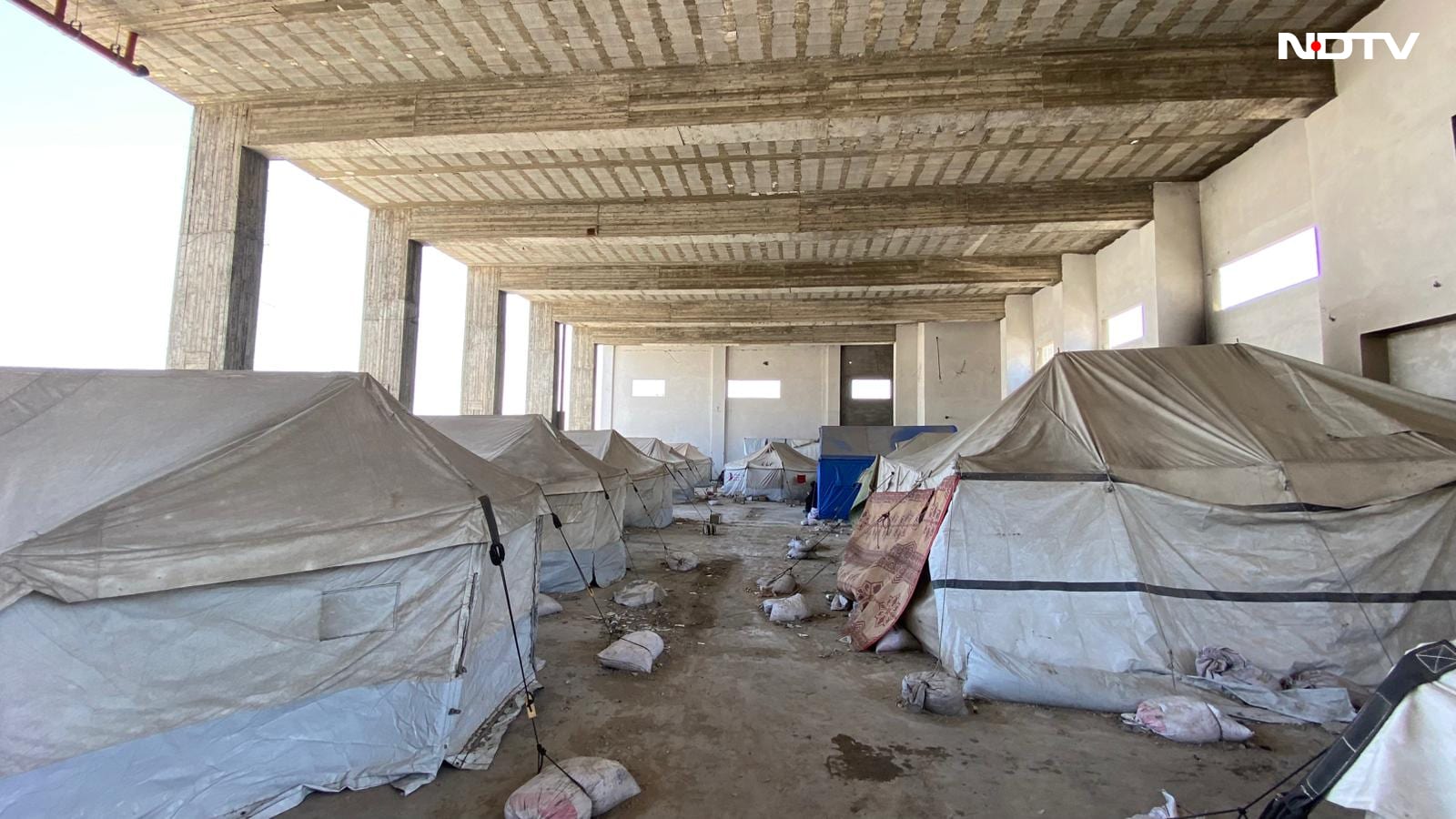
They were displaced 11 times. Each move cost money they barely had. They slept in overcrowded schools, friends' homes, even on the streets. "One of the hardest displacements was when my father and cousin were injured in a nearby bombing - we had to carry them, wounded, and flee," Omar remembered. "It was simply a journey for survival. Nothing more."
The Missiles Drop
When the first missile struck near Omar's home, his world collapsed with it.
"I can't describe that feeling in words," Omar told NDTV. "There was screaming, blood, and parts of the house collapsing. I looked at my father lying on the ground, blood flowing from his head, and I cried silently as I tried to carry him. I was helpless. I had no ambulance, no medicine, not even a safe shelter. I felt like I had failed everyone, even though I was fighting to protect them. In that moment, I wished I had died instead of seeing my father like that."
When he finally returned to Al-Nasr days later, the house was no longer a home, but just a pile of rubble. Omar searched through the debris for a photo, a notebook, anything, but found nothing. That's when he knew going back wasn't possible. "Everything that made it 'home' was gone -- my mother's scent in the kitchen, my brother's laughter from the third floor... everything had disappeared," Omar said.
At one point, the family gathered and decided to divide itself to reduce the risk of being wiped out in a single strike. "It was one of the hardest decisions of our lives," he said. "My mother was crying, and my father was silent."
"Half the family left for the south, while I stayed with my parents and some of my siblings in the north. The farewell scene is etched in my heart. I hugged my brother, not knowing if I would ever see him again. It felt like a part of me left with them."
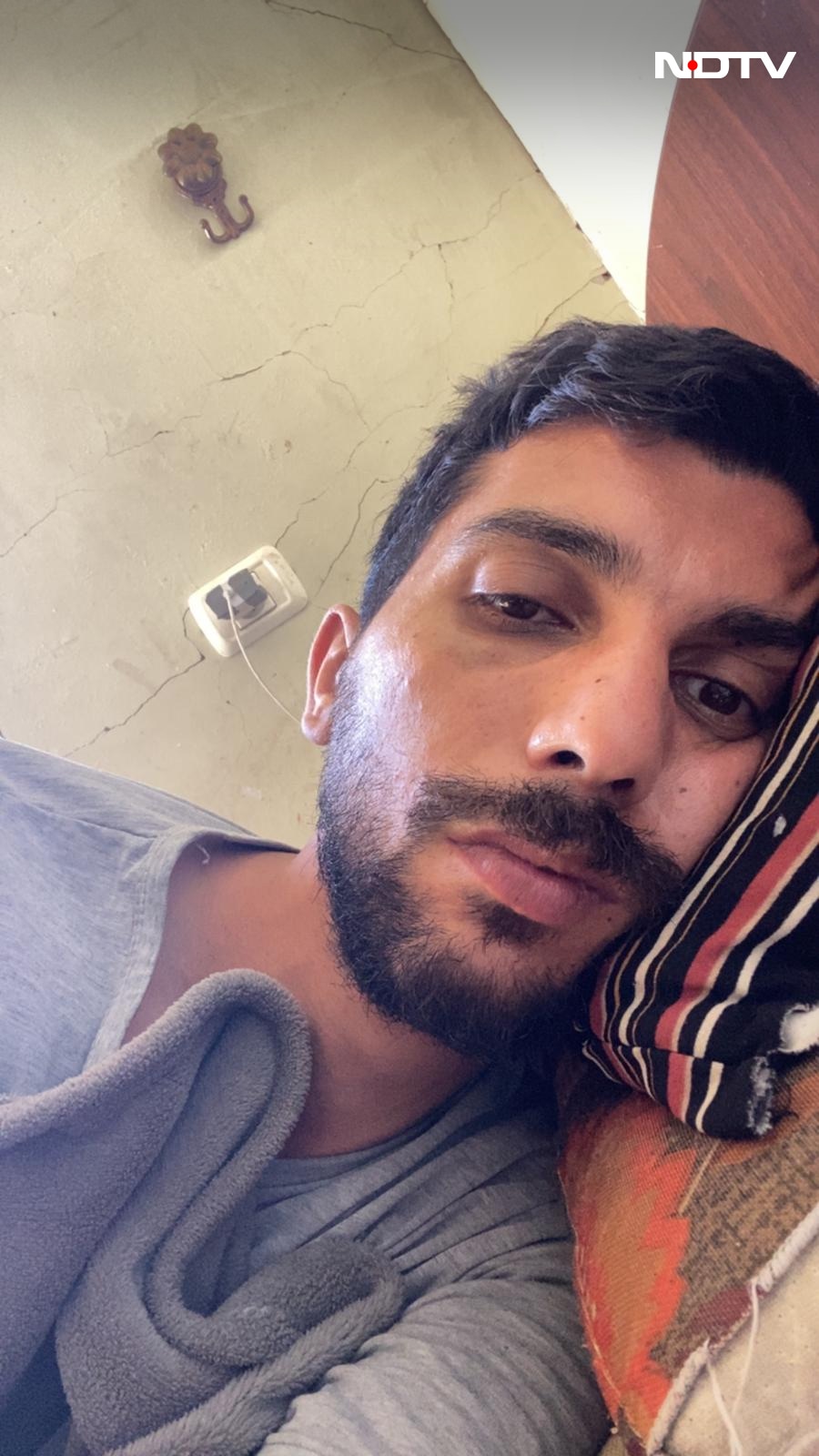
Communication was nearly impossible. There was no electricity, the internet was rare, and phone lines were often down. "We would wait for hours just to catch a signal, only to send a message like 'Are you okay?' Sometimes, days would pass without hearing anything. In every moment of silence. I imagined their lifeless bodies."
Living Death
Omar described the conditions in northern Gaza as "a slow, living death."
"We were starving, searching for drops of polluted water to drink, never knowing when the next shell would fall," he said. "The bombing wasn't just destruction -- it was constant terror. And the loss of communication made you feel like a living corpse."
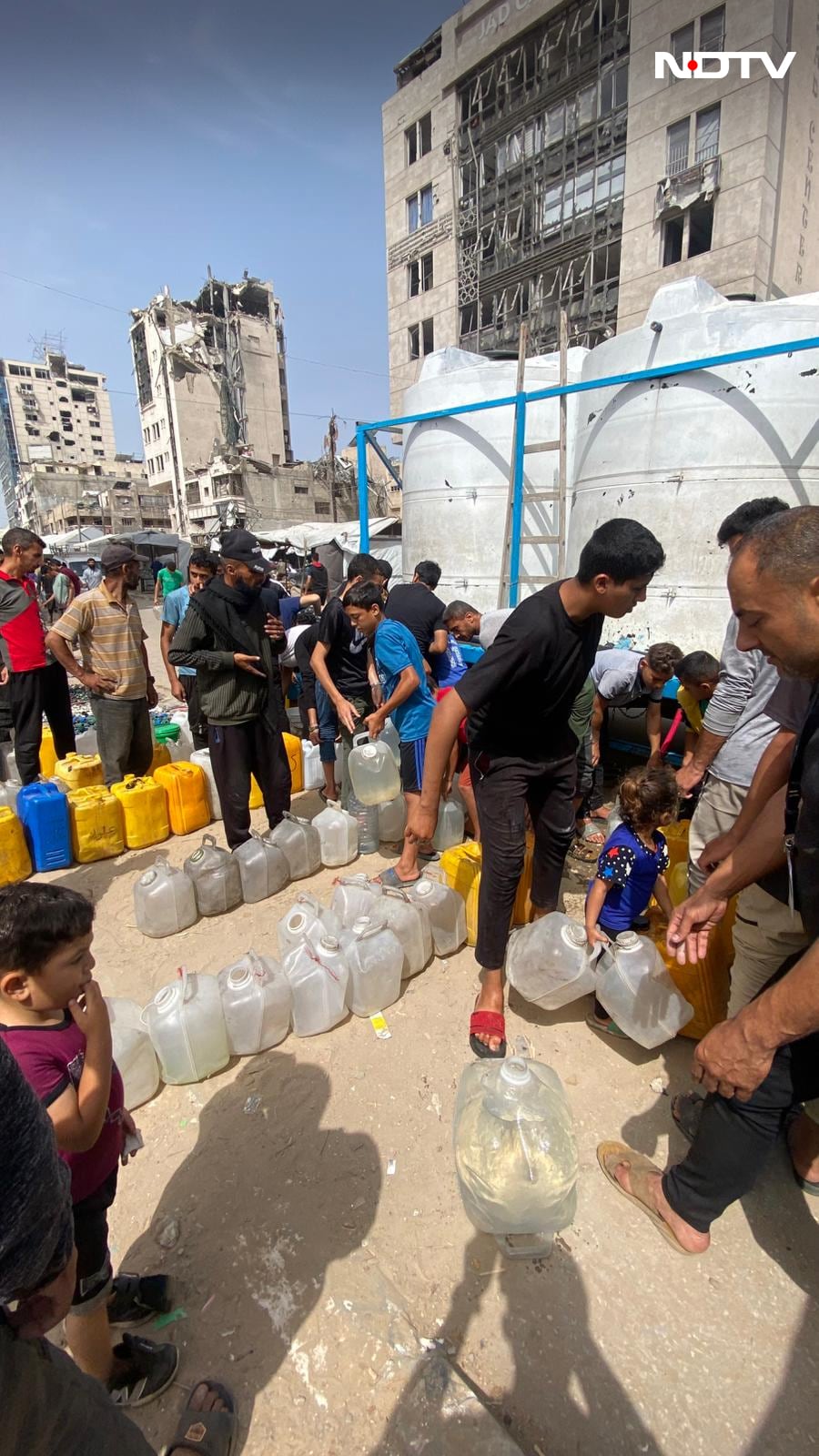
"There was barely any medicine," he added. "My mother was suffering from high blood pressure and infections, and we couldn't find a single pill for days. Sometimes we ate moldy bread just to silence the hunger, and we boiled salty water to drink. Survival was a daily miracle."
For a time, the family lived amid the ruins of their home. "We gathered pieces of wood and burned blankets to cover the holes in the walls," he said. "We built a small stove to cook on. There was no roof to protect us, no doors to close."
Crying Together
After more than a year apart, Omar's family was reunited. "When I saw my brother, I hugged him like I never wanted to let go," he said. "My mother cried, my father cried, we all cried. It felt like something broken inside us had come back to life. But even that reunion was among the ruins of our home. We are different people now -- each of us carries a different wound."
When asked how the family copes with repeated displacement, Omar said, "Honestly... we don't cope. We suppress, stay silent, and smile only for the children to protect them. Inside us, there is a volcano of fear, anger, and brokenness."

Omar told NDTV that he lost more than fifty people from his extended family, childhood friends and neighbours. Among them was his close friend, journalist Rami Al-Rifi, who worked with Al Jazeera.
A cousin named Mohammed was killed with his wife and children in their home. "This war doesn't just kill - it erases every trace of those who die," Omar said.
The Losses
Omar's once-promising career collapsed with Gaza's infrastructure not long after the events of October 7, 2023. "At first, I tried to resist, searching for a network," he said. "But the daily struggles of securing water and food took far more time than official working hours allowed. Working became impossible; the internet disappeared, electricity was scarce, and the psychological stress was enough to paralyse any ability to focus."
His employer, a Saudi company, "didn't understand our situation and cut my salary in the first month of the war, leaving me without a job."
"There was no environment to work in," he said. "My computer was damaged by shrapnel and humidity, and charging devices became a luxury we couldn't afford. Even if the war ends, I don't think I'll be able to continue working in the same field because it's developing very fast, especially with the AI revolution over the past two years - which I know nothing about now."
Despite the destruction, Omar insists Gaza's youth are not broken, only abandoned. "We now live in broken bodies, but with minds that are still alive," he said. "Gazans are geniuses in patience and resilience, but without real support, we will be lost. We need a nurturing environment, acceptance, remote opportunities, psychological support, and someone to believe in us. Our dreams are still there, but trapped. Gaza is full of talent, but it's killed with every falling missile."
(To donate to Omar's family, click here)
-
Opinion | India Faces A BRICS Challenge. Can It Find A Way Through?

The Delhi Summit is being held at a particularly challenging time. Such circumstances have not been encountered since the BRICS Summits started in 2009 in Russia
-
Opinion | Why The Jauhar Scene In Padmaavat Needs To Be Seen For What It Does
The practice of 'jauhar' was certainly abolished long ago. But that does not mean that it should be romanticised or glorified in mass culture.
-
Opinion | Sachin Pilot's Long Wait Is Over. Can Congress Finally Use Him?
The grand old party is now betting that the man who turned 'waiting' into a virtue can deliver Punjab
-
Ground Report | Sunlight Is A Luxury In Delhi Students' Hub Where Building Collapse Killed 7
The civic infrastructure in Delhi's Satya Niketan hasn't caught up with the pace of development and appears to be crumbling under the weight of the influx of tenants and the greed of landlords.
-
Mayawati's Tough Love: Nephew Akash Anand Benched Again. What It Means For BSP
Akash Anand, the 31-year-old foreign-educated nephew of BSP boss Mayawati, finds himself out of favour, for at least the third time in three years, with the latest turn coming in Lucknow on September 3.
-
Blog | Why You Should Care Whether Schrodinger's Cat Is Dead Or Alive
Imagine going on a romantic Alpine getaway and returning with the equation that runs the modern world. The only snag: nobody can quite agree on what it says about reality.
-
Promote, Punish, Repeat: Decoding Mayawati's Akash Anand Puzzle
The development in the BSP is unprecedented. Never before has any Indian party elevated a family member and dumped him or her unceremoniously thrice within a span of three years.
-
Opinion | Nepal Needs $5 Billion To Rebuild. World's Climate Fund Doesn't Have Even 10% Of It
The fund caps support at USD 20 million per project; Nepal needs two hundred times that. And the board is not scheduled to sit until December.
-
Opinion | The Rise Of Indians In US Is Making Some Americans Very, Very Angry
A new report released yesterday shows how Indians are now among the biggest targets of racist attacks in America.
-
Opinion | China, Pak, A Stalled India Visit: How Signals From Bangladesh Are Getting Louder
A fighter jet deal with China, interest in Pakistan's military bloc, and a 'stalled' visit to India - all in a month. Bangladesh's drift is getting harder to ignore.