How El Nino And Warming Oceans Could Shape Earth's Climate In 2027
From changing ocean currents to extreme weather, scientists are watching a combination of climate signals that could influence temperatures, rainfall and ecosystems in the months ahead.
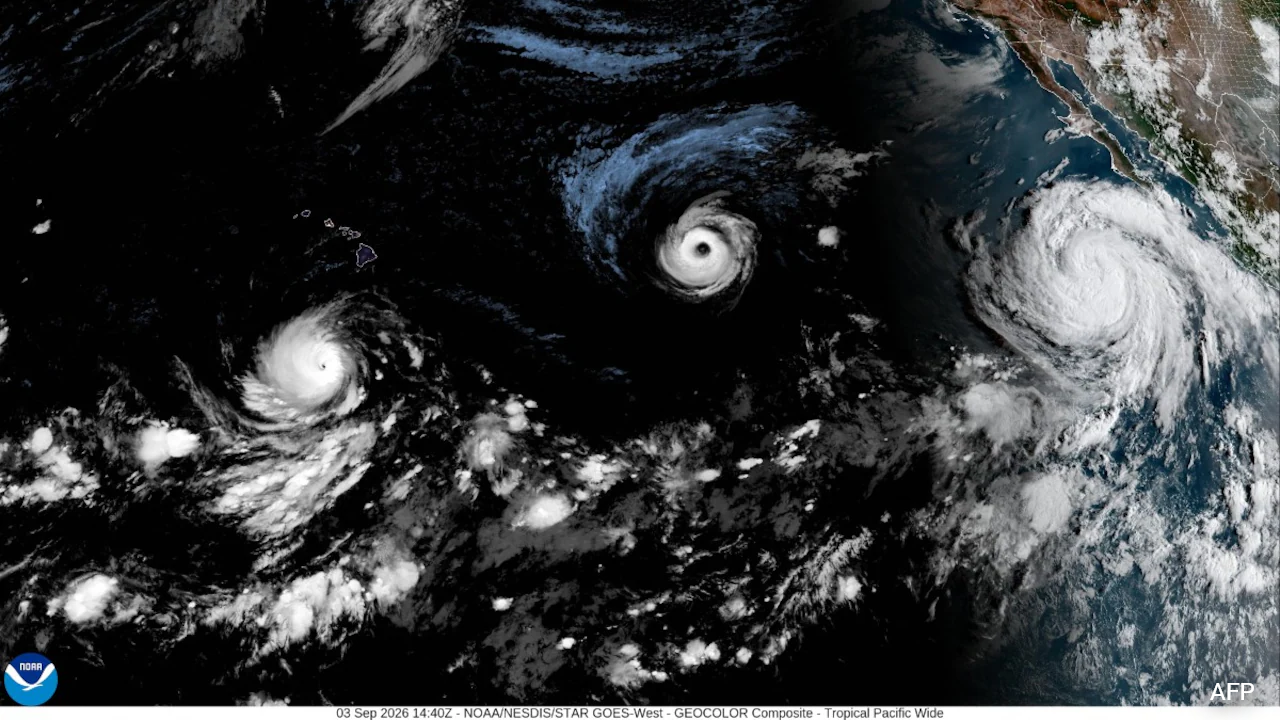
The world's oceans are sending out a series of important climate signals as 2026 draws to a close. El Nino is strengthening in the Pacific, ocean temperatures remain exceptionally high, and scientists are developing new ways to observe smaller, fast-changing ocean currents that influence how heat moves around the planet. Climatologists are monitoring these numbers because ocean and atmosphere operate as a connected system. Changes in ocean temperatures and circulation can alter rainfall, influence regional temperatures and affect ecosystems thousands of kilometres away.
Also Read | "Earth Almost Entirely In Red": Warnings As "Super-Duper El Nino" Intensifies
The World Meteorological Organisation (WMO), in its October 8 update, warned that El Nino is expected to intensify towards a peak around December. The event could influence weather patterns and economies worldwide, with effects potentially extending into 2027.
So, is 2027 going to break the heat record of 2026? Is there a connection between these developments? And how people across the world will be impacted? Here's an analysis.
Why Scientists Are Watching El Nino Closely
The climate phenomenon is characterised by unusually warm sea-surface temperatures in the central and eastern equatorial Pacific Ocean. It is part of the El Nino-Southern Oscillation (ENSO), a broader climate pattern that alternates between El Nino, La Nina and neutral conditions.
During El Nino, the trade winds that normally push warm surface water towards the western Pacific weaken. Warm water spreads eastwards, changing the distribution of heat and altering atmospheric circulation.
This affects where tropical air rises, where clouds form and where rainfall occurs. The consequences can extend well beyond the Pacific, influencing seasonal weather patterns across Asia, Africa, the Americas and other regions.
Warming Oceans Are A Concern. Here's Why
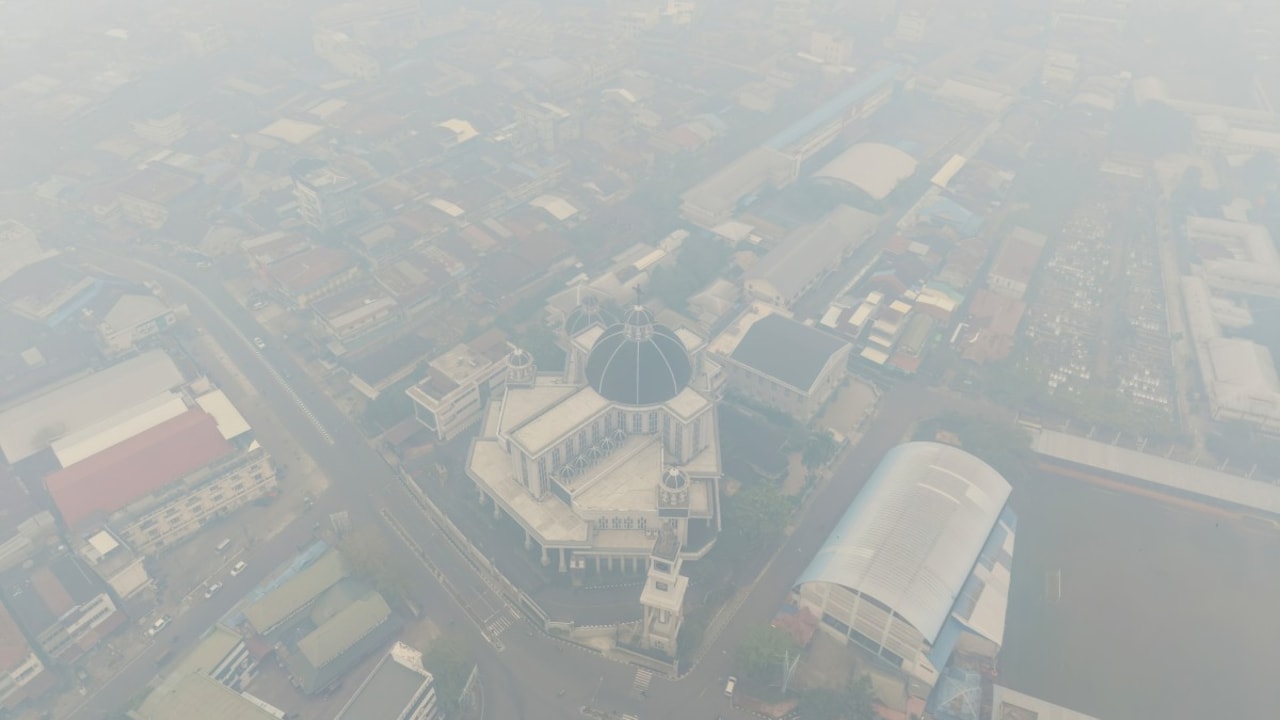
Greenhouse gases trap heat in Earth's atmosphere.
Photo Credit: AFP
Greenhouse gases released by burning of fossil fuels, deforestation and other activities trap additional heat in the climate system. The oceans, which are already hotter than ever recorded, absorb most of the excess heat accumulating on Earth.
And the El Nino is adding to their suffering by adding heat to the system. This warming of oceans can have far-reaching consequences that includes supercharged extreme weather, rising sea levels and harm to marine life.
The WMO's October outlook warns that sea-surface temperatures in the central and eastern tropical Pacific were forecast to reach exceptionally high levels during October-December 2026.
As the ocean and atmosphere interact, changes in sea-surface temperatures can influence winds, rainfall and the development of weather systems. Warmer conditions can also increase the amount of moisture available to the atmosphere, potentially intensifying rainfall when other conditions favour precipitation.
Scientists Can Now Observe Ocean Currents In Greater Detail
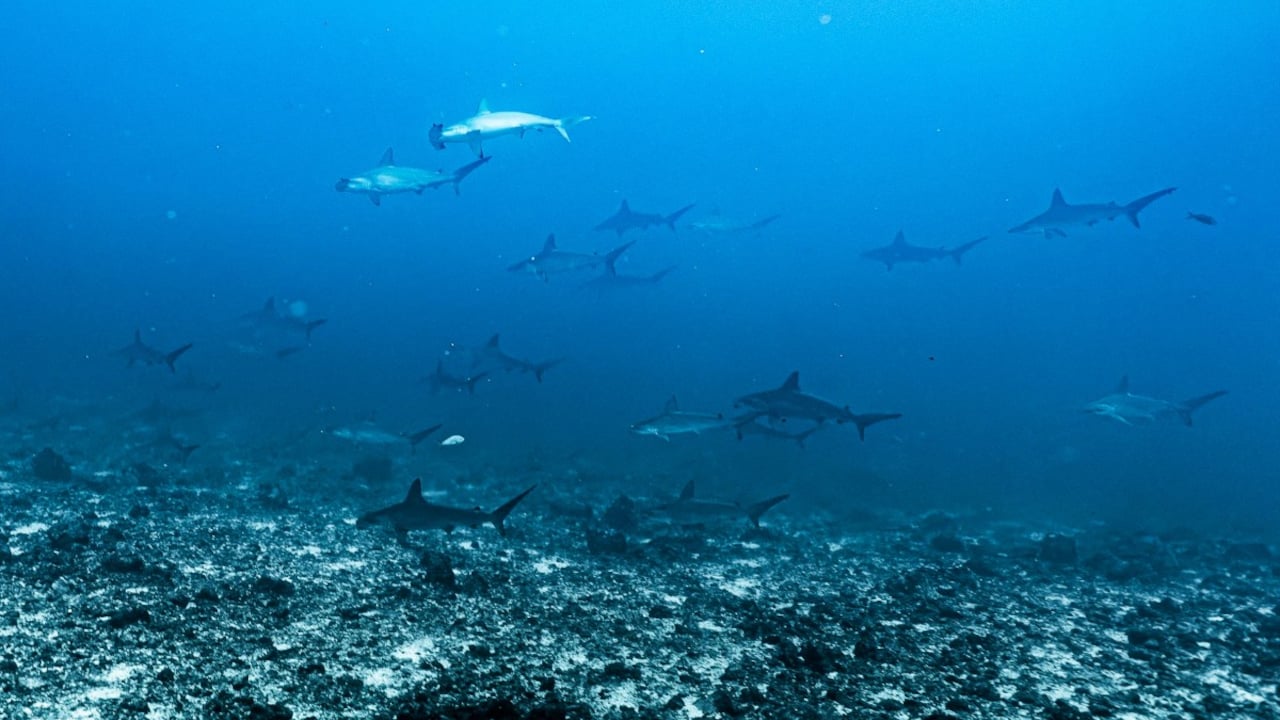
Warming ocean can impact marine life.
Photo Credit: AFP
Another development attracting scientific interest is a new method for mapping ocean currents using satellite imagery and artificial intelligence.
A study published in Nature Geoscience on April 13, 2026, introduced Geostationary Ocean Flow, or GOFLOW. The technique uses sequences of thermal images captured by geostationary satellites to reconstruct ocean surface currents at high spatial and temporal resolution.
Applied to the Gulf Stream in the Atlantic Ocean, the method revealed characteristics of small-scale ocean circulation that had previously been documented mainly through high-resolution computer models.
These smaller currents, known as submesoscale currents, can evolve over hours and extend across relatively short distances. They influence the exchange of heat, nutrients and carbon between the ocean's surface and deeper waters. They can also affect the movement of pollutants and other material through the marine environment.
Why Does This Matter For Climate Science
Ocean currents redistribute heat and interact with atmospheric circulation. Understanding them more accurately could help scientists reduce uncertainties in climate models, improve knowledge of marine ecosystems and develop better methods for tracking ocean pollution.
However, the study does not establish that El Nino caused a new current pattern or that a major ocean current has suddenly changed direction. Its principal contribution is a new way of observing small-scale ocean movements.
From Ocean Currents To Extreme Weather: How The Signals Connect
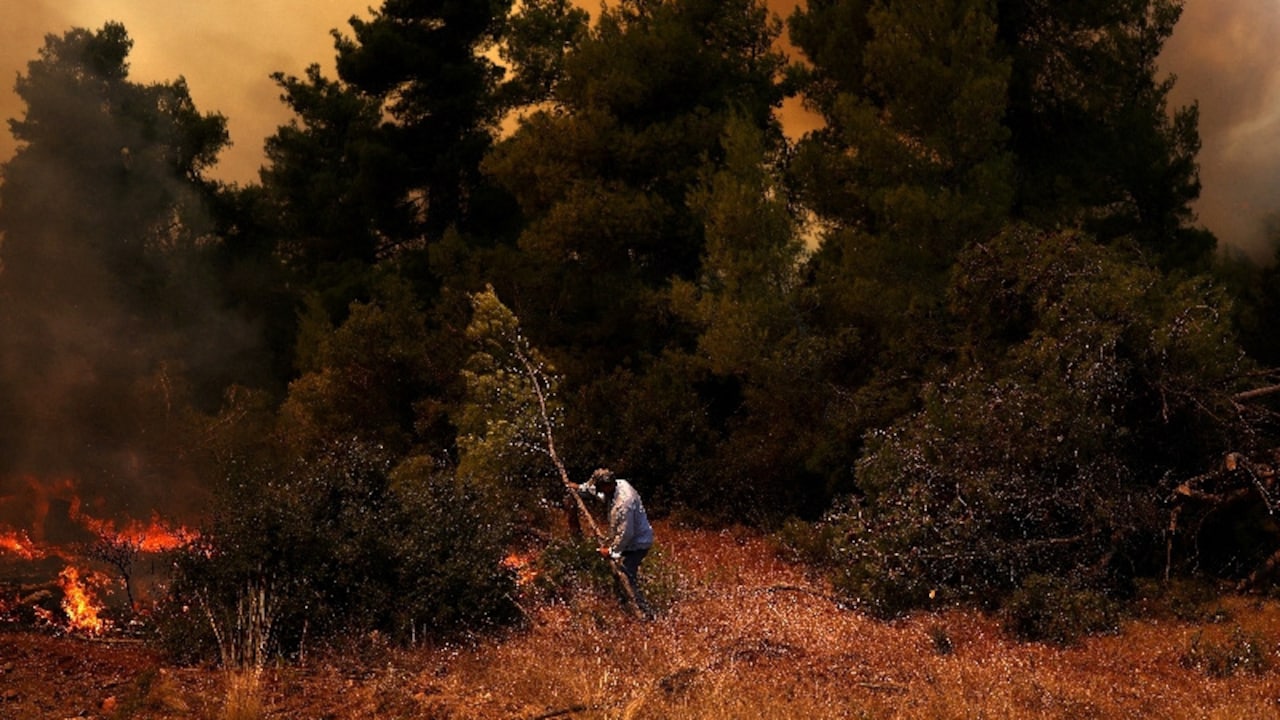
Earth's temperature has risen considerably in the last few decades.
Photo Credit: Reuters
El Nino, warming oceans and changing ocean circulation are related, but they do not all operate in the same way.
El Nino alters tropical Pacific temperatures and atmospheric circulation. Smaller ocean currents redistribute heat and material within the ocean. Long-term global warming increases the amount of energy retained in the climate system.
Together, these processes influence the conditions under which extreme weather develops.
For example, El Nino can increase the likelihood of drought in some areas while raising the probability of heavy rainfall in others. Warmer air can hold more moisture, increasing the potential for intense precipitation when atmospheric conditions are favourable.
What This Could Mean For India
India is particularly sensitive to changes in the interaction between the Pacific and Indian oceans because these influence rainfall, agricultural conditions and water availability.
The southwest monsoon season runs from June to September. In its long-range forecast, the India Meteorological Department (IMD) projected seasonal rainfall at 92% of the long-period average.
But WMO's outlook points to a greater likelihood of below-average rainfall over the Indian subcontinent during October-December 2026. Such seasonal forecasts indicate probabilities across broad regions; they do not mean every state will receive less rain.
Another important factor is the Indian Ocean Dipole (IOD), a climate pattern associated with differences in sea-surface temperatures between the western and eastern tropical Indian Ocean.
A positive IOD can sometimes counteract some of El Nino's influence on Indian monsoon rainfall. However, the relationship is not automatic, and the combined effect depends on the strength and timing of both patterns and on other atmospheric conditions.
What About The Weather In 2027?
Though there are forecasts of a gloomy climate in 2027, what's important to noteis that global estimate comes with uncertainties as the margin of record is very small. These forecasts can identify regions where above- or below-average temperatures and rainfall are more likely. They cannot specify every local weather event months in advance.
The WMO and NOAA updates suggest that El Nino is likely to remain an important influence into early 2027. But the intensity of its impacts will depend on how the ocean-atmosphere system evolves and how other climate drivers interact with it.
-
Blog | Nana Patekar, And The Sharp, Lasting Sting Of His 'Plain-Speak'

"Subah ghar se niklo, bheed ka hissa bano..." Nana Patekar's characters often spoke with the bluntness of men who had little patience for pretence. Just like Nana himself.
-
Opinion | Pakistan's Saudi Pact Is Now Entering Dangerous Territory - As Expected
On October 5, the ministers of the pact's member states met in Riyadh for an emergency session and agreed to move to a 'practical implementation' of the defence commitments.
-
Hindu ka khoon-Musalman ka khoon? Nana Patekar's Krantiveer Questions Still Hang
Krantiveer was released in 1994, after the communal violence that had scarred Bombay and other parts of India. Nana's voice carried the pain of every riot, every broken home
-
'SIR' In America Too? India Cue In Trump's Mass Citizenship Check For Voters
Having got the nod from the US Supreme Court, Donald Trump's push for a voter roll "cleanup" puts citizenship at its centre. Arguments for India's Special Intensive Revision (SIR) have also centred on "illegal immigrants". Data remains scarce. Let's map the similarities and the nuance.
-
Opinion | Gyanesh Kumar Row May Be Doing Something Unthinkable For India's 'Lost' Opposition
There seems to be a greater willingness within the Opposition to accept Rahul Gandhi's leadership, at least on the SIR controversy. But the INDIA bloc itself seems to be undergoing a strange renewal.
-
Opinion | flydubai Hijack, And How Syria's Descent Into 'Jihadism' Has Now Become Everyone's Problem
Al Hammimi, the Omani pilot who tried to crash a plane with 175 passengers on September 30, is a symptom of Syria's long-raging sectarian and extremist fire that has now reached far beyond Syria's borders.
-
"Feel Deeply Abandoned By World": Tales Of Loss And Separation From Gaza
For Gazans, who have lived through the horrors of the last three years, life means a continuing encounter with impermanence and the repeated discovery that a home, a friendship, a livelihood, a familiar life and even one's former self can become things that exist only in memory.
-
Opinion | Gurugram Techie Suicide: Why Does A Woman Asking For Alimony Enrage Us So?
Social media, with its spectacular disregard for facts, turns one man's tragedy into an indictment of all women. The recent death of 28-year-old techie has become precisely that.
-
Bus Key Dash To 'Detain Me Please': How Protesters Outfoxed Delhi Cops
Videos capture the energy, nerve, camaraderie and creativity of protesters who have found ways to turn even moments of confrontation with the police into scenes of defiance