Trump Vindicated? Iran Crisis Turning US Crude Into World's Safe Bet
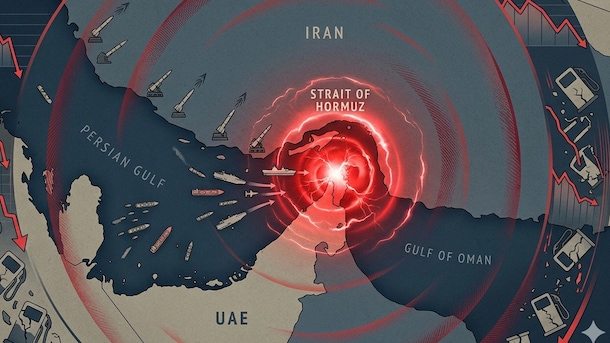
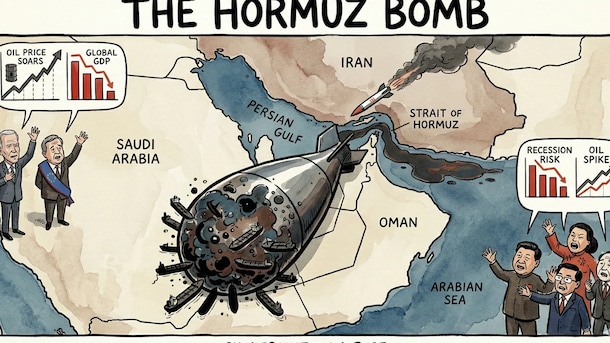
As Iran blocks the Strait of Hormuz, a channel that supplies 20 per cent of global oil and gas, Asian refiners race to reroute US Gulf crude through the Panama Canal while paying historic premiums to pass.
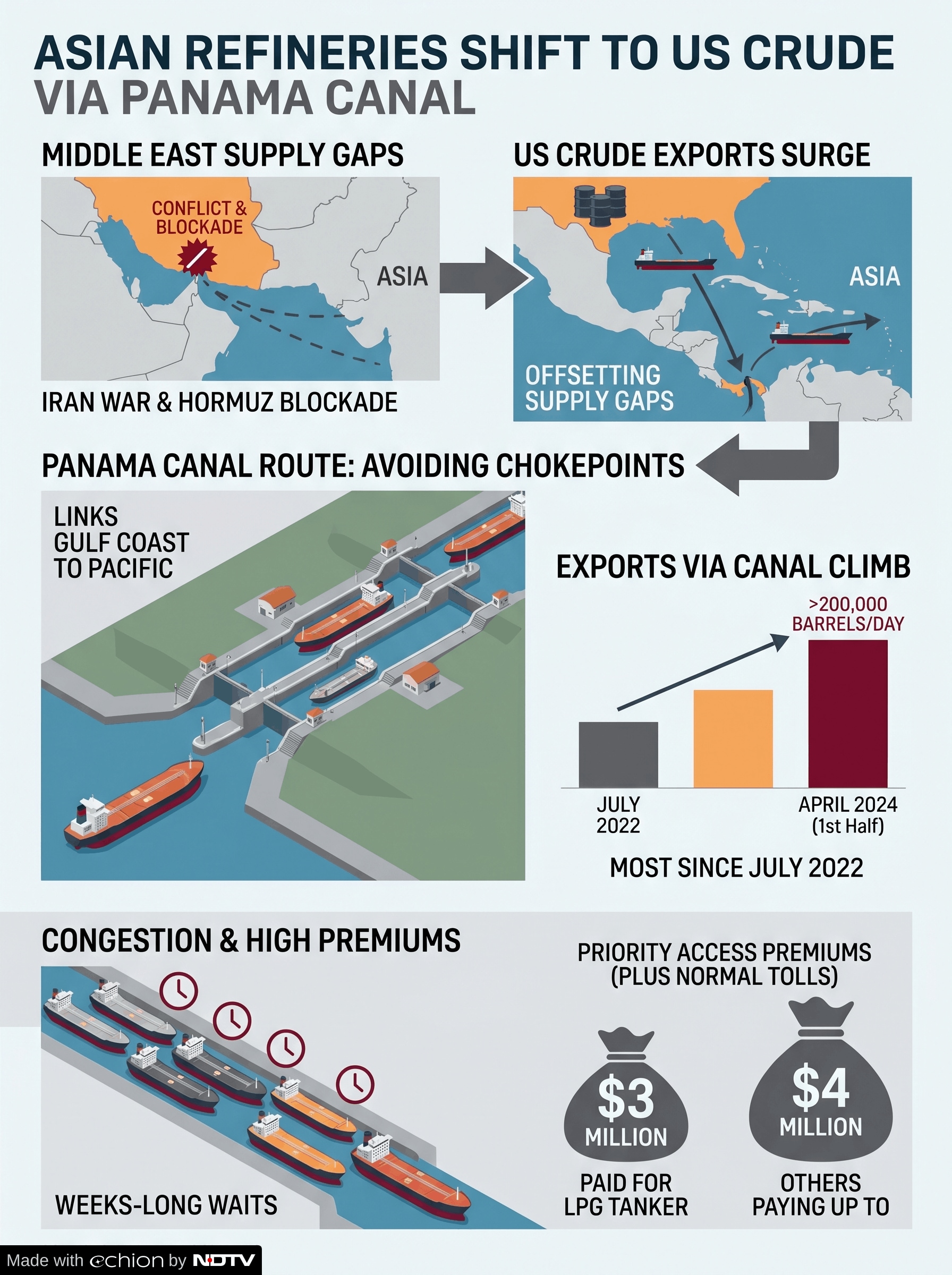
Asian refineries are queuing up to buy US Gulf Coast crude to offset gaps in supply from the Middle East because of the Iran war. These purchases are being routed via the Panama Canal to avoid the Strait of Hormuz chokepoint, marine intelligence firm Kpler said this week.
US exports through the canal crossed 200,000 barrels a day for the first half of April - the most since July 2022 - and are climbing, even as the Washington and Tehran struggle to secure long-term peace.
But increased traffic through the narrow channel - an 82km dual-lane waterway that links the Gulf Coast to the Pacific Ocean and Asia - means there is a long line of tankers waiting, in somes cases for weeks to transit.
And shipping firms are increasingly willing to pay large premiums for priority access. Sources told Bloomberg last week one firm paid $4 million to clear a tanker carrying LPG, or liquified petroleum gas. Others have been paying up to $3 million. And this is above the transit fee of hundreds of thousands of dollars collected by the Panama Canal Authority.
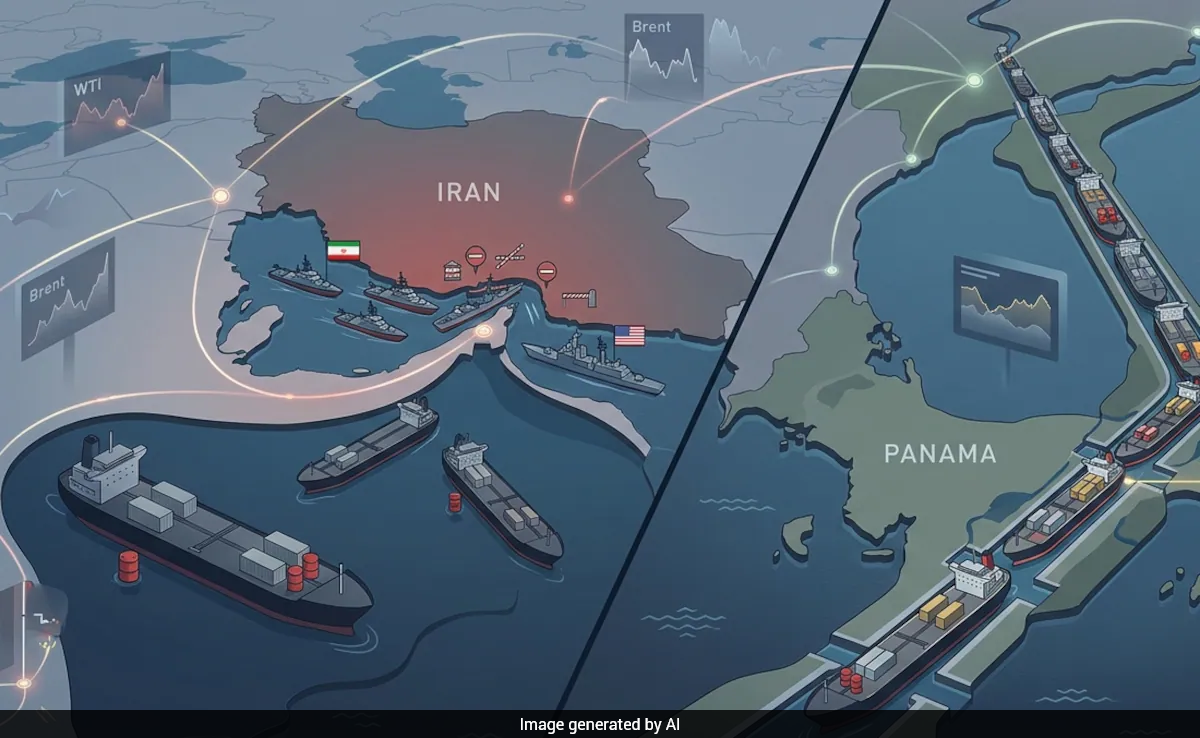
WTI on the rise, Brent on the ropes
Meanwhile, US crude is benchmarked to West Texas Intermediate that is trading at a $3-4 per barrel premium against Brent.
The difference has been seen as a structural reversal because the Iran war - which has included missile strikes on oilfields and export terminals - scared Brent past the $100 a barrel red line to $113 in early March, the highest since June 2022.
The scenario that then plays out seems to benefit the United States.
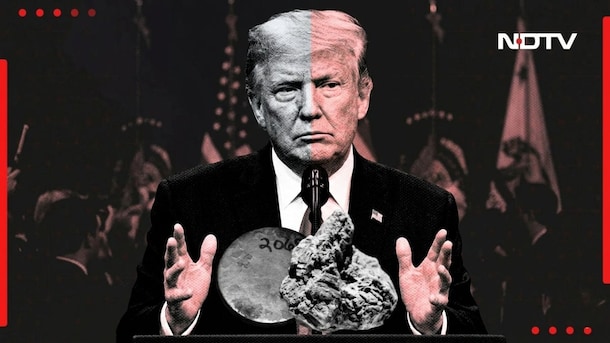
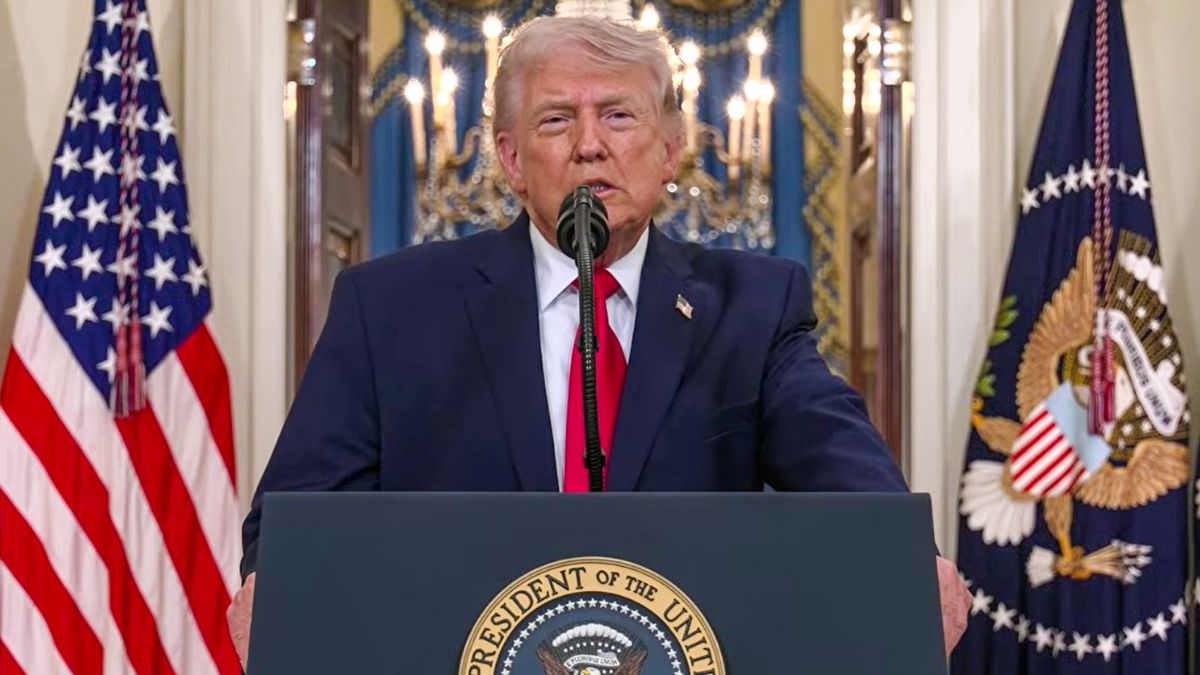
US President Donald Trump seemed to welcome that outcome in early-March. Under pressure over the Hormuz blockage, he pointed out: "The US is the largest oil producer in the world, by far, so when oil prices go up, we make a lot of money."
Trump is correct; the US is the largest oil producer in the world today.
Data from the International Energy Agency indicates it produced over 13.5 million barrels daily in 2025.
US President Donald Trump (File)
That was around 16 per cent of the global output. Russia and Saudi Arabia produced 19 million between them.
And US refineries, most along the Gulf Coast, can produce 18 million barrels of export-ready crude per day.
The queue for Gulf crude and re-routing via the Panama Canal reinforces a US-centric tilt of global oil flows in the Iran war phase. And that is underscored by WTI's premium over Brent.
This seems to be setting up Gulf crude as a possible new global default, or at least a more stable war-time option than Brent, which has seen heightened volatility amid contradictory remarks by Donald Trump.
WTI offers that degree of supply security Hormuz oil lacks right now.
Re-routing world crude map
Before the war, Hormuz shipments accounted for around 20 per cent of global seaborne crude flows, most to Asia. As the war raged, that was re-routed, with the Suez Canal–Red Sea route the most logical alternative and Malacca remaining the busiest.
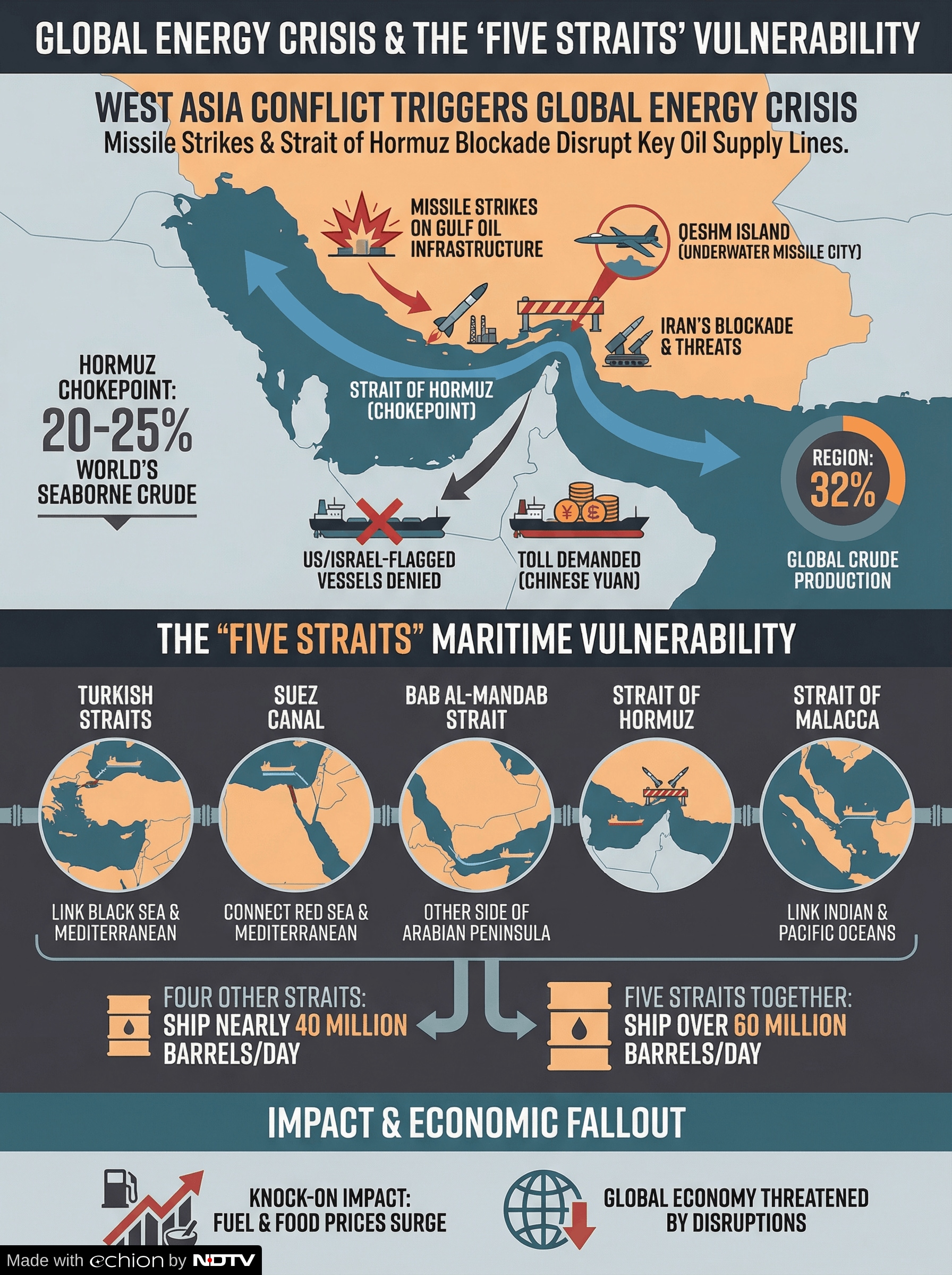
The Red Sea route has its own concerns; ships must pass through the Bab al-Mandab Strait that can become a chokepoint if the Houthis—an Iran-backed militia in Yemen—join the war.
The Panama Canal seems to be joining that list as part of a redrawing of global oil flows, which will likely now have to factor in increased shipping costs and travel time needed to cancel, or mitigate, any chokepoint risk.
'5 Straits Trap': How Hormuz Blockade Exposes Global Oil's Fatal Flaw
But the result is still a world (seaborne) crude oil map that is forced to navigate chokepoints, whether Hormuz, Panama, Bab al-Mandab, or Malacca.
Asia under the pump
In the current Iran war scenario the pivot to Gulf crude makes sense, particularly for energy-hungry Asian nations like India, which burns through around 5.6 million barrels daily.
Pre-war, New Delhi secured around 40 per cent of that via the Hormuz. That line has now been cut off, or squeezed, while the war lasts. The government has moved to diversify sources, including taking advantage of a one-time US waiver to buy sanctioned Russian crude, but the sizeable shortfall leaves it with very few reliable single-source options, apart from the US.
China, Japan, and South Korea were the other three major buyers of Hormuz crude.
China picked up the lion's share of this amount. Beijing moved to offset that loss by buying more Russian crude, having already been cut off from Venezuelan crude by the US' January raid.
US consumers squeezed
Meanwhile, as the Gulf crude surge rewards US refiners and exporters, it is also pushing domestic fuel prices to record highs, Reuters reported, since it tightens available supply. This could lead to a headache for Trump before the November mid-terms, particularly with American voters already polling negatively on impact of the war on fuel prices.
-
Opinion | How A War Destroyed America's Strongest Financial Weapon, Built Over 50 Years

America's own Secretary of State has now publicly conceded that its most powerful financial weapon may be obsolete within five years.
-
Iran Found Its 'Nuclear Weapon'. Now The US Has To Adapt
Iran's ability to throttle tanker traffic through the Hormuz acts as a strategic, nuclear-like weapon without physical destruction, and the US must find a way around this particular challenge.
-
Opinion | Iran's Game Of Thrones: Inside The 'Group' That Wants Ghalibaf Gone, And No Deal
A section of the IRGC is firmly opposed to any negotiations and wants the key negotiator, Ghalibaf, gone. Here's why
-
The US Was Right: Iran Has A 'Nuclear' Weapon, But It's Not A Missile
The US-Israel war on Iran has taught Tehran a valuable lesson - it may not have a nuclear weapon, but it controls the Strait of Hormuz, a vital oil and gas shipping route that gives it strategic leverage akin to a nuclear deterrent.
-
Opinion | A Year After Pahalgam, India Contends With Desperate Enemies, Distracted Friends
The most challenging question on this anniversary is what might happen if another Pahalgam-scale attack were to occur today. New Delhi finds itself in a strategic pincer.
-
Vance Heads For A Deal Do-Over, This Time With No One Across The Table
US Vice President JD Vance - the 'good cop' to President Donald Trump's 'bad cop' - faces a 24 hour deadline in Pakistan as the Iran war ceasefire lapses April 22 but talks remain uncertain after US ship seizure.
-
Opinion | Trump Has Found His Iran 'Scapegoat'. The Scapegoat Doesn't Know It Yet
When all else fails, Trump might very well throw his Vice President, JD Vance, under the bus. Remember what happened to Mike Pence?
-
In Bombed Facilities, Unstable Tunnels, US' Toughest Uranium Extraction Yet
Before US and Israeli strikes in June 2025, the International Atomic Energy Agency estimated that Iran possessed roughly 441 kilograms of uranium enriched to 60 per cent, alongside approximately 200 kilograms enriched to 20 per cent.
-
Opinion | Pakistan's Ever-Running Saudi 'Lifeline' Has Its Limits
There is a gap between what Pakistan seeks from its Gulf partners and their willingness to offer it.
-
The 60-Day Clock That May Stop Trump's Iran War, And How He Could Ignore It
Under the War Powers Resolution, also called the War Powers Act, an American president who has activated the armed forces without Congressional approval has 60 days to stand down.