





- US is 47 days into a war on Iran with no European military or diplomatic support
- Trump criticised NATO for not supporting US strikes against Iran in the Gulf region
- European countries oppose war due to rising fuel costs and inflation impacting voters
It is a war they never really wanted and increasingly cannot afford. And it is a war they are now refusing to fight.
The United States is 47 days into its war on Iran and has received no support - military or diplomatic – from its European allies in that time, underscoring Donald Trump's irritation with NATO.
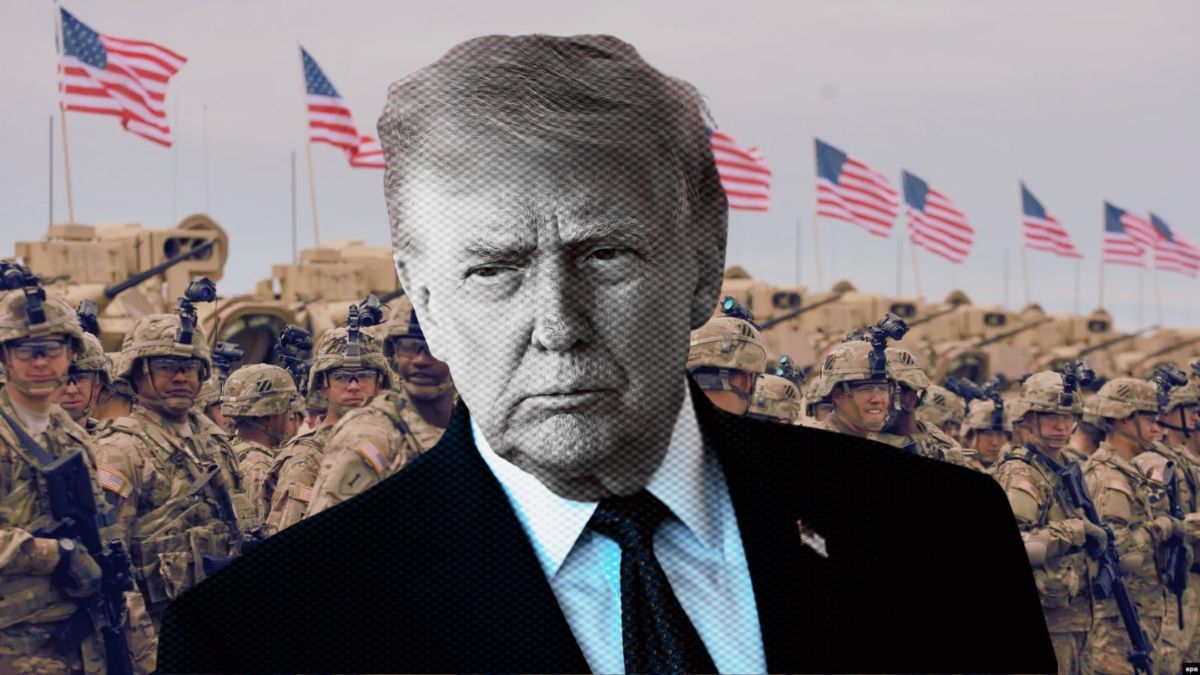
A visibly disgruntled American President Donald Trump lashed out last week after a tense meeting with NATO chief Mark Rutte. "NATO wasn't there when we needed them… and they won't be there if we need them again," Trump posted on Truth Social. The White House amplified his remarks. "They were tested, and they failed," spokesperson Karoline Leavitt said.
Rutte, the ex-Dutch Prime Minister sometimes called 'Trump whisperer', accepted the scolding - telling CNN "I can see his point" - before wryly remarking "some allies… were also a bit surprised about the strikes".
The message was clear, though it may have escaped Trump.
NATO chief Mark Rutte meets US President Donald Trump. Photo: @RT_com
Trump's war, Europe's refusal
The US and its European allies are mostly on the same page when it comes to Iran - i.e., allowing it a nuclear weapons programme risks destabilising the Gulf region that supplies a third of the world's oil and gas.
But they were not pleased about having a regime-change agenda and war thrust upon them without warning, and even less so about demands to send troops, fighter jets, or warships into a potential 'kill box' for what they viewed as offensive, rather than defensive, military action.
However, while they may have felt that, in public they seemed to be caught between political and economic realities that required, till now, a measure of alignment with Washington and an electorate that is largely opposed to the war, not least because it has driven up oil prices and threatens to increase the overall cost of living.
Europe's energy bill
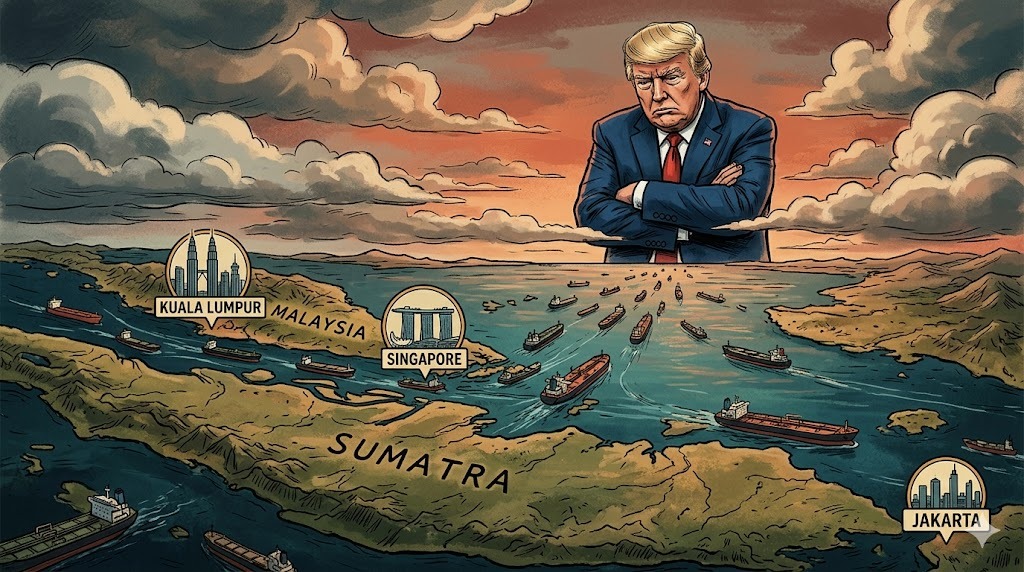
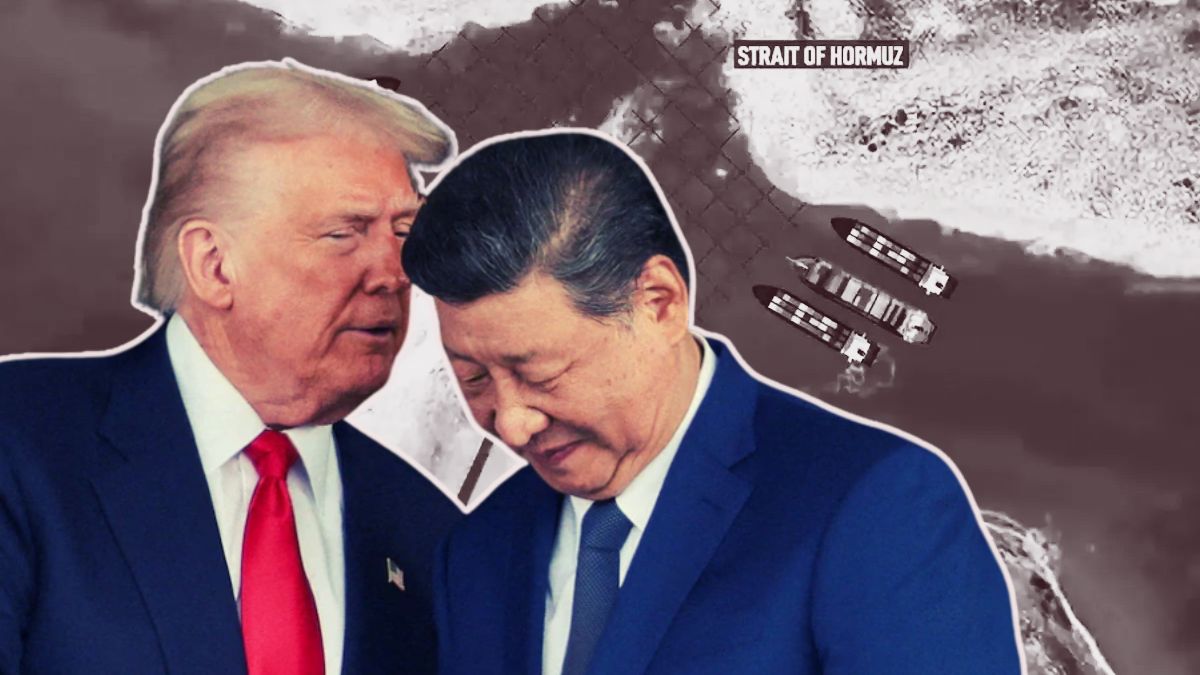
Iran's Hormuz blockade added US$16.2 billion to European nations' fossil fuel bills in the first 30 days, rising to US$25 billion by Day 44.
Benchmark gas prices spiked by 40 per cent in some countries and these costs likely pushed March 2026 Eurozone inflation to 2.5 per cent, up from February's 1.9 per cent.
As a result, voters in France, Germany, and Belgium have overwhelmingly rejected Trump and the war.
Nearly 60 per cent of the French view the US leader as an 'enemy of Europe', while in Spain over 70 per cent said they oppose the war, as do more than 55 per cent in the UK.
Polling in Spain and Italy underlined that feeling, that the US and Israel's strikes on Iran, universally accepted as being in violation of international law, were "not justified".
The driving sentiment is the same - the energy crisis, fuel hikes, and the cost-of-living surge - though historically European electorates have never really taken to the outspoken US president.
Spain stands up
In mid-March it was only Spain speaking out against Trump.
In parliament, Pedro Sanchez called the war "illegal, cruel, and absurd", and, crucially, fought back against the expected tirade of jibes and insults from Trump, including a threat to axe all trade.
Europe Split Over Trump's Iran War, Spain Leads Defiance
By March-end, Spain closed its airspace and air bases to US aircraft involved in combat operations in Iran.
Italy joins, a chorus grows
Sanchez's Italian counterpart, Giorgia Meloni, emerged as a second anti-war voice, breaking from previous alignments with Trump to criticise US-Israel attacks as a violation of international law.
Seen as being ideologically comfortable with Trump, her criticism was initially lukewarm. It was only after the president's spat with the Pope and the Trump-as-Jesus post - both sacrilegious in the physical home of the Catholic Church - that she pivoted.
Trump's remarks were "unacceptable", she said, and that Italy would not renew a defence agreement with Israel in its capacity as the third biggest exporter of arms to Tel Aviv.
The hit will be small; Italian imports are only 1.3 per cent of Israel's arms purchases, but the move was significant.
France's Emmanuel Macron last week rejected another of Trump's demand for Europe to use its military force. Speaking after the US president's "go to the Strait and just take it (the oil)" cry, Macron said the use of force was "unrealistic" and he told reporters in South Korea, from where he was speaking, that French troops would not join the US-Israeli operation.
What Europe said then
A month ago, several European leaders, including Meloni, suggested a 'realistic view of global politics requires a move away from fully supporting prohibition on the use of force, except for genuine self-defence'.
In the case of Germany, that included remarks by Chancellor Friedrich Merz about international law having "relatively little effect" against Iran if it ignores global norms, in remarks seen as backing force when legal limits fail.
Belgium and the Netherlands denounced a "murderous Iranian regime".
And European Commission President Ursula von der Leyen issued a call "to see the world as it actually is today" and declaring: "… there should be no tears shed for the regime".
Poland and parts of Eastern Europe - the Baltic states, Czechia, and Romania - all broadly aligned with the US.
So what changed
The realisation Trump's war has opened a Pandora's Box of energy and economic sorrows. That realisation was articulated late-March by Belgium Prime Minister Bart De Wever, who suggested Europe restore ties with Russia to offset energy costs.
He was shouted down, including by his own government, but the seed, one could argue, has been planted.
Over in the US, average fuel prices spiked last month - past the US$4 a gallon mark - to put pressure on Trump before the November mid-term election.
But the US, as the world's largest oil producer, is secure, for now, a point Trump made frequently when he mocked the European Union for not responding to his 'send warships' cry.
The rest of the world, with the exception of China and Russia, perhaps, is not, and the longer this war goes on the greater unease there will be in Europe over energy costs and financial constraints, particularly after the US pulled air defence systems from its borders with Russia.

