Mass Anger, Limited Momentum: Why Iran's Protests May Not Topple Regime - Iran Analyst Exclusive
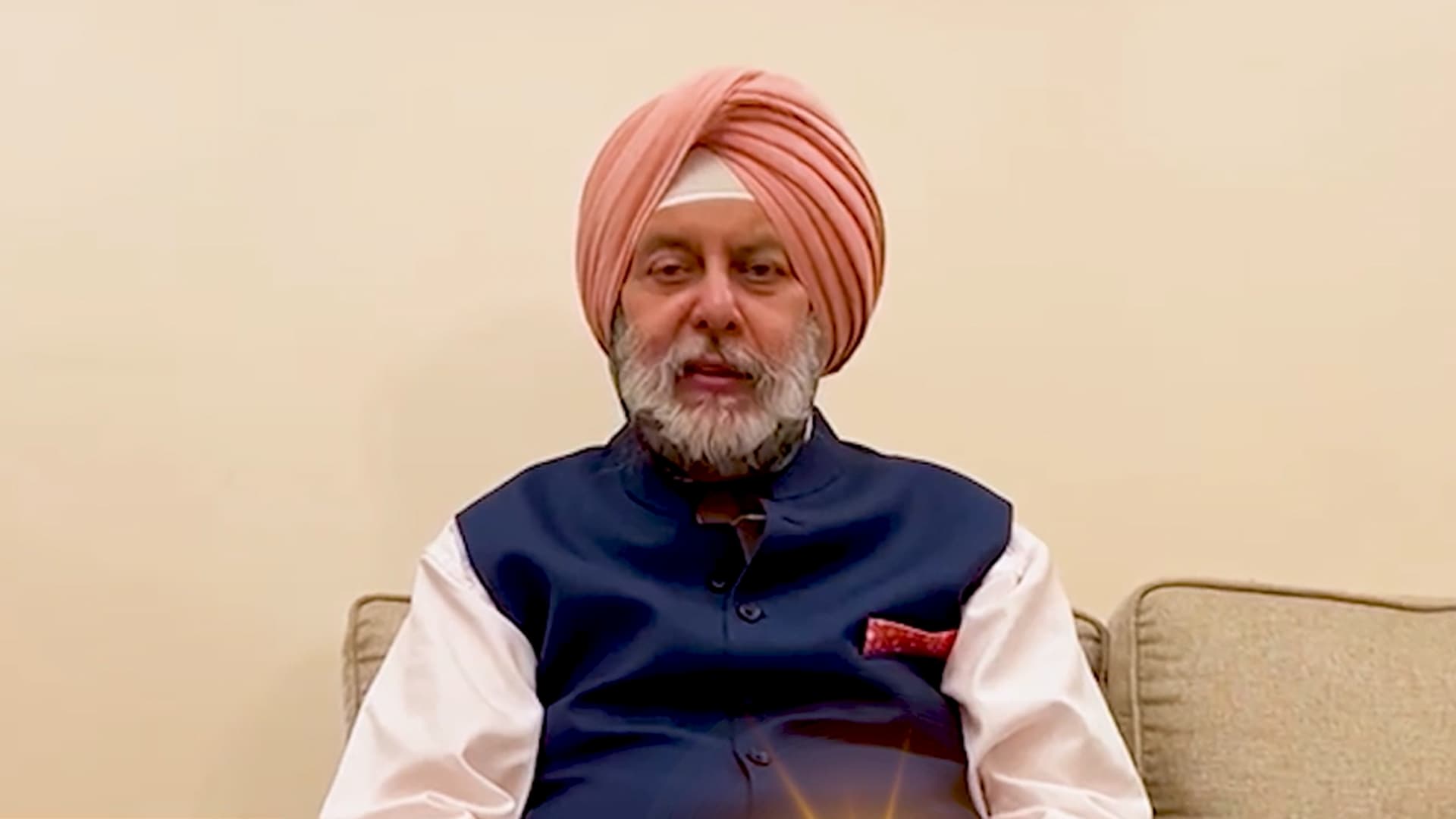
As protests spread across Iran, questions grow over whether the unrest marks a real turning point for the Islamic Republic. Speaking to NDTV, Burzine Waghmar from the SOAS University of London offers a measured assessment, saying the demonstrations are nationwide and deeply rooted in economic anger, repression, and a broken social contract, but may still fall short of triggering regime change. Waghmar notes that while women, youth, and even the traditionally pro-regime bazaar class are now participating, the protests lack the scale and central leadership seen in past uprisings. He argues that the Iranian state remains strong and capable of a severe crackdown, describing it as a "failing state that refuses to fail."