FULL: 'Aircraft Won't Needs', Air Marshal Explains the Future of Air War | NDTV Defence Summit
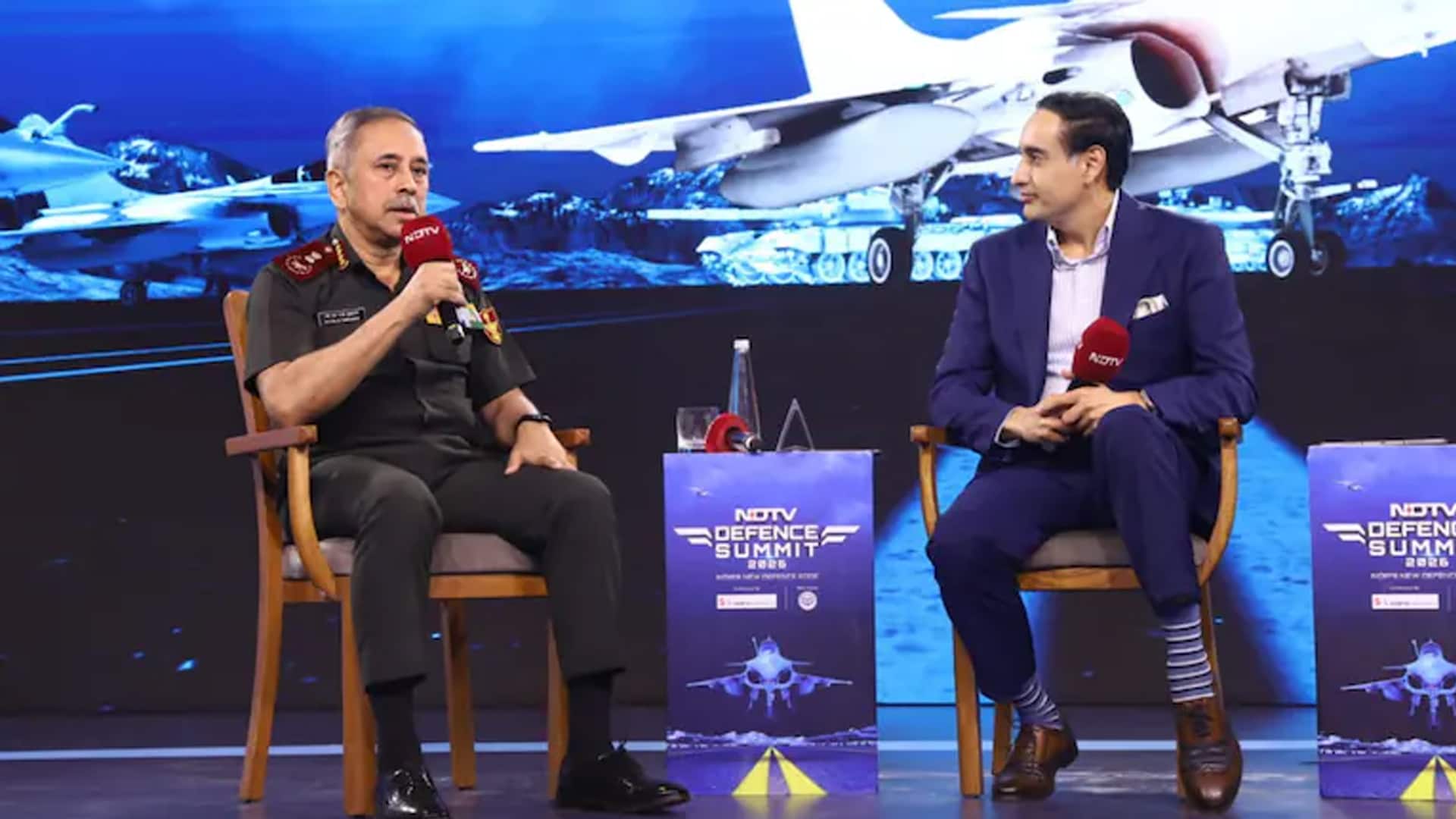
#NDTVDefenceSummit2026 The Deputy Chief of Air Staff outlines the future of aerospace power in the subcontinent, explaining why the next generation of air warfare will be defined not simply by individual fighter aircraft, but by connected combat ecosystems, decision speed, sensors, networks, electronic warfare and long-range weapons. What You Need to Know Modern air warfare is increasingly a contest for decision superiority — sensing earlier, understanding faster and delivering precise effects before an adversary can react. Fifth-generation capability is not simply about a fifth-generation fighter. It requires an integrated ecosystem connecting aircraft, sensors, networks, electronic warfare and long-range weapons. Future fighters could launch weapons while their own onboard sensors remain switched off, using target information generated through AWACS, passive RF sensors and space-based surveillance. India's multi-generational fighter fleet will require interoperability between platforms including upgraded MiG-29s, Mirage aircraft, Rafale, LCA Tejas and the future AMCA. Open software architectures and gateways can allow mission software, algorithms, threat libraries and weapons to evolve without requiring complete aircraft redesigns. Collaborative drones and autonomous systems can provide additional mass, decoys and electronic-warfare capabilities, while manned aircraft continue to provide capabilities that autonomous systems cannot fully replace. Future combat architectures must remain operational even when communications are degraded, networks are jammed, cyber systems are attacked or satellite navigation is disrupted. Airfield survivability, fuel supplies, logistics, command links and the ability to regenerate sorties remain fundamental to combat power. The address calls for faster industry integration, with new weapons, algorithms and software capabilities integrated in months rather than traditional multi-year procurement cycles. India can begin a generational leap in air power before the arrival of future platforms by improving networks, software architectures, distributed sensing, autonomy and multi-domain training.