



Brown Dwarfs
-
{
- All
- News
-

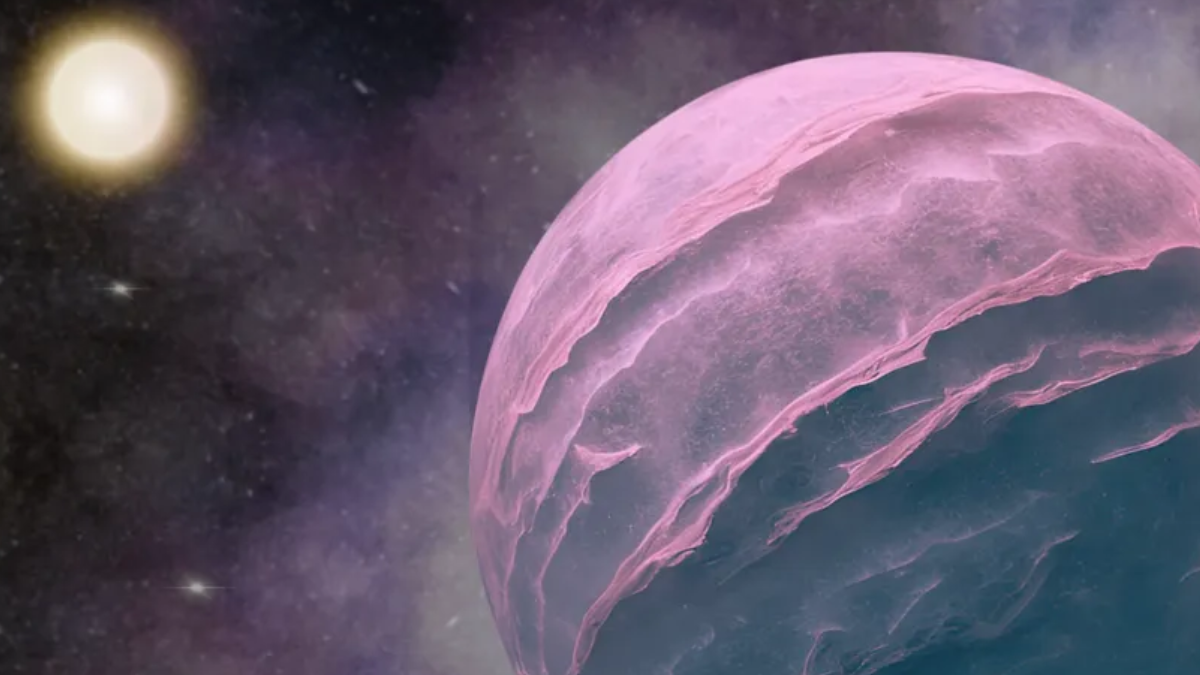
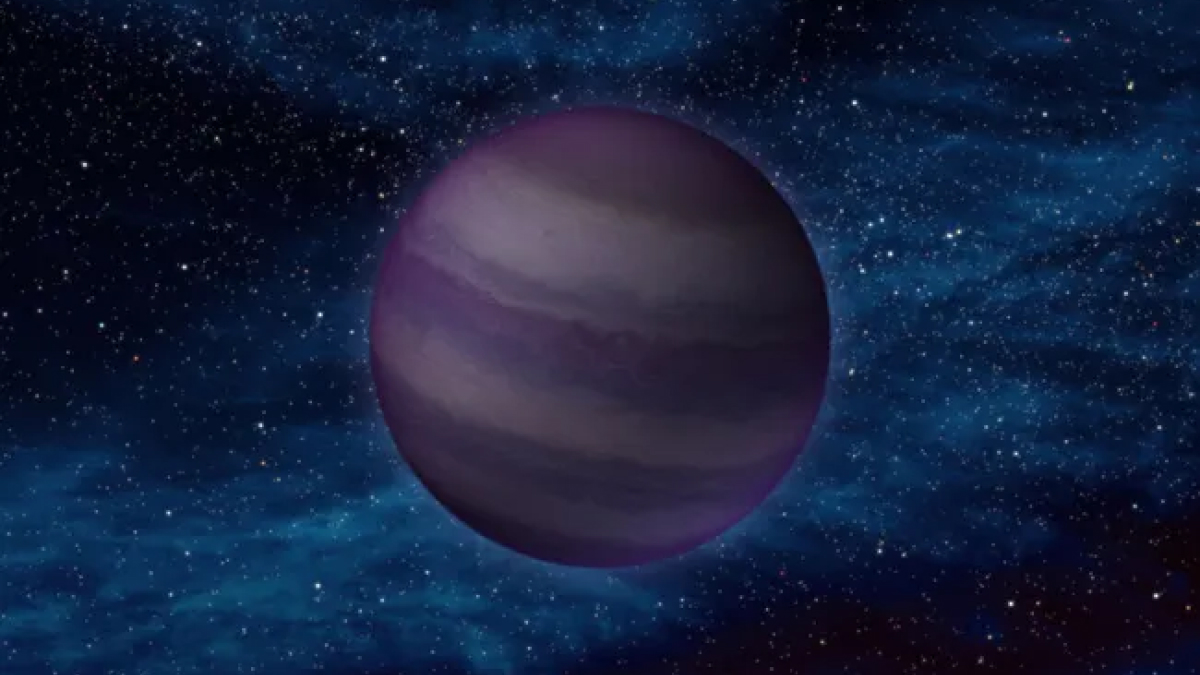
JWST Reveals Salt Clouds in the Atmosphere of the ‘Pink Planet’ GJ 504b
Using just two hours of observations, JWST decoded the atmosphere of GJ 504b, a cool pink world 57 light-years away. Scientists detected water vapor, methane, ammonia, and carbon dioxide, while deep salt clouds helped explain the object's unusual appearance and temperature.
-
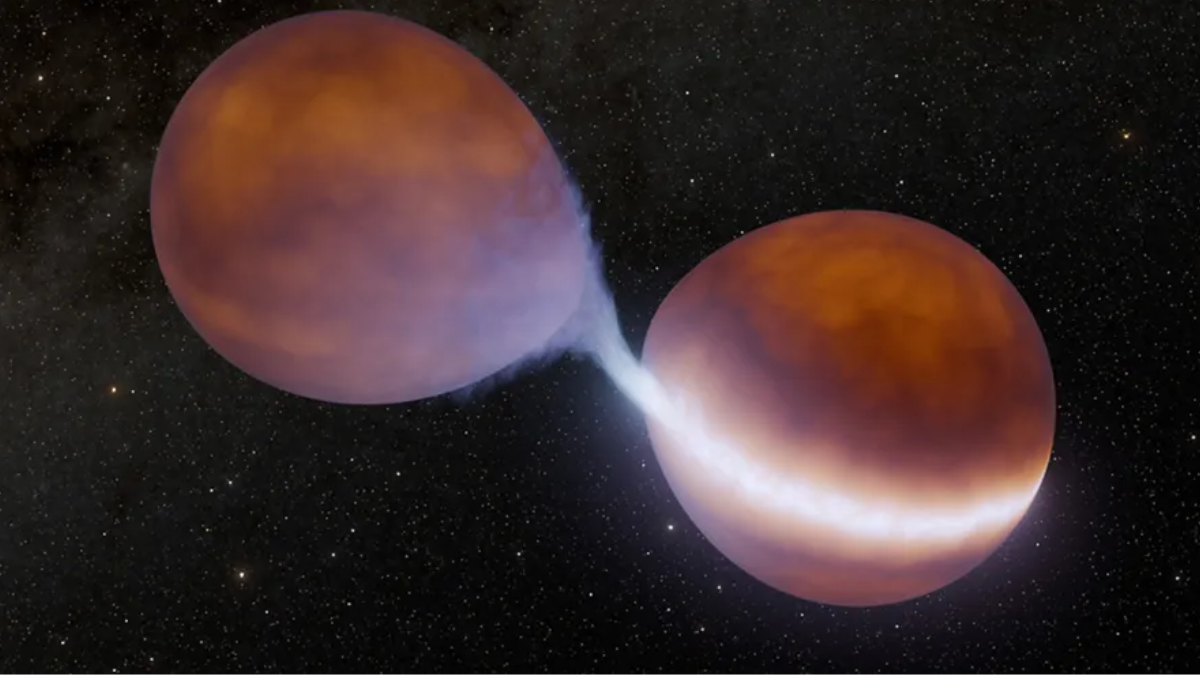
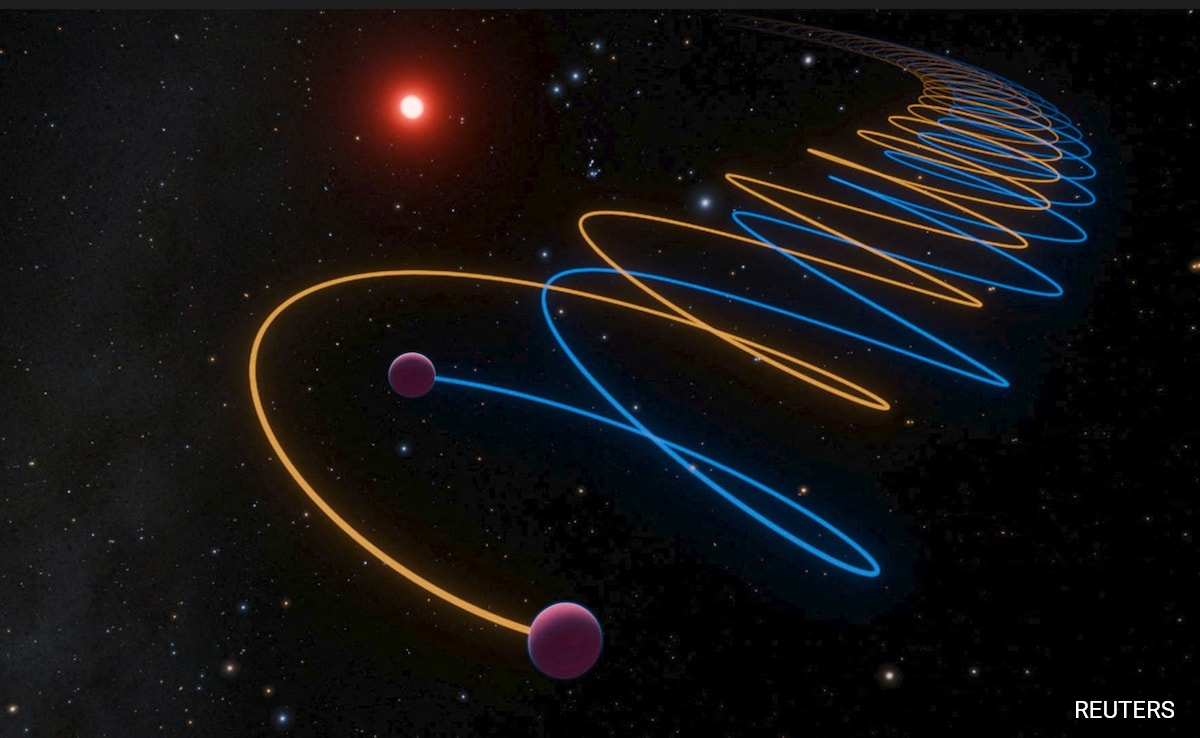
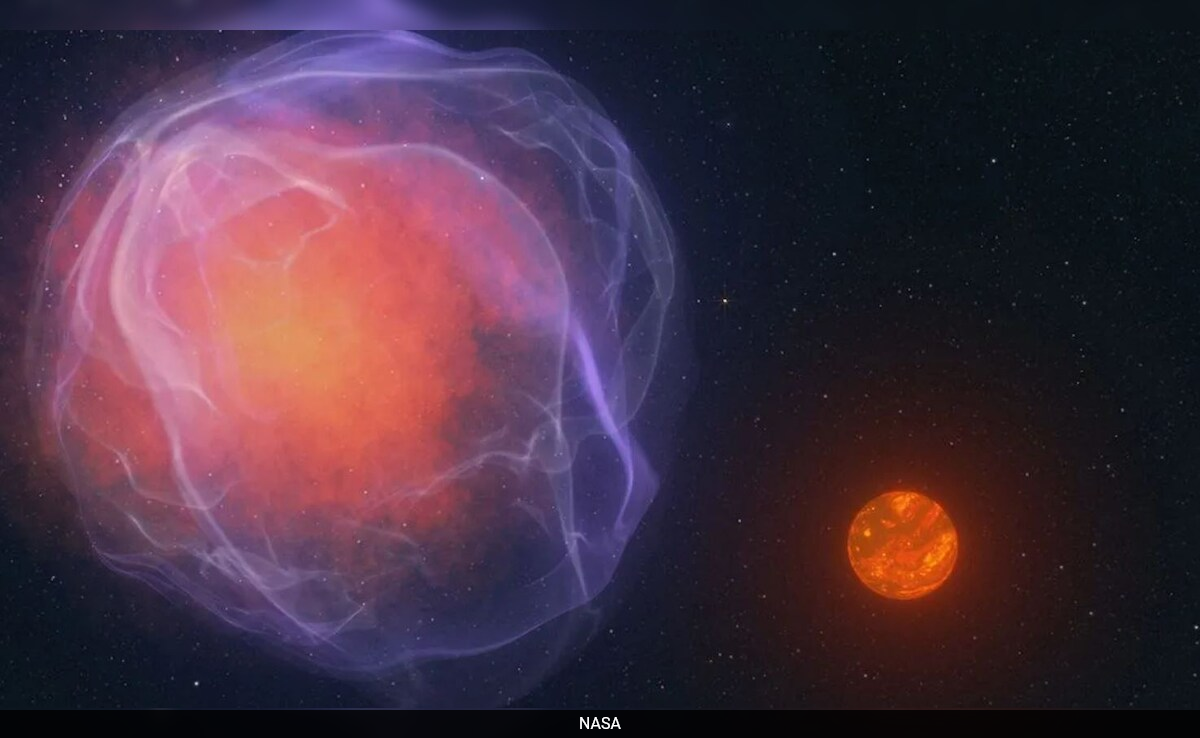
Brown Dwarf Merger Could Create a New Star, Astronomers Discover
Astronomers have discovered a rare brown dwarf binary system undergoing mass transfer with an ultra-short orbit. The pair could either merge or gain enough mass to ignite fusion, potentially forming a new star and redefining how “failed stars” evolve.
-
Webb Finds Phosphorus-Bearing Gas in an Ancient Brown Dwarf
NASA’s James Webb Space Telescope has detected phosphine (PH₃) in the atmosphere of the ancient brown dwarf Wolf 1130C, about 54 light-years away in Cygnus. This marks the first confirmed detection of a phosphorus-bearing gas in such a metal-poor object. The finding surprises astronomers, as phosphine was previously undetected in similar brown ...
-
Astronomers Detect Methane in the Atmosphere of the Nearest T Dwarf Star to Earth
Astronomers have detected methane in the nearest known T dwarf, offering new insight into its atmospheric composition. The study further highlights that the carbon abundance in the planet is estimated to be -1.5 dex, while the effective temperature could be around 1,000 K. The author of the paper further revealed that the low metallicity of the T ...
-
James Webb Space Telescope Observes Mysterious Rogue Planet-Like Object
The James Webb Space Telescope has captured new insights into SIMP 0136, a planetary-mass object floating freely around 20 light-years away. This celestial body, possibly a rogue planet or a brown dwarf, has puzzled astronomers for years. JWST’s infrared observations have revealed intricate cloud layers, temperature shifts, and potential chemical...
-
High-Resolution Observations Provide New Insights into Brown Dwarf HD 206893 B
Astronomers have gained significant insights into brown dwarf HD 206893 B using high-resolution spectroscopy. The study, led by UCSD's Ben Sappey, reveals the object's mass, temperature, and formation details, contributing to brown dwarf research. Located 133 light-years away, HD 206893 B's position within a debris disk invites future investigation...
-
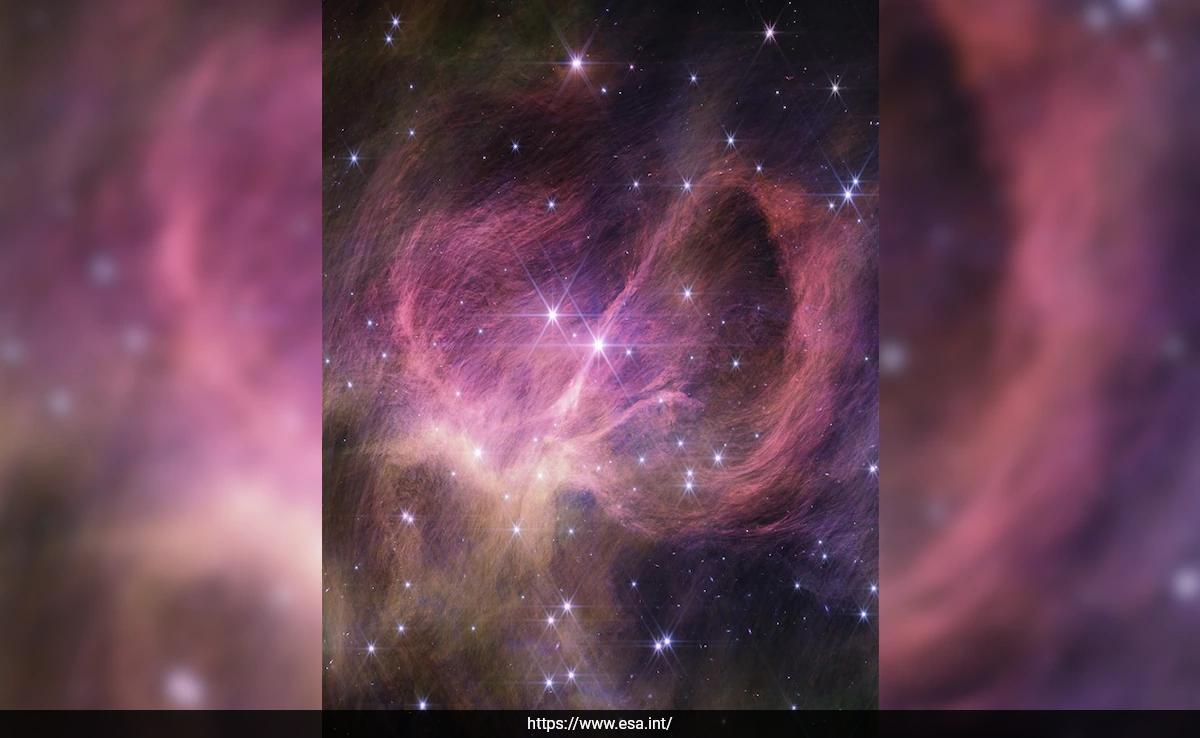
James Webb Telescope Uncovers First Possible Brown Dwarfs Beyond Milky Way
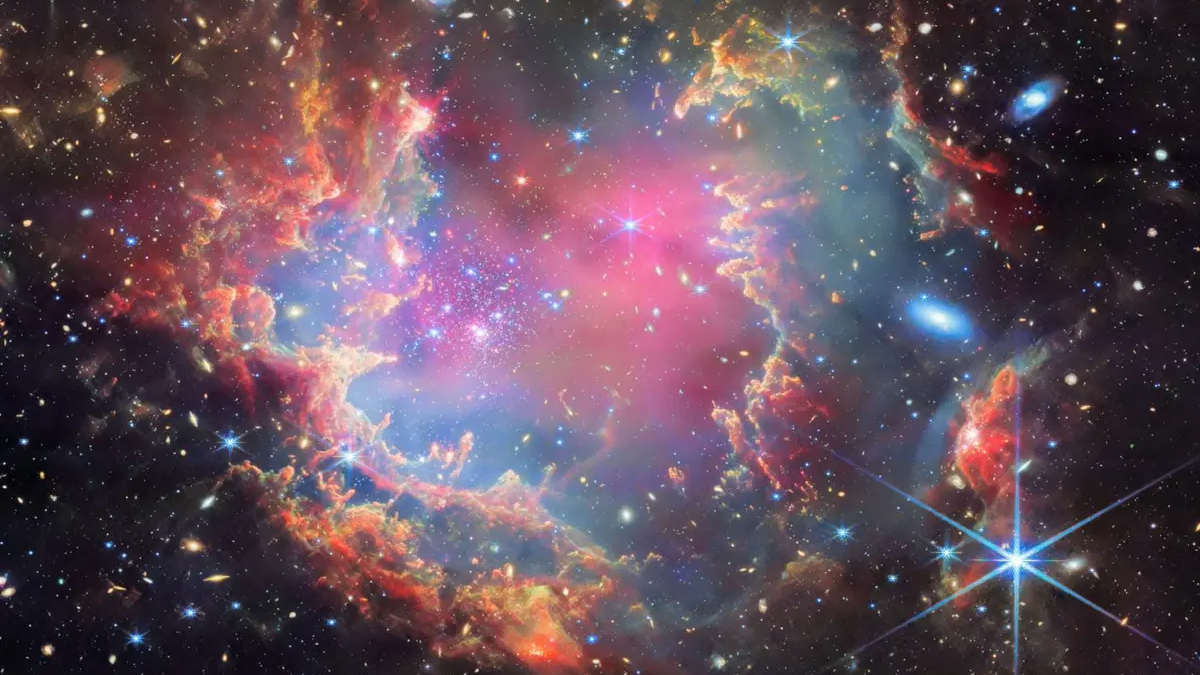
The James Webb Space Telescope has possibly identified brown dwarfs beyond the Milky Way for the first time, offering new insights into how stars formed in the early universe. Located in the star cluster NGC 602 within the Small Magellanic Cloud, these “failed stars” may help explain star formation under early cosmic conditions. This discovery,...
-
Astronomers Successfully Detect Brown Dwarfs in a Distant Star Cluster
For the first time, astronomers have detected brown dwarfs outside the Milky Way in the star cluster NGC 602, situated approximately 200,000 light-years away in the Small Magellanic Cloud. Utilising the James Webb Space Telescope (JWST), the team sought young brown dwarf candidates in an environment that resembles the early universe, with limited h...
-
Astronomers Confirm Brown Dwarf Gliese 229B as Twin Pair Orbiting in 12 Days
Scientists have discovered that Gliese 229B, the first brown dwarf discovered 30 years ago, is actually two brown dwarfs orbiting close to each other. This unexpected find was made using the Very Large Telescope in Chile, solving a long-standing puzzle about the object's dim appearance. The twins, Gliese 229Ba and Gliese 229Bb, orbit each other in ...
-
3 Decades Later, First Brown Dwarf Ever Found Offers A Surprise
In 1995, astronomers confirmed the discovery for the first time of a brown dwarf, a body too small to be a star and too big to be a planet - sort of a celestial tweener. But it turns out that was not the full story.
-
Comet, Asteroid, Or Something Else? NASA Detects Mysterious Object Hurtling Through Space At 1 Million Miles Per Hour
Moving at a mind-boggling speed of 1 million miles per hour, this unidentified object is racing through the vast expanse of space.
-
Record-Shattering 'Failed Star' Uncovered By James Webb Space Telescope
James Webb Space Telescope has identified the new record-holder: a tiny, free-floating brown dwarf with only three to four times the mass of Jupiter.
-
Astronomers Discover 100 New "Cool Worlds" Near The Sun
Astronomers and a team of data-sleuthing volunteers participating in Backyard Worlds: Planet 9, a citizen science project, have discovered roughly 100 cool worlds near the Sun -- objects more massive than planets but lighter than stars, known as brown dwarfs.
-
Astronomers Find Jupiter-Like Cloud Bands On Closest Brown Dwarf
A team of astronomers has discovered that the closest known brown dwarf, Luhman 16A, shows signs of cloud bands similar to those seen on Jupiter and Saturn.
-
Milky Way Could Have 100 Billion Brown Dwarfs, Claims Study
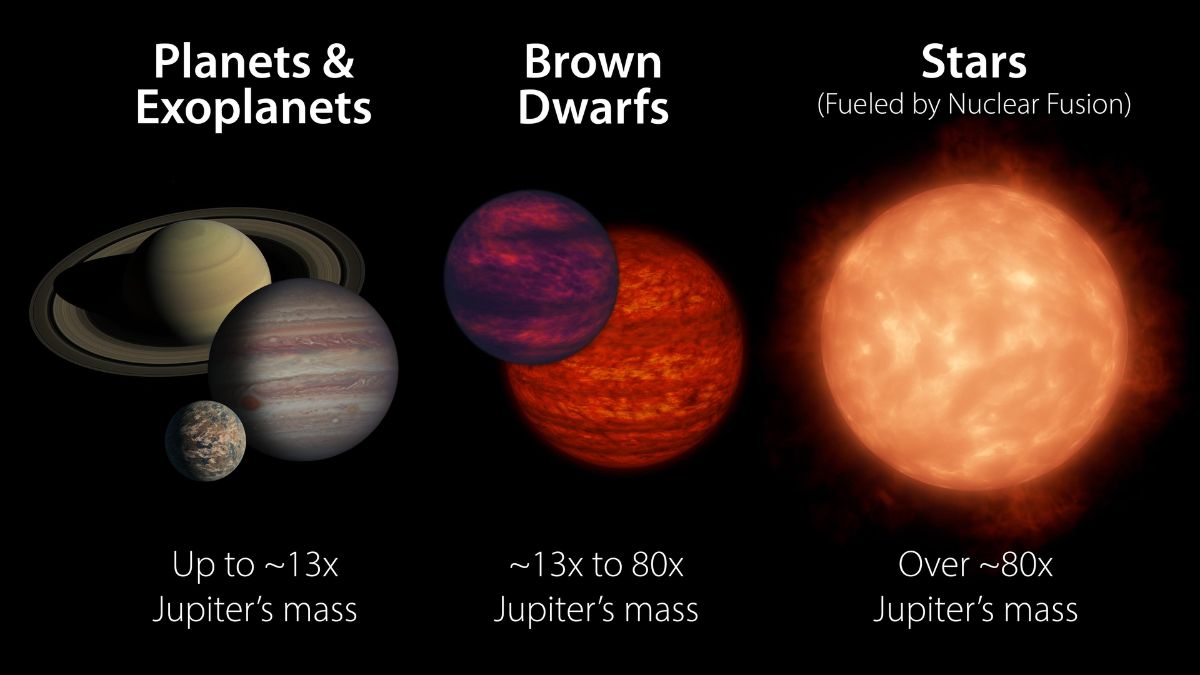
Brown dwarfs are objects intermediate in mass between stars and planets and are natural byproducts of processes that primarily lead to the formation of stars and planets.
-
JWST Reveals Salt Clouds in the Atmosphere of the ‘Pink Planet’ GJ 504b
Using just two hours of observations, JWST decoded the atmosphere of GJ 504b, a cool pink world 57 light-years away. Scientists detected water vapor, methane, ammonia, and carbon dioxide, while deep salt clouds helped explain the object's unusual appearance and temperature.
-
Brown Dwarf Merger Could Create a New Star, Astronomers Discover
Astronomers have discovered a rare brown dwarf binary system undergoing mass transfer with an ultra-short orbit. The pair could either merge or gain enough mass to ignite fusion, potentially forming a new star and redefining how “failed stars” evolve.
-
Webb Finds Phosphorus-Bearing Gas in an Ancient Brown Dwarf
NASA’s James Webb Space Telescope has detected phosphine (PH₃) in the atmosphere of the ancient brown dwarf Wolf 1130C, about 54 light-years away in Cygnus. This marks the first confirmed detection of a phosphorus-bearing gas in such a metal-poor object. The finding surprises astronomers, as phosphine was previously undetected in similar brown ...
-
Astronomers Detect Methane in the Atmosphere of the Nearest T Dwarf Star to Earth
Astronomers have detected methane in the nearest known T dwarf, offering new insight into its atmospheric composition. The study further highlights that the carbon abundance in the planet is estimated to be -1.5 dex, while the effective temperature could be around 1,000 K. The author of the paper further revealed that the low metallicity of the T ...
-
James Webb Space Telescope Observes Mysterious Rogue Planet-Like Object
The James Webb Space Telescope has captured new insights into SIMP 0136, a planetary-mass object floating freely around 20 light-years away. This celestial body, possibly a rogue planet or a brown dwarf, has puzzled astronomers for years. JWST’s infrared observations have revealed intricate cloud layers, temperature shifts, and potential chemical...
-
High-Resolution Observations Provide New Insights into Brown Dwarf HD 206893 B
Astronomers have gained significant insights into brown dwarf HD 206893 B using high-resolution spectroscopy. The study, led by UCSD's Ben Sappey, reveals the object's mass, temperature, and formation details, contributing to brown dwarf research. Located 133 light-years away, HD 206893 B's position within a debris disk invites future investigation...
-
James Webb Telescope Uncovers First Possible Brown Dwarfs Beyond Milky Way
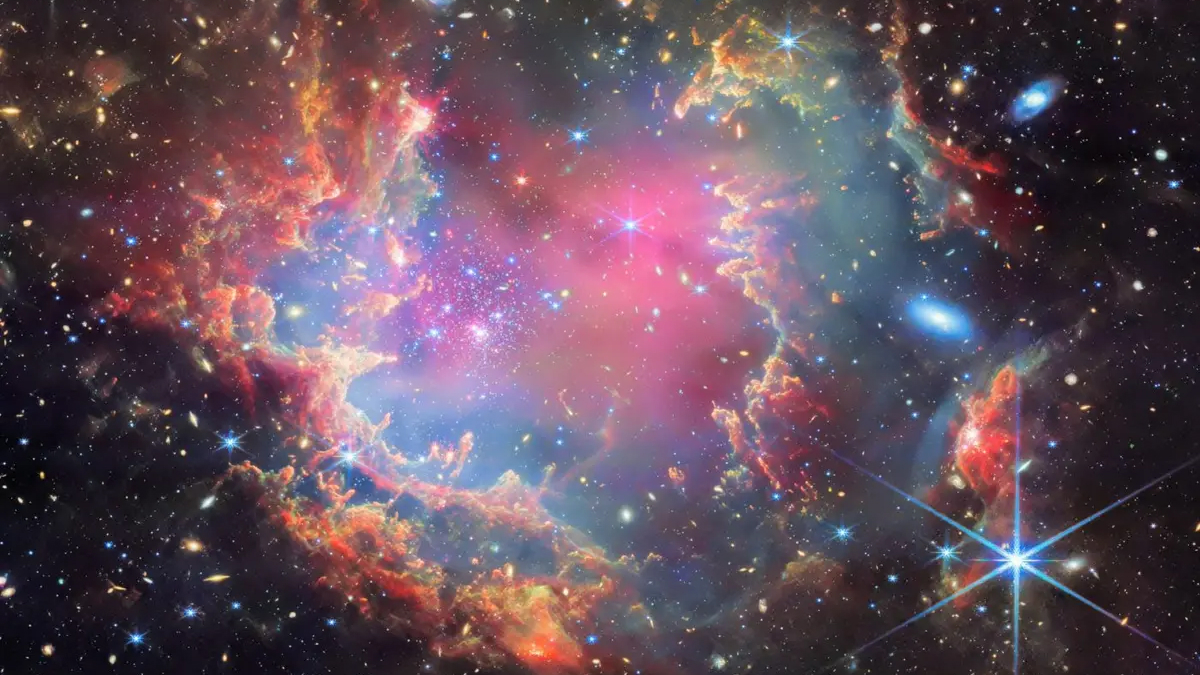
The James Webb Space Telescope has possibly identified brown dwarfs beyond the Milky Way for the first time, offering new insights into how stars formed in the early universe. Located in the star cluster NGC 602 within the Small Magellanic Cloud, these “failed stars” may help explain star formation under early cosmic conditions. This discovery,...
-
Astronomers Successfully Detect Brown Dwarfs in a Distant Star Cluster
For the first time, astronomers have detected brown dwarfs outside the Milky Way in the star cluster NGC 602, situated approximately 200,000 light-years away in the Small Magellanic Cloud. Utilising the James Webb Space Telescope (JWST), the team sought young brown dwarf candidates in an environment that resembles the early universe, with limited h...
-
Astronomers Confirm Brown Dwarf Gliese 229B as Twin Pair Orbiting in 12 Days
Scientists have discovered that Gliese 229B, the first brown dwarf discovered 30 years ago, is actually two brown dwarfs orbiting close to each other. This unexpected find was made using the Very Large Telescope in Chile, solving a long-standing puzzle about the object's dim appearance. The twins, Gliese 229Ba and Gliese 229Bb, orbit each other in ...
-
3 Decades Later, First Brown Dwarf Ever Found Offers A Surprise
In 1995, astronomers confirmed the discovery for the first time of a brown dwarf, a body too small to be a star and too big to be a planet - sort of a celestial tweener. But it turns out that was not the full story.
-
Comet, Asteroid, Or Something Else? NASA Detects Mysterious Object Hurtling Through Space At 1 Million Miles Per Hour
Moving at a mind-boggling speed of 1 million miles per hour, this unidentified object is racing through the vast expanse of space.
-
Record-Shattering 'Failed Star' Uncovered By James Webb Space Telescope
James Webb Space Telescope has identified the new record-holder: a tiny, free-floating brown dwarf with only three to four times the mass of Jupiter.
-
Astronomers Discover 100 New "Cool Worlds" Near The Sun
Astronomers and a team of data-sleuthing volunteers participating in Backyard Worlds: Planet 9, a citizen science project, have discovered roughly 100 cool worlds near the Sun -- objects more massive than planets but lighter than stars, known as brown dwarfs.
-
Astronomers Find Jupiter-Like Cloud Bands On Closest Brown Dwarf
A team of astronomers has discovered that the closest known brown dwarf, Luhman 16A, shows signs of cloud bands similar to those seen on Jupiter and Saturn.
-
Milky Way Could Have 100 Billion Brown Dwarfs, Claims Study
Brown dwarfs are objects intermediate in mass between stars and planets and are natural byproducts of processes that primarily lead to the formation of stars and planets.

