Opinion | Why Do NRIs Hate Mamdani? Because He Threatens Their 'American' Dream
Mamdani's unapologetic leftism, his advocacy for tenants' rights, and his support for Palestine challenge the sanitised image of "model minority". Mamdani is more West Village than Wall Street, and this is what scares a section of NRIs in America.
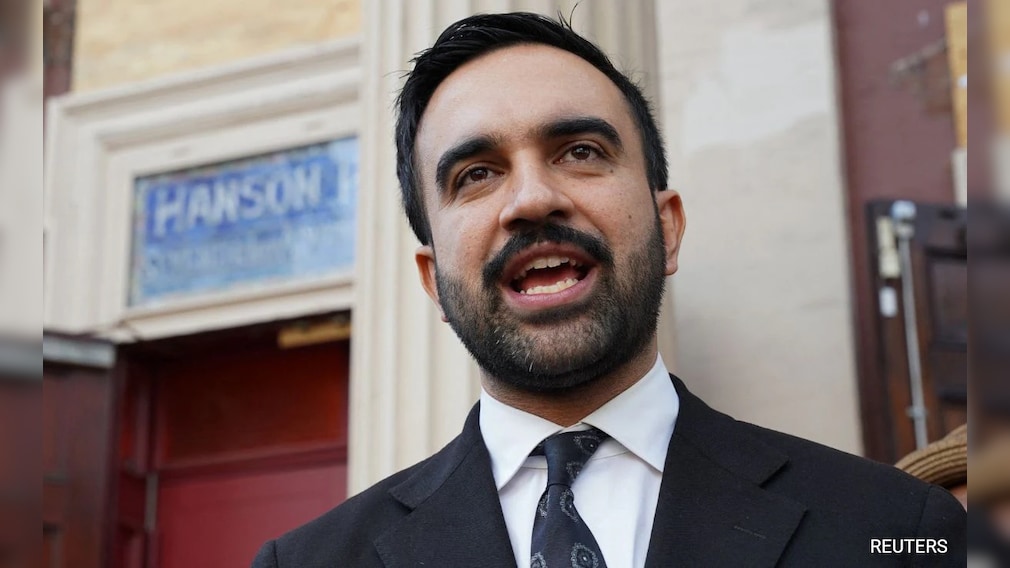
One could get used to all kinds of sadness, stoics suggest. All except one: the kind that's caused by seeing a nemesis rise higher and higher. Especially when the nemesis has managed to thwart all possible efforts to rein in their ascent. This variety of sadness begins and ends with hate.
As New York City danced to the tune of Dhoom Machale, the haters of the 111th mayor-elect, Zohran Kwame Mamdani, got burdened by the same unbearable sadness in the US and in India.
The Irony With Us
There's something to be said about Indians still dissing Mamdani when the Trump administration has been turning up the heat on visa policies that directly hurt NRIs living in the US and stymie the plans of many prospectives. There's something to be said about the immigration of traditional hatreds piggybacking on the H1B visa holders.
There is a particular brand of conservative Indians that is quick to label any compatriot who doesn't believe in their divisive ideas as "self-hating Indians". In a twist of fate, the label has now got affixed on their own foreheads. By constantly kicking the proverbial axe in a show of sterile rage, conservative Indians have been empowering the beast of racial hatred and discrimination. During Mamdani's mayoral campaign, a bunch of Indian-Americans echoed the sentiments shared by the White supremacists.
By refusing to be apologetic about his identity, Mamdani has irked a lot of Indians, offshore and onsite! Constantly attacked for his criticism of Israel's actions against Palestine by Americans, Mamdani became a garden-variety hate object for all majoritarian supremacists. His criticism of governments in his country and elsewhere in the world got blown out of proportion to signify support for Sharia.
Mamdani's 'Muslim' Identity
Full throttle efforts were afoot to create fear psychosis in a city that had faced one of the most astonishing bloody manifestations of Islamist extremism less than two decades ago. Mamdani's Muslim identity was held hostage to the memory of 9/11. As if every Muslim across the planet conspired to commit every act of violence by their coreligionists anytime, anywhere. As if a Muslim cannot lay claim to any other identity except that of a co-conspirator or enabler. As if a Muslim can never be anything other than an apologist.
The thumping victory coming Mamdani's way, therefore, is a hard NO to these 'as ifs'. Whether or not Mamdani delivers on his poll promises - many of them being decried as fanciful by politicians and economists alike - a vote for Mamdani has been a vote for a different vocabulary in politics. In one fell swoop, he's managed to bring earnestness back into the discourse. Nothing is easy at the moment of the expression of intent. It matters, however, that the intent exists.
The Raging WhatsApp Groups
It is amazing how, despite the intent to effect policies that make the costliest city in the world a little more affordable, Mamdani failed in winning a large bunch of Indians to his side. The same Indians who cheered for Vivek Ramaswamy's presidential bid. Much of the Indian resistance to Mamdani stems from a collision of identity and ideology. His willingness to critique Hindu nationalism and caste privilege unsettles not just the beneficiaries of such a divisive cultural climate but also those who view any scrutiny of Indian politics from abroad as betrayal. In online forums and WhatsApp groups, he is derided as "anti-India" or "anti-Hindu", labels that reveal more about the insecurities of the accusers than about his actual positions.
Mamdani's ascent mirrors a growing unease within global political discourse - one that stretches from city halls to social media feeds. Anyone talking about a more equitable society faces similar storms of digitally amplified rage, where disagreement quickly mutates into personal vilification. Mamdani's unapologetic leftism, his advocacy for tenants' rights, and his vocal support for Palestinian self-determination challenge the sanitised image of "model minority" success they wish to project in America. He's more West Village than Wall Street, and this threatens the NRI American dream.
Empathy Is Politics, Too
In the fractured landscape that US politics is today, the triumph of any candidate who refuses to disown complexity - be it religious, ethnic, or ideological - is an act of defiance. Mamdani's victory is less about the office he occupies than the cultural shift it represents: a willingness among voters to reject fearmongering and embrace moral nuance. The Republican politics of grievance, spearheaded by the POTUS, has been increasingly substituting for governance. In this scenario, a shift towards earnestness matters. And perhaps that is the quiet revolution underway - the reclamation of empathy as a political virtue.
By not getting behind this politics of empathy, Indians in the US have missed their "Yes, We Can" moment. It's still not too late to get behind "Mamdani Mubarak".
(Nishtha Gautam is a Delhi-based author and academic)
Disclaimer: These are the personal opinions of the author
-
Fuel Price Fury Forces Europe Away From Trump's Iran War

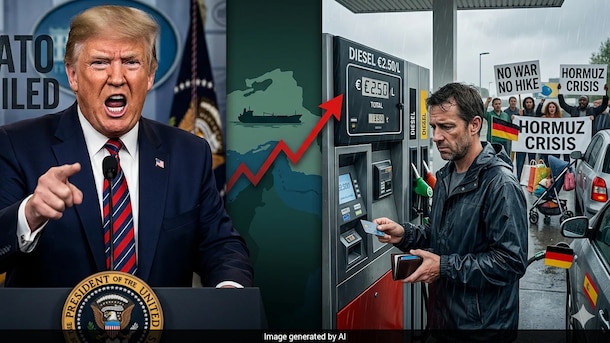
47 days into the war, Europe has rejected Trump's attacks on Iran on the back of $25B Hormuz blockade shock that spiked inflation to 2.5% and prompted 59% of EU voters to call the strikes illegal (71% Spain), while Trump's Pope spat draws ire from Italy.
-
The Malacca Gambit: How China Oil-Choke Strategy Could Backfire On Trump
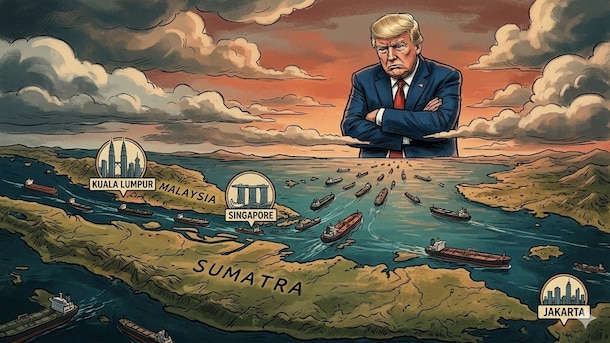
US President Donald Trump seems to be weaponising oil chokepoints - Venezuela, Hormuz, and Malacca - to pressure China, but Beijing's pipelines, reserves, and shadow fleets mean the real test is which side dares escalate further.
-
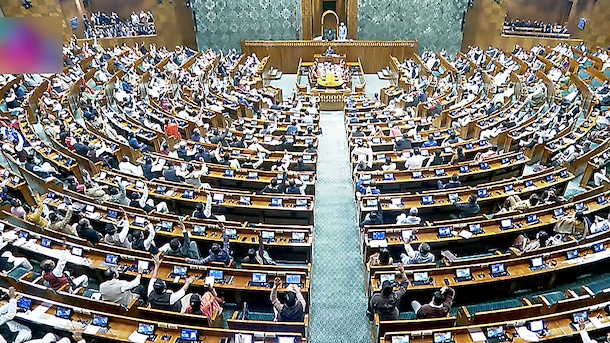
Opinion | 38% vs 18%: How Bengal Exposes The Biggest Irony Of Women's Reservation
Bengal with its duality - 38% women in Parliament versus 18% in the state contest - captures the core tension of the Bill better than any other example.
-
Opinion | Mines, Submarines, Drones: Why World's Mightiest Navy Won't Get Too Close To Hormuz
Iran is relying on the symmetric advantage of geography to fight against the brute power of the world's largest and most powerful navy, the US.
-
'Tawakkul al-Allah': Meet Sheikh Moussa, The Man Israel Can't Move
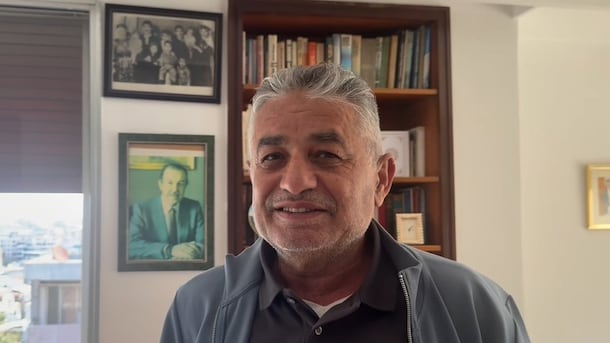
Sheikh Moussa refuses to leave his family home in Beirut's Dahieh despite decades of Israeli missile strikes. His faith - tawakkul al-Allah - keeps him rooted amid rubble, memories, and a doctrine designed to break Israel's rivals.
-
Opinion | Pakistan Has Already Got Its 'Prize', Even If The US-Iran Talks Collapsed
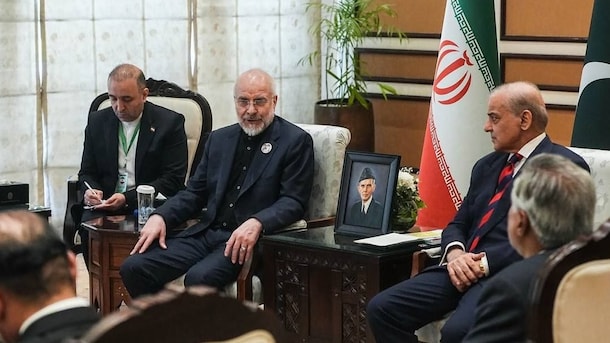
For all the brand packaging Pakistan has done in the last few days on the international stage, the backstage scenario remains pretty dangerous.
-
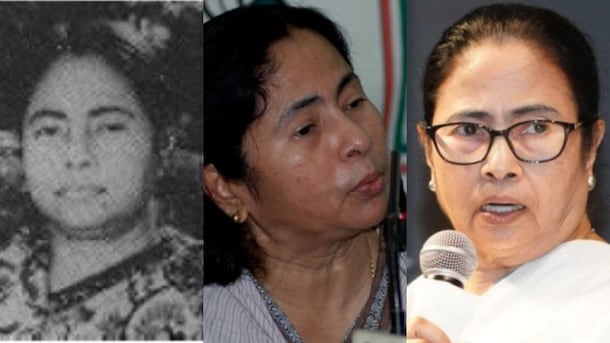
From Climbing On JP's Car To Ousting Left: Mamata Banerjee's Bengal Journey
Mamata Banerjee's political journey is a testament that she is at her most ferocious when she faces a difficult battle
-
Opinion: The Great North-South Debate, And Prickly Questions About 'Fairness'
A strict population-based delimitation could produce a Lok Sabha in which a handful of large northern Hindi-belt states hold a permanent majority, enabling them to shape national policies even against the preferences of the rest of the country.
-
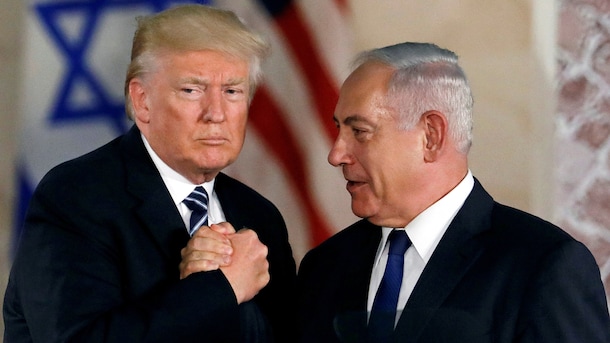
Opinion | How Netanyahu Is Fast Turning Into The Worst 'Deal' Trump Ever Made
Netanyahu sold the White House fantasy after fantasy - and got away with it even when they backfired. Now, Trump can't seem to rid himself of this big albatross around his neck.
-
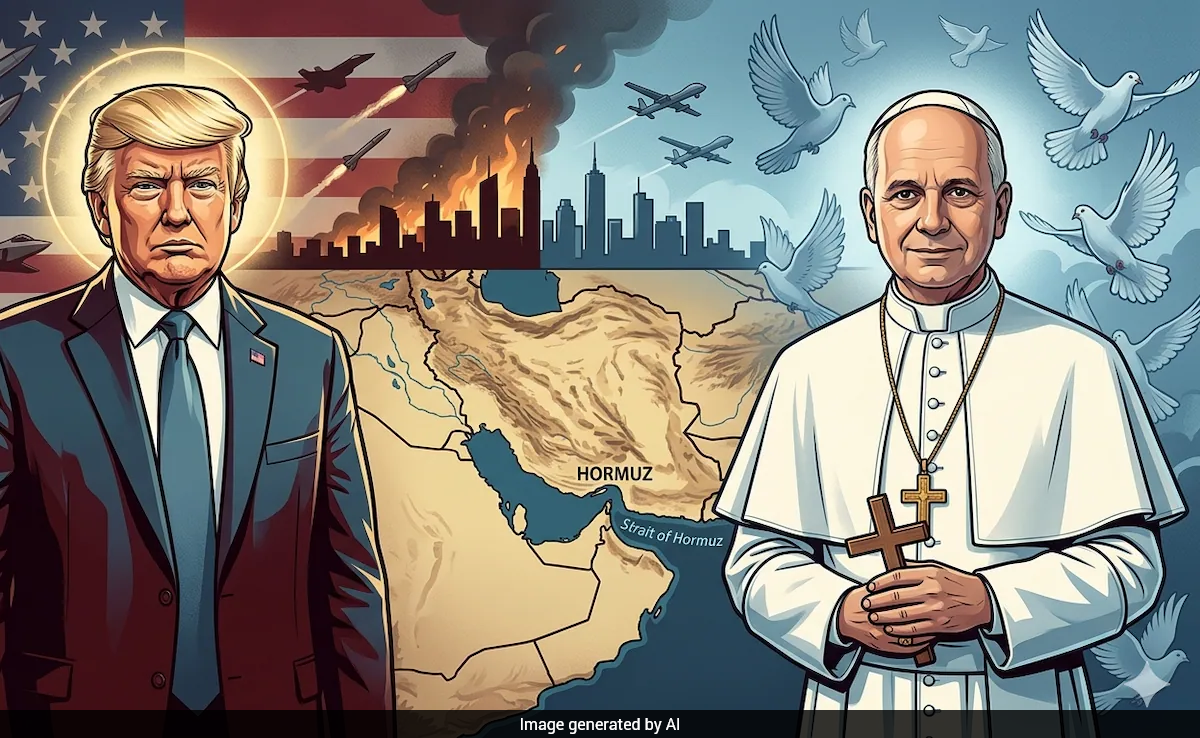
Trump Casts God As 'Co-Commander' In Iran War, Pope Says 'No'
The president framed the Iran war as 'divinely sanctioned' but the pope insisted 'God does not bless any conflict', setting up a clash between presidential power and papal moral authority.