Opinion | Can A Gen Z-Influencer-Rapper PM Really 'Change' Nepal?
Observers say it's high time the former mayor evolved and grew, as well as became more mature, diplomatic and friendly with journalists, opponents and, most importantly, friendly neighbours like India and China.
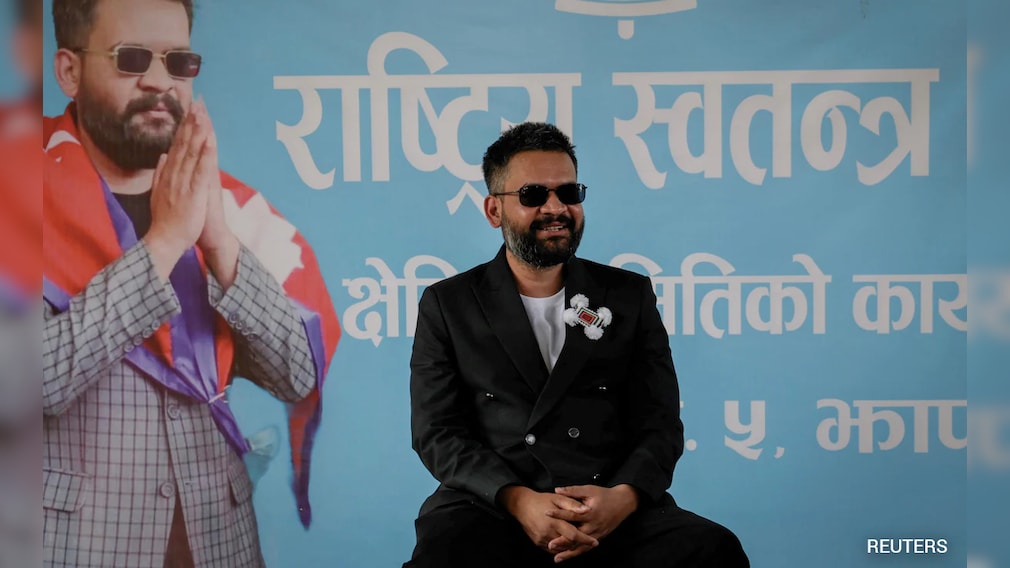
Young and well-dressed, Balendra Shah, popularly known as Balen, was first noticed in Nepal's rap battles in the 2010s. By 2020, just two years before the Karnataka-educated structural engineer fought election to become Kathmandu mayor, his rap song, Balidan, filled with sharp attacks and disses against Nepal's leaders, had become a big hit among Nepali rap and hip-hop lovers. No wonder it has already attracted over 12 million views.
In the spring of 2022, his fame - plus his commitment to ensure good governance and reforms in the Nepali capital city - helped him win Kathmandu's mayoral election with a landslide vote. Soon, heeding Kathmandu valley traffic police's plea to clear the city's roads of encroachments, he mobilised bulldozers to do so and even visited some of the sites, winning many hearts and minds.
There was no stopping the 35-year-old rapper-turned-mayor. In September 2024, he firmly backed young Gen Z protesters protesting against rampant corruption, nepotism and elitism and rallying for a better, more liveable Nepal. Communicating through posts on Facebook and X, as he often did, he nudged the youngsters to keep going.
Influencer PM
To his delight, Balen Shah's 2024 song, Ma Nepal Hasenko Herna Chahanchhu ("I want to see Nepal smiling"), became an anthem of the Gen Z protesters nationwide. As major landmarks, such as Singha Durbar and Parliament building burned, and top leaders, including then Prime Minister KP Sharma Oli, scrambled for cover and safety, the Nepali Army was compelled to approach Shah to write social media posts, appealing to the protesters to stop it all. He did just that.
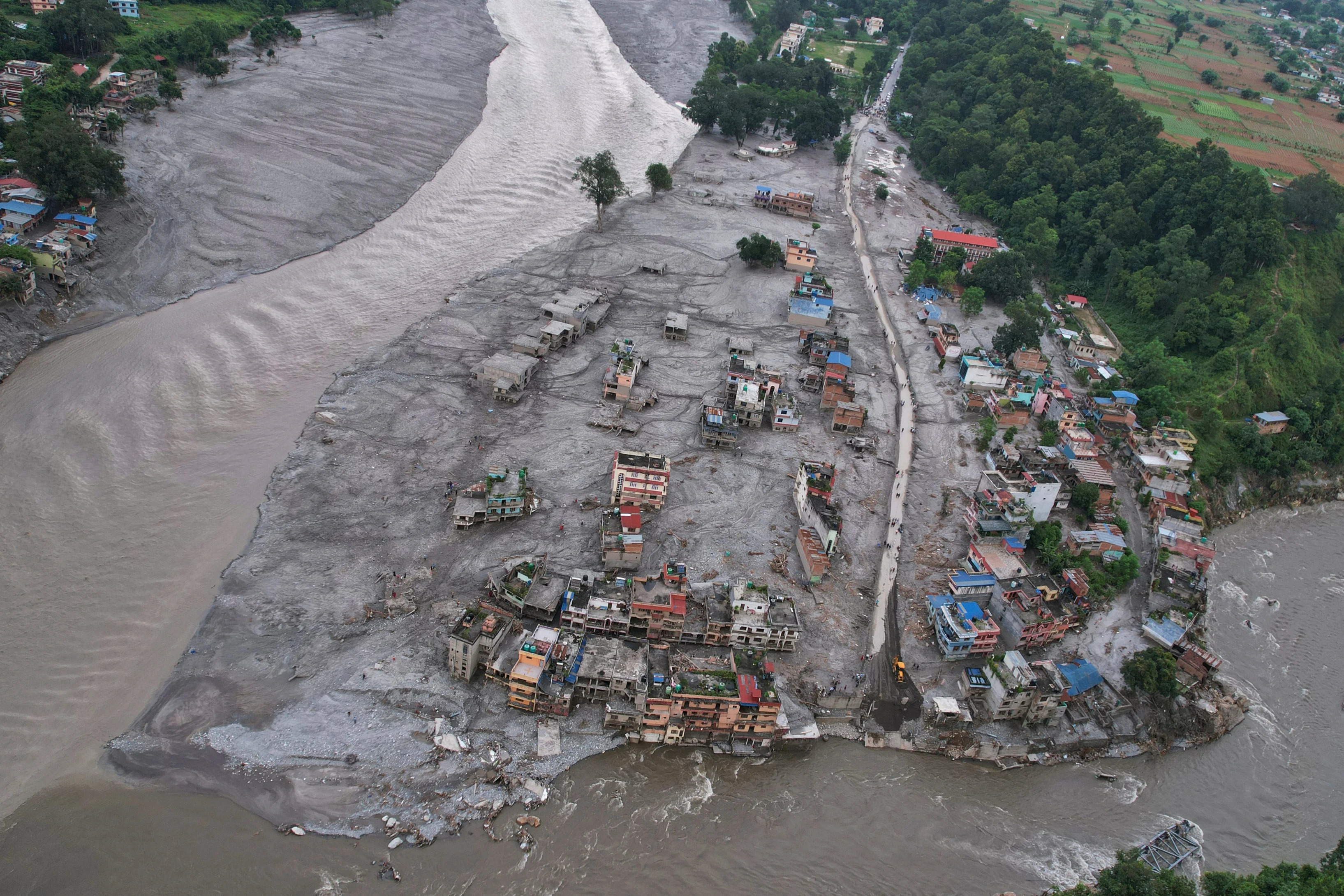
Nepal's #GenZRevolt on 9/9 last year saw the death of 77 Nepalis, including young protesters and police personnel. At the peak of the revolt and the ensuing chaos - when government buildings and malls were burning and inmates from jails nationwide were busy fleeing - KP Oli was forced to quit, paving the way for a new interim administration led by former chief justice Sushila Karki.
Just three months after he resigned as the mayor and joined the three-year-old Rastriya Swatantra Party (RSP), led by former TV show host Rabi Lamichhane, as a prime ministerial candidate, Shah has unseated beat Oli in his home constituency of Jhapa-5 in eastern Nepal.
Much like Shah, the RSP candidates nationwide are marching to victory, one after another, leaving their rivals from Nepal's old guard parties such as the Nepali Congress, Oli-led Communist Party of Nepal - Unified Marxist Leninist (CPN-UML), or the former Maoist chair Puspa Kamal Dahal Prachanda-led Nepali Communist Party (NCP), or the pro-Hindu monarchy Rastriya Prajatantra Party (RPP) far far behind in the race.
That the RSP chair Lamichhane - who was famously filmed leaving Nakkhu jail popping out of a car's sky roof during #GenZRevolt only to return to jail a few days later - is facing multiple criminal cases relating to cooperatives fraud and organised crime has not affected his party's electoral success.
It has left many observers surprised. But they are crediting Balen Shah's remarkable popularity, founded on a widespread myth that he single-handedly changed the face of Kathmandu metropolis - even though the city continues to grapple with pollution, garbage, filth and crime issues - for the RSP's almost clean sweep and near-routing of legacy parties.
Yet, in its election declaration, the RSP has promised to, among other things, control corruption, create employment opportunities for at least a million Nepalis and double per capita income from nearly 1,500 USD to 3,000 USD in the next five years.
Balen Shah's seemingly grand January entry, appears to have wooed Nepali voters, who have clearly rung the bell - the RSP's election symbol - to the horror of legacy parties, whose top leaders pretty much rotated around the prime minister's chair in recent decades.
Challenges Galore
Hopes are high that the soon-to-be-formed Balen Shah government will initiate sweeping reforms, living up to its promises. But critics are doubtful that the inexperienced young leader with similar faces behind him could only do so much so as to address Nepal's economic, social and environmental challenges.
Critics doubt that Shah could repeat his authoritarian tendencies, such as using police force to remove urban poor and hawkers from the river banks and streets of Kathmandu during his mayoral days. Worse still, they question, what if he continues to write objectionable posts on his social media in future?
Consider this. Late at night on November 1, 2025, the then Kathmandu mayor created a sensation through a Facebook post.His post laid bare his arrogance as he lambasted not just the RSP, but also India, China and the United States. "You guys all combined can do nothing," he wrote. Within minutes, the post drew tens of thousands of comments and likes. By the time Shah deleted it, thousands of screenshots had already been taken for the record.
Nepali netizens had been there before. On September 3, 2023, Shah probably fired his biggest social media salvo. Hours after traffic police stopped his office car carrying his pregnant wife in labour pain on a Saturday, he wrote on Facebook: "Nothing happened for today. But if any of our KMC (Kathmandu Metropolitan City) vehicles are stopped by the government from tomorrow, I will set the Singha Durbar on fire. Remember, thief government."
That same year on April 7, he had enjoyed another viral moment on Facebook and X. Angry at the local political party workers who had been consistently obstructing Kathmandu's garbage trucks from reaching the landfill site at their village in Sisdol, some 15 kilometres west of the city, he had written: "Today on, the garbage of Singha Durbar will not be collected. In order to clean up the country, its leaders should be dumped in Sisdol."
Located in the heart of Kathmandu, the European-style Singha Durbar was built in 1908. Today, it houses Nepal's key ministries, including the prime minister's office. But several historical buildings within the premises were set on fire by protesters during last September's Gen Z revolt. Reconstruction is expected to cost billions of rupees.
Following Nepal's post Gen Z revolt elections this week, the former mayor now looks poised to take over Nepal's reins. Observers say it's high time the former mayor evolved and grew, as well as became more mature, diplomatic and friendly with journalists, opponents and, most importantly, friendly neighbours like India and China - let alone the distant superpower, the US.
Failing this , they warn, it will be a Himalayan task for Balen Shah and his team to help pull Nepal out of the multiple crises bedevilling it. Millions of Nepalis have migrated abroad for better educational or employment opportunities. Of them, nearly two million are in the now-war-torn Persian Gulf region. Observers say ensuring their safety - and safe home-coming if the situation turns worse - will be the first big test the incoming Balen Shah administration will have to face head-on.
(Surendra Phuyal is a freelance journalist based in Kathmandu, Nepal. From 2006 to 2020. He was earlier with the BBC World Service)
Disclaimer: These are the personal opinions of the author
-
Opinion | Building BRICS In New Delhi

For India as the host nation, chairing the summit tests the core tenet of its modern foreign policy: strategic autonomy.
-
Can India 'Mediate' Between Iran And UAE At BRICS? Gulf Envoy Suggested It Once
At the very start of the Israel-US war on Iran, it was a UAE diplomat who had suggested as much.
-
Opinion | When The Feed Braves The Flood
NDTV drops the 24x7 and stakes its next chapter on presence as it inaugurates a new identity
-
I Went Looking For A PG In Delhi's Kamla Nagar. Here's What I Found
In every PG visited by NDTV in Delhi's Kamla Nagar, the conversation began with amenities. Nothing in the sales pitch was about how secure the building was.
-
Opinion | How Trump Is Doing More For BRICS Than Its Critics Ever Could
By trying to bully BRICS countries into submission, Trump may be giving the grouping the very relevance he is trying to deny
-
Opinion | BRICS Has Grown Up. Now It Must Behave Like An Adult
The India-China accommodation will be a key driver of the grouping, but a 'non-Western' agenda will work well only if it focuses on ending global conflict as much as on stabilising the global economy
-
Opinion | 9/11, And The Price Of Fighting Terror For A Quarter Century
Twenty-five years later, 9/11 is more than just a lived memory for those who witnessed it in real time, as I did as a UN official
-
Opinion | US Can Threaten, Not Dictate: What India's Iran Message Really Means
If India's Bishkek message was a signal to the US, then Pezeshkian's arrival in New Delhi for BRICS will be a defining note: that India's strategic autonomy is not up for debate